
CBD Sleep Supplements: Are They Worth Trying in 2025?


Cannabidiol, or CBD, is a non-psychoactive compound from the cannabis plant that many people are looking to for sleep improvement. With around 70% of Americans facing sleep deprivation, it’s not surprising that CBD has gained attention as a potential remedy. Recent research shows promise; studies in 2023 and 2025 highlight improvements in sleep quality and efficiency among users. Many individuals report falling asleep faster and experiencing longer sleep durations when they use doses ranging from 30-50 mg. However, users should be cautious with their dosage as lower amounts can sometimes have the opposite effect. Overall, trying CBD for sleep issues may be worthwhile but should involve careful consideration of dosage and form used.
Table of Contents
- Overview of CBD and Its Impact on Sleep
- Research Findings on CBD and Sleep Effectiveness
- User Experiences with CBD Sleep Supplements
- Different Forms of CBD for Sleep
- Safety and Side Effects of CBD
- Quality and Regulation of CBD Products
- Recommendations for Using CBD for Sleep
- Frequently Asked Questions
Overview of CBD and Its Impact on Sleep
CBD, or cannabidiol, is a compound found in the cannabis plant that has recently gained a lot of attention for its potential benefits, especially regarding sleep. Unlike THC, which is known for its psychoactive effects, CBD does not produce a high, making it an attractive option for those who want to address sleep issues without altering their mental state. The human body has an endocannabinoid system that interacts with CBD, potentially helping to regulate sleep cycles and improve overall sleep quality.
Many people struggling with sleep disturbances, often caused by anxiety and stress, are finding that CBD might offer a natural alternative to prescription sleep medications, which can come with unwanted side effects and risk of dependence. Current trends show a growing acceptance of CBD as part of wellness routines, particularly among those facing challenges with sleep. Research suggests that CBD may help with conditions that interfere with sleep, such as chronic pain or anxiety disorders. As more individuals learn about CBD’s potential benefits, many are considering it a viable option for improving sleep. Furthermore, the accessibility of CBD products has surged, with a wide range of options available both in stores and online, making it easier for consumers to explore this alternative. Ongoing research continues to delve into how CBD affects sleep and its broader therapeutic uses.
Research Findings on CBD and Sleep Effectiveness
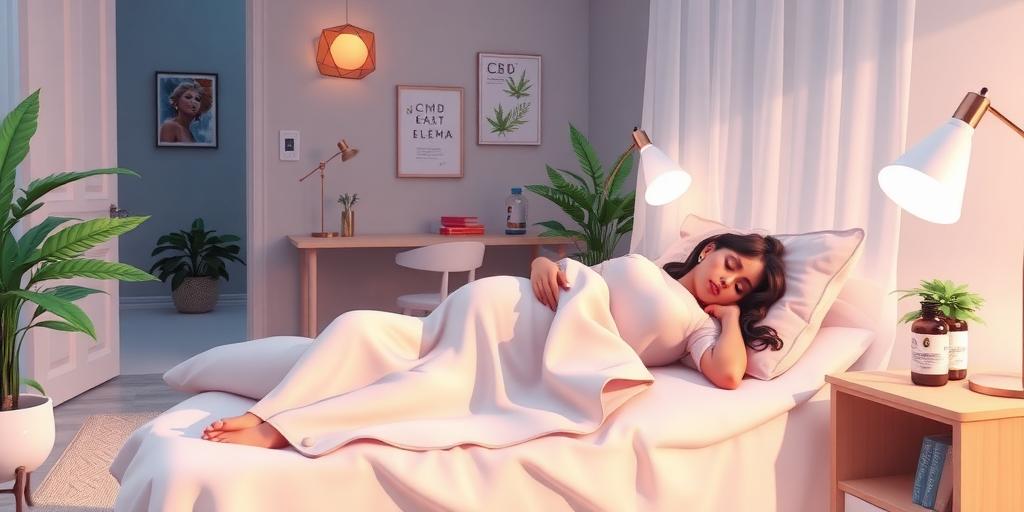
Multiple studies highlight the potential of CBD to improve sleep quality. For instance, a 2023 survey revealed that 86% of CBD users noticed improvements in their sleep, with many reporting they felt more rested upon waking. Research indicates that CBD may specifically enhance slow-wave sleep, crucial for physical restoration, as well as REM sleep, which is linked to dreaming and memory. A 2025 clinical trial demonstrated that an oral CBD and terpene formulation increased the time spent in both slow-wave and REM sleep. Furthermore, a significant portion of research suggests that CBD could be particularly effective for those dealing with insomnia and sleep disruptions tied to anxiety. However, it’s important to note that individual responses to CBD can vary widely, influencing sleep outcomes. Therefore, further studies are needed to determine the optimal dosing. A tailored approach, as emphasized in recent research, could lead to better sleep results. Some studies have even found that CBD can reduce the frequency of nightmares, particularly in individuals with PTSD, opening a potential avenue for treatment. As research continues to evolve, our understanding of how CBD interacts with sleep is expected to become clearer, especially considering CBD’s anti-inflammatory properties, which may also play a role in its effectiveness.
| Study Year | Findings | Population | Recommendation |
|---|---|---|---|
| 2023 | Participants showed significant improvement in sleep efficiency and quality compared to placebo. | General population | Consider CBD for enhanced sleep quality. |
| 2025 | Oral CBD-terpene formulation increased time in slow-wave and REM sleep. | Clinical trial participants | Explore tailored formulations for sleep. |
| 2025 | 93% of athletes reported improved sleep, 90% for relaxation. | Athletes | CBD may be beneficial for active individuals. |
User Experiences with CBD Sleep Supplements
Many users of CBD sleep supplements share positive experiences that highlight their effectiveness. Testimonials often mention faster sleep onset and longer sleep duration, indicating that CBD can be a helpful tool for those struggling with insomnia. Specific dosage preferences emerge, with many individuals finding that 30-50 mg works best for them, while others adjust their intake based on personal response. This suggests that finding the right dose can be a unique journey for each user.
Additionally, some experiences reveal reduced nighttime awakenings, leading to a more refreshed feeling upon waking. For example, an athlete-focused survey indicated that a majority found CBD beneficial for relaxation post-exercise, which can contribute to better sleep quality. Many users appreciate the ease of incorporating CBD into their nighttime routines, especially with the variety of forms available, such as oils, capsules, and gummies.
A common recommendation among users is to start with a low dose and gradually increase it until the desired effect is achieved, emphasizing the importance of a personalized approach. Some users find satisfaction with infused products that combine CBD with other natural sleep aids, enhancing their relaxation before sleep. However, it is essential to note that not everyone experiences the same results; some report mixed outcomes, highlighting that CBD may not work for everyone and may require some trial and error. Community forums serve as a valuable resource for sharing experiences, discussing both successes and challenges. Overall, the sentiment remains cautiously optimistic, with many users willing to recommend CBD as a potential sleep aid.
- User testimonials often highlight faster sleep onset and improved sleep duration when using CBD supplements.
- Many individuals report specific dosage preferences, with some finding 30-50 mg to be effective for promoting sleep, while others require adjustments based on their body’s response.
- Some users share experiences of reduced nighttime awakenings and feeling more refreshed upon waking after using CBD.
- An athlete-focused survey revealed that a majority found CBD beneficial not just for sleep, but also for relaxation and recovery post-exercise.
- Online reviews frequently mention the ease of integrating CBD into nightly routines, with many appreciating the variety of forms available.
- Users often recommend starting with a low dose and gradually increasing until the desired effect is achieved, indicating a personalized approach.
- Certain users express satisfaction with infused products that combine CBD with other natural sleep aids, enhancing relaxation before sleep.
- However, some users report mixed results, suggesting that CBD does not work for everyone and may require trial and error to find the right dosage and form.
Different Forms of CBD for Sleep
CBD is available in several forms, each offering its own set of advantages for those looking to improve their sleep. Oils and tinctures are popular choices because they are absorbed quickly and allow for easy dosing adjustments, which can be helpful for fine-tuning individual needs. For those who prefer a hassle-free approach, capsules provide a pre-measured dose, making them a convenient option for consistent intake. Gummies have gained popularity among newcomers due to their pleasant taste and straightforward consumption, although they may take longer to kick in compared to oils. While topical applications are generally not intended for sleep, they can still aid in relaxation and alleviate muscle tension before bedtime, which might contribute to a more restful night. Some products even blend CBD with melatonin, a hormone that helps regulate sleep, potentially enhancing the overall effectiveness. Full-spectrum CBD varieties, which include a wider range of cannabinoids and terpenes, might also offer a more robust impact compared to isolate forms. As users explore these options, preferences often vary based on convenience, taste, and their unique responses to different consumption methods. With the market continually evolving, new and innovative forms of CBD are emerging, catering to various needs for sleep supplementation.
Safety and Side Effects of CBD
CBD is generally considered safe for most people, presenting a lower risk of serious side effects compared to many prescription sleep medications. Commonly reported side effects include mild fatigue, diarrhea, and changes in appetite, which usually resolve quickly. Some users may experience drowsiness, especially at higher doses, which could impact daytime functioning. Caution is advised due to potential interactions with other medications, particularly those that affect liver enzymes, like blood thinners. It is recommended that users consult healthcare professionals before starting CBD, especially if they are taking other medications or have underlying health conditions. Pregnant or breastfeeding individuals should avoid using CBD, as there is insufficient research on its safety in these contexts. While many users report positive experiences, anecdotal evidence indicates that some may feel anxious or restless after taking CBD, emphasizing the importance of proper dosing. The long-term effects of CBD use are still under study, with ongoing research aimed at assessing safety over extended periods. Monitoring individual responses to CBD is essential, as personal experiences can vary widely based on dosage and body chemistry. As regulations evolve, we can expect more comprehensive safety data on CBD products to emerge, helping guide consumer choices.
Quality and Regulation of CBD Products
The CBD market is still largely unregulated, which means consumers face a lot of uncertainty regarding product quality. This inconsistency can lead to varying levels of potency, purity, and labeling accuracy. To protect themselves, consumers should seek out products that are third-party tested. Such testing helps ensure that what’s on the label aligns with what’s in the bottle, giving buyers peace of mind that they’re getting their money’s worth. Reputable brands often publish lab results, allowing consumers to confirm cannabinoid content and check for harmful substances.
When it comes to efficacy, products labeled as full-spectrum are often preferred. These products contain a range of cannabinoids and terpenes that may work together to enhance the benefits of CBD, a phenomenon known as the entourage effect. Additionally, consumers should prioritize CBD derived from U.S.-grown hemp, particularly organic sources, as these tend to meet higher safety and quality standards.
Transparency is key in this market. Reliable brands will clearly outline their sourcing and manufacturing processes, making it easier for consumers to make informed choices. It’s also important to keep in mind that local laws regarding CBD can differ significantly, so potential users should familiarize themselves with the regulations in their state or country before making a purchase.
As the industry continues to evolve, there’s a growing focus on sustainability and ethical sourcing among companies, which can lead to higher quality products entering the market. Consumer advocacy groups are also playing a crucial role in pushing for better standards and regulations, promoting safer options for users. As conversations around labeling and marketing practices progress, we can expect future regulations to shape the market, ideally benefiting consumers looking for reliable CBD sleep supplements.
Recommendations for Using CBD for Sleep
Starting with a low dose of CBD, around 25 mg, is recommended for those looking to improve their sleep. This allows users to gauge their individual response before increasing the dosage. If a higher dose is needed, be cautious, as amounts ranging from 150 to 600 mg can lead to increased side effects. To maximize its effectiveness, take CBD 30 to 60 minutes before bedtime; this timing helps the body prepare for sleep. It’s also beneficial to monitor your sleep patterns and overall health during this period, as tracking your experiences can help you make necessary adjustments.
Combining CBD with other natural sleep aids like melatonin or chamomile may enhance its sleep-promoting effects, although the research on these combinations is still limited. Maintaining a consistent sleep schedule while using CBD can further improve sleep quality. Additionally, staying hydrated and avoiding heavy meals before bedtime complements the benefits of CBD. Keeping a sleep diary is a useful tool to track progress and side effects, offering insights for both users and healthcare providers. Lastly, consulting with a healthcare professional is wise to tailor CBD use according to individual health needs, ensuring both safety and effectiveness.
Frequently Asked Questions
What are CBD sleep supplements and how do they work?
CBD sleep supplements are products made with cannabidiol, a compound from the hemp plant. They may help people relax and fall asleep by interacting with the body’s endocannabinoid system, which plays a role in regulating sleep.
Can everyone use CBD sleep supplements safely?
While many people can use CBD safely, it’s important to talk to a doctor before trying it, especially if you have health issues or take other medications. Individual responses can vary.
How do I know if CBD supplements will help my sleep issues?
CBD can affect people differently. You might find that it helps you relax or sleep better, or you might not notice much of a difference. It often requires some trial and error to see how it works for you.
Are there any side effects of using CBD sleep supplements?
Some people may experience mild side effects from CBD, such as dry mouth, fatigue, or changes in appetite. It’s best to start with a low dose and see how your body reacts.
Can I combine CBD sleep supplements with other sleep aids?
It’s best to consult with a healthcare provider if you are considering using CBD along with other sleep aids. They can help you understand possible interactions and ensure your safety.
TL;DR CBD, a non-psychoactive compound from cannabis, is gaining attention as a potential remedy for sleep issues, especially as many Americans report sleep deprivation. Recent studies suggest CBD may improve sleep quality and efficiency, with athletes noting positive experiences at doses around 30-50 mg. Available in oils, gummies, and capsules, CBD is generally safe but may interact with medications. With the largely unregulated market, it’s important to choose high-quality, third-party tested products. Start with a low dose and consult a healthcare provider for personalized advice. Overall, CBD sleep supplements may be worth trying in 2025.