CBD Oil for Urticaria: Benefits, Dosage & How to Use It


What is Urticaria and How Does it Affect You?
Urticaria, commonly known as hives, is a skin condition that affects millions of people worldwide. This condition causes raised, red, itchy bumps or welts to appear on your skin. These welts can vary in size and may join together to form larger patches.
The condition can be acute, lasting less than six weeks, or chronic, persisting for months or even years. Many people find that traditional treatments don’t always provide the relief they need. This has led to increased interest in natural alternatives like CBD oil for urticaria.
Urticaria can be triggered by various factors including:
- Food allergies or sensitivities
- Medications
- Stress and emotional factors
- Environmental allergens
- Autoimmune responses
- Temperature changes
The constant itching and visible skin changes can significantly impact your quality of life. Many people experience sleep disruption, social anxiety, and daily discomfort due to their symptoms.
Understanding CBD Oil and Its Properties
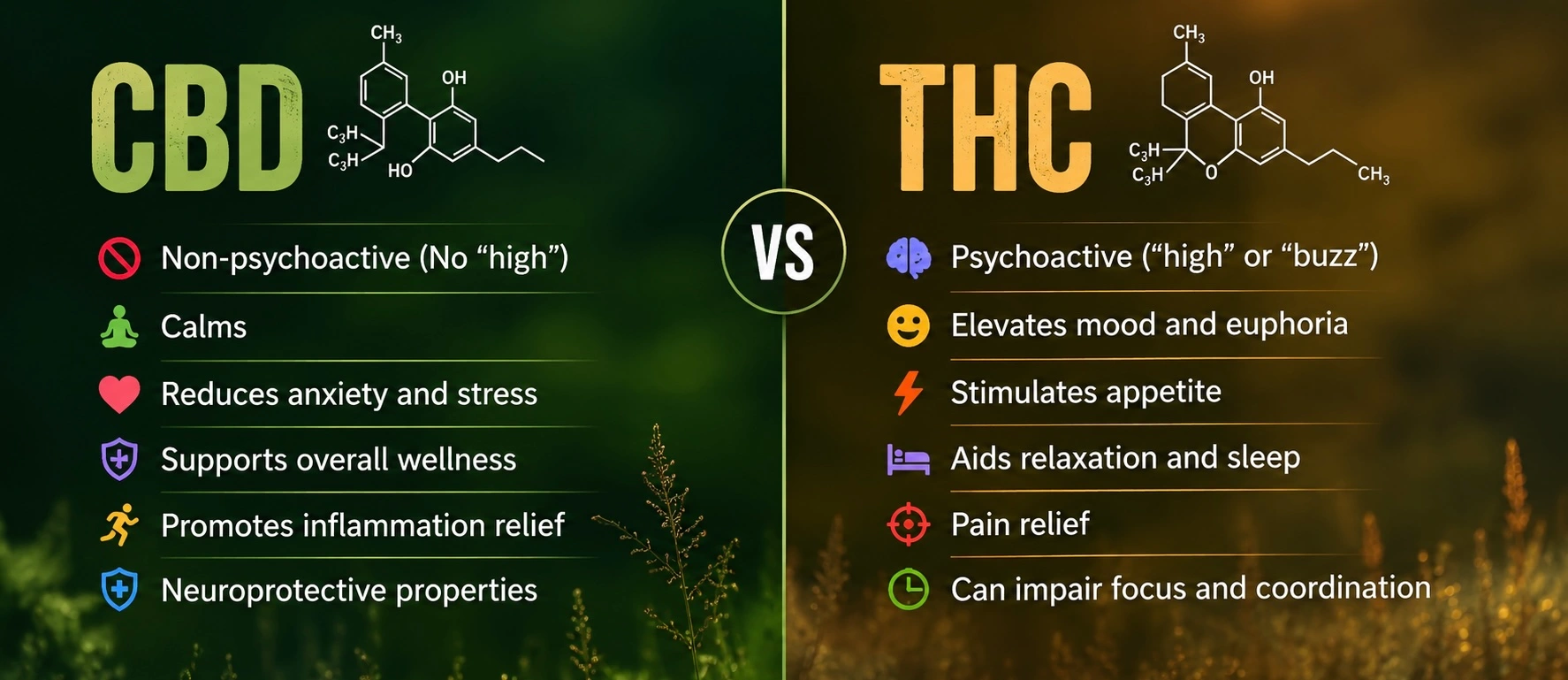
CBD, or cannabidiol, is a natural compound found in hemp plants. Unlike THC, CBD doesn’t cause any psychoactive effects, making it safe for daily use. CBD oil is created by extracting this compound and mixing it with a carrier oil.
Research shows that CBD has several properties that may benefit skin conditions. These include anti-inflammatory, antihistamine, and immunomodulatory effects. These properties make it particularly interesting for managing skin conditions like urticaria.
CBD works by interacting with your body’s endocannabinoid system. This system plays a role in regulating various bodily functions, including:
- Immune system responses
- Inflammation levels
- Skin cell production
- Pain and itch sensations
The skin actually contains cannabinoid receptors, which explains why topical CBD products can be effective for skin conditions.
How CBD Oil Works for Urticaria Relief
When you have urticaria, your immune system overreacts to certain triggers, causing inflammation and histamine release. This leads to the characteristic red, itchy welts on your skin.
CBD oil may help by addressing several aspects of this inflammatory response. First, it can help reduce inflammation by blocking certain inflammatory pathways. This may help decrease the size and severity of hives.
Second, CBD appears to have antihistamine properties. Histamine is the chemical responsible for many allergy symptoms, including the itching and swelling associated with hives. By reducing histamine activity, CBD may help minimize these uncomfortable symptoms.
Additionally, CBD can help regulate your immune system’s response. This is particularly important for people with chronic urticaria, where the immune system continues to overreact even without clear triggers.
The compound also interacts with nerve receptors involved in itch sensations, potentially providing direct relief from one of the most bothersome symptoms of urticaria.
Key Benefits of Using CBD Oil for Hives
CBD oil for urticaria offers several potential benefits that make it an attractive treatment option for many people. Here are the main advantages you might experience:
Reduces Inflammation and Swelling
CBD’s anti-inflammatory properties can help decrease the size and severity of hives. Many users report that their welts become less prominent and heal faster when using CBD oil regularly.
Provides Itch Relief
One of the most immediate benefits people notice is reduced itching. CBD interacts with receptors in your skin that control itch sensations, providing natural relief without the drowsiness associated with antihistamines.
Supports Better Sleep
Chronic itching often disrupts sleep patterns. By reducing itch and discomfort, CBD oil may help you get better rest, which is crucial for healing and overall well-being.
Gentle on Sensitive Skin
Unlike some harsh topical medications, quality CBD oil is generally well-tolerated by sensitive skin. It often contains moisturizing ingredients that can help improve your skin’s overall health.
May Reduce Frequency of Outbreaks
With regular use, some people find that their urticaria episodes become less frequent or severe. This may be due to CBD’s ability to help regulate immune system responses.
Natural Alternative
For those preferring natural treatments, CBD oil offers a plant-based option that doesn’t carry the same risks as some pharmaceutical options.
Proper Dosage Guidelines for CBD Oil
Finding the right dosage for CBD oil can take some experimentation, as the optimal amount varies from person to person. Several factors influence how much CBD you should use:
Factors Affecting Dosage
- Your body weight and metabolism
- The severity of your urticaria
- Your experience with CBD products
- The concentration of the CBD oil
- Whether you’re using topical or oral products
Starting Guidelines
For beginners, it’s best to start with a low dose and gradually increase until you find what works for you. Here’s a general approach:
For Topical Use:
- Start with a small amount (about the size of a rice grain)
- Apply to affected areas 2-3 times daily
- Increase the amount or frequency if needed after a week
For Oral Use:
- Begin with 5-10mg per day
- Take it at the same time each day
- Increase by 5mg weekly until you notice improvement
- Most people find relief with 20-40mg daily
Timing Your Doses
Consistency is key when using CBD for urticaria. Try to take or apply your CBD oil at the same times each day. Many people find that taking CBD in the evening helps with sleep quality and overnight healing.
How to Use CBD Oil for Urticaria Treatment
There are several ways to use CBD oil for urticaria, and you might find that combining methods gives you the best results. Here’s how to use each method effectively:
Topical Application
Topical CBD products are applied directly to affected skin areas. This method provides targeted relief and is often the first choice for skin conditions.
Step-by-step application:
- Clean the affected area gently with mild soap and water
- Pat the skin dry with a soft towel
- Apply a small amount of CBD oil or cream
- Gently massage it into the skin until absorbed
- Wash your hands thoroughly after application
Oral Administration
Taking CBD oil orally can provide systemic benefits that may help prevent future outbreaks and reduce overall inflammation.
How to take CBD oil orally:
- Place drops under your tongue and hold for 30-60 seconds
- Swallow slowly to ensure maximum absorption
- Take with or without food, but be consistent
- Keep a daily log to track your response
Combining Both Methods
Many people find the best results by using both topical and oral CBD. The topical application provides immediate, localized relief, while oral use offers longer-term systemic benefits.
Choosing the Right CBD Oil Product
Not all CBD oils are created equal, especially when it comes to treating skin conditions like urticaria. Here’s what to look for when selecting a product:
Quality Indicators
- Third-party lab testing results
- Organic hemp source
- CO2 extraction method
- Clear ingredient list
- Appropriate CBD concentration
For Urticaria Specifically
Look for products specifically formulated for skin conditions. CBDerm Oil from Cure By Design is designed specifically for various skin conditions including allergies and inflammatory skin issues.
Additional Beneficial Ingredients
Some CBD oils contain additional ingredients that may enhance their effectiveness for urticaria:
- Aloe vera for soothing properties
- Vitamin E for skin healing
- Essential oils with anti-inflammatory properties
- Natural moisturizers to prevent skin dryness
Avoid Harmful Additives
Stay away from products containing:
- Artificial fragrances
- Harsh preservatives
- Alcohol-based ingredients
- Unknown or untested compounds
Safety Considerations and Side Effects
While CBD oil is generally considered safe, it’s important to be aware of potential side effects and take appropriate precautions.
Common Side Effects
Most people tolerate CBD oil well, but some may experience:
- Mild skin irritation (with topical use)
- Dry mouth (with oral use)
- Drowsiness
- Changes in appetite
- Mild digestive upset
Who Should Be Cautious
Certain groups should consult healthcare providers before using CBD:
- Pregnant or breastfeeding women
- People taking prescription medications
- Those with liver conditions
- Individuals with severe allergies
Drug Interactions
CBD can interact with certain medications, particularly those metabolized by the liver. If you’re taking any medications, discuss CBD use with your healthcare provider.
Patch Testing
Before using any new topical CBD product, perform a patch test:
- Apply a small amount to an unaffected area of skin
- Wait 24-48 hours
- Check for any adverse reactions
- If no reaction occurs, the product is likely safe for broader use
What to Expect When Using CBD Oil
Understanding what to expect can help you use CBD oil more effectively and stick with your treatment plan long enough to see results.
Timeline for Results
Immediate effects (within hours):
- Reduced itching sensation
- Mild calming of inflamed skin
- Improved comfort levels
Short-term effects (within days):
- Decreased size of existing hives
- Faster healing of skin lesions
- Better sleep quality
Long-term effects (weeks to months):
- Reduced frequency of outbreaks
- Overall improvement in skin condition
- Better management of triggers
Factors That Influence Results
Several factors can affect how quickly and effectively you see results:
- Consistency of use
- Quality of the CBD product
- Severity of your condition
- Your individual body chemistry
- Other treatments you’re using
Keeping a Treatment Journal
Track your progress by noting:
- Daily symptom severity (scale of 1-10)
- CBD dosage and timing
- Trigger exposure
- Sleep quality
- Overall well-being
This information can help you optimize your treatment plan and identify patterns in your condition.
Frequently Asked Questions
Is CBD oil legal for treating urticaria?
Yes, CBD oil derived from hemp (containing less than 0.3% THC) is legal in most places. However, laws can vary, so check your local regulations.
Can I use CBD oil alongside other urticaria treatments?
Many people successfully combine CBD oil with other treatments. However, always consult with your healthcare provider before making changes to your treatment plan.
How long should I try CBD oil before deciding if it works?
Give CBD oil at least 4-6 weeks of consistent use before evaluating its effectiveness. Some people see improvements sooner, while others need more time.
Will CBD oil cure my urticaria?
CBD oil may help manage symptoms and reduce the frequency of outbreaks, but it’s not a cure. Urticaria is a complex condition that often requires ongoing management.
Can children use CBD oil for urticaria?
Consult with a pediatrician before giving CBD products to children. Dosing and safety considerations are different for young people.
Managing urticaria can be challenging, but CBD oil offers a natural approach that many people find helpful. The key is to choose quality products, start slowly, and be consistent with your use. Remember that everyone responds differently to treatments, so be patient as you find what works best for you.
If you’re interested in trying a CBD product specifically formulated for skin conditions, consider exploring Cure By Design’s range of CBD skincare products designed to address various skin concerns naturally and effectively.
Have you tried CBD oil for your urticaria? Share your experiences in the comments below to help others who might be considering this natural treatment option.