What is CBG? 10 Science Backed Facts About the Mother Cannabinoid

What is CBG cannabinoid?
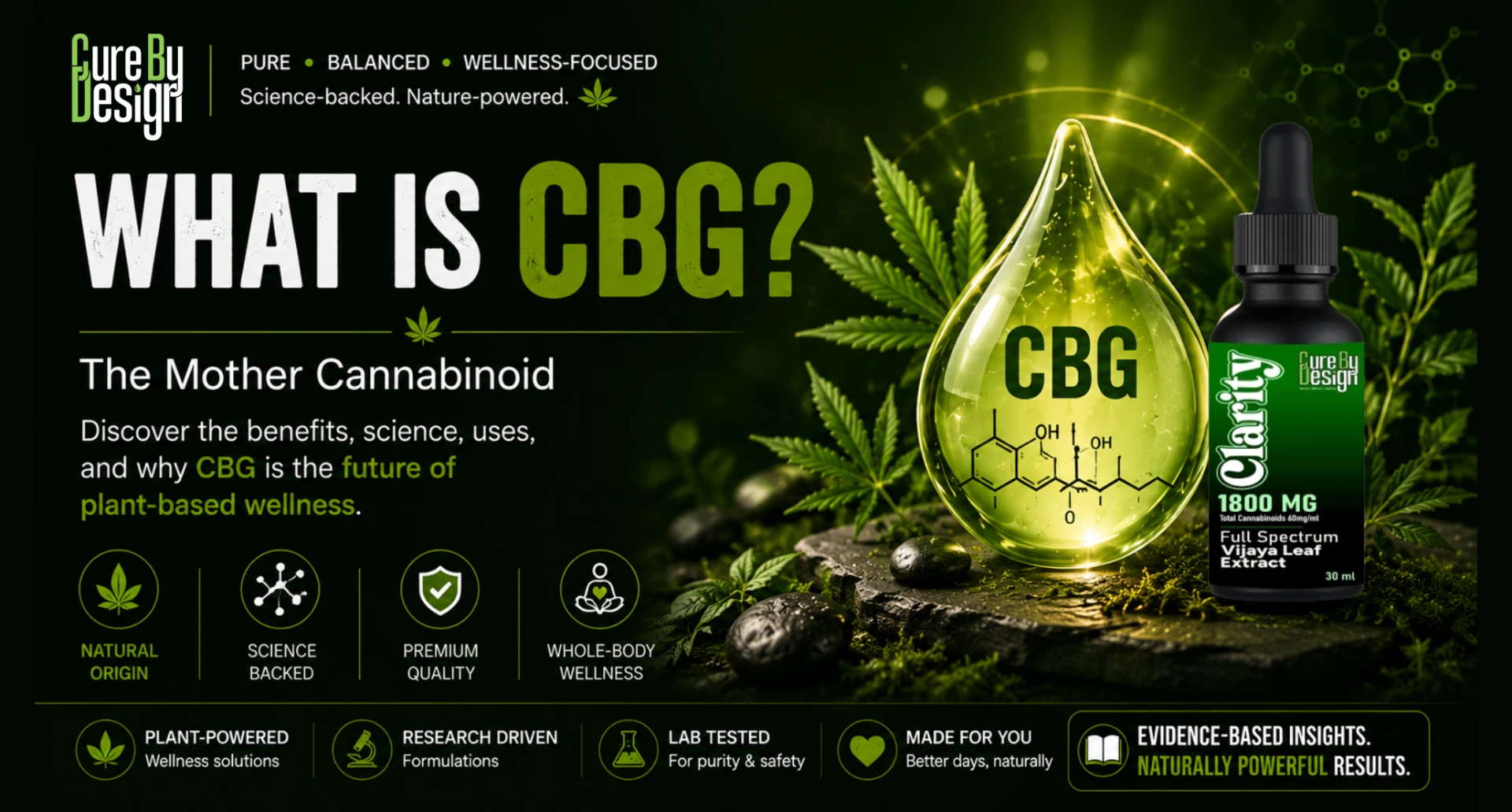
CBG (Cannabigerol) is a naturally occurring cannabinoid found in hemp and cannabis plants. Although it exists in much smaller amounts than CBD, it plays one of the most important roles in the plant’s lifecycle.
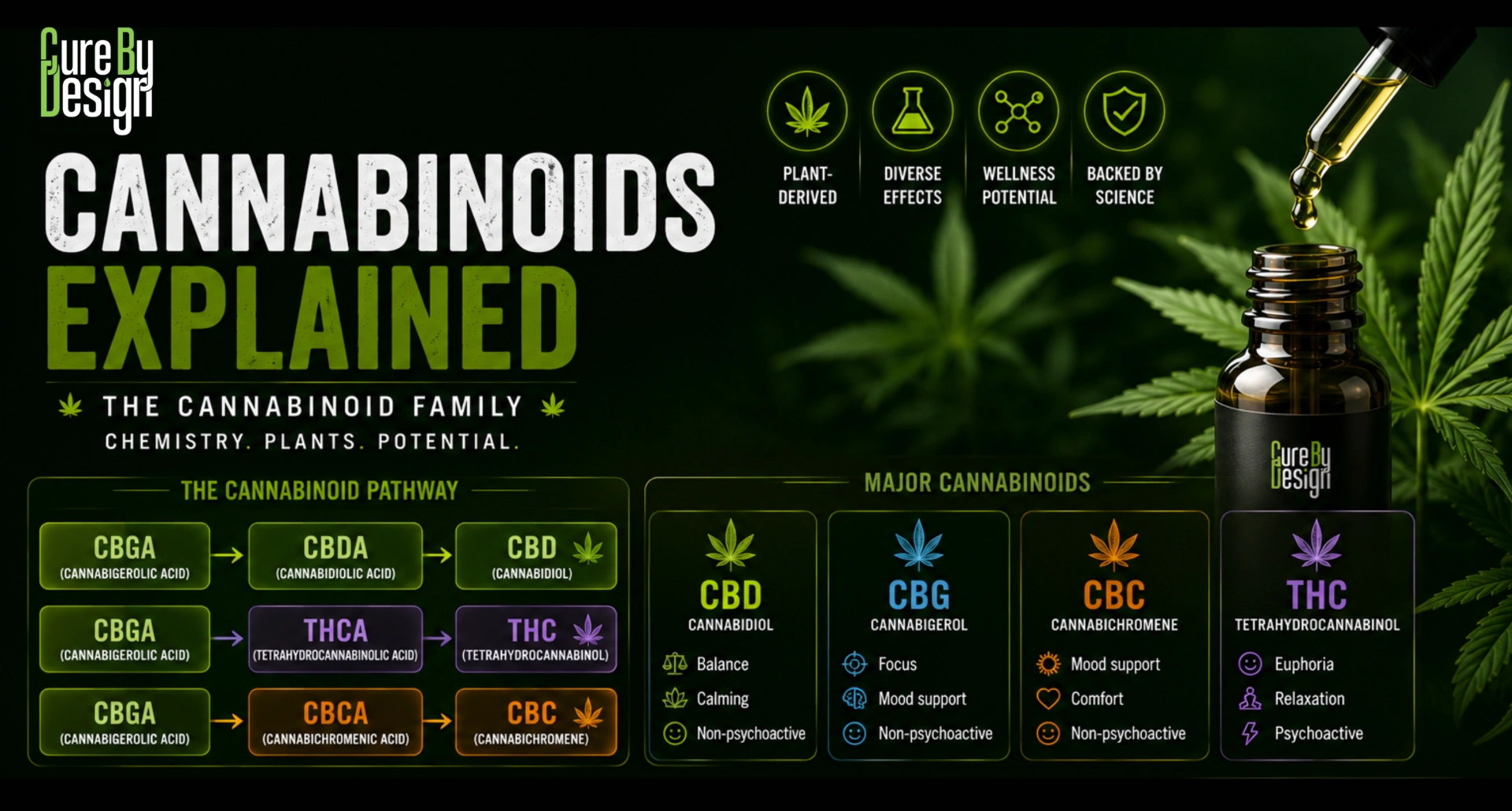
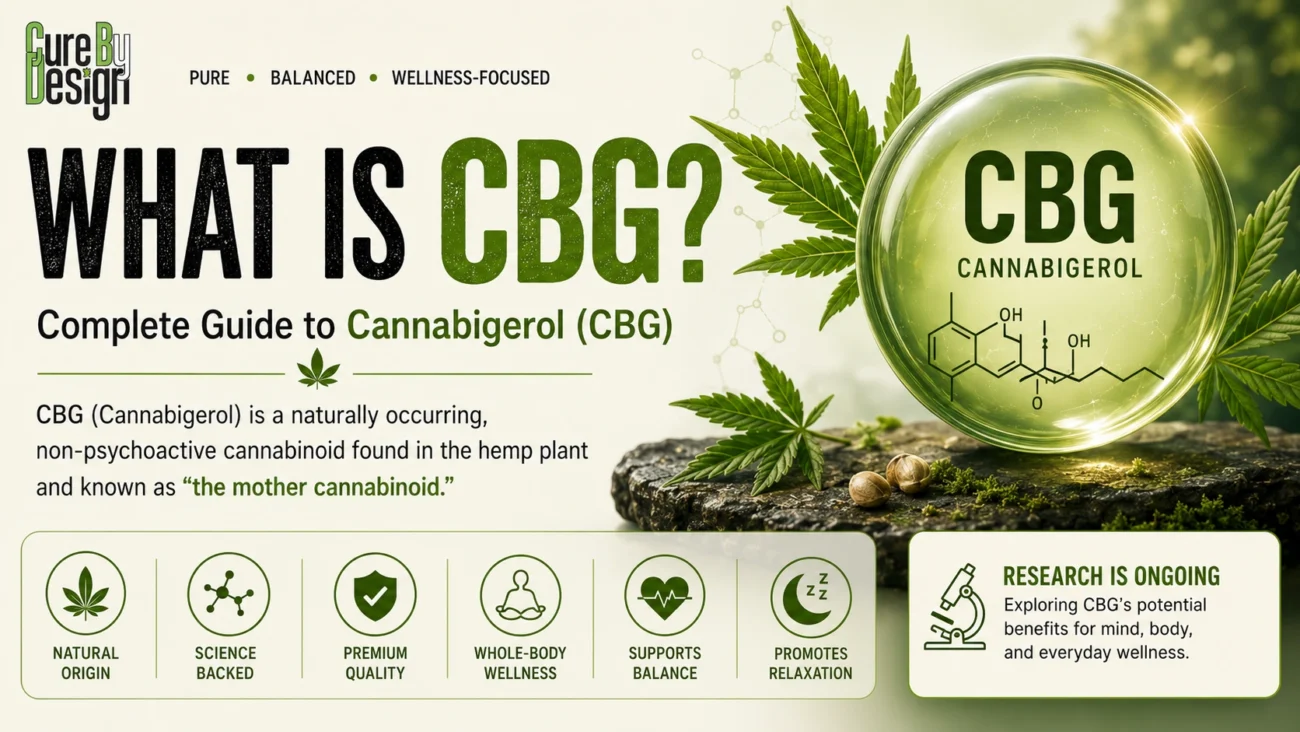
CBG is often called the Mother Cannabinoid because nearly every major cannabinoid begins its journey as CBGA (Cannabigerolic Acid), the acidic precursor of CBG.
As hemp plants mature, CBGA is converted into other cannabinoid acids such as:
- CBDA (which becomes CBD)
- THCA (which becomes THC)
- CBCA (which becomes CBC)
Without CBGA, the hemp plant would not naturally produce most of the cannabinoids we know today.
Because of this unique role, CBG has become one of the most scientifically interesting cannabinoids being researched today.
Quick Answer
CBG is a non intoxicating cannabinoid naturally found in hemp plants. It is known as the Mother Cannabinoid because it serves as the precursor from which CBD, THC, CBC and several other cannabinoids are produced.
Why is CBG Called the Mother Cannabinoid?
Every cannabinoid begins from one molecule:
CBGA (Cannabigerolic Acid)
Think of CBGA as the “parent molecule.”
Specialized enzymes inside the hemp plant convert CBGA into three major cannabinoid acids:
CBDA
↓
CBD
THCA
↓
THC
CBCA
↓
CBC
As this conversion happens, very little CBGA remains.
That remaining amount becomes CBG after natural decarboxylation.
This is why researchers refer to CBG as the Mother Cannabinoid.
The Cannabinoid Family Tree
The development process looks like this:
CBGA
↓
CBDA → CBD
↓
THCA → THC
↓
CBCA → CBC
Scientists estimate that more than 100 naturally occurring cannabinoids originate from similar biosynthetic pathways beginning with CBGA.
Where Does CBG Come From?
CBG is naturally produced inside hemp plants.
It is found in:
- Young hemp flowers
- Leaves
- Stems
- Trichomes
Young hemp plants contain the highest concentrations of CBGA.
As the plant matures, enzymes rapidly convert CBGA into other cannabinoids.
This is why mature hemp plants usually contain less than 1% CBG.
Why is CBG So Rare?
Unlike CBD, CBG does not remain abundant throughout the plant’s life.
Instead:
Young plant
↓
High CBGA
↓
Plant grows
↓
CBGA converts into CBD, THC and CBC
↓
Very little CBG remains
Because of this:
- CBG rich hemp varieties are harder to cultivate.
- Farmers need specialized genetics.
- Extraction yields are lower.
- Production costs are significantly higher.
This explains why CBG products are often more expensive than CBD products.
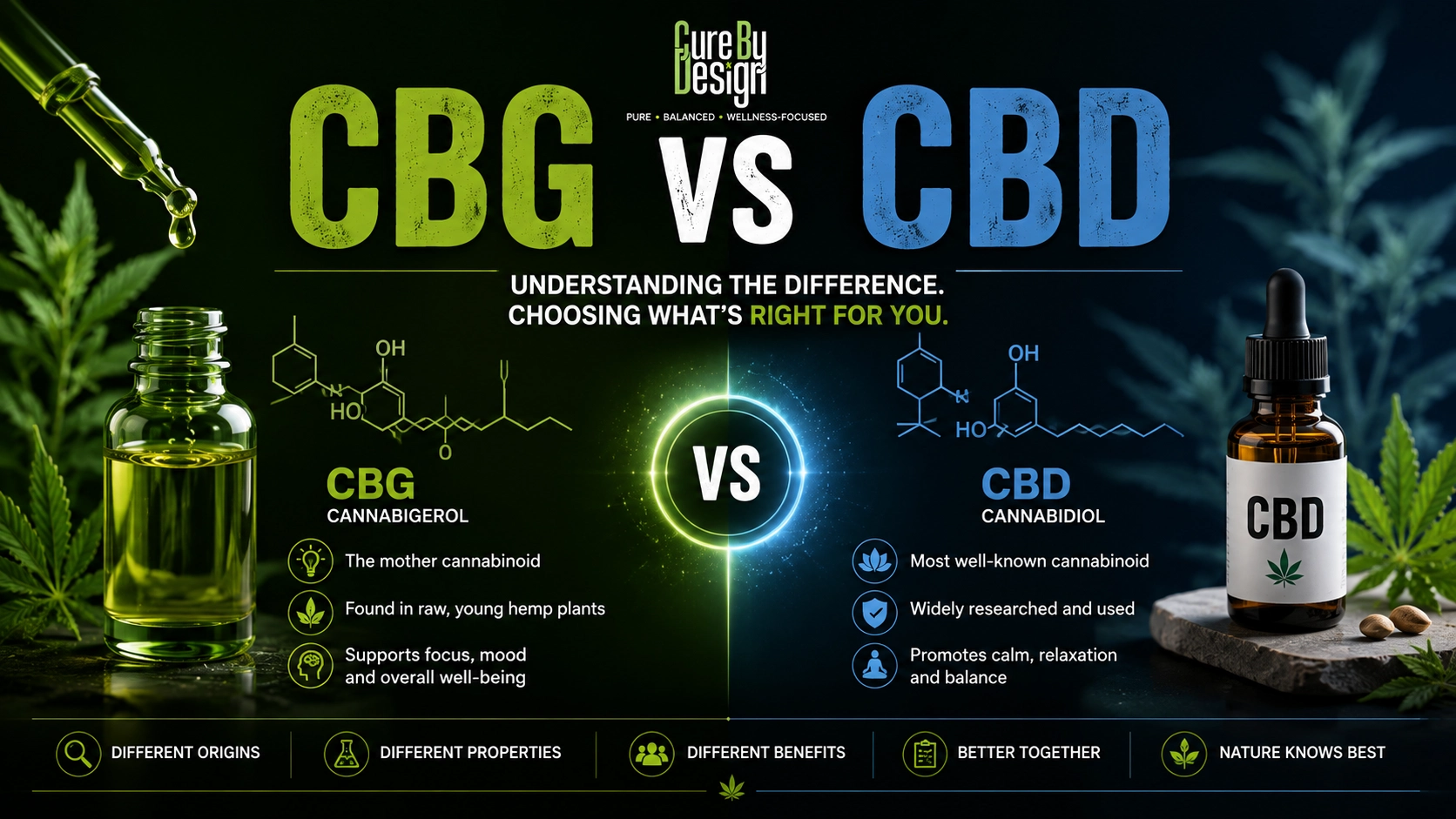
What Makes CBG Different from CBD?
Although both cannabinoids are non intoxicating, they differ in several important ways.
| CBG | CBD |
|---|---|
| Mother cannabinoid | Major cannabinoid |
| Naturally rare | Naturally abundant |
| Emerging research | Extensive research |
| Different receptor interactions | Mostly indirect ECS interaction |
| Usually premium priced | Widely available |
Neither cannabinoid causes the intoxicating effects associated with THC.
How Does CBG Work?
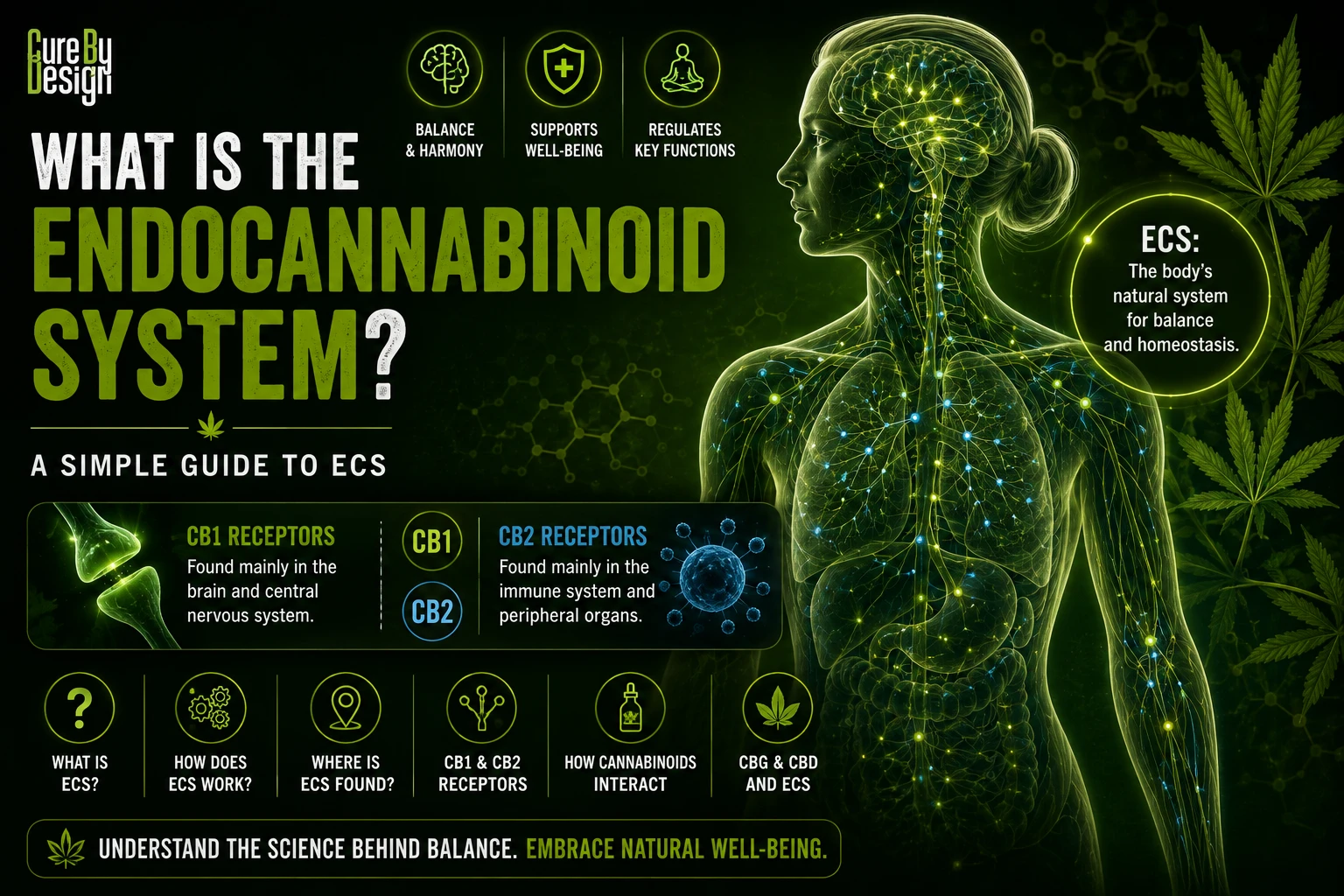
The human body contains an important biological network known as the Endocannabinoid System (ECS).
The ECS helps regulate balance throughout the body.
Researchers believe it influences:
- Sleep
- Mood
- Appetite
- Stress response
- Immune function
- Memory
- Pain perception
- Recovery
- Overall homeostasis
The ECS contains receptors known as:
CB1 Receptors
Primarily located in the brain and nervous system.
CB2 Receptors
Found mainly throughout immune cells and peripheral tissues.
Research suggests CBG may interact with these pathways differently than CBD, although scientists continue to investigate its exact mechanisms.
Potential Benefits of CBG
Current scientific research is ongoing. While no definitive therapeutic claims can be made, researchers are studying CBG for several potential applications.
1. Supports Endocannabinoid System Balance
CBG interacts with the ECS, the body’s natural regulatory system that helps maintain internal balance.
2. Daily Wellness Support
Many people include CBG in their wellness routines to complement healthy lifestyle habits.
3. Mental Focus
Unlike THC, CBG does not produce intoxication.
Some users report feeling mentally clear and focused, though more research is needed.
4. Neuroprotective Research
Scientists are exploring CBG’s potential interaction with neurological pathways and brain health.
5. Inflammatory Pathways
Researchers continue studying how CBG interacts with pathways involved in normal inflammatory responses.
6. Microbial Research
Several laboratory studies have investigated CBG’s interaction with certain bacteria and microbial systems.
7. Full Spectrum Wellness
CBG is commonly included in full spectrum hemp extracts because of the proposed Entourage Effect, where cannabinoids and terpenes may work together.
Is CBG Psychoactive?
No.
CBG is considered non intoxicating.
It does not produce the euphoric “high” commonly associated with THC.
This makes CBG attractive to individuals seeking cannabinoid support without intoxication.
Is CBG Legal?
The legality of CBG depends on local laws.
In many countries, hemp derived CBG products that comply with applicable THC limits may be legally available.
Consumers should always verify local regulations before purchasing cannabinoid products.
What is CBG Being Studied For?
Researchers continue investigating CBG’s potential role in:
- Brain health
- Nervous system function
- Endocannabinoid regulation
- Microbial balance
- Healthy inflammatory pathways
- Gut health
- Eye health
- Appetite regulation
- Neuroprotection
- General wellness
Most of these studies remain in the laboratory or early clinical stages.
Further human clinical trials are needed.
CBG vs CBD
Although both cannabinoids come from hemp, they have different characteristics.
CBG
- Naturally rare
- Mother cannabinoid
- Emerging scientific research
- More direct receptor activity under investigation
CBD
- Most abundant cannabinoid
- Most widely studied
- Extremely popular worldwide
- Generally interacts indirectly with the ECS
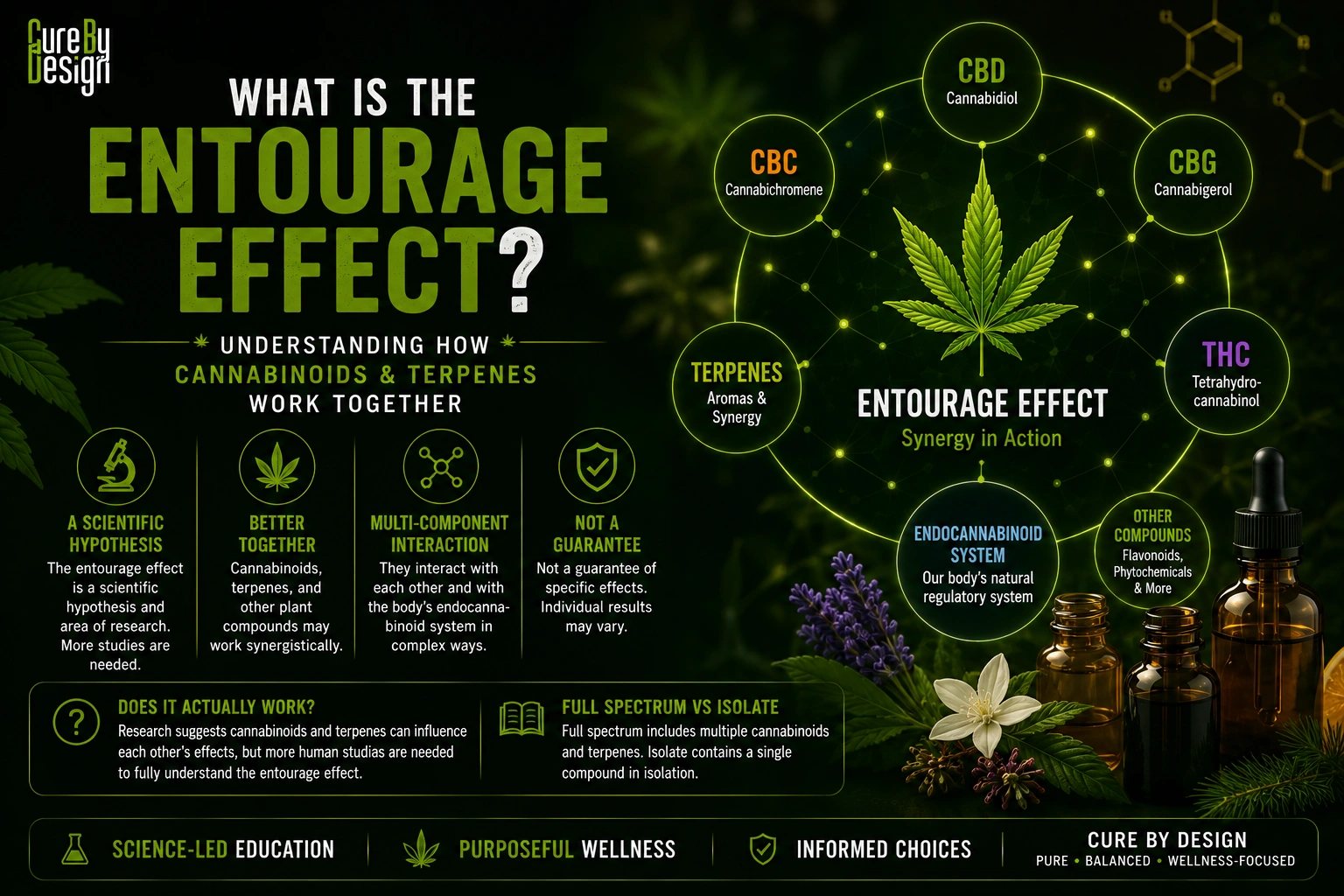
Many premium full spectrum hemp extracts contain both cannabinoids.
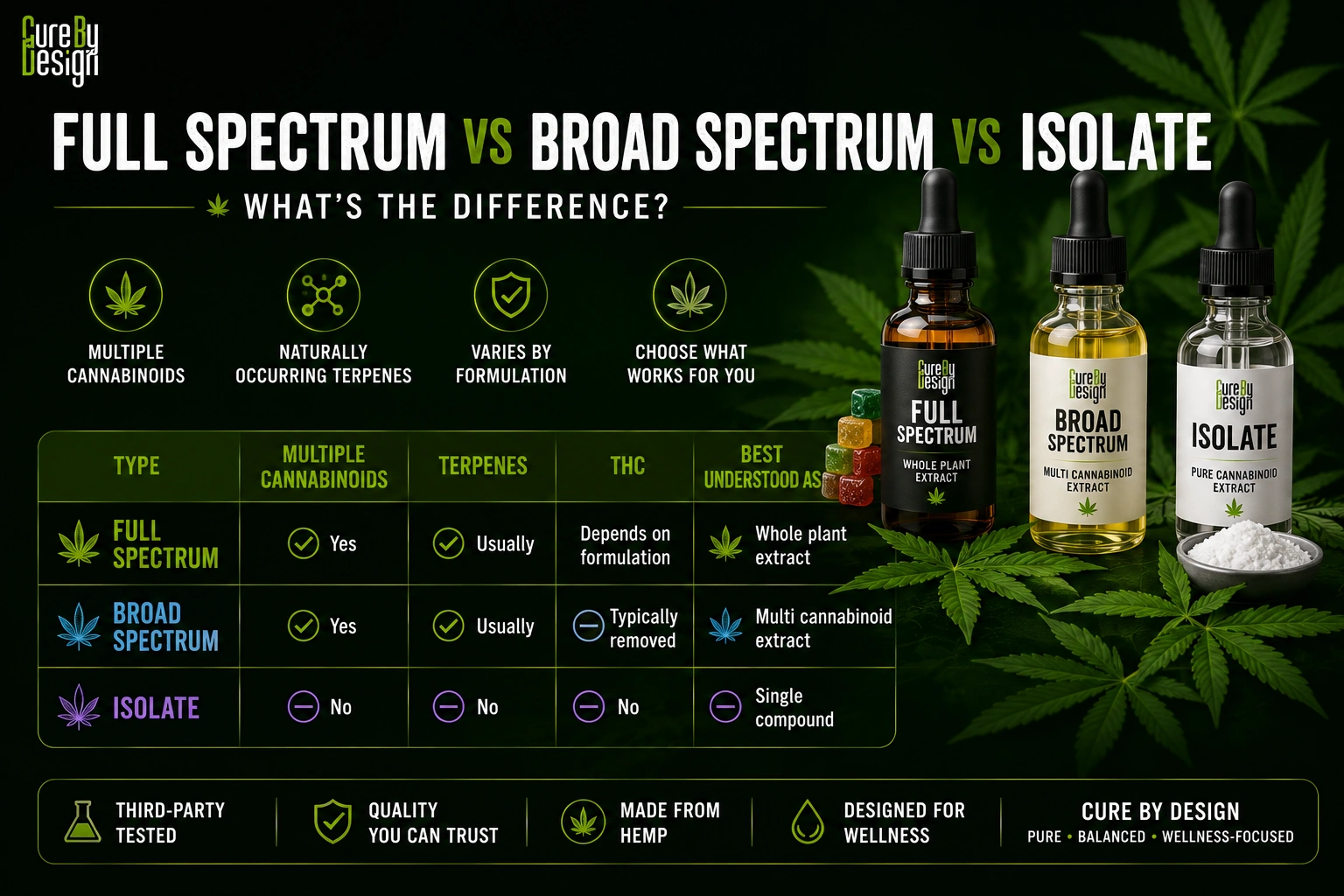
Why Full Spectrum Matters
Full spectrum hemp extracts contain multiple naturally occurring compounds including:
- CBD
- CBG
- CBC
- Minor cannabinoids
- Terpenes
- Flavonoids
Researchers continue studying the Entourage Effect, a theory suggesting these compounds may work together synergistically.
Who Might Be Interested in CBG?
People interested in CBG often include:
- Wellness enthusiasts
- Individuals exploring cannabinoids beyond CBD
- Professionals seeking non intoxicating cannabinoid options
- Those interested in full spectrum hemp extracts
- Consumers following the latest cannabinoid research
Individual experiences vary.
Is Research on CBG Complete?
No.
CBG remains one of the newest areas of cannabinoid science.
While early findings are promising, researchers agree that additional human clinical studies are required to fully understand its safety profile, effectiveness, dosage, and long term applications.
Conclusion
CBG represents one of the most fascinating discoveries in cannabinoid science.
Its role as the Mother Cannabinoid makes it unique among hemp compounds because it serves as the biological starting point for many other cannabinoids.
Although naturally rare, CBG has attracted significant attention due to its interaction with the Endocannabinoid System and its expanding body of scientific research.
As cannabinoid science continues to evolve, CBG is expected to play an increasingly important role in the future of plant based wellness and hemp research.
Frequently Asked Questions (FAQ)
What does CBG stand for?
CBG stands for Cannabigerol, a naturally occurring cannabinoid found in hemp and cannabis plants.
Why is CBG called the Mother Cannabinoid?
Because it originates from CBGA, the precursor molecule that gives rise to CBD, THC, CBC, and many other cannabinoids.
Does CBG get you high?
No. CBG is non intoxicating and does not produce the psychoactive effects associated with THC.
Is CBG the same as CBD?
No. Although both are cannabinoids, they have different chemical structures, biological interactions, and research profiles.
Why is CBG more expensive?
CBG occurs naturally in very small amounts within mature hemp plants, making cultivation and extraction more difficult and costly.
Is CBG legal?
Legality varies depending on local laws and regulations. Always check the rules applicable in your region before purchasing hemp derived cannabinoid products.
How does CBG work?
Researchers believe CBG interacts with the Endocannabinoid System, which helps regulate balance throughout the body.
Can CBG and CBD be used together?
Many full spectrum hemp extracts naturally contain both cannabinoids, and researchers continue studying their combined interactions.
Is CBG naturally found in hemp?
Yes. CBG is naturally produced by hemp plants, although it is usually present in much lower concentrations than CBD.
Is research on CBG complete?
No. Current evidence is encouraging, but larger human clinical trials are needed to better understand CBG’s long term effects and potential applications.
People Also Ask
What is CBG used for?
CBG is primarily being researched for its potential role in supporting the endocannabinoid system, neurological pathways, inflammatory responses, microbial balance, and overall wellness. More human clinical research is needed.
Is CBG stronger than CBD?
CBG and CBD are different cannabinoids with distinct biological interactions. One is not necessarily stronger than the other; they serve different roles and are being studied for different potential effects.
Can you take CBG every day?
Daily use depends on the specific product, individual health considerations, and guidance from a qualified healthcare professional. Follow the manufacturer’s instructions and consult a healthcare provider if you have medical conditions or take medications.
Why is CBG called the Mother Cannabinoid?
CBG is called the Mother Cannabinoid because its precursor, CBGA, is converted into CBD, THC, CBC, and several other cannabinoids during the hemp plant’s growth.
Is CBG safe?
Current research suggests CBG is generally well tolerated in early studies, but comprehensive human clinical evidence is still limited. More research is needed to fully establish its long term safety profile.