

Blog
Hemp Yarn Explained: Uses, Varieties, and Market Insights

Hemp yarn is a unique fiber sourced from the stalks of the Cannabis sativa plant, which boasts impressive strength and durability. The production process, involving several steps like retting and spinning, has evolved over thousands of years, reflecting its ancient use in textiles and ropes. Nowadays, there’s a growing interest in hemp yarn due to its eco-friendly properties; it requires little water and no pesticides for cultivation. Varieties range from 100% hemp to soft blended options suitable for clothing or home textiles. Market trends indicate significant growth fueled by sustainable fashion movements, making hemp a compelling choice for both consumers and manufacturers alike.
Table of Contents
- What is Hemp Yarn?
- Historical Context of Hemp Yarn
- Key Properties of Hemp Yarn
- Varieties of Hemp Yarn
- Applications and Uses of Hemp Yarn
- Market Insights on Hemp Yarn
- Environmental Impact of Hemp Yarn
- Certifications and Standards for Hemp Yarn
- Future Trends in Hemp Yarn
- Frequently Asked Questions
1. What is Hemp Yarn?
Hemp yarn is a natural fiber made from the stalks of the Cannabis sativa plant. It is recognized for its remarkable strength and durability, making it increasingly popular in the textile industry. The yarn is available in various weights and thicknesses, offering versatility for a multitude of applications. One of its appealing characteristics is the ease with which it can be dyed, allowing artisans and manufacturers to create a wide range of colors and designs. As a sustainable choice, hemp yarn is gaining traction among eco-conscious crafters and brands. Unlike synthetic alternatives, it is biodegradable and environmentally friendly, contributing to a smaller ecological footprint. Hemp yarn can be used in both hand and machine knitting, and its properties can be enhanced when blended with other fibers, making it suitable for an even broader array of products. Additionally, hemp yarn is often promoted as a healthier option because of its natural origins, aligning with the growing demand for sustainable materials.
2. Historical Context of Hemp Yarn
Hemp yarn has a rich history that stretches back over 10,000 years, with its earliest uses documented in ancient China. The strength and versatility of hemp made it a favored material for textiles, ropes, and sails in various cultures around the world. Long before cotton gained popularity, hemp was a primary fiber in Europe and Asia, serving as a cornerstone for clothing and other goods. However, the landscape changed dramatically in the 20th century when the prohibition of cannabis in the 1930s led to a significant decline in hemp cultivation and yarn production. This decline overshadowed hemp’s potential, relegating it to a lesser-known status in the textile world. In recent decades, a growing awareness of sustainability has sparked a resurgence in interest for hemp yarn. Artisans and designers are now rediscovering this eco-friendly option, viewing it as a sustainable alternative to synthetic fibers. In many societies, hemp carries cultural significance, symbolizing sustainability and natural living. Today, as attitudes shift towards embracing natural fibers, hemp yarn is being reintroduced as a viable and beneficial material in modern textiles.
3. Key Properties of Hemp Yarn
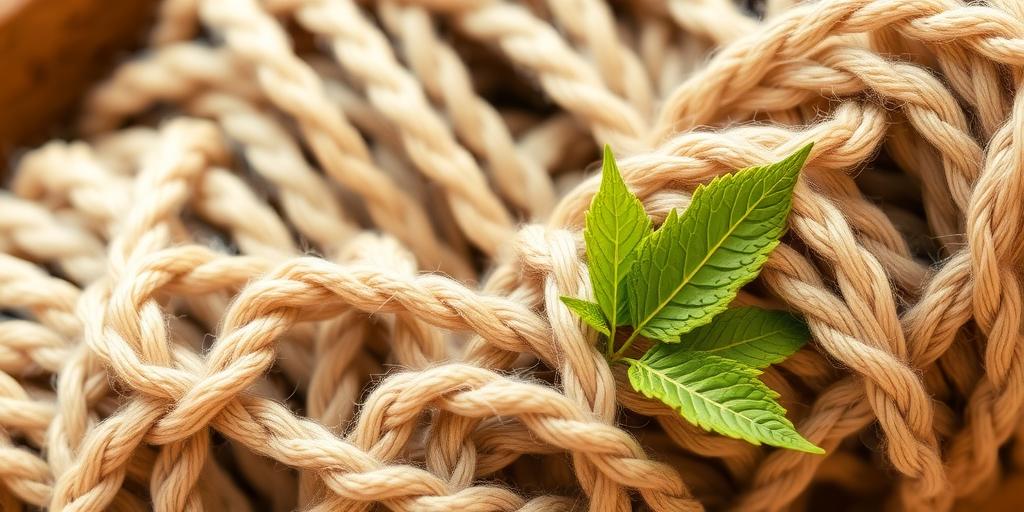
Hemp yarn boasts several remarkable properties that make it a preferred choice for many crafters and manufacturers. One of its standout features is its exceptional tensile strength, which is three to eight times stronger than cotton. This strength makes it ideal for tough applications, such as industrial textiles and durable apparel. Additionally, hemp yarn is highly breathable due to its natural hollow fibers, allowing for excellent moisture regulation and temperature control, which is especially beneficial in various climates.
Another noteworthy quality of hemp yarn is its natural resistance to UV light, which helps prolong the life of products made from it, making it suitable for outdoor gear and apparel. It also has hypoallergenic properties, making it a safe option for those with sensitive skin. Moreover, hemp yarn is less likely to mildew compared to other natural fibers, enhancing its durability and making it suitable for items like towels and bedding.
As a bonus, hemp yarn becomes softer with each wash, improving comfort over time, which is a significant advantage for garments and home textiles. Its natural insulating properties can keep users warm in cooler temperatures, adding to its versatility. Available in various textures, from coarse to soft, hemp yarn can cater to different crafting needs, while its ability to be spun into different thicknesses allows for a wide range of creative applications. Lastly, the eco-friendly nature of hemp yarn, requiring minimal water and no pesticides during production, adds to its appeal in today’s environmentally conscious market.
4. Varieties of Hemp Yarn
Hemp yarn comes in various types, each offering unique characteristics suited for different applications. First, there is 100% hemp yarn, which is known for its strength and durability, making it ideal for industrial uses, though it can feel rough against the skin. For those looking for something softer, cottonised hemp yarn is treated to achieve a gentler texture, making it more suitable for clothing and apparel. Additionally, blended yarns, which combine hemp with other fibers like cotton, wool, or even silk, enhance the softness and versatility of the yarn, appealing to a broader range of projects.
The spinning method also plays a crucial role in the yarn’s characteristics. For example, ring-spun yarn tends to be smoother and stronger, while hand-spun yarn can have a more rustic feel, adding charm to handmade items. Specialty yarns, such as those that are dyed or patterned, attract crafters and designers looking to create unique pieces.
Hemp yarn is available in various weights, from bulky for thick sweaters to lace for delicate shawls, catering to diverse crafting needs. Eco-conscious consumers may prefer organic hemp yarn, produced without pesticides or chemicals, or even recycled hemp options that promote sustainability. Some manufacturers offer pre-spun yarns, saving time for busy crafters. Lastly, hemp blends with luxurious materials like bamboo or silk can create stunning textures, perfect for high-end applications.
| Variety | Description | Uses |
|---|---|---|
| 100% Hemp Yarn | Coarse and strong, suitable for industrial applications. | Ropes, tarps, and durable goods. |
| Cottonised Hemp Yarn | Processed for softness, making it suitable for apparel. | Shirts, dresses, and other clothing items. |
| Blended Yarn | Combination of hemp with fibers like cotton and wool. | Apparel and home textiles for improved softness. |
| Ring-Spun Yarn | Yarn created by a process that uses a ring spinning frame. | Casual wear and accessories. |
| Wet-Spun Yarn | A method that creates a smoother texture for the yarn. | High-end textile applications. |
| Hand-Spun Yarn | Crafted by artisans for a unique texture. | Artisanal crafts and bespoke fashion. |
| Organic Hemp Yarn | Produced without synthetic pesticides or chemicals. | Eco-friendly fashion and home goods. |
| Recycled Hemp Yarn | Made from reclaimed hemp materials. | Sustainable fashion and accessories. |
| Pre-Spun Yarn | Ready-to-use yarn for convenience. | Quick projects and crafting. |
| Hemp Blends | Combines hemp with luxury fibers like silk and bamboo. | High-end textiles and specialty products. |
5. Applications and Uses of Hemp Yarn
Hemp yarn is making its mark across various industries, showcasing its versatility and eco-friendliness. In the apparel sector, it is increasingly favored for items like shirts, jeans, and sustainable fashion pieces, where its strength and comfort shine. Home textiles also benefit greatly from hemp’s remarkable properties; towels, bedding, and curtains made from hemp yarn offer durability and efficient moisture-wicking, making them ideal for everyday use.
On the industrial front, hemp yarn is a go-to choice for producing robust ropes, tarps, and technical fabrics, where strength is a must. Craft enthusiasts have embraced hemp yarn for knitting, crocheting, and macramé, appreciating its flexibility and natural texture. It is also finding a place in eco-friendly packaging and reusable products, contributing to a more sustainable lifestyle.
For outdoor gear, hemp’s weather-resistant qualities make it suitable for accessories and equipment designed to withstand the elements. Additionally, hemp yarn is being used in upholstery, providing a sustainable alternative for furniture makers. Artisans are reviving traditional crafts with hemp, blending history with modern creativity. It is even gaining traction in the pet product market, with durable leashes and toys appealing to pet owners who prioritize sustainability.
- Hemp yarn is popular in the apparel industry, used for shirts, jeans, and sustainable fashion items.
- Home textiles like towels, bedding, and curtains benefit from hemp’s durability and moisture-wicking properties.
- Industrial applications include ropes, tarps, and technical fabrics that require strength.
- Craft enthusiasts use hemp yarn for knitting, crocheting, and macramé due to its versatility.
- Hemp yarn is increasingly featured in eco-friendly packaging materials and reusable products.
- It is suitable for outdoor gear and accessories due to its weather-resistant properties.
- Hemp yarn can be used in upholstery, providing a sustainable option for furniture.
- Artisans are using hemp yarn in traditional crafts, reviving historical techniques.
- The yarn is used in eco-conscious DIY projects, promoting sustainable living.
- Hemp yarn is gaining popularity in pet products, such as leashes and toys, due to its durability.
6. Market Insights on Hemp Yarn
The global market for hemp yarn is expanding rapidly, driven by a growing demand for sustainable textiles. Countries like China, France, and India are major players in hemp production, with China leading the way. Prices for hemp yarn can differ significantly based on production methods and whether they have organic certification. This variation is opening doors for small-scale producers and boutique brands that prioritize quality over quantity. As the fashion industry shifts towards eco-friendly materials, hemp is gaining traction, with more brands incorporating it into their collections. Online platforms are enhancing accessibility for consumers, making it easier to purchase hemp yarn. Trade shows and expos have become vital for showcasing innovations in hemp yarn and textiles, further fueling market interest. Increased consumer awareness about the benefits of hemp is driving demand in both retail and wholesale markets. Moreover, partnerships between hemp growers and manufacturers are strengthening the supply chain, ensuring a more robust market presence.
7. Environmental Impact of Hemp Yarn
Hemp yarn stands out for its low environmental impact, making it an appealing choice for eco-conscious consumers. This resilient crop requires significantly less water than cotton, thriving in various climates without needing excessive irrigation. Not only does it help replenish soil nutrients, but its cultivation also supports sustainable farming practices through crop rotation. Furthermore, hemp absorbs carbon dioxide during its growth cycle, positioning it as a carbon-negative option.
The environmental benefits extend to its cultivation, which demands fewer pesticides and fertilizers. This reduction in chemicals leads to less runoff, protecting nearby ecosystems. Additionally, hemp yarn is fully biodegradable, aligning with zero-waste initiatives and reducing landfill contributions. By opting for hemp, consumers can decrease reliance on synthetic fibers that are derived from petroleum, thus supporting a cleaner environment.
Ethical sourcing practices associated with hemp also promote local economies and sustainable farming, further enhancing its positive impact. The cultivation of hemp contributes to biodiversity, offering habitats for various species. As awareness of these benefits grows, the fashion industry increasingly recognizes hemp yarn’s potential to foster sustainability. Moreover, hemp yarn production supports sustainable forestry by alleviating pressure on trees, showcasing its multifaceted role in environmental stewardship.
8. Certifications and Standards for Hemp Yarn
Certifications play a crucial role in the hemp yarn market, assuring consumers about the quality and sustainability of the products they purchase. The Global Organic Textile Standard (GOTS) is one of the most recognized certifications, ensuring that hemp yarn is produced organically and under socially responsible conditions. Another important certification is OEKO-TEX, which guarantees that the yarn is free from harmful chemicals, making it safe for consumers and the environment.
In the United States, USDA Organic certification is vital as it confirms that the hemp is cultivated without synthetic pesticides or fertilizers, promoting healthier farming practices. Additionally, Fair Trade certification can be applied to hemp products, ensuring that workers are paid fair wages and treated ethically throughout the supply chain.
Sustainability certifications are increasingly important as they help consumers identify products that are environmentally friendly. Certification standards often require transparency in sourcing and production processes, enhancing trust and brand reputation.
As the demand for eco-conscious products rises, manufacturers are actively seeking these certifications to appeal to consumers who prioritize sustainability. The presence of certifications can significantly influence purchasing decisions in the market, as more buyers seek assurance that their choices are both ethical and sustainable.
Moreover, certification standards are evolving, reflecting a growing awareness of sustainability issues and the importance of responsible production practices.
9. Future Trends in Hemp Yarn
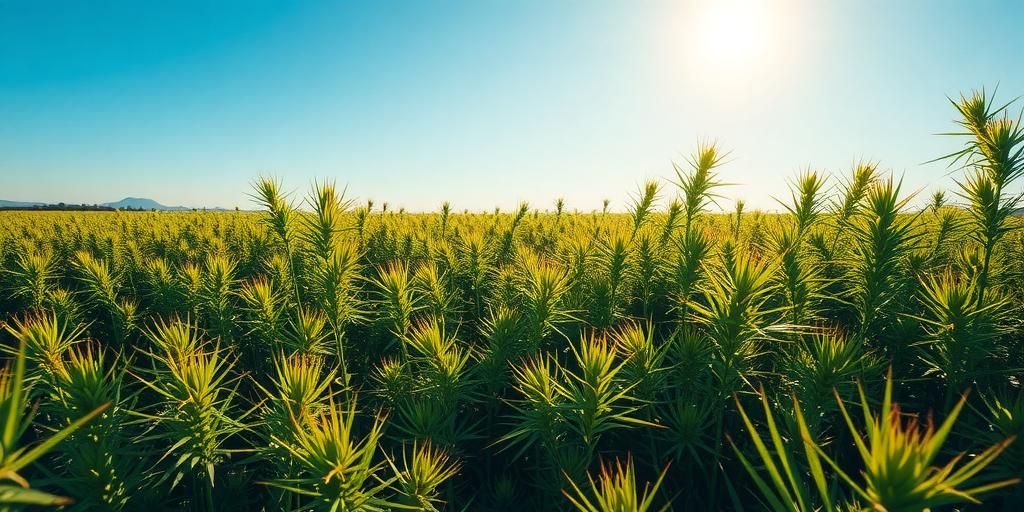
The future of hemp yarn looks bright as the sustainable fashion movement continues to gain momentum. Consumers are increasingly drawn to eco-friendly and ethical products, which fuels demand for hemp yarn across various markets. Technological advancements are also playing a crucial role, making hemp yarn softer and more appealing to a wider audience. Innovations in processing techniques are transforming the texture and usability, making it suitable for everything from casual wear to luxury fashion. Additionally, ongoing research into the benefits of hemp is opening doors to new applications in textiles.
Blockchain technology is emerging as a solution for ensuring traceability in the hemp supply chain, enhancing transparency for consumers who prioritize ethical sourcing. Collaborations between designers and hemp producers are fostering creativity and innovation, leading to unique products that highlight the versatility of hemp. With eco-friendly brands on the rise, the market for hemp yarn is expanding, and its recognition in luxury fashion is attracting high-end consumers. Social media is amplifying interest among younger audiences, further driving the momentum. As more industries explore the potential of hemp, the outlook for hemp yarn remains promising.
Frequently Asked Questions
What are the main uses of hemp yarn?
Hemp yarn is popular for a variety of projects, including knitting clothes, making bags, and crafting home decor. It’s strong and durable, making it great for items that need to last.
What varieties of hemp yarn are available?
Hemp yarn comes in different weights and textures. You can find it in smooth and coarse forms, as well as in various colors, giving you choices for different projects.
Is hemp yarn eco-friendly?
Yes, hemp yarn is considered eco-friendly. The hemp plant requires less water and no pesticides to grow, making it a sustainable choice for environmentally conscious crafters.
How does hemp yarn compare to other types of yarn?
Hemp yarn is stronger and more durable than many other yarns, like cotton or acrylic. However, it can be less stretchy, so it is sometimes mixed with other fibers to improve comfort.
What should I know about the market for hemp yarn?
The market for hemp yarn is growing, driven by a rise in interest for sustainable and natural materials. Many crafters and designers are exploring its benefits, leading to more availability and options.
TL;DR Hemp yarn is a strong, durable, and sustainable fiber made from the Cannabis sativa plant, with a history dating back over 10,000 years. It boasts properties like breathability and antimicrobial resistance, making it ideal for apparel, home textiles, and industrial use. There are various types, including 100% hemp, cottonized hemp, and blends. The market is growing rapidly due to increasing demand for sustainable materials, with key producers being China, France, and the USA. Hemp yarn is environmentally friendly, biodegradable, and has numerous certifications to ensure quality. Looking ahead, the demand for hemp yarn is set to rise, driven by the sustainable fashion movement and advances in processing technology.