
Exploring the Future of Hemp Farming in the United States

The future of hemp farming in the United States looks promising yet complicated. Following significant legislative changes, like the 2018 Farm Bill that expanded hemp’s legal landscape, the market has surged rapidly, with potential growth reaching into billions by 2030. However, upcoming measures in the 2023 Farm Bill are crucial for defining regulations around THC levels and CBD products. Environmental benefits of hemp cannot be overlooked either; it sequesters carbon effectively and promotes soil health. Yet challenges remain regarding market volatility and regulatory clarity. As advocates work towards social equity in farming practices, a resilient industry may emerge if these hurdles are addressed smartly.
Table of Contents
- Legislative Changes Shaping Hemp Farming
- Overview of the 2014 and 2018 Farm Bills
- Details of the 2023 Farm Bill Impact
- Environmental Advantages of Hemp Cultivation
- Challenges Facing the Hemp Industry
- Promoting Social Equity in Hemp Farming
- Future Outlook for Hemp Farming in the U.S.
- Frequently Asked Questions
Legislative Changes Shaping Hemp Farming
The legislative landscape for hemp farming in the United States has undergone remarkable changes in recent years. The 2014 Farm Bill was a significant milestone, establishing a legal definition for hemp as cannabis with less than 0.3% THC, which set the stage for a new agricultural sector. Following that, the 2018 Farm Bill expanded on this foundation, allowing states to devise their own plans for hemp production, leading to a rapid expansion of the industry. This legal clarity has helped differentiate hemp from marijuana in the eyes of law enforcement and farmers alike, reinforcing farmer rights and fostering a more supportive environment for cultivation.
However, the situation is not without its complexities. States have adopted varying regulations concerning hemp, resulting in a patchwork of laws that can confuse farmers trying to navigate the market. The U.S. Department of Agriculture (USDA) plays a crucial role in overseeing hemp farming, ensuring compliance with federal guidelines, and providing essential support to farmers.
Looking ahead, the anticipated 2023 Farm Bill is expected to address several pressing issues, including potential adjustments to THC limits and clearer regulations surrounding CBD products. Advocacy groups are actively promoting these changes, pushing for fair regulations and access to resources for all farmers, particularly those from marginalized communities. This focus on social equity highlights a growing recognition of historical injustices in agriculture and the need for inclusive policies that empower all farmers.
Overall, the ongoing legislative efforts signify a dynamic future for hemp farming in the U.S., one that is likely to continue evolving as acceptance of hemp as a legitimate agricultural product grows.
- The 2014 Farm Bill established a legal framework for hemp, defining it as cannabis with less than 0.3% THC.
- The 2018 Farm Bill further legalized hemp, allowing states to create their own plans for hemp production.
- Legal definitions in these bills have helped differentiate hemp from marijuana, impacting law enforcement and farmer rights.
- States have varying regulations on hemp, leading to a patchwork of laws across the country that can confuse farmers.
- The USDA plays a key role in regulating hemp, overseeing production and ensuring compliance with federal guidelines.
- The 2023 Farm Bill is anticipated to make additional changes, potentially altering THC limits and introducing new regulations.
- Legislative changes reflect a growing acceptance of hemp as a legitimate agricultural product.
- Historical injustices are being addressed through legislation aimed at supporting marginalized farmers.
- Advocacy groups are actively pushing for fair regulations and access to resources for all hemp farmers.
- Ongoing legislative efforts indicate a dynamic future for hemp farming in the U.S.
Overview of the 2014 and 2018 Farm Bills
The 2014 Farm Bill was a landmark piece of legislation for hemp farming in the United States, marking the first significant federal step toward legalizing hemp cultivation. It introduced the legal definition of hemp, distinguishing it from marijuana by setting a THC threshold of 0.3%. This bill allowed for limited research and pilot programs, enabling states to develop their own approaches to hemp cultivation through state-level pilot programs and research grants. The groundwork laid by the 2014 bill set the stage for broader acceptance of hemp in the U.S. agricultural landscape.
The 2018 Farm Bill built upon this foundation, removing hemp from the list of controlled substances and allowing for commercial production across the country. This was a game-changer, providing a clearer regulatory framework for hemp and hemp-derived products, such as CBD. The 2018 bill also recognized the economic potential of the hemp industry, which was valued at approximately $824 million in 2021 and projected to grow exponentially in the coming years. Furthermore, it included provisions that allowed hemp to be included in federally backed crop insurance policies, giving farmers a safety net against losses.
Both Farm Bills have significantly contributed to the surge in hemp farming and related industries, prompting many states to establish their own regulatory frameworks. The evolution of legislation reflects ongoing research and changing consumer demands, paving the way for innovation within the hemp sector. As the hemp market continues to expand, the legislative landscape remains crucial for shaping the future of hemp farming in the U.S.
| Bill | Key Provisions | Impact on Hemp Industry |
|---|---|---|
| 2014 Farm Bill | Established legal framework for hemp, defined THC threshold at 0.3% | Marked first federal step to legalize hemp cultivation, initiated pilot programs |
| 2018 Farm Bill | Removed hemp from controlled substances, allowed commercial production | Expanded market opportunities, enabled inclusion in federal crop insurance, provided regulatory clarity |
Details of the 2023 Farm Bill Impact
The 2023 Farm Bill is anticipated to bring significant changes to hemp farming in the United States. One of the key aspects is the clarification of existing regulations around hemp cultivation and processing. Advocates are pushing to raise the THC threshold from 0.3% to 1%, which would help prevent crop losses due to minor violations. This is crucial for farmers who have faced destruction of their crops over slight THC content discrepancies. Additionally, the bill aims to standardize federal regulations for CBD products, which has been a gray area for many producers. By creating a clearer regulatory framework, the market for CBD could stabilize, benefiting both consumers and producers.
Another important change expected from the 2023 Farm Bill is improved access to banking services for hemp businesses. Currently, many hemp producers struggle to secure loans and financial support due to the lingering stigma around hemp and cannabis products. With better banking access, these businesses can grow and sustain themselves more effectively. Moreover, the inclusion of hemp in crop insurance programs is a major step forward, providing farmers with a safety net against potential losses.
The bill also seeks to tackle market volatility and price fluctuations that have plagued the hemp sector, helping to create a more predictable environment for farmers. Support for research and development in hemp-related products is a highlighted focus, encouraging innovation and expansion within the industry. Furthermore, the 2023 Farm Bill is understood to emphasize social equity, aiming to address historical injustices in farming practices, especially for marginalized groups. Overall, the legislation is seen as a turning point for the hemp industry, aiming to create a sustainable and equitable future.
Environmental Advantages of Hemp Cultivation
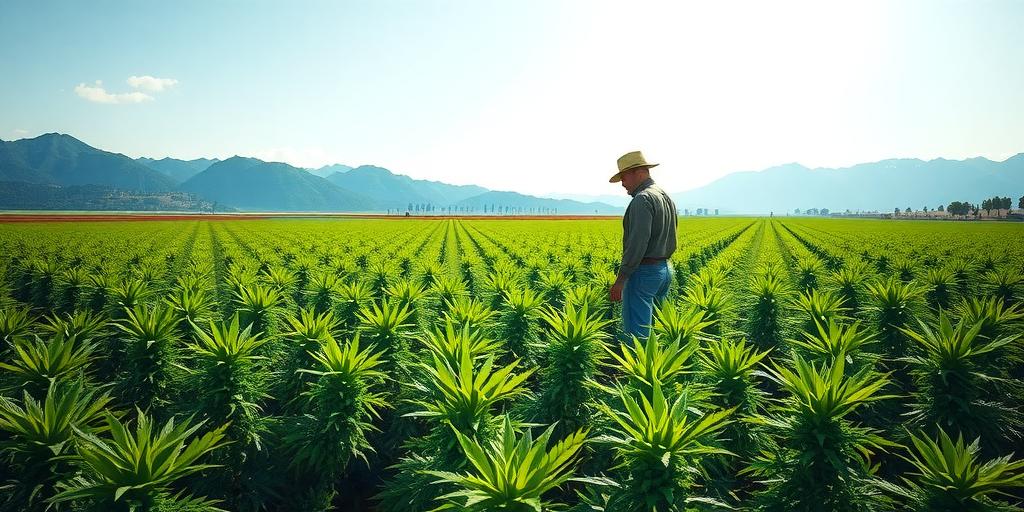
Hemp stands out as a highly sustainable crop, requiring significantly less water and pesticides compared to traditional crops like cotton. Its rapid growth cycle allows farmers to harvest multiple times within a single year, maximizing land use effectively. Additionally, hemp’s deep root system plays a crucial role in improving soil health, replenishing nutrients, and preventing erosion. As a carbon sink, hemp absorbs carbon dioxide, contributing positively to climate change mitigation efforts. Moreover, this versatile plant can be transformed into biodegradable products, offering eco-friendly alternatives that reduce our reliance on plastics. By providing habitats for various species, hemp cultivation also supports biodiversity in agricultural landscapes. Its natural resistance to pests leads to lower pesticide use, benefiting surrounding ecosystems. Furthermore, hemp can be utilized for phytoremediation, helping to clean up contaminated soils and water sources. Integrating hemp into crop rotation practices enhances overall agricultural sustainability, reinforcing its position as a key player in future farming practices that prioritize environmental health.
Challenges Facing the Hemp Industry
The hemp industry in the United States faces several challenges that hinder its growth and stability. One significant hurdle is the ongoing regulatory confusion, which makes it difficult for farmers to plan and invest in their operations. The landscape constantly shifts due to varying state and federal regulations, leaving many producers uncertain about compliance and future legal frameworks. Additionally, market volatility has become a pressing issue, with fluctuating prices for hemp products affecting profitability. Farmers often find themselves at the mercy of market trends that can change quickly, making it hard to maintain a sustainable business model.
Another challenge is the lack of standardized quality control measures for hemp products. This inconsistency can undermine consumer trust, as buyers may be unsure about the quality and safety of what they are purchasing. Furthermore, competition from other crops and industries presents a dilemma for hemp farmers, who must navigate a landscape where traditional crops may offer more predictable returns.
Supply chain issues have also emerged as the industry scales. As more farmers enter the market, ensuring product availability becomes increasingly complex. Limited access to financial resources further complicates matters, with many hemp farmers struggling to secure loans or support due to the perceived risks associated with the industry. This lack of investment can stifle innovation and growth opportunities.
Additionally, the perception of hemp as a ‘niche’ market can deter potential investors, limiting the resources needed to expand the industry. Legislative changes can introduce new complexities, as alterations in regulations can affect everything from crop insurance to banking access. Finally, consumer education plays a vital role in driving demand for hemp products. Misconceptions about hemp and its uses can hinder market growth, making it essential to inform potential buyers about the benefits and applications of hemp. Addressing these challenges is crucial for ensuring the long-term viability of the hemp industry.
Promoting Social Equity in Hemp Farming
As the hemp industry grows, promoting social equity is becoming increasingly essential. Legislation is now focusing on correcting historical injustices in agriculture that have affected marginalized communities, particularly Indigenous and Black farmers. Programs are being developed to support these groups, providing access to education and training in hemp farming, which is vital for empowering underrepresented individuals. Additionally, funding initiatives are emerging to help minority farmers enter the hemp market, allowing them to participate in this burgeoning industry.
Creating partnerships among various organizations can bolster resources for social equity-focused projects, making it easier for marginalized groups to thrive. Advocacy for equitable access to land and capital is critical, as it fosters diversity in the industry and encourages innovative practices. Engaging with local communities ensures that the benefits of hemp farming are shared broadly, promoting a more inclusive economic landscape. Moreover, social equity considerations are becoming integral to hemp regulatory frameworks, which can help level the playing field. By encouraging diverse participation, the industry can tap into a wealth of ideas that can drive growth and innovation. Addressing social equity in hemp farming is not just a moral imperative; it is fundamental to building a fair and sustainable industry.
Future Outlook for Hemp Farming in the U.S.
The future of hemp farming in the United States looks promising as the industry is poised for significant growth. Consumer demand for hemp products continues to rise, driving innovation and expanding market opportunities. The 2023 Farm Bill is pivotal, as it is expected to provide clearer regulations, especially concerning THC limits and CBD products, which could help stabilize the market. Technological advancements in cultivation and processing techniques will likely enhance efficiency, allowing farmers to produce higher yields with fewer resources.
As new uses for hemp are discovered, ranging from textiles to food products, the market is set to broaden. For instance, hemp fibers are being used in sustainable clothing and building materials, showcasing the versatility of this crop. Collaboration among farmers, researchers, and policymakers will be essential to navigate the challenges and leverage the opportunities that arise.
Moreover, with increasing awareness of climate change, sustainable practices in hemp farming will gain more attention. The crop’s ability to sequester carbon and improve soil health positions it as a potential ally in environmental efforts. Consumer education will also play a crucial role in promoting understanding and acceptance of hemp products, helping to dispel myths and encourage broader usage.
Investment in the hemp sector is expected to grow as the market matures, attracting both small-scale farmers and larger agricultural enterprises. The industry’s evolution will depend on addressing existing challenges while embracing innovations that foster inclusivity and sustainability. Overall, the future of hemp farming holds promise for economic, environmental, and social advancements.
Frequently Asked Questions
What are the main benefits of hemp farming for the environment?
Hemp farming can improve soil health, reduce the need for chemical pesticides, and help sequester carbon dioxide from the atmosphere, making it a more sustainable option compared to traditional crops.
How does hemp farming impact local economies in the U.S.?
Hemp farming can create jobs, stimulate local businesses, and increase agricultural diversification, which boosts the overall economy in farming communities.
What are the legal requirements for new hemp farmers in the U.S.?
New hemp farmers must comply with federal and state regulations, which may include obtaining licenses, following THC content regulations, and adhering to specific farming practices.
How can farmers ensure the quality of their hemp crops?
Farmers can ensure quality by choosing high-quality seeds, practicing good cultivation methods, and conducting regular testing for contaminants and cannabinoid profiles.
What challenges might hemp farmers face in the future?
Hemp farmers may face challenges such as fluctuating market prices, regulatory changes, and competition from other crops, all of which could affect their farming decisions.
TL;DR The future of hemp farming in the U.S. is closely tied to evolving legislation. The 2014 and 2018 Farm Bills set the groundwork for hemp legalization, but the 2023 Farm Bill is key for further clarity on regulations, including THC thresholds and banking access. Hemp’s environmental benefits, such as carbon sequestration and soil health, position it as a sustainable crop. However, the industry faces challenges like regulatory confusion and market volatility. Emphasizing social equity, the bill aims to support marginalized communities in agriculture. Overall, navigating these developments will be crucial for a thriving and equitable hemp industry.