
Hemp Seed Oil: A 2025 Guide to Food, Nutrition, and Supplements


Hemp seed oil is gaining attention for its impressive nutritional profile and health benefits. It contains 18-25% omega-3 fatty acids, which are good for brain function and heart health. Notably, over 90% of this oil consists of polyunsaturated fatty acids, offering an optimal ratio of omega-6 to omega-3 that ranges between 2.5 to 3.0, supporting overall wellness. It can aid cardiovascular health, lower cholesterol levels, and might even reduce cancer risk. With high vitamin E content acting as an antioxidant and its culinary versatility, ideal for salads or cooking, this oil is recognized as safe by the FDA for dietary use, making it a smart choice for modern diets.
Table of Contents
- Nutritional Profile of Hemp Seed Oil
- Health Benefits of Hemp Seed Oil
- Culinary Uses for Hemp Seed Oil
- Safety and Regulations of Hemp Seed Oil
- Daily Recommended Intake and Usage Tips
- Frequently Asked Questions
1. Nutritional Profile of Hemp Seed Oil
Hemp seed oil boasts a rich nutritional profile that makes it a standout choice for health-conscious individuals. It is abundant in essential fatty acids, particularly omega-3 and omega-6, which are vital for maintaining good health. The optimal ratio of omega-6 to omega-3 in hemp seed oil is approximately 2.5 to 3.0, enhancing cardiovascular health and brain function. Additionally, this oil contains gamma-linolenic acid (GLA), known for its anti-inflammatory properties, which can be beneficial for those with inflammatory conditions.
Moreover, around 25% of hemp seed oil’s composition is protein, making it a valuable source of plant-based protein. This oil is also packed with antioxidants such as tocopherols, which help protect cells from oxidative damage. Nutritionally, it provides essential minerals like magnesium, phosphorus, potassium, and iron, all contributing to overall well-being.
Hemp seed oil is low in saturated fats, making it a heart-healthy option. Its unique flavor can elevate various dishes without overwhelming them, making it a versatile ingredient in the kitchen. Phytosterols found in the oil may assist in lowering cholesterol levels, further promoting heart health. Additionally, the presence of dietary fiber supports digestive health, while its moisturizing properties are advantageous for skin health.
| Nutritional Component | Details |
|---|---|
| Omega-3 Fatty Acids | 18-25% beneficial for brain function and cardiovascular health |
| Polyunsaturated Fatty Acids | Over 90% of the oil |
| Omega-6 to Omega-3 Ratio | Optimal ratio of 2.5-3.0 |
| Gamma-Linolenic Acid (GLA) | Known for its anti-inflammatory properties |
| Protein Content | About 25% of its composition |
| Antioxidants | High in tocopherols to protect cells |
| Minerals | Includes magnesium, phosphorus, potassium, and iron |
| Saturated Fats | Low amount, making it heart-healthy |
| Phytosterols | May help lower cholesterol levels |
| Dietary Fiber | Beneficial for digestive health |
2. Health Benefits of Hemp Seed Oil

Hemp seed oil offers a variety of health benefits that can positively impact your overall well-being. For instance, it may improve skin health, helping to alleviate conditions like eczema and psoriasis due to its rich fatty acid profile. Additionally, the oil promotes heart health by supporting healthy cholesterol levels and blood pressure, making it a great addition to a heart-healthy diet.
The omega fatty acids found in hemp seed oil can also enhance brain function, potentially improving cognitive health. For women experiencing menopause, the gamma-linolenic acid (GLA) in the oil may provide relief from symptoms, contributing to a more comfortable transition.
Moreover, hemp seed oil supports a healthy immune system thanks to its antioxidant properties, which can help combat oxidative stress. Those suffering from arthritis or joint pain might find that hemp seed oil aids in reducing inflammation, leading to less discomfort.
In terms of digestive health, the oil may improve gut health by supporting a balanced microbiome, which is essential for overall wellness. Additionally, it has the potential to alleviate symptoms of anxiety and depression, making it a useful supplement for mental health.
Athletes and fitness enthusiasts can benefit from the protein content in hemp seed oil, which supports muscle recovery post-exercise. Overall, its ability to reduce inflammation further contributes to better health, making hemp seed oil a versatile addition to your wellness routine.
- May improve skin health by alleviating conditions like eczema and psoriasis.
- Promotes heart health by supporting healthy cholesterol levels and blood pressure.
- May enhance brain function due to its omega fatty acid profile.
- Can aid in reducing symptoms of menopause due to its GLA content.
- Supports a healthy immune system with its antioxidant properties.
- May help alleviate symptoms of arthritis and joint pain.
- Could improve digestion and gut health, supporting a balanced microbiome.
- May provide relief from symptoms of anxiety and depression.
- Supports muscle recovery post-exercise due to its protein content.
- Could reduce inflammation in the body, benefiting overall health.
3. Culinary Uses for Hemp Seed Oil
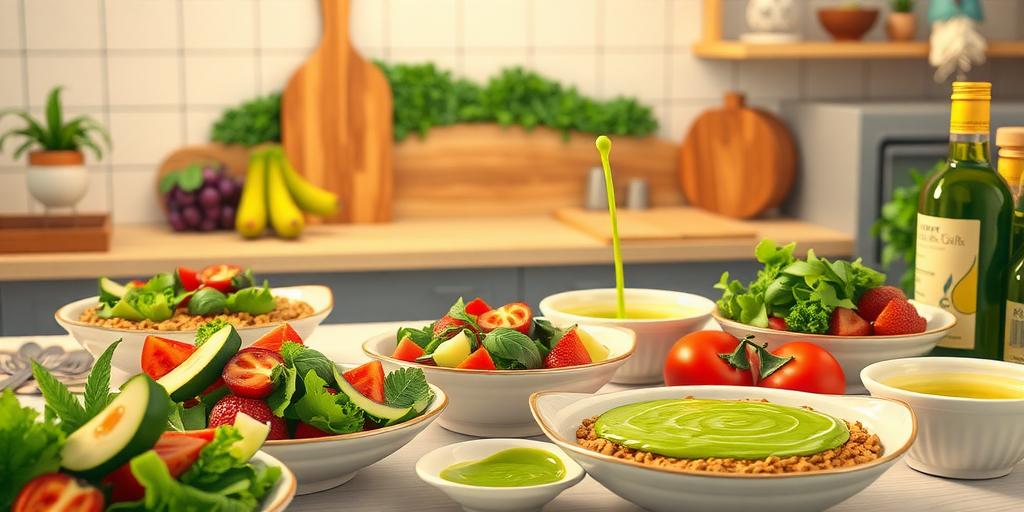
Hemp seed oil is a versatile ingredient that can enhance various dishes with its nutty flavor and health benefits. It shines in dressings, dips, and marinades, providing a nutritious boost to salads and cold dishes. You can drizzle it over cooked vegetables to add both taste and nutrients. However, it is best to avoid high heat, as this can degrade its nutritional quality. For tasty dressings, it pairs beautifully with lemon juice, garlic, and fresh herbs. You can also blend it into smoothies for an extra nutritional kick.
In baking, hemp seed oil enhances flavor while adding healthy fats, making it an excellent choice for muffins, breads, and cookies. For breakfast, consider adding it to yogurt or oatmeal to boost your meal’s nutritional profile. It also works well as a finishing oil in sauces and soups, elevating the overall taste experience. If you’re looking for a nutty flavor in your recipes, you can easily replace other oils with hemp seed oil. Its popularity in vegan and vegetarian dishes speaks to its ability to provide healthy fats that are often lacking in plant-based diets.
4. Safety and Regulations of Hemp Seed Oil
Hemp seed oil is recognized as safe for consumption, receiving the Generally Recognized as Safe (GRAS) status from the FDA. This means that, when taken in recommended amounts, it has no known adverse side effects. However, it is always wise to choose products that have undergone third-party testing to ensure their quality and safety. It’s also important to note that hemp seed oil does not contain THC, the psychoactive component in cannabis, making it a safe option for those concerned about psychoactive effects.
When purchasing hemp seed oil, sourcing from reputable suppliers is crucial for quality assurance. Additionally, to maintain freshness and prevent rancidity, it’s best to store the oil in a cool, dark place. Consumers should also check local regulations regarding hemp products, as these can vary significantly by state. While hemp seed oil is excellent for salad dressings and drizzling over cooked dishes, it is not recommended for deep frying due to its low smoke point.
Before incorporating hemp seed oil into your diet, especially if you are on any medications, it’s advisable to consult with a healthcare provider. Lastly, ensure that any oil you purchase is labeled as food-grade for culinary use, as this guarantees it meets safety standards for consumption.
5. Daily Recommended Intake and Usage Tips
The suggested daily intake of hemp seed oil is about 2 tablespoons. This amount offers a balance of nutrients without overwhelming your system. To ensure your body adjusts well, consider incorporating it gradually into your diet. You might start with a smaller amount and increase it as you assess your tolerance. Mixing hemp seed oil with other oils can enhance both flavor and nutritional benefits, making it a versatile option in your kitchen.
One popular use is to add it to smoothies or protein shakes, where it can boost the nutritional profile without altering the taste significantly. You can also experiment by adding it to baked goods, allowing you to enrich your recipes with extra vitamins and healthy fats. For those looking to reduce saturated fat, using hemp seed oil instead of butter or margarine in various recipes can be a great choice.
Additionally, incorporating it into sauces or dressings can provide a health boost, enhancing the overall flavor and nutritional value of your meals. To maintain the quality of your oil, store it in a dark glass bottle, as light can degrade its properties over time. Remember, individual dietary needs vary, so adjust your intake accordingly. Don’t hesitate to experiment with different culinary applications to discover your preferred uses of this nutritious oil.
Frequently Asked Questions
What is hemp seed oil and how is it made?
Hemp seed oil is made from the seeds of the hemp plant. The seeds are cold-pressed to extract the oil, which is rich in nutrients and has a nutty flavor.
What are the nutritional benefits of hemp seed oil?
Hemp seed oil is high in healthy fats, including omega-3 and omega-6 fatty acids. It also contains antioxidants, vitamins, and minerals that can support overall health.
Can hemp seed oil help with skin health?
Yes, hemp seed oil can benefit the skin. Its fatty acids help keep the skin moisturized and may reduce inflammation and dryness.
Is hemp seed oil safe for everyone to use?
Generally, hemp seed oil is safe for most people when used topically or consumed in food. However, it’s good to consult a healthcare provider if you have specific health concerns or allergies.
How can I incorporate hemp seed oil into my diet?
You can use hemp seed oil in salad dressings, smoothies, or as a finishing oil for dishes. Just remember, it shouldn’t be used for high-heat cooking.
TL;DR Hemp seed oil is a nutrient-rich oil containing 18-25% omega-3 fatty acids and over 90% polyunsaturated fatty acids, offering a beneficial omega-6 to omega-3 ratio. It supports heart health, may lower cancer risk, and is high in vitamins E and B-complex. Culinary uses include adding it to salads or daily meals, recommended at about 2 tablespoons per day. The oil is considered safe for dietary use, recognized by the FDA as Generally Recognized as Safe (GRAS). This guide highlights the nutritional, health, and culinary aspects of hemp seed oil, making it a valuable part of modern diets.