

Blog
CBD Dosage for Beginners: A Simple 2025 Dosage Overview


Understanding the right dosage of CBD can feel really overwhelming for beginners. A good starting point is usually between 5 to 20 mg daily, and it’s wise to adopt the “Start Low, Go Slow” approach. This means gradually increasing your dosage after a few days based on how you feel. Factors like body weight and metabolism play a role in determining the ideal amount for everyone. Different forms of CBD, like oils or gummies, offer various dosing options that can make things easier. Always consider reaching out to a healthcare provider for guidance, particularly if you’re taking other medications or have health concerns.
Table of Contents
- Understanding CBD Dosage for Beginners
- General Guidelines for CBD Dosage
- Starting Dosage Recommendations
- Factors Influencing Your CBD Dosage
- Types of CBD Products Available
- Recommended Dosage Adjustments
- Safety and Side Effects of CBD
- Legal Considerations for CBD Use
- Frequently Asked Questions
1. Understanding CBD Dosage for Beginners
Navigating CBD dosage can feel overwhelming for newcomers, but starting low is often the best approach. Generally, beginners should aim for a daily dose between 5 to 20 mg to assess their body’s response. This method allows users to gauge their tolerance while observing how CBD impacts their sleep, mood, and pain levels. Each person’s needs can vary significantly based on factors like body weight, metabolism, and any existing health conditions. Keeping a daily log of dosage and effects can be beneficial in tracking what works best.
When it comes to measuring doses, precision is key. Using a scale, especially with oils, can help ensure accurate intake. It’s also important to consider how you consume CBD. For instance, oils and tinctures may offer quicker effects compared to edibles, which can take longer to kick in. Additionally, understanding the different types of CBD products, like full-spectrum, broad-spectrum, and isolates, can help inform dosage decisions. Consulting with a healthcare professional is a wise step, especially for those with health issues or those who are pregnant or nursing. Overall, a thoughtful, measured approach to finding the right CBD dosage can pave the way for a positive experience.
- Starting with a low dose helps gauge tolerance and response.
- Dosage may vary based on individual needs and specific health conditions.
- Observing how CBD affects sleep, mood, and pain levels can guide dosage adjustments.
- Consulting with a healthcare professional is advisable, especially for those with existing health issues.
- Keeping a daily log of dosage and effects can help in finding the right amount.
- Using a scale to measure precise doses, especially with oils, ensures accurate intake.
- Consider the method of consumption, as edibles may take longer to show effects compared to oils or vapes.
- Understanding the difference between full-spectrum, broad-spectrum, and isolate forms of CBD can influence dosage decisions.
- Learning about other cannabinoids, like THC, and their effects can provide a broader understanding of CBD’s role.
- Researching reputable brands can ensure quality and accurate labeling of CBD products.
2. General Guidelines for CBD Dosage
Understanding how to dose CBD effectively is key for beginners, as individual responses can vary widely. A common guideline is to consider body weight, with suggestions of 1 to 6 mg of CBD for every 10 pounds. For example, a person weighing 150 pounds might start with a dose between 15 and 90 mg. However, the best approach is to start low and go slow. Many beginners find success starting with a daily dose of 5 to 20 mg, gradually increasing this every few days based on their experiences and any side effects.
It’s also important to monitor how you feel after taking CBD, as some individuals may be more sensitive and experience side effects like fatigue or changes in appetite. Tolerance can change over time, so what works initially may need adjustments later on. Consulting product labels can give a solid starting point, but personal experimentation is often necessary to find the optimal dose.
Different forms of CBD also play a role in how it affects you. For instance, oils allow for more precise dosing, while gummies provide a pre-measured amount, usually around 2.5 to 5 mg. When using any form, consistency in how you consume CBD can help maintain stable dosing levels. Additionally, health conditions can dictate how much CBD is needed; someone managing chronic pain might need a different dose than someone seeking relief from anxiety. Overall, a thoughtful and gradual approach to dosing will help you discover the right balance for your needs.
| Dosage Factor | Recommended Dosage Range |
|---|---|
| Starting Dosage | 5-20 mg daily |
| Weight-Based Dosing | 1-6 mg per 10 pounds of body weight |
| Experience with Cannabis | Start lower for new users; higher for experienced users |
| General Wellness | 5-15 mg |
| Sleep Support | 15-30 mg |
| Adjusting Dosage | Increase by 5 mg every 3-4 days until desired effects are achieved |
| Method of Consumption | Edibles may take longer to show effects; oils and tinctures allow for precise dosing |
3. Starting Dosage Recommendations
For beginners, it’s advisable to start with a daily dosage of 5 to 10 mg to gauge how your body responds to CBD. This approach allows you to assess your tolerance and the effects without overwhelming yourself. If you don’t notice any effects after the initial few days, you can increase your dosage by 5 mg every 3 to 4 days. This gradual increase is important, as it helps you find the optimal dosage for your needs without rushing the process.
It’s also essential to consider personal factors that might influence your dosage. For instance, if you have prior experience with cannabis, you might start at a slightly higher dose compared to someone who is entirely new to it. Additionally, existing health conditions can play a role in how your body reacts to CBD, so keeping track of your experience is crucial during this phase.
Monitoring how you feel after taking CBD is vital, especially in the early stages. If you experience side effects like fatigue or changes in appetite, it may be a sign to lower your dosage or take a break before trying again. Patience is key; allow at least a week before making any significant changes to your dosage to give your body time to adjust.
Creating a dosing schedule can help maintain consistency and assist in tracking any changes in effects. Consulting with healthcare professionals can provide further guidance tailored to your specific health needs. Lastly, keep in mind that different products have varying potencies, so adjust your dosage accordingly to ensure you are getting the right amount for your goals.
4. Factors Influencing Your CBD Dosage
Individual biology plays a crucial role in determining how CBD is absorbed and utilized in the body. Factors like genetics and metabolic rate can significantly affect how quickly and effectively CBD works for you. For instance, people with faster metabolisms may process CBD more rapidly, necessitating different dosing compared to those with slower metabolisms. Additionally, various health conditions may require tailored dosages. For example, someone seeking relief from anxiety might need a different amount than someone using it for pain relief.
Age and overall health matter too. Older adults or those with chronic health issues may respond differently to CBD than younger, healthier individuals. Moreover, if you are taking other medications, it’s essential to consider potential interactions, as these could impact the efficacy and safety of CBD.
Lifestyle factors, such as diet and exercise, can also influence how your body responds to CBD. A balanced diet and good hydration may enhance its effects, while factors like stress levels can affect your overall experience. The method of consumption is another key element; vaping or using tinctures provides quicker effects compared to edibles, which may take longer to kick in.
Sensitivity to cannabinoids varies among individuals. Some may find that they achieve the desired effects with lower doses, while others might require higher amounts. Ultimately, finding the right dosage often involves a bit of trial and error, as everyone’s body is unique. Understanding your own endocannabinoid system can provide insight into how CBD affects you, helping to navigate this process more effectively.
5. Types of CBD Products Available
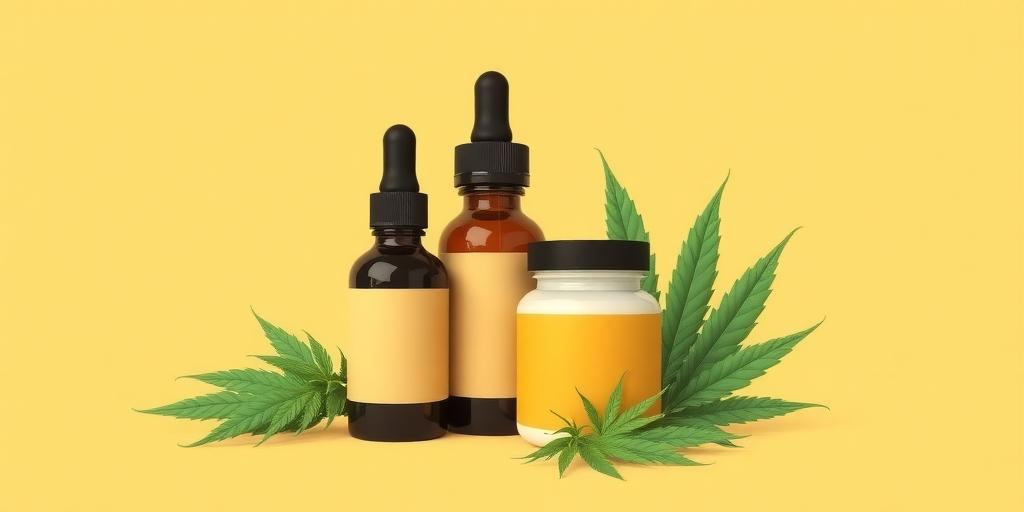
CBD products come in various forms, each with its own advantages. CBD oils and tinctures are popular for their flexibility and fast absorption. They allow users to control their dosage easily by adjusting the number of drops taken. For those who prefer something sweet, edibles like gummies provide a tasty option, though they may take longer to feel the effects, typically around 2 to 4 hours after consumption. Topicals are great for targeting specific areas, offering localized relief from muscle pain or skin issues without affecting the entire body. Capsules and pills serve as a familiar way to consume CBD, making them convenient for anyone used to taking medication in that form. Vaping is another choice, delivering rapid effects, but it’s important to consider potential risks to lung health. Additionally, the type of CBD can vary: full-spectrum products include various cannabinoids and terpenes that may enhance effects through the entourage effect, while broad-spectrum contains multiple cannabinoids but excludes THC, catering to those avoiding it. For those seeking pure CBD, isolate is the way to go, as it contains no other cannabinoids. Understanding product labels is crucial; they inform users about the concentration and type of CBD, ensuring that consumers make informed choices. Lastly, researching brands for third-party testing can help guarantee product quality and transparency.
6. Recommended Dosage Adjustments
When starting with CBD, it’s important to begin with the lowest effective dose to minimize any potential side effects. A common approach is to start with 5 to 10 mg for the first few days and see how your body reacts. If you don’t notice any effects, you can gradually increase the dosage by 5 mg every few days. Keeping a journal of your experiences can really help, as you can track how you feel after each change in dosage. This way, you can identify what works best for you.
Remember, external factors like stress levels, overall health, and even diet can influence how CBD affects you. For instance, if you’re feeling particularly stressed or unwell, it might change your response to CBD. If you do experience side effects, it’s wise to revert to your previous lower dose before attempting to adjust again.
Establishing a consistent routine with your CBD intake can also be beneficial. Try to take it at the same time each day and use the same method of consumption, whether it’s oil, gummies, or another form. This consistency can help your body adjust and respond better over time.
It’s always a good idea to consult with a healthcare provider when making dosage adjustments. They can provide guidance based on your unique health situation. Additionally, listen to your body and respect its responses. Taking breaks from CBD every so often can help reset your tolerance and enhance its effectiveness. By documenting your experiences in a journal, you can gain valuable insights into your personal dosing needs.
7. Safety and Side Effects of CBD
CBD is generally well-tolerated, but some users may encounter minor side effects such as fatigue, changes in appetite, or even diarrhea. It is crucial to monitor your body’s responses, especially when starting or adjusting your dosage. While severe reactions are rare, potential side effects like nausea and dry mouth can occur. If you experience persistent or worsening side effects, consulting with a healthcare provider is advisable.
Interactions with other medications can happen, so it is important to inform your doctor about your CBD usage. Pregnant or breastfeeding individuals should be particularly cautious and seek professional advice before using CBD. Regularly checking product labels for quality and safety standards can help you avoid adverse effects. Staying within recommended dosages can minimize the risk of side effects, and understanding your personal health history can provide insight into how CBD may interact with your body. Additionally, sharing experiences with trusted communities or forums can enhance your knowledge about safe CBD practices.
8. Legal Considerations for CBD Use
The legal landscape surrounding CBD can be quite complex. In the United States, the legal status of CBD varies significantly depending on where you are. Generally, hemp-derived CBD products containing less than 0.3% THC are legal at the federal level. However, many states have their own laws, which may restrict the types of CBD products that can be sold or even require prescriptions for certain uses. This means that while you might find CBD products available in your local store, they may not be legal everywhere.
It’s wise to stay informed about local laws, as they can change frequently. For instance, some states have recently updated regulations to allow more types of CBD products, while others have tightened restrictions. Understanding the difference between medical and recreational use of CBD is also crucial, as this distinction can affect legality based on your location.
When purchasing CBD, always opt for products from licensed and reputable manufacturers. This helps ensure that the products comply with legal standards and are safe to use. If you plan to transport CBD across state lines, familiarize yourself with the laws in both states to avoid potential legal issues. In many cases, buying from local dispensaries can offer clearer guidance on legal compliance than online purchases.
Additionally, be aware that using CBD could lead to complications with workplace drug testing. Some tests may not distinguish between THC and CBD, leading to unexpected results. By educating yourself about the legal aspects of CBD, you can navigate this growing market responsibly and confidently.
Frequently Asked Questions
How do I know the right CBD dosage for me?
Finding the right CBD dosage for you can take some trial and error. Start with a low dose, like 5 to 10 mg, and see how your body reacts. You can gradually increase the dosage until you find what makes you feel comfortable.
Can I take CBD every day?
Yes, many people take CBD daily. It can help maintain its effects over time. Just keep an eye on how it affects you, and adjust your dosage if needed.
What factors can affect my CBD dosage?
Several factors can impact your dosage, like your body weight, age, metabolism, and the condition you’re aiming to treat. It’s important to consider these factors when figuring out your ideal amount.
How long does it take for CBD to work after I take it?
Typically, CBD can take anywhere from 30 minutes to a couple of hours to show its effects, depending on how you take it and your individual body chemistry. Edibles might take longer compared to oils or vapes.
Is it safe to experiment with CBD dosage on my own?
Most people find CBD to be safe, but it’s wise to pay attention to how your body responds when adjusting dosages. If you have any health concerns or are taking other medications, it’s best to talk to a doctor before making changes.
TL;DR This blog post covers CBD dosage for beginners, recommending a starting dose of 5 to 20 mg daily and emphasizing the ‘Start Low, Go Slow’ approach. Factors like body weight, metabolism, and desired effects influence dosage. Options include oils, gummies, and flower, with suggested adjustments for dosage over time. CBD is generally safe but may have mild side effects; consulting a healthcare provider is advised. Legal status varies by location, primarily allowing hemp-derived CBD under 0.3% THC.