

Blog
Can Cannabis Provide Relief for Autoimmune Disorders Beyond Just Symptoms?


Autoimmune disorders arise when the body’s immune system erroneously attacks its own healthy cells, resulting in chronic inflammation and ongoing damage. Conditions like rheumatoid arthritis and lupus not only affect physical function but also diminish quality of life. Cannabis offers a potential relief strategy, as cannabinoids such as THC and CBD interact with the endocannabinoid system, helping regulate immune responses and reduce inflammation. Some studies suggest that cannabis can even change disease progression by decreasing inflammatory markers that contribute to harm. While it is not a definitive cure for these conditions, cannabis may significantly enhance patient well-being through better sleep and reduced anxiety.
Table of Contents
- Understanding Autoimmune Disorders
- The Role of Cannabis
- Mechanisms of Action
- Clinical Evidence of Cannabis Use
- Benefits Beyond Symptomatic Relief
- Practical Considerations for Use
- Consultation and Safety
- Frequently Asked Questions
Understanding Autoimmune Disorders
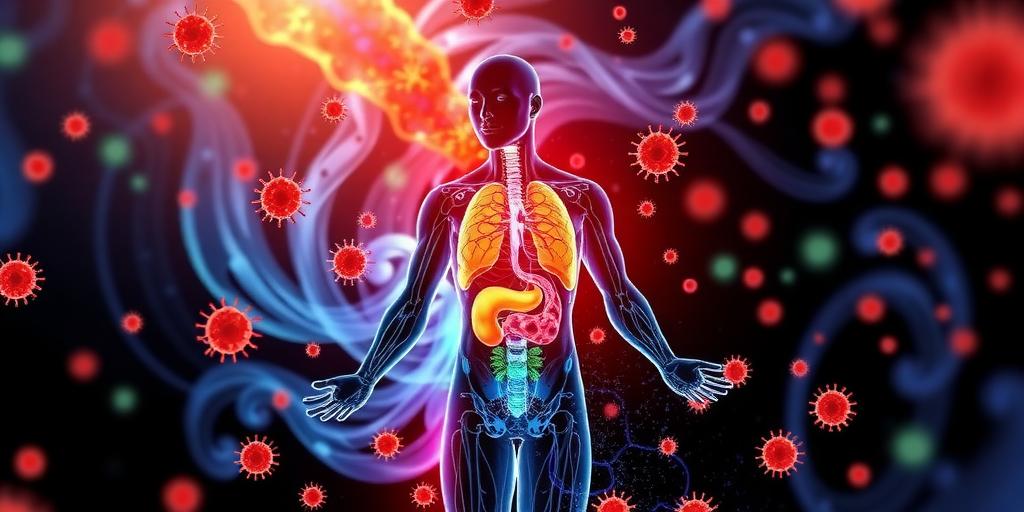
Autoimmune disorders develop when the body’s immune system mistakenly attacks its own healthy cells, leading to chronic inflammation and damage to various tissues. Common examples include rheumatoid arthritis, lupus, multiple sclerosis, and inflammatory bowel diseases such as Crohn’s disease and ulcerative colitis. These diseases affect about 8% of the population and can cause debilitating symptoms like chronic pain, fatigue, and organ dysfunction. The exact causes remain unclear, but a mix of genetic predispositions and environmental triggers likely plays a role. Interestingly, autoimmune disorders often affect women more than men, with certain conditions showing a much higher prevalence among females.
Diagnosing these disorders typically involves a combination of blood tests, imaging studies, and clinical evaluations aimed at assessing symptoms and ruling out other potential health issues. The manifestation of autoimmune diseases can vary widely from person to person, highlighting the need for personalized treatment plans. Management strategies often include medications, lifestyle adjustments, and physical therapy to enhance overall function. Additionally, the impact of these disorders extends beyond physical health, as many patients also struggle with mental health challenges and a diminished quality of life. Understanding the immune system’s role in these complex diseases is essential for developing effective treatment options.
The Role of Cannabis
Cannabis has attracted significant attention for its potential to help manage autoimmune disorders. The two main cannabinoids, THC and CBD, interact with the body’s endocannabinoid system, which is crucial in regulating immune functions and inflammation. THC, while known for its psychoactive effects, also possesses strong anti-inflammatory and pain-relieving properties. It activates CB2 receptors found on immune cells, which can help in reducing the overactivity of the immune response often seen in autoimmune diseases. On the other hand, CBD is non-psychoactive and is recognized for its ability to decrease anxiety and inflammation, making it a valuable option for patients looking to avoid the high associated with THC.
The endocannabinoid system plays a vital role in maintaining balance within the body, including the immune response and pain sensation. By interacting with this system, cannabinoids may help restore balance when the immune system is dysregulated, as is often the case in autoimmune conditions. Research suggests that cannabinoids can lower levels of inflammatory markers, which are typically elevated in these diseases.
Moreover, cannabis may do more than just alleviate symptoms. It could potentially modify the disease process itself by reducing chronic inflammation and improving overall immune function. For instance, patients have reported improvements in appetite and sleep quality, which are often negatively impacted by chronic illness. The presence of terpenes in cannabis may enhance its therapeutic effects, contributing to what is known as the entourage effect, where the combined compounds work together to produce greater benefits. With various strains available, selecting the right type can provide tailored relief for specific symptoms. Cannabis can serve as a complementary treatment option, working alongside traditional therapies to improve the overall well-being of those with autoimmune disorders.
Mechanisms of Action
The endocannabinoid system (ECS) is crucial for maintaining balance in the body, involving receptors, enzymes, and endocannabinoids. The two main receptors, CB1 and CB2, play distinct roles; CB1 is mainly found in the brain, while CB2 is primarily located in the immune system. When cannabinoids like THC and CBD bind to CB2 receptors, they can help reduce inflammation and regulate immune cell activity. This is particularly important for those with autoimmune disorders, where inflammation is often the root of symptoms.
Research shows that cannabinoids can decrease the production of inflammatory cytokines, substances that are typically elevated in autoimmune diseases. For example, cannabinoids may lower levels of tumor necrosis factor-alpha (TNF-α) and interleukin-6 (IL-6), which are linked to inflammation and pain in conditions like rheumatoid arthritis and lupus.
Additionally, cannabinoids have been found to promote apoptosis, or programmed cell death, in overactive immune cells, further helping to balance immune responses. By enhancing the production of regulatory T cells, cannabinoids can also support immune tolerance, reducing the likelihood of the immune system mistakenly attacking healthy tissues.
The anti-inflammatory effects of cannabinoids not only help manage symptoms but also can alleviate pain, improve mood, and positively influence neurotransmitter release, contributing to a better overall quality of life. Understanding these mechanisms is essential for developing targeted therapies that leverage cannabis for managing autoimmune disorders.
Clinical Evidence of Cannabis Use
Research has shown promising results for cannabis use in managing various autoimmune disorders. For instance, studies involving multiple sclerosis patients indicate that cannabis can significantly reduce muscle spasms and chronic pain, enhancing mobility and overall quality of life. Similarly, patients with rheumatoid arthritis report notable reductions in pain and stiffness with cannabinoid treatments. Cannabis is also beneficial for those suffering from inflammatory bowel diseases, with many experiencing relief from abdominal pain and improved appetite.
Ongoing clinical trials aim to deepen our understanding of cannabis’s efficacy and safety in treating these conditions. The approval of cannabis-based medications like Sativex for specific uses further underscores their potential effectiveness. Additionally, some studies suggest that cannabis may help decrease the reliance on traditional pain medications, including opioids, which is particularly important in today’s context of rising opioid use.
Patient surveys often highlight improvements in sleep quality and overall well-being when using cannabis, reflecting its potential as a versatile option for both acute and chronic pain relief. However, while the clinical evidence supports the notion that cannabis can assist in managing symptoms, it is essential to recognize that it may not cure the underlying autoimmune disorders. Further rigorous research is necessary to solidify cannabis’s role in this area and to establish standardized dosages and formulations.
| Condition | Evidence of Cannabis Efficacy | Additional Notes |
|---|---|---|
| Multiple Sclerosis | Cannabis can reduce muscle spasms and chronic pain, improving mobility and quality of life. | Nabiximols (Sativex), a cannabis-derived medication, is approved for MS-related spasticity. |
| Rheumatoid Arthritis | Cannabinoid treatments lead to significant reductions in pain and stiffness. | Studies suggest they decrease the activity of inflammatory cytokines. |
| Inflammatory Bowel Disease | Patients report symptom relief, including reduced abdominal pain and improved appetite when using cannabis. | More rigorous clinical trials are needed to solidify findings. |
| General Findings | Cannabis can provide both acute and chronic pain relief, showing potential to reduce reliance on traditional pain medications. | Patient surveys highlight improvements in sleep quality and overall well-being. |
Benefits Beyond Symptomatic Relief
Cannabis may offer more than just relief from the symptoms of autoimmune disorders. Its potential to modify the disease course is particularly intriguing. By reducing chronic inflammation, cannabis could help prevent further tissue damage, which is critical in managing conditions like rheumatoid arthritis or lupus. Some studies suggest that regular cannabis use can enhance mental health, alleviating anxiety and depression often linked to chronic illness. Patients frequently report an improved quality of life, noting better social interactions and emotional well-being. Additionally, cannabis may aid in restoring sleep patterns, which are commonly disrupted in those with autoimmune disorders. Its anti-inflammatory properties could also reduce flare-ups and extend periods of remission. Many individuals find that using cannabis allows them to lessen their reliance on conventional medications, which can come with significant side effects. Long-term cannabis use may facilitate a shift in the immune system’s response, promoting a more balanced immune profile. Furthermore, some patients experience improved mobility and daily functioning, allowing them to engage more fully in life. The holistic benefits of cannabis can foster a sense of control and empowerment for those navigating the challenges of chronic health issues. As research continues to unfold, the long-term implications of cannabis on autoimmune disease progression and overall patient outcomes remain an important area of exploration.
Practical Considerations for Use
When considering cannabis for autoimmune disorders, patients should explore various methods of consumption to find what suits them best. Options include oils, edibles, and vaporizers. Inhalation methods often provide quick relief, while edibles may deliver longer-lasting effects, although they require more time to take effect. For localized pain and inflammation, topical applications can be beneficial and do not produce psychoactive effects.
Finding the right THC to CBD ratio is crucial as higher levels of CBD can counteract the psychoactive effects of THC, making the experience more manageable. It’s advisable to start with a low dose and gradually increase it, allowing individuals to monitor how their bodies respond and minimizing any potential adverse effects.
Patients should take into account their specific symptoms and lifestyle when choosing a delivery method for cannabis. Gaining knowledge about different strains and their effects can further enhance therapeutic outcomes. Since legal considerations vary by location, it’s important for patients to be aware of local cannabis laws and regulations.
Consulting with a knowledgeable healthcare provider can provide valuable guidance in making informed decisions about cannabis use. Keeping a symptom diary may also be helpful, as it allows patients to track the effects of cannabis over time, optimizing its use for managing their autoimmune disorders.
- Patients should explore different methods of cannabis consumption to find what works best for them, such as oils, edibles, or vaporizers.
- Inhalation methods can provide quick relief, while edibles may offer longer-lasting effects, though they take longer to kick in.
- Topical applications may be beneficial for localized pain and inflammation without psychoactive effects.
- Finding the right THC:CBD ratio is important; higher CBD levels can mitigate the psychoactive effects of THC.
- Starting with a low dose and gradually increasing is recommended to minimize adverse effects while monitoring how the body responds.
- Patients should consider their individual symptoms and lifestyle when choosing a delivery method for cannabis.
- Educating oneself about the different strains and their effects can enhance therapeutic outcomes.
- Legal considerations vary by location, so patients should be aware of local cannabis laws and regulations.
- Consulting with a knowledgeable healthcare provider can guide patients in making informed decisions about cannabis use.
- Keeping a symptom diary may help track the effects of cannabis and optimize its use for managing autoimmune disorders.
Consultation and Safety
Before starting cannabis, it is essential for patients to consult with a healthcare provider who is knowledgeable about cannabis therapeutics. Discussing existing medications is crucial to avoid potential interactions and ensure safe use. Patients should be transparent about their cannabis use with all healthcare providers to facilitate coordinated care. When beginning a new treatment regimen, monitoring for side effects is important, as individual responses can vary. Cannabis should be viewed as part of a comprehensive treatment plan that may include lifestyle changes and other therapies. Understanding the legal status of cannabis in their state or country is vital, as it helps patients make informed decisions. Education about dosing and potential side effects can empower patients to use cannabis safely. Seeking out support groups can also be beneficial, allowing patients to connect with others who are using cannabis for similar conditions. Regular follow-ups with their healthcare provider can help assess the effectiveness and safety of cannabis use over time. It is important for patients to recognize that while cannabis can help manage symptoms, it is not a substitute for conventional medical care.
Frequently Asked Questions
How might cannabis help with autoimmune disorders?
Cannabis may impact the immune system, potentially helping to reduce inflammation and improve symptoms related to autoimmune disorders.
Are there specific autoimmune conditions where cannabis is more effective?
While individual responses vary, some people report benefits for conditions like rheumatoid arthritis, lupus, and multiple sclerosis when using cannabis.
What forms of cannabis can be used for relief?
Cannabis can be used in various forms, including oils, edibles, creams, and inhalants, allowing individuals to choose what works best for their needs.
Can cannabis replace conventional medicines for autoimmune disorders?
Cannabis should not replace prescribed medications without consulting a healthcare provider, as it may serve as a complementary treatment rather than a standalone cure.
What side effects might come from using cannabis for autoimmune issues?
While some may experience relief, others might face side effects like dizziness, fatigue, or changes in mood, so it’s important to start with small doses.
TL;DR Cannabis may offer relief for autoimmune disorders beyond just alleviating symptoms by interacting with the endocannabinoid system, potentially reducing inflammation and modulating immune responses. While some clinical evidence supports its benefits in conditions like multiple sclerosis, rheumatoid arthritis, and inflammatory bowel disease, ongoing research is needed to fully understand its long-term effects. Patients should consult healthcare professionals familiar with cannabis use to ensure safety, viewing it as a complementary therapy rather than a cure.