The Mind-blowing Science Behind Cannabis and Your Brain: How THC & CBD Work

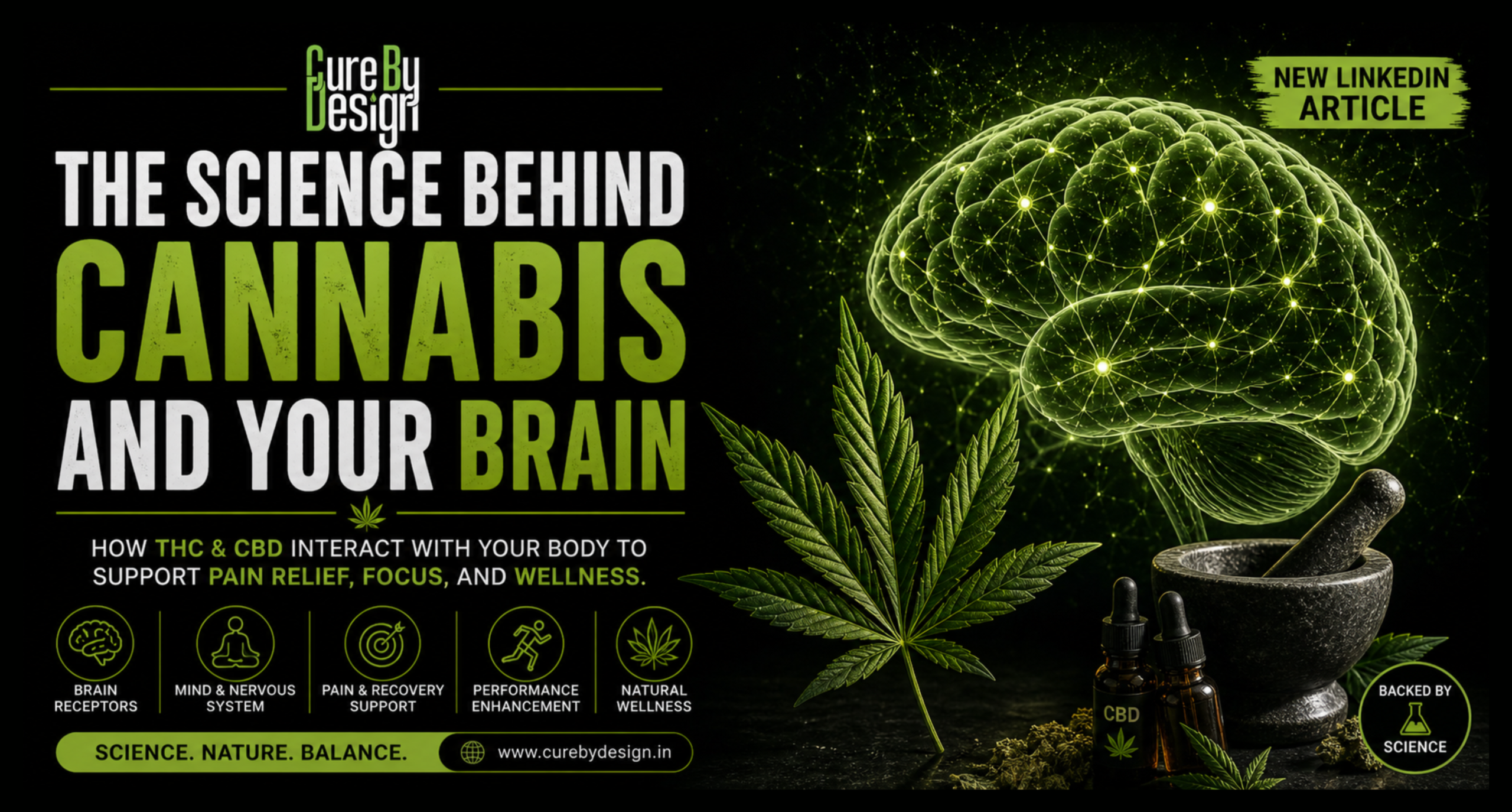
Cannabis and brain science is becoming one of the most fascinating areas of modern wellness research.
Some people view it only through stigma. Others see it as a modern wellness trend. But science is now revealing something far more fascinating:
Cannabis interacts with one of the most important biological systems in the human body — the Endocannabinoid System (ECS).
This system helps regulate several critical functions including:
- Mood
- Sleep
- Stress response
- Pain perception
- Recovery
- Memory
- Immune balance
And the most interesting part?
Your body naturally produces compounds similar to cannabinoids on its own.
Modern cannabis science is not simply creating something new — it is helping us better understand a system that has existed inside the human body all along.
Let’s explore the science behind cannabis and your brain.
Cannabis and Brain Science: What You’ll Learn
- What the Endocannabinoid System is
- How THC affects the brain
- How CBD works differently
- Cannabis and pain relief
- Mental wellness and recovery
- THC vs CBD differences
- The future of cannabis science
What Is the Endocannabinoid System (ECS)?
The Endocannabinoid System is a biological cell-signaling system found throughout the human body.
Scientists believe the ECS plays an important role in maintaining internal balance — also known as homeostasis.
The ECS consists of:
- Endocannabinoids naturally produced by the body
- Cannabinoid receptors
- Enzymes that break down cannabinoids
The two main receptors associated with this system are CB1 and CB2 receptors.
CB1 Receptors
CB1 receptors are primarily found in:
- Brain
- Central nervous system
- Emotional and memory centers
These receptors are linked to:
- Mood
- Focus
- Appetite
- Pain signaling
- Coordination
- Emotional responses
CB2 Receptors
CB2 receptors are mostly associated with:
- Immune system
- Peripheral tissues
- Inflammatory pathways
These receptors are connected to:
- Recovery
- Immune balance
- Inflammation response
- Physical wellness support
The Endocannabinoid System is one of the reasons cannabis science has become such an important area of global wellness research.
How THC Interacts With the Brain
THC, also known as Tetrahydrocannabinol, is one of the primary active compounds found in cannabis.
THC interacts strongly with CB1 receptors located in the brain and nervous system.
This interaction may influence:
- Sensory perception
- Mood
- Appetite
- Relaxation
- Pain response
Because THC directly activates certain receptors, it is commonly associated with the psychoactive “high” linked to cannabis.
However, modern cannabis wellness has evolved significantly.
Today, regulated and measured cannabinoid formulations focus more on controlled, responsible, and balanced usage rather than excessive consumption.
Researchers continue studying how THC may influence neurological pathways connected to wellness and recovery.
How CBD Works Differently
CBD, or Cannabidiol, works very differently from THC.
Unlike THC, CBD does not produce intoxicating effects.
Instead, CBD is believed to influence the Endocannabinoid System more indirectly and gently.
Researchers are currently exploring how CBD may support:
- Stress management
- Sleep quality
- Recovery support
- Mental calmness
- Emotional balance
- Everyday wellness
This is one reason CBD wellness products have gained increasing global attention over the past decade.
Many wellness users prefer CBD because it focuses more on balance and support rather than psychoactive effects.
Cannabis, Pain Relief, and Recovery
One of the biggest areas of cannabis research today involves pain management and recovery.
The Endocannabinoid System is closely linked to pain signaling pathways throughout the nervous system.
Researchers are studying how cannabinoids may help support:
- Physical recovery
- Muscle relaxation
- Stress reduction
- Inflammation response
- Overall comfort and wellness
This is why athletes, recovery-focused individuals, and wellness users are increasingly exploring cannabinoid-based support as part of modern wellness routines.
Unlike traditional approaches that may only suppress symptoms temporarily, cannabis science is increasingly focused on balance and system-wide wellness support.
The Connection Between Cannabis and Mental Wellness
Mental wellness is another major area where cannabis science is rapidly growing.
Modern lifestyles often involve:
- High stress
- Poor sleep
- Mental fatigue
- Nervous system overload
Researchers are studying how cannabinoids may interact with biological systems linked to emotional wellness and recovery.
CBD-based wellness support is commonly explored for:
- Supporting calmness
- Encouraging relaxation
- Better nighttime routines
- Stress management
- Mental balance
Importantly, cannabis wellness should always be approached responsibly and with proper awareness.
The goal of modern wellness is balance — not dependency.
How Cannabis Influences Sleep and Recovery
Sleep is one of the most important pillars of overall health.
Poor sleep quality can affect:
- Energy
- Mood
- Recovery
- Focus
- Immune balance
- Mental clarity
Scientists are increasingly studying how cannabinoids interact with systems connected to sleep cycles and nervous system recovery.
CBD wellness products are widely explored for their calming and balancing properties that may support healthier nighttime routines and overall recovery support.
Recovery today is not only physical — it is neurological and emotional as well.
This is one reason plant-based wellness solutions are becoming increasingly popular worldwide.
THC vs CBD: Understanding the Difference
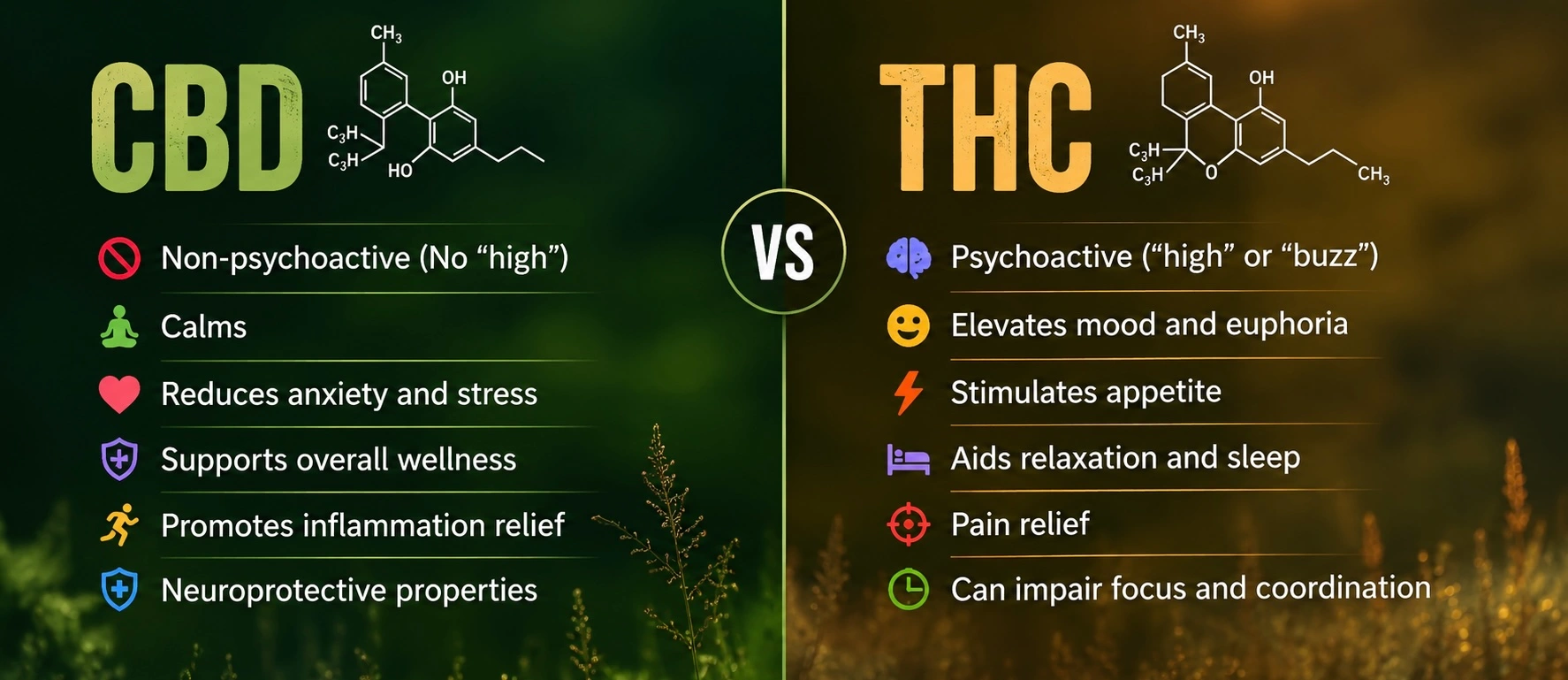
Although THC and CBD both come from cannabis, they affect the body differently.
THC
THC is more strongly associated with psychoactive effects and direct interaction with CB1 receptors.
It may influence:
- Mood
- Relaxation
- Appetite
- Sensory experience
CBD
CBD works more indirectly and is primarily associated with wellness support rather than intoxication.
CBD is commonly explored for:
- Recovery support
- Relaxation
- Stress management
- Better sleep
- Wellness balance
Modern cannabis wellness focuses on informed, measured, and responsible usage.
Why the Endocannabinoid System Matters
Scientists now believe the Endocannabinoid System plays an important role in maintaining internal balance across multiple body functions.
This system may influence:
- Sleep
- Mood
- Stress response
- Recovery
- Appetite
- Immune activity
When balance within the body becomes disrupted, overall wellness may also be affected.
This is one reason cannabis science has become such a rapidly expanding field of modern research.
Ancient civilizations may not have fully understood the biology behind cannabis — but modern science is now beginning to explain why cannabis-based wellness has existed for thousands of years.
Cannabis Wellness in Modern India
India has a long historical relationship with cannabis and Ayurvedic wellness traditions.
Today, regulated CBD and hemp wellness products are helping people explore plant-based wellness in safer, more transparent, and quality-controlled ways.
As awareness grows, more individuals are exploring balanced wellness approaches that focus on recovery, sleep, stress management, and holistic support.
Explore Safe & Premium CBD Wellness Solutions
Discover premium CBD & hemp wellness products at Cure By Design:
https://www.curebydesign.in
Frequently Asked Questions
Does CBD make you high?
No. CBD is non-intoxicating and does not create the psychoactive effects associated with THC.
What is the Endocannabinoid System?
The Endocannabinoid System is a biological system involved in maintaining balance across functions like sleep, mood, stress response, and recovery.
Is CBD legal in India?
CBD products derived from regulated hemp sources may be legally available in India depending on formulation and compliance standards.
Can cannabinoids support sleep and recovery?
Research is ongoing, but many wellness users explore cannabinoids for relaxation, recovery support, and better nighttime routines.
Final Thought
Your body already has a system designed to interact with cannabinoids.
Science is not creating something entirely new.
It is helping us better understand a natural connection that has existed within the human body all along.
The future of wellness may not be about replacing nature — but understanding it better.