

Blog
Unisex Hemp Jeans: Eco-Conscious Fashion Trends 2025

Unisex hemp jeans are becoming a standout in eco-conscious fashion for 2025, driven by the urgent need for sustainability. Traditional denim production often wastes water and uses harmful chemicals, but the rise of sustainable materials like hemp presents an eco-friendly alternative. Hemp needs less water and fewer pesticides, making it better for the planet. In response to consumer demand, brands are also enhancing their transparency regarding labor practices and material sourcing. Techniques that conserve water during production are gaining traction too. With initiatives like Fashion for Good pushing for more hemp blends in denim, unisex styles represent a commitment to responsible fashion choices in today’s world.
Table of Contents
- Sustainability in Denim Production
- Key Characteristics of Sustainable Jeans
- Hemp as a Key Material
- Trends in Sustainable Fashion for 2025
- Consumer Empowerment and Choices
- The Future of Unisex Hemp Jeans
- Frequently Asked Questions
1. Sustainability in Denim Production
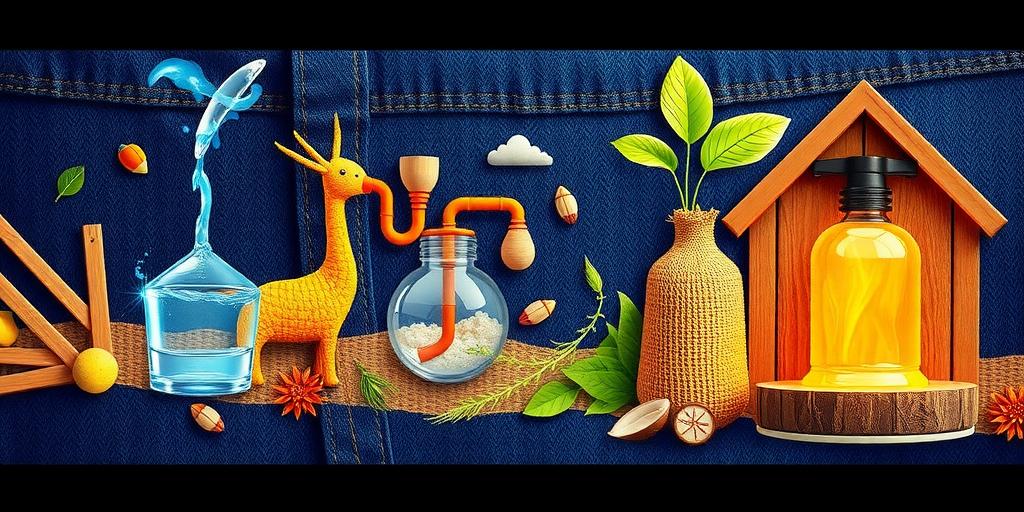
Traditional denim production has a significant environmental footprint, consuming up to 7,000 liters of water for just one pair of jeans. The use of toxic chemicals in dyeing processes can further harm local water supplies, causing detrimental effects on ecosystems and communities. In response to these challenges, many companies are shifting towards sustainable practices. This includes sourcing materials like organic cotton, recycled fabrics, and innovative fibers such as hemp, which has a much lower environmental impact. Additionally, brands are increasingly adopting renewable energy sources to power their production facilities. Eco-friendly dyes and finishes are being developed to reduce pollution, and sustainability certifications are helping consumers identify brands that truly prioritize the environment. With a growing number of eco-aware consumers, there is mounting pressure on brands to adopt more responsible practices. Many sustainable brands not only focus on eco-friendliness but also engage in fair trade, ensuring safe working conditions for their workers. Life cycle assessments are becoming essential, measuring the environmental impact of denim from production to disposal, while collaborations between brands and environmental organizations are on the rise, promoting sustainable practices across the industry.
| Aspect | Detail |
|---|---|
| High Water Usage | Can consume up to 7,000 liters per pair of jeans. |
| Toxic Chemicals | Used in dyeing processes can pollute local water supplies. |
| Sustainable Alternatives | Include organic cotton, recycled materials, and innovative fibers like hemp. |
| Renewable Energy | Companies are adopting renewable energy sources to power production facilities. |
| Eco-Friendly Dyes | Developed to minimize environmental impact. |
| Sustainability Certifications | Help consumers identify truly eco-conscious brands. |
| Consumer Pressure | The rise of eco-aware consumers is pressuring brands to change their practices. |
| Fair Trade Practices | Sustainable brands often engage in fair trade and ensure safe working conditions. |
| Life Cycle Assessments | Measure the environmental impact of denim products from production to disposal. |
| Collaborations | Increasing between brands and environmental organizations to promote sustainable practices. |
2. Key Characteristics of Sustainable Jeans
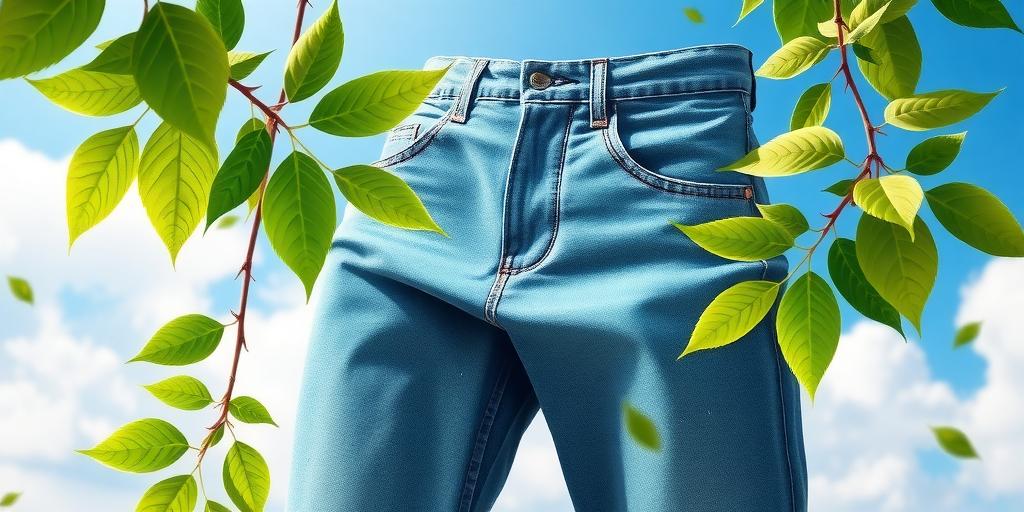
Sustainable jeans stand out for their commitment to reducing environmental impact. They are often crafted from organic cotton, recycled materials, or innovative fabrics like hemp, which requires less water and fewer pesticides to grow. Water conservation is a significant focus; brands are using techniques such as laser treatments and waterless dyeing to minimize water usage by up to 90%. This shift not only helps the planet but also appeals to eco-conscious consumers.
Recyclability is another essential characteristic. Many sustainable jeans are designed to be returned and reused at the end of their life cycle, reducing waste in landfills. This aligns with the growing trend of circular fashion, where products are made to last and can be recycled. Moreover, brands are increasingly using biodegradable materials, enhancing the overall sustainability of their offerings.
Design also plays a crucial role. Sustainable jeans often feature minimalistic styles, which promote longevity and encourage consumers to buy less. The use of innovative blends, like hemp-cotton, provides durability while maintaining an eco-friendly profile. Transparency in sourcing and manufacturing processes is becoming the norm, allowing consumers to make informed choices about their purchases.
Ethical labor practices are a priority for many brands, ensuring fair wages and safe working environments for workers. Additionally, sustainable jeans are typically designed for versatility, encouraging consumers to wear them more often instead of constantly buying new pairs. Educating consumers about the benefits of sustainable denim is also vital, as brands seek to raise awareness and promote a more sustainable lifestyle.
- Sustainable jeans are made with a focus on reducing the carbon footprint throughout production.
- They often utilize water-saving techniques such as laser treatment and waterless dyeing processes.
- Recyclability is a key feature, allowing jeans to be returned and reused at the end of their life cycle.
- The use of biodegradable materials is becoming more common, enhancing sustainability.
- Sustainable jeans often feature minimalistic designs to promote longevity and reduce waste.
- Innovative blends, like hemp-cotton, offer durability while being eco-friendly.
- Brands are increasingly transparent about their sourcing and manufacturing processes.
- Ethical labor practices ensure fair wages and safe working environments for workers.
- Many sustainable jeans are designed for versatility, encouraging consumers to buy less and wear more.
- Educating consumers about the benefits of sustainable denim is a priority for many brands.
3. Hemp as a Key Material
Hemp is emerging as a key player in sustainable fashion, particularly in the production of unisex jeans. This fast-growing crop can produce more fiber per acre than cotton, making it highly efficient. Moreover, it thrives with significantly less water, which is especially important in areas facing water scarcity. Hemp’s natural pest resistance means that it requires fewer pesticides, contributing to a cleaner environment. The strong and durable fibers of hemp make it perfect for creating long-lasting clothing, ensuring that garments can withstand regular wear and tear.
Its versatility allows hemp to be blended with other materials, enhancing the texture and feel of denim while maintaining eco-friendliness. Sustainable farming practices associated with hemp can also improve soil health and promote biodiversity, offering a holistic approach to agriculture. As the fashion industry seeks to lower its environmental footprint, hemp stands out due to its less intensive farming methods.
Consumer acceptance of hemp fabrics is on the rise, driven by growing awareness of their benefits. Initiatives like Fashion for Good are making strides to increase the hemp content in denim products, with a goal of achieving blends that are at least 50% hemp. Innovations in technology are also helping to make hemp fibers easier to work with, addressing any texture concerns that consumers might have. This trend signals a promising future for hemp in the realm of sustainable fashion.
4. Trends in Sustainable Fashion for 2025
Circular fashion is gaining momentum as brands focus on creating products designed for reuse and recycling. This approach not only minimizes waste but also encourages consumers to view fashion as a part of a sustainable lifecycle. On-demand production is another trend making waves, as it helps reduce overstock and lowers the environmental footprint of the industry. By producing only what is ordered, brands can cut down on excessive waste. Rental options are becoming increasingly popular, allowing consumers to enjoy trendy pieces without the commitment of ownership, fostering a culture of sharing. Additionally, collaborations between fashion brands and tech companies are leading to innovative, sustainable production methods, making it easier for brands to meet eco-friendly standards. The use of sustainable materials is also on the rise, giving consumers more choices that align with their values. As brands focus on educating their customers about sustainable practices, social media plays a crucial role in raising awareness and promoting responsible consumer behavior. Transparency in the supply chain is becoming a priority, with more brands disclosing their production processes to build trust with consumers. Digital tools are gaining traction, allowing brands to track the environmental impact of their products. Partnerships among brands to promote sustainable initiatives are becoming more common, as the industry collectively moves toward a greener future.
5. Consumer Empowerment and Choices
Consumers today are taking charge of their buying habits, prioritizing brands that reflect their values, especially around sustainability. Many look for eco-labels and certifications like the Global Organic Textile Standard (GOTS) to guide their choices. The second-hand market is thriving, with platforms for resale offering budget-friendly, environmentally conscious options. Social media influencers play a significant role in this shift, showcasing sustainable fashion choices to their followers and encouraging them to adopt similar practices. Transparency is another key demand; shoppers want to know how and where their clothes are made. As a result, brands that offer recycling programs and actively engage in community sustainability initiatives are building trust and loyalty among consumers. The trend of DIY clothing repair and upcycling is also gaining traction, as eco-conscious individuals seek to extend the life of their garments. Educational campaigns highlighting the negative impacts of fast fashion are further influencing purchasing behavior, pushing consumers toward more sustainable options. Overall, the move towards eco-conscious fashion is not just a trend; it’s a powerful statement of consumer empowerment.
6. The Future of Unisex Hemp Jeans
Unisex hemp jeans are set to reshape the fashion landscape by catering to the increasing demand for gender-neutral clothing. As society continues to embrace diversity, unisex designs offer comfort and versatility that appeal to a wide range of consumers. The unique qualities of hemp, such as its breathability and durability, make it an ideal fabric for casual wear, enhancing the attraction of these jeans in everyday wardrobes.
Innovative cuts and styles are emerging, designed to flatter various body types, ensuring that everyone can find a fit that suits them. This inclusivity not only broadens the target market but also promotes acceptance and diversity in fashion. As consumers become more aware of their purchasing choices, the interest in ethical and sustainable fashion is driving brands to expand their unisex offerings. Collaborations between brands and artists are creating exciting, fashion-forward collections that highlight the eco-conscious aspect of hemp without compromising on style.
The growth of e-commerce is also playing a crucial role in the accessibility of unisex hemp jeans, allowing brands to reach a larger audience than ever before. As more people seek out sustainable options, the marketing of these products often emphasizes their eco-friendly credentials, aligning with the values of today’s environmentally conscious shoppers. The future of unisex hemp jeans looks promising, reflecting a shift toward inclusivity and sustainability in the fashion industry.
Frequently Asked Questions
What are hemp jeans and why are they considered eco-friendly?
Hemp jeans are made from hemp fibers, which come from the hemp plant. Hemp is known for being sustainable, as it grows quickly, requires less water, and uses fewer pesticides than other crops, making it an eco-friendly choice.
Are unisex hemp jeans suitable for all body types?
Yes, unisex hemp jeans are designed to fit a variety of body types. They usually have a relaxed fit, which makes them versatile and comfortable for different shapes and sizes.
How do I care for my hemp jeans to keep them in good shape?
To care for hemp jeans, it’s best to wash them in cold water, avoid harsh detergents, and hang them to dry. This helps maintain their color and shape while being gentle on the fabric.
Will hemp jeans get softer with time?
Yes, hemp jeans often become softer the more you wear and wash them. Initially, they might feel a bit stiff, but regular use will help them break in and feel more comfortable.
What are some styling tips for wearing unisex hemp jeans?
You can pair unisex hemp jeans with a simple t-shirt for a casual look or dress them up with a blazer and nice shoes. Accessories like hats or scarves can add a personal touch, too.
TL;DR Unisex hemp jeans represent a significant trend in eco-conscious fashion for 2025, characterized by their sustainable production methods which reduce environmental impact. Key features include the use of organic materials, advanced water conservation techniques, and transparency in labor practices. Hemp emerges as a desirable alternative to traditional denim due to its low resource requirements and technological advancements in production. The future of fashion is moving towards circular business models and on-demand production, empowering consumers to make informed, ethical choices. Embracing hemp jeans is not just about style, but a commitment to a more sustainable future in fashion.