
THC vs CBD: Which One Is Right for You in 2025?

When considering thc\-benefits/”>THC and CBD in 2025, it’s important to understand their distinct roles. THC, or Tetrahydrocannabinol, is the psychoactive compound that gives users a “high” by binding to CB1 receptors in the brain. This can help with pain relief and appetite stimulation but may also lead to side effects like anxiety for some people. On the other hand, CBD (Cannabidiol) is non-psychoactive and offers benefits such as reducing anxiety and inflammation without intoxication. Both interact with the body’s endocannabinoid system but in unique ways. Ultimately, choosing depends on your health goals; whether you seek therapeutic relief or prefer an everyday wellness boost, understanding their differences will guide you best in your choices ahead.
Table of Contents
- Overview of THC and CBD
- Key Differences Between THC and CBD
- Health Benefits of THC and CBD
- Safety and Side Effects of THC and CBD
- Legal Considerations for THC and CBD
- Recommendations for Use in 2025
- The Future of THC and CBD in Wellness
- Frequently Asked Questions
1. Overview of THC and CBD
THC, or Tetrahydrocannabinol, is the main psychoactive compound found in cannabis. It is known for producing the characteristic “high” that many users seek, making it a popular choice for recreational use. When THC enters the body, it binds to the CB1 receptors in the brain, leading to feelings of euphoria and altered sensory perceptions. On the other hand, CBD, or Cannabidiol, is another compound derived from cannabis, but it is non-psychoactive. This means it does not produce a high, making it more appealing for those looking for therapeutic benefits without any intoxication. CBD interacts with various receptors in the body, promoting wellness and potentially helping with issues like anxiety and inflammation.
The popularity of both THC and CBD has grown significantly over the past few years, leading to a wide variety of products on the market, from oils and tinctures to edibles and topicals. Understanding where these compounds come from helps in appreciating their distinct properties and how they affect the body. For instance, while THC is often used in medical settings for pain relief and appetite stimulation, CBD is favored for its potential to manage anxiety and inflammation. As research continues to explore their applications in medicine and wellness, public perception is shifting, with many people becoming more aware of the benefits that both THC and CBD can offer. With changes in legislation, access to these products is also increasing, allowing more individuals to explore their options. Knowing the differences between THC and CBD is crucial for consumers, as it enables them to make informed decisions about their health and wellness.
2. Key Differences Between THC and CBD
THC and CBD are two prominent compounds found in cannabis, but they offer very different experiences. THC, or tetrahydrocannabinol, is primarily known for its psychoactive effects, giving users a feeling of euphoria or a “high”. This occurs because THC binds to the CB1 receptors in the brain, which are associated with mood, perception, and various cognitive functions. In contrast, CBD, or cannabidiol, does not produce any intoxicating effects. Instead, it interacts with a broader range of receptors in the body, promoting overall balance and wellness without the high.
The molecular structure of THC and CBD is identical, with both having the formula C21H30O2. However, small differences in their atomic arrangements lead to their distinct effects. Because of THC’s psychoactivity, users often choose it for evening relaxation, while CBD is preferred for daytime use, as it helps with stress relief without impairing daily activities.
It’s also worth noting that the way THC affects individuals can vary widely based on dosage and personal tolerance, so new users should approach it with caution. On the other hand, CBD’s versatility means it is often included in many wellness products, such as skin creams and edibles, appealing to a wider audience. Understanding these differences is essential for making informed choices about which compound might best suit your needs.
| Aspect | THC | CBD |
|---|---|---|
| Psychoactivity | Psychoactive; produces a high | Non-psychoactive; does not produce a high |
| Chemical Structure | Same molecular formula but differs in arrangement affecting effects | Same molecular formula but differs in arrangement affecting effects |
| Interaction with ECS | Binds primarily to CB1 receptors influencing mood and perception | Interacts with various ECS receptors promoting overall balance |
3. Health Benefits of THC and CBD
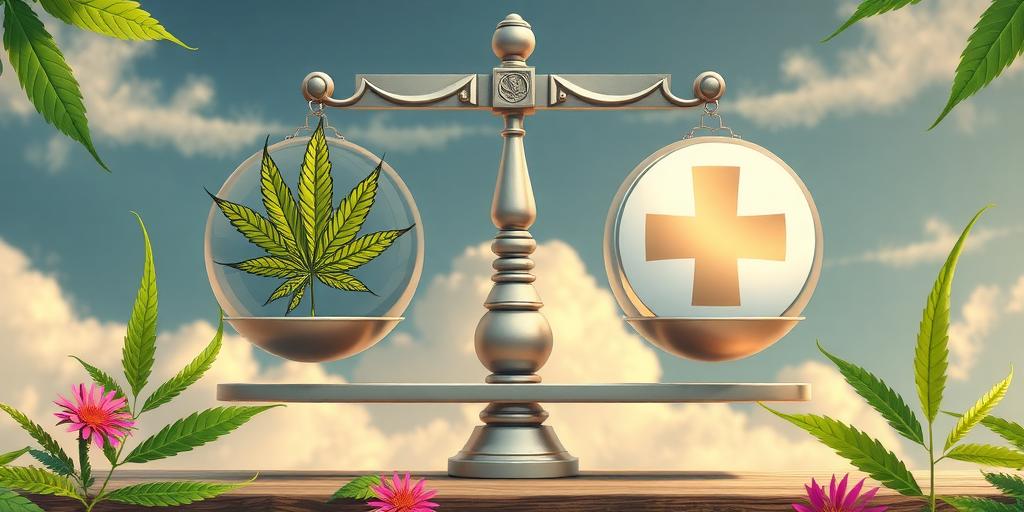
THC offers several health benefits, particularly for those facing serious medical conditions. It can help manage pain and reduce nausea, making it especially useful for individuals undergoing treatments like chemotherapy. For those with eating disorders or who struggle to maintain appetite due to medical issues, THC’s appetite-stimulating properties can be crucial. Additionally, THC may provide mood relief for those dealing with depression or PTSD, delivering a temporary sense of euphoria that can enhance quality of life.
On the other hand, CBD is often highlighted for its anti-inflammatory properties, which can assist with conditions such as arthritis and chronic pain. Many users turn to CBD for its potential to improve sleep quality and alleviate insomnia symptoms, making it a popular choice for those struggling with sleep issues. Moreover, both THC and CBD have been studied for their ability to reduce anxiety, although they may operate through different mechanisms in the body. Research indicates that CBD may influence serotonin receptors, contributing to its mood-lifting effects, while THC directly interacts with the brain’s CB1 receptors.
Both compounds also show promise in providing neuroprotective benefits, which could be advantageous for individuals with neurodegenerative diseases. As ongoing research unveils new therapeutic possibilities, many individuals find that the right cannabinoid can significantly improve their quality of life.
- THC can help manage pain and nausea, making it beneficial for those undergoing treatments such as chemotherapy.
- CBD is often used for its anti-inflammatory properties, which can assist with conditions like arthritis and chronic pain.
- Both compounds have been studied for their potential to reduce anxiety, but they may work through different mechanisms in the body.
- THC is known to stimulate appetite, which can be crucial for individuals with eating disorders or undergoing medical treatment.
- CBD may help improve sleep quality and reduce insomnia symptoms, making it a popular choice for those struggling with sleep issues.
- Research indicates that both compounds may have neuroprotective properties, potentially benefiting individuals with neurodegenerative diseases.
- THC’s effects on mood can provide relief for individuals with depression or PTSD, offering a temporary sense of euphoria.
- CBD’s influence on serotonin receptors may contribute to its mood-lifting effects, making it a useful option for anxiety management.
- Both cannabinoids show promise in managing symptoms related to chronic illnesses, improving quality of life for many patients.
- The ongoing research into the health benefits of THC and CBD continues to unveil new therapeutic possibilities.
4. Safety and Side Effects of THC and CBD
When considering THC and CBD, it’s essential to understand their safety profiles and potential side effects. THC can lead to temporary effects like dry mouth, increased heart rate, and altered perception. While these effects can be enjoyable for some, they may cause discomfort for others. Particularly, inexperienced users or those taking high doses of THC may experience heightened anxiety or even paranoia. Long-term use of THC carries risks, notably among younger users, where it can be linked to psychiatric issues.
On the other hand, CBD is generally well-tolerated and is often viewed as a safer option for those seeking therapeutic benefits without the high. Mild side effects from CBD can include fatigue, diarrhea, and changes in appetite. It’s crucial for users to consult with healthcare providers before combining CBD with other medications due to possible interactions.
For individuals needing to maintain a clear head, THC’s psychoactive effects may not be suitable, such as for professionals who require focus and coordination. Starting with lower doses of either compound helps gauge personal tolerance and response. Understanding these potential side effects is vital for responsible use, allowing users to make informed choices.
5. Legal Considerations for THC and CBD
The legal landscape for THC and CBD is complex and varies significantly across the United States. For THC, its legality often depends on state laws, with some states allowing recreational use while others restrict it to medical applications. In contrast, CBD derived from hemp is generally federally legal, provided it contains less than 0.3% THC. However, individual states may impose their own regulations, which can lead to confusion for consumers. For instance, some states have tight restrictions on how CBD products can be marketed and sold, impacting availability.
Consumers must take the initiative to understand local laws to avoid legal complications. Even though CBD is federally legal, certain workplaces may still have policies against its use, particularly if there’s any risk of impairment. This highlights the necessity for individuals to stay informed about ongoing changes in regulations, as the legal status of cannabis products continues to evolve.
Additionally, the licensing and compliance landscape can greatly influence the quality and safety of THC and CBD products. To ensure safety, consumers should only purchase from reputable sources that provide lab testing results, as this can indicate the product’s potency and purity. By understanding the legal distinctions between THC and CBD, individuals can navigate their options responsibly, making informed choices that align with their needs.
6. Recommendations for Use in 2025
For individuals looking for relaxation without any intoxication, CBD is a great choice for daily use. It is particularly helpful for managing stress and anxiety. On the other hand, THC might be more suitable for those facing specific medical issues such as chronic pain or nausea, where stronger intervention is needed. Many users find that combining THC and CBD can enhance their therapeutic effects while reducing side effects, making it a popular option.
Starting with low doses of both compounds is wise to gauge personal tolerance and effects, then gradually increasing as needed. The method of consumption matters as well; different forms like edibles, tinctures, and vaping can lead to varying effects and onset times. For newcomers to cannabis, consulting a knowledgeable healthcare provider can help tailor a suitable approach based on individual health needs.
Timing is also crucial; THC is often better for evening relaxation, while CBD can be beneficial during the day. Keeping track of personal experiences with both compounds can aid in refining usage for optimal benefits while minimizing unwanted side effects. Staying educated on the compounds’ effects and legal status will empower users to make informed choices in 2025. Finally, adapting usage strategies based on evolving research and personal experiences will enhance the benefits of both THC and CBD.
7. The Future of THC and CBD in Wellness
As research continues to advance, new therapeutic uses for THC and CBD are likely to emerge, expanding their roles in health and wellness. This is an exciting time for those interested in cannabis, as the market for these products is expected to grow significantly, leading to more innovative formulations and consumption methods. With increased societal acceptance of cannabis, we may see more comprehensive healthcare guidelines regarding the use of THC and CBD, ensuring safer and more effective applications.
Potential advancements in extraction and cultivation methods could also yield higher-quality products, enhancing their therapeutic benefits. Education initiatives will play a crucial role in informing consumers about the safe use of these compounds, helping them make informed choices tailored to their wellness needs. Collaborations between researchers and healthcare providers can further enhance our understanding of how THC and CBD can treat various conditions, especially in the realm of mental health.
Mental health treatment is an area of growing interest, with promising potential for new therapeutic protocols involving these cannabinoids. As regulations evolve, consumers are likely to see clearer labeling and marketing of cannabis products, which will contribute to safer choices in the marketplace. The changing public perception of cannabis could lead to its more widespread integration into mainstream healthcare. Overall, the future of THC and CBD in wellness looks bright, with ongoing research paving the way for new insights and applications.
Frequently Asked Questions
What is the main difference between THC and CBD?
The main difference is that THC is psychoactive, meaning it can make you feel high, while CBD is not psychoactive and does not create that effect.
Can THC or CBD be used for managing pain?
Yes, both THC and CBD are used for pain relief, but they work differently. THC can help with short-term, intense pain, while CBD is more often used for ongoing pain and inflammation.
Is one better than the other for anxiety?
It depends on the person. Some people find THC helps with anxiety, while others may feel more anxious. CBD is generally considered to be a better option for anxiety relief without the high.
Are there any side effects of using THC or CBD?
Yes, THC can cause side effects like dizziness, dry mouth, or increased heart rate, while CBD can lead to tiredness or changes in appetite. It’s important to start with a low dose.
Can I use both THC and CBD together?
Yes, many people use both together. Some find that combining them can enhance the benefits, but it’s essential to be aware of how each affects you and to find the right balance.
TL;DR In 2025, choosing between THC and CBD depends on your health goals. THC, the psychoactive component, is beneficial for appetite stimulation, pain relief, and nausea control, though it can produce a high and has potential side effects like increased anxiety. CBD offers therapeutic benefits such as anti-anxiety and anti-inflammatory properties without the high, making it suitable for daily wellness. Legal status varies, with THC being restricted in some areas, while CBD is generally legal if derived from hemp. Consider personal health needs and preferences when deciding between them.