
THC Sleep Pills: Benefits, Dosage, and Side Effects Explained

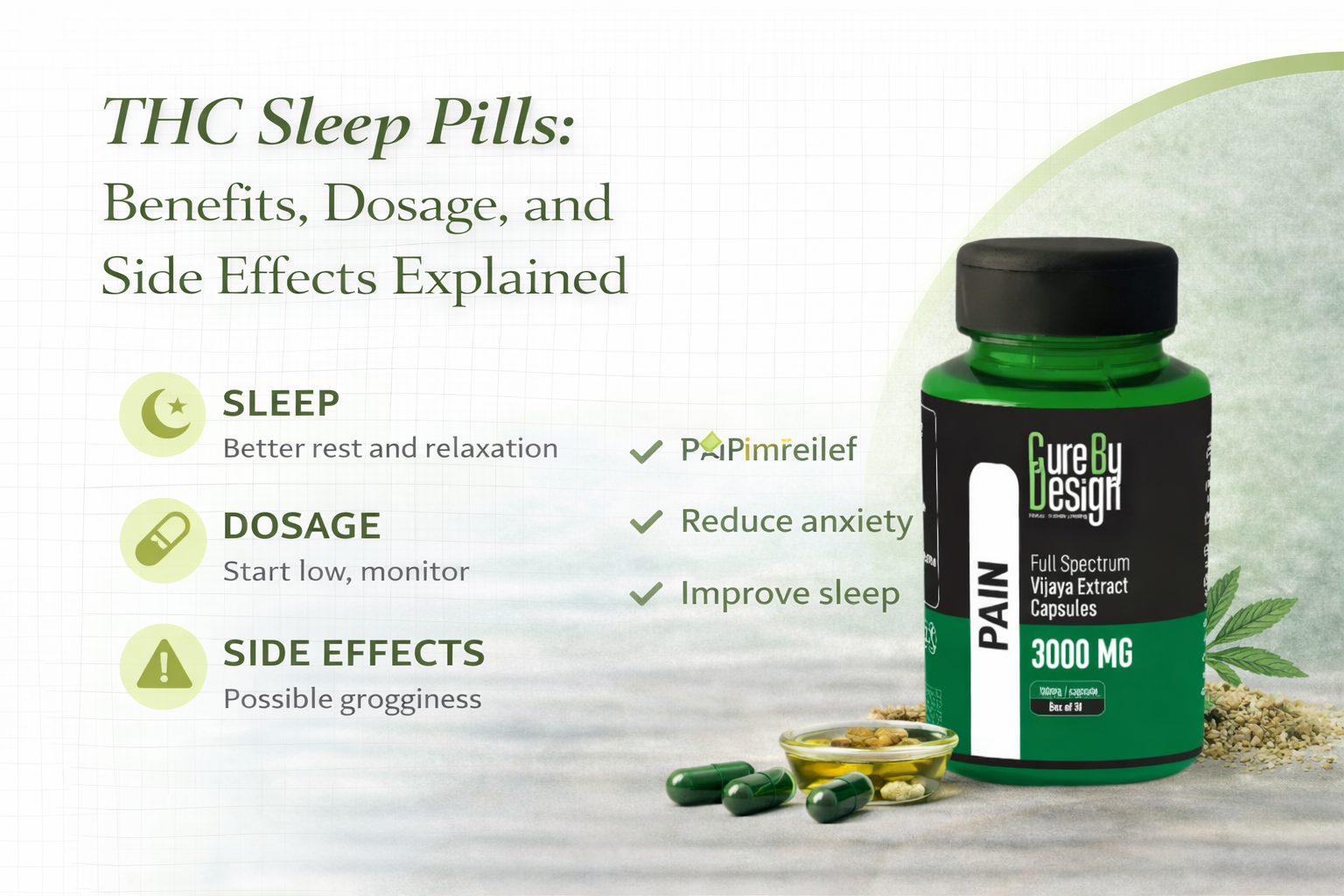
THC sleep pills present a variety of potential benefits, particularly for those struggling with sleep disorders like insomnia and PTSD. They can help users fall asleep faster and enjoy better overall sleep quality by promoting relaxation and reducing anxiety. However, starting with a low dose, typically around 1 to 2.5 mg, is crucial to minimize side effects such as dizziness and fatigue. While higher doses over 10 mg may lead to increased anxiety or disrupted sleep patterns, combining THC with other cannabinoids might enhance its effectiveness without overwhelming effects. It’s always wise to consult healthcare professionals when considering this approach for better sleep wellness.
Table of Contents
- Benefits of THC Sleep Pills
- How THC Affects Sleep Quality
- Recommended Dosage for THC Sleep Pills
- Effects of Higher THC Doses
- Different Forms of THC Consumption
- Common Side Effects of THC Sleep Pills
- Long-term Impact on Sleep Quality
- Health Considerations When Using THC
- Frequently Asked Questions
1. Benefits of THC Sleep Pills

THC sleep pills offer various benefits that can significantly improve sleep quality for many individuals. One of the key advantages is their ability to help users fall asleep faster. For those who struggle with sleep onset, THC may reduce the time it takes to drift off, providing a sense of relief. Additionally, individuals suffering from chronic pain conditions often find that THC alleviates discomfort that disrupts their sleep, allowing for a more restful night.
Improved sleep quality can also enhance daytime functioning, positively affecting mood and cognitive performance. Users frequently report that THC helps reduce the frequency of waking during the night, leading to longer, more sustained sleep periods. Some studies even suggest that THC can increase the duration of deep sleep stages, which are vital for physical restoration.
Moreover, THC can be particularly beneficial in calming racing thoughts and mental chatter, leading to a more peaceful state of mind before bed. This calming effect is especially valuable for older adults, who often experience sleep disturbances due to aging. Certain cannabis strains with higher THC levels may provide sedative effects that further enhance sleep.
Overall, THC may improve the sleep experience, leading to more restorative sleep and a feeling of waking up refreshed. Its ability to modulate pain and anxiety makes it a valuable tool for those dealing with both sleep issues and anxiety disorders.
- THC may reduce the time it takes to fall asleep, making it a potential option for those struggling with sleep onset.
- Those with chronic pain conditions may find THC helpful, as it can alleviate discomfort that disrupts sleep.
- Improved sleep can lead to better daytime functioning, enhancing mood and cognitive performance.
- Users report that THC helps reduce the frequency of waking during the night, leading to more sustained sleep periods.
- Some studies suggest THC may increase the duration of deep sleep stages, which are crucial for physical restoration.
- Using THC before bedtime may also help in reducing racing thoughts and mental chatter, promoting a calmer state of mind.
- THC has been noted to potentially improve sleep in older adults who often experience sleep disturbances due to aging.
- Certain strains of cannabis with higher THC levels may be specifically beneficial for sleep due to their sedative effects.
- THC may enhance the overall sleep experience, leading to more restorative sleep and a feeling of waking up refreshed.
- Its ability to modulate pain and anxiety can make it a valuable tool in sleep health, especially for those with dual diagnoses of anxiety and sleep disorders.
2. How THC Affects Sleep Quality
THC can have a notable impact on sleep quality. It enhances the production of melatonin, a hormone that plays a crucial role in regulating sleep cycles. This boost in melatonin can lead to better sleep quality overall. The psychoactive effects of THC also contribute to relaxation, making it easier to drift off to sleep. Many studies suggest that THC can help alleviate sleep disorders like insomnia by favorably altering sleep architecture, allowing for deeper, more restful sleep.
Low doses of THC are particularly beneficial, as they can enhance deep sleep stages. However, higher doses may disrupt REM sleep, which is essential for emotional processing and memory. Individual experiences with THC vary widely; while some users report significant improvements in sleep quality, others may face adverse reactions. THC is known to reduce sleep latency, helping users transition from wakefulness to sleep more quickly. Additionally, many users experience fewer disturbances, such as sleep apnea, contributing to a more consistent sleep pattern.
The sedative effects of THC can also lower anxiety levels, a common barrier to good sleep. By modulating the brain’s response to stress, THC creates a more conducive environment for relaxation and sleep. Users often report that their overall perception of sleep quality improves, leading to more satisfying and restorative sleep episodes.
3. Recommended Dosage for THC Sleep Pills
Starting with low doses of THC is important for anyone new to its use, with recommendations usually suggesting 1-2.5 mg for beginners to gauge their tolerance. Gradually increasing the dosage is a smart approach, as many studies indicate that 2.5 mg serves as an effective dose for enhancing sleep without causing significant side effects. For those who have some experience with THC, an upper limit of around 10 mg is often recommended, as higher doses can lead to negative effects like anxiety.
It’s essential to remember that individual responses to THC can differ widely, so some people might find they need lower or higher doses to achieve the desired sleep improvement. Keeping a record of dosage and its effects can guide users in discovering their personal sweet spot for better sleep. A sleep journal can be particularly useful, allowing users to track their sleep patterns alongside THC intake, which can reveal what works best for them.
When considering edibles, it’s important to note that their onset time can be delayed, ranging from 30 minutes to 4 hours. Therefore, starting at a low dose and being patient before increasing is crucial. Any adjustments to dosage should be made cautiously, especially after observing how the initial dose affects sleep. Consulting with a healthcare provider before starting THC for sleep is advisable, particularly for those taking other medications. Understanding one’s body and its reactions to THC will play a significant role in optimizing dosages for sleep aid.
| Dosage Range | Effects |
|---|---|
| 1-2.5 mg | Initial dose for beginners to assess tolerance. |
| 2.5 mg | Optimal dosage for sleep without significant side effects. |
| Up to 10 mg | Maximum suggested dose for experienced users. |
| Higher than 10 mg | Can lead to increased anxiety and disrupted sleep. |
| Individual Variance | Dosage effects may vary; users should find their own sweet spot. |
| Monitor Effects | Keeping a journal can aid in dosage tracking. |
| Edibles Consideration | Take longer to kick in; start low and wait before increasing. |
| Caution with Incremental Increases | Should be done carefully after observing effects. |
4. Effects of Higher THC Doses
Using higher doses of THC, especially those exceeding 10 mg, can lead to increased anxiety and feelings of paranoia, which can counteract the sleep benefits users seek. Some individuals may also find their sleep cycles disrupted, particularly experiencing a reduction in REM sleep, a stage crucial for cognitive function and emotional well-being. Interestingly, while many might think that more THC equals better sleep, higher doses can actually lead to diminished returns in sleep quality. Users often report feeling groggy the next day, which can negatively affect alertness and overall functioning.
As users continue to consume THC, they may develop a tolerance over time, prompting them to increase their dosages. However, this does not always result in improved sleep outcomes. Striking a careful balance is essential, as excessive THC can transform a restful night into a restless one, leaving users unsatisfied. Additionally, some may experience vivid dreams or even nightmares, which can be unsettling.
Moreover, consistent high THC intake can lead to physical dependence, with users finding it increasingly difficult to sleep without it, thus creating a cycle of reliance. Research suggests that higher doses may reduce the restorative aspects of sleep, potentially leading to poorer health outcomes overall. Therefore, caution is advised when considering high THC doses, as the side effects can far outweigh any potential sleep benefits.
5. Different Forms of THC Consumption
THC can be consumed in a variety of ways, each offering different benefits and effects. Smoking or vaping THC provides immediate effects, making it a suitable choice for those who need quick relief from sleep issues. On the other hand, edibles, such as gummies, deliver a longer-lasting effect but require careful dosage management because they can take anywhere from 30 minutes to 4 hours to kick in. This delay can lead some users to mistakenly consume more than needed, which may result in an uncomfortable experience.
Tinctures are another popular option, allowing users to take a controlled dose sublingually for faster absorption compared to edibles. This can be particularly helpful for those seeking immediate relief without the harshness of smoking. Additionally, different strains of cannabis can play a significant role in sleep quality, as some strains are specifically bred for their sedative effects due to higher THC content.
When choosing a form of THC, lifestyle factors come into play. For instance, smoking might not be practical for everyone, particularly for those with respiratory issues, while edibles may be more convenient for on-the-go use. It’s also important to consider the environment where THC is consumed; a calming atmosphere can enhance its sleep-inducing effects. Some users find success in combining different forms, such as using tinctures for immediate relief and edibles for sustained effects, allowing them to tailor their approach to their individual sleep needs. Experimentation with various forms can help users find the most effective method for achieving optimal sleep.
6. Common Side Effects of THC Sleep Pills
Common side effects of THC sleep pills can vary, but many users report experiencing dry mouth, which can be uncomfortable. Staying hydrated often helps manage this issue. Dizziness and lightheadedness are also reported, particularly in those who take higher doses or are new to THC. Fatigue is another frequent side effect, which can be beneficial for sleep but might lead to grogginess during waking hours.
Some individuals may find that higher amounts of THC increase feelings of anxiety or paranoia. This is especially true for those who are less experienced with cannabis. Long-term use can create a tolerance, meaning that over time, users might need to consume larger doses to achieve the same sleep benefits. This can lead to dependency, making it difficult to fall asleep without THC.
Cognitive effects, such as impaired memory or concentration, may present themselves, particularly with excessive use. Disrupted sleep cycles can occur as well, resulting in less restorative sleep and increased fatigue the next day. If someone decides to stop using THC suddenly, withdrawal symptoms can arise, which may include sleep disturbances and heightened anxiety. Therefore, it’s essential for users to monitor these effects to maintain a healthy relationship with THC sleep aids.
7. Long-term Impact on Sleep Quality
Long-term use of THC can significantly change how we sleep. One of the most notable effects is on REM sleep, the stage crucial for emotional processing. Users might initially find relief from insomnia or other sleep disorders, but over time, the body can adapt to the presence of THC. This adaptation may lead to a reduction in overall sleep quality, making it harder for users to sleep without the aid of THC, indicating a potential dependency.
Moreover, chronic use can disrupt the natural circadian rhythms, leading to irregular sleep patterns and increased daytime sleepiness. Cognitive functions may also suffer if REM sleep suppression continues, raising concerns about mental clarity and emotional health. Some studies even suggest that long-term THC use might worsen existing sleep disorders instead of providing a cure.
It’s important for users to regularly evaluate their sleep quality and assess their dependence on THC. Alternating periods of use and abstinence may help counteract the potential negative impacts on sleep. Additionally, integrating lifestyle changes, like improved sleep hygiene and stress management techniques, can support better sleep health in the long run. As research continues, gaining a clearer understanding of the long-term implications of THC on sleep and overall health becomes increasingly vital.
8. Health Considerations When Using THC
Individuals considering THC for sleep should take several health factors into account. For those with respiratory issues, smoking THC can pose risks to lung health, making alternatives like edibles or tinctures a better choice. Additionally, individuals with a history of mental health disorders should use THC cautiously, as it may exacerbate anxiety or paranoia in some cases. Consulting a healthcare professional is crucial, especially for those on other medications or who have chronic health conditions, to discuss potential drug interactions and ensure safe use.
Pregnant or breastfeeding individuals are generally advised against using THC due to potential risks to the child, emphasizing the need to understand personal health history before making decisions about THC use. It’s also important to be aware of the legal status of THC in one’s state or country, as this can affect accessibility and safety. Regular monitoring of sleep patterns and overall health is recommended to evaluate the long-term effects of THC. Maintaining healthy lifestyle habits, such as proper nutrition and exercise, can also support the benefits of THC for sleep improvement. Educating oneself about THC and its effects can empower users to make informed choices.
Frequently Asked Questions
What are THC sleep pills and how do they work?
THC sleep pills are medications that contain tetrahydrocannabinol, the main psychoactive compound in cannabis, designed to help you fall asleep. They work by interacting with receptors in the brain that regulate sleep and relaxation, making it easier for some people to drift off.
What are the potential benefits of using THC sleep pills?
Some potential benefits of THC sleep pills include helping you fall asleep faster, improving sleep quality, reducing nighttime awakenings, and easing anxiety that can interfere with sleep. However, individual experiences can vary.
How should I determine the right dosage of THC sleep pills?
Finding the right dosage of THC sleep pills can depend on factors like your body weight, tolerance, and experience with cannabis. It’s best to start with a low dose, observe how it affects your sleep, and adjust accordingly, possibly under the guidance of a healthcare professional.
Are there any side effects associated with THC sleep pills?
Yes, common side effects of THC sleep pills can include dizziness, dry mouth, fatigue, or impaired memory. Some people might also experience anxiety or increased heart rate, especially if they take too high of a dose.
Can THC sleep pills be addictive or lead to dependency?
While THC itself is not generally considered physically addictive, using THC sleep pills regularly can lead to psychological dependency for some individuals. It is important to use them as directed and consult a healthcare professional if you have concerns.
TL;DR THC sleep pills can enhance sleep quality, helping users fall asleep faster and stay asleep longer. It’s recommended to start with a low dose, typically between 1-2.5 mg, and adjust as needed, as higher doses may lead to side effects like anxiety or disrupted sleep. While they can aid in managing sleep disorders, long-term use may interfere with REM sleep and overall sleep patterns. Different consumption methods include edibles and tinctures, which can be safer than smoking. Always consult a healthcare professional for personalized guidance.