
How to Choose the Right Functional Mushroom Supplement

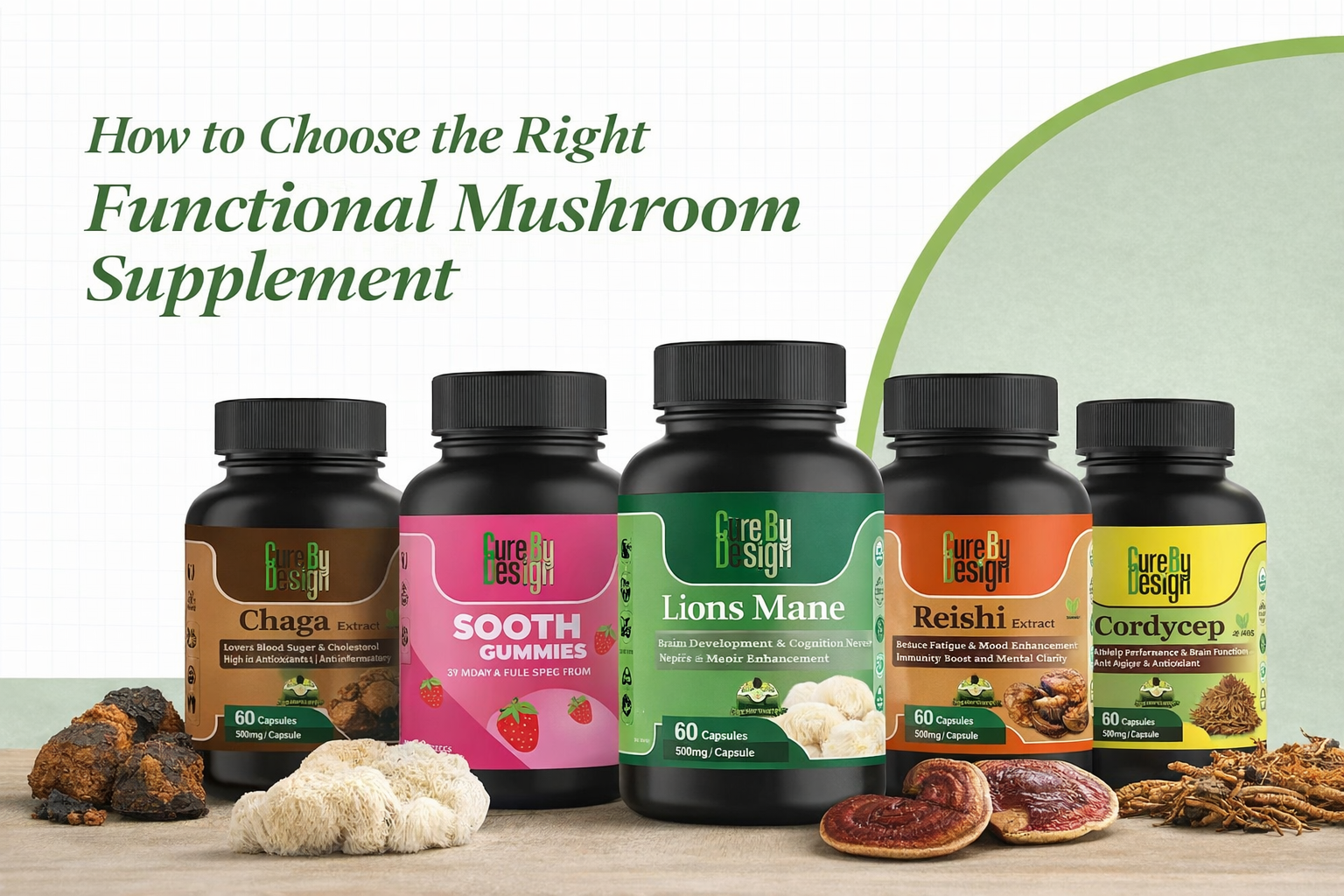
Choosing the right functional mushroom supplement can be overwhelming given the variety available. First, it’s essential to understand what makes these mushrooms special; they are packed with bioactive compounds that may boost health in various ways, like enhancing immune support and cognitive function. When selecting a supplement, look for products made from fruiting bodies rather than mycelium to ensure higher benefits. Checking for beta-glucan levels and whether the product has been third-party tested adds another layer of assurance about quality. Also consider your preferred form of the supplement, such as capsules or powders, to find what fits your lifestyle best.
Table of Contents
- Understanding Functional Mushrooms
- Key Factors to Consider When Choosing a Supplement
- Source of Ingredients
- Beta-Glucan Levels
- Extraction Method
- Concentration and Dosage
- Third-Party Testing
- Form of Supplement
- Benefits of Functional Mushroom Supplements
- Immune System Boost
- Stress Reduction
- Energy and Endurance
- Anti-Inflammatory Properties
- Common Types of Functional Mushrooms
- Maitake
- Potential Risks and Side Effects
- Recommendations for Use
- Frequently Asked Questions
Understanding Functional Mushrooms

Functional mushrooms are a distinct category that goes beyond the everyday varieties you might find in your kitchen. These mushrooms are packed with unique health benefits and bioactive compounds that can potentially support various aspects of wellness. For centuries, especially in Asian cultures, functional mushrooms have been a key component of traditional medicine, valued for their therapeutic properties. Popular types include Lion’s Mane, known for its cognitive support, Reishi, which is celebrated for its calming effects, Chaga, recognized for its antioxidant properties, and Cordyceps, often used to boost energy. Each of these mushrooms offers specific health benefits, such as enhancing immunity, improving cognitive function, and helping to manage stress. They can be cultivated on different substrates like wood or grain, which influences their nutritional profile. This means that not all functional mushrooms are created equal; their health benefits can vary based on the growing conditions. Additionally, you can enjoy these mushrooms in various forms, including capsules, powders, and teas, making them versatile additions to your diet. As research into functional mushrooms continues to grow, more evidence is emerging about how these powerful fungi can contribute to overall health, potentially making them an easy and effective way to enhance your wellness.
Key Factors to Consider When Choosing a Supplement

When selecting a functional mushroom supplement, there are several key factors to keep in mind. First, research the brand’s reputation. A quality brand will be transparent about where they source their mushrooms. Look for certifications like USDA Organic or Non-GMO to ensure ingredient quality. It’s also important to find products that provide detailed information on their sourcing practices, as this can indicate ethical and sustainable harvesting methods.
Consider the bioavailability of the supplement, which refers to how well your body can absorb its beneficial compounds. Reading customer feedback and testimonials can provide insight into the effectiveness of the product. Be cautious about any additional ingredients, such as fillers or additives, that may not contribute to the supplement’s benefits.
Evaluate the shelf life and storage recommendations to ensure the product remains potent over time. Ensure the supplement aligns with your dietary preferences, like being vegan or gluten-free. Lastly, it’s essential to understand the health benefits of each type of mushroom and see how they align with your personal health goals. Be wary of products that make bold claims about their health benefits, as these may not always be backed by scientific evidence.
- Research the brand’s reputation to ensure quality and transparency about sourcing.
- Check for certifications like USDA Organic or Non-GMO to confirm ingredient quality.
- Look for products that provide detailed information on their sourcing practices, indicating ethical and sustainable harvesting.
- Consider the bioavailability of the supplement, or how well your body can absorb the beneficial compounds.
- Review customer feedback and testimonials to gauge the effectiveness of the product.
- Be mindful of any additional ingredients that may be included, such as fillers or additives.
- Evaluate the shelf life and storage recommendations to ensure product potency over time.
- Assess whether the product meets your dietary preferences, like vegan or gluten-free options.
- Understand the target health benefits of each type of mushroom and how they align with your health goals.
- Be cautious of overly bold claims about health benefits, as these may not be scientifically supported.
Source of Ingredients
When choosing a functional mushroom supplement, the source of ingredients plays a crucial role in determining its quality and effectiveness. It’s essential to know whether the mushrooms are wild-harvested or cultivated. Wild-harvested mushrooms often thrive in their natural environments, which can lead to higher levels of beneficial compounds due to varied growing conditions. In contrast, cultivated mushrooms are typically grown in controlled environments, ensuring consistency in quality but possibly lacking some of the potency found in their wild counterparts.
Geographical location also matters. Certain regions are known for producing mushrooms with enhanced health benefits, thanks to their unique soil and climate conditions. Brands that are transparent about their sourcing practices tend to be more trustworthy. They often provide information on their supply chains, which can give you peace of mind about the quality of the product.
It’s also important to understand the difference between mycelium and fruiting bodies. Some products may contain a blend of both, and while mycelium has its benefits, fruiting bodies generally offer higher concentrations of active compounds. Additionally, consider the ethical implications of sourcing practices. Brands that support local farmers and sustainable harvesting are preferable, as they contribute to environmentally responsible practices. Be cautious of brands that do not disclose their sourcing information, as transparency is key in making informed choices about your health.
Beta-Glucan Levels
Beta-glucans are key compounds found in functional mushrooms that are known for their immune-boosting properties. Research shows that high levels of beta-glucans often correlate with improved health outcomes, making them an important factor when selecting a mushroom supplement. Different mushroom species contain varying amounts of beta-glucans, so it is essential to research which mushrooms provide the best sources. These compounds activate immune cells, helping the body respond more effectively to pathogens.
When choosing a supplement, look for products that clearly state the percentage of beta-glucans on the label. Some brands may use proprietary blends that do not disclose exact levels, so be cautious. Generally, higher concentrations of beta-glucans can indicate a more potent supplement, but remember that dosage forms can vary. Clinical studies have demonstrated that consistent intake of beta-glucans can enhance overall health markers, including regulation of blood sugar and cholesterol levels. Understanding the role of beta-glucans will empower you to make informed decisions about your functional mushroom supplements.
| Mushroom Species | Beta-Glucan Content (per 100g) | Health Benefits |
|---|---|---|
| Lion’s Mane | 1-5% | Cognitive support, nerve growth factor enhancement |
| Reishi | 1-3% | Immune support, stress reduction |
| Cordyceps | 1-10% | Energy enhancement, athletic performance |
| Chaga | 25-30% | Antioxidant properties, immune support |
| Turkey Tail | 2-5% | Gut health promotion, immune modulation |
| Maitake | 1-10% | Blood sugar regulation, immune modulation |
Extraction Method
The extraction method used in functional mushroom supplements plays a crucial role in determining the concentration of beneficial compounds in the final product. Dual extraction methods, which utilize both water and alcohol, are considered the most effective for maximizing health benefits. Some brands may opt for hot water extraction alone, which can overlook certain valuable compounds that are only extracted using alcohol. It’s essential to check the label for clear information about how the active ingredients were isolated. Look for products that use organic solvents to ensure that the extraction process is both safe and of high quality. Additionally, inquire about the extraction time and temperature, as these factors can significantly impact the potency of the final product. Brands that invest in advanced extraction technology tend to produce higher quality supplements. Understanding the common extraction techniques in the industry can help you make informed decisions. Keep in mind that the method of extraction can also influence the taste and texture of powdered forms, so quality extraction methods can enhance the overall experience and effectiveness of the supplement.
Concentration and Dosage
When it comes to functional mushroom supplements, concentration and dosage play a crucial role in achieving desired health benefits. Dosage recommendations can vary significantly, so always follow the manufacturer’s instructions. Different forms of supplements, such as capsules and powders, may also have distinct recommended dosages. Concentrated formulas often allow for lower dosages while still delivering effective benefits, which can be particularly appealing for those who prefer fewer servings per day.
Understanding the bioavailability of the supplement is essential, as it helps determine the appropriate dosage tailored to your individual needs. It’s wise to consult with a healthcare provider, especially if you have specific health goals in mind. Remember, more is not always better; excessive intake of functional mushrooms can lead to potential side effects. Some products may boast higher concentrations of active ingredients, contributing to better efficacy, so pay close attention to the serving size indicated on the label.
Tracking how your body responds to different dosages is also key to finding the right fit for you. Additionally, consider the timing of your intake, since some supplements may have optimal times for consumption, which can enhance their effectiveness.
Third-Party Testing
Third-party testing is crucial when selecting a functional mushroom supplement, as it helps confirm the purity and potency of the products. Look for supplements that display results from independent laboratories on their packaging, which can significantly enhance trust in the brand. These tests not only verify the concentration of beneficial compounds but also check for harmful contaminants, such as heavy metals, pesticides, or microbes, ensuring the safety of the product. Reputable certifications, like those from NSF, USP, or ConsumerLab, are indicators of quality and reliability. Additionally, researching the testing standards used by various laboratories can provide insights into the credibility of the results. Brands that prioritize third-party testing often demonstrate a commitment to quality and transparency, making them more trustworthy choices. Consumer reviews can also shed light on the effectiveness of products that have undergone testing, offering further assurance. Choose brands that openly share their testing results on their websites or product packaging, as this can provide greater peace of mind in your supplement selection.
Form of Supplement
Functional mushrooms come in various forms, including capsules, powders, tinctures, and teas. Choosing the right form is important and should align with your lifestyle. For instance, capsules provide convenience for on-the-go supplementation, making them a popular choice for busy individuals. On the other hand, powders can be mixed into smoothies or meals, offering versatility in how you consume them. Tinctures present a liquid option that may be easier for some to absorb, which can be beneficial if you prefer a faster onset of effects. Teas provide a soothing way to enjoy the benefits of functional mushrooms, especially for relaxation. Consider your taste preferences as well, since some forms may have stronger flavors than others, which could affect your overall experience. It’s also worth noting that absorption rates can vary; liquids are often absorbed faster than solid forms, which might impact how quickly you feel the benefits. Some brands even offer multiple forms of the same mushroom, catering to different consumer needs. If you’re unsure which form works best for you, experimenting with different options can help you discover what fits your body and routine.
Benefits of Functional Mushroom Supplements
Functional mushroom supplements offer a variety of health benefits that can enhance your overall well-being. For instance, Lion’s Mane is well-known for its ability to improve focus and memory, making it a popular choice for those seeking cognitive support. In addition, Chaga is packed with antioxidants, which help fight oxidative stress in the body, promoting better health. Reishi, often referred to as the “mushroom of immortality,” is celebrated for its calming properties, aiding in relaxation and better sleep quality, which is essential for effective stress management. For those looking to boost their athletic performance, Cordyceps can improve oxygen utilization during exercise, giving you that extra edge. Regularly consuming these mushrooms may also help reduce inflammation, contributing to a healthier body overall. Turkey Tail is particularly noteworthy for its role in supporting gut health and enhancing immune function, making it a great option for those focused on digestive wellness. Moreover, some functional mushrooms can assist in regulating blood sugar levels, which can be beneficial for individuals managing diabetes. Additionally, certain varieties can support heart health by helping to lower cholesterol levels. Incorporating functional mushrooms into your diet can lead to a more holistic approach to wellness, tapping into nature’s potential to support various aspects of health.
Immune System Boost
Functional mushrooms play a significant role in enhancing immune function. They can activate immune cells, which helps the body defend against infections. For instance, Chaga is packed with antioxidants that combat oxidative stress, while Turkey Tail contains polysaccharopeptide (PSP), known for potentially improving immune responses, especially in cancer patients. Mushrooms like Reishi may boost the activity of natural killer cells, essential for fighting off viruses and tumors. The beta-glucans found in these mushrooms encourage the production of immune cells, such as macrophages, which are crucial for immune defense. Maitake mushrooms are also notable for promoting cytokine production, further enhancing immune function. Regular consumption of these mushrooms might reduce the frequency of illnesses and even help manage autoimmune conditions by balancing immune responses and reducing inflammation.
Stress Reduction
Functional mushrooms, especially Reishi, have been used in Eastern medicine for their calming effects. Known as the “chill mushroom,” Reishi helps the body adapt to stress, promoting a sense of well-being. It is believed that daily use of Reishi can improve sleep quality, which is essential for recovery from stress. Furthermore, studies suggest that functional mushrooms, including Lion’s Mane, may lower cortisol levels, the stress hormone, helping to balance emotions. Lion’s Mane is notable for its neuroprotective effects, potentially improving mood and reducing anxiety. This can lead to enhanced cognitive function and better memory. Additionally, Chaga is known for reducing fatigue and increasing stamina, indirectly helping to lower stress levels. Incorporating functional mushrooms into your diet may pave the way for a more balanced emotional state.
Energy and Endurance
Cordyceps mushrooms have gained popularity among athletes and fitness enthusiasts for their ability to boost energy and endurance. These unique fungi are known to increase ATP production, which is essential for energy during workouts. Many athletes incorporate Cordyceps into their routines to enhance performance and minimize fatigue. Research suggests that these mushrooms might improve oxygen utilization, which can be a game-changer for physical endurance. Studies indicate that healthy individuals who consume Cordyceps show improved exercise performance, making it a valuable supplement for anyone looking to elevate their athletic capabilities.
Moreover, the increased energy levels from Cordyceps can lead to quicker recovery times after physical exertion. This means that not only can you push harder during workouts, but you can also bounce back faster, ready for your next session. Cordyceps are particularly beneficial for endurance sports like running and cycling, where stamina is crucial. Unlike caffeine, which can cause jitters and crashes, functional mushrooms like Cordyceps provide a natural energy boost, allowing for enhanced daily activity levels without the side effects often associated with stimulants.
Anti-Inflammatory Properties
Functional mushrooms are gaining recognition for their anti-inflammatory properties. For instance, Chaga mushrooms are packed with antioxidants that can help lower inflammation levels in the body, making them beneficial for conditions like arthritis. Reishi mushrooms contain compounds that not only reduce inflammation but also promote faster healing. Additionally, Lion’s Mane is believed to play a role in preventing inflammation within the nervous system, thereby supporting brain health. Chronic inflammation is often linked to a range of diseases, and incorporating functional mushrooms into your diet may help mitigate this risk. Studies suggest that the antioxidants found in these mushrooms can effectively lower inflammation markers, which may enhance the body’s ability to cope with inflammation caused by injuries or stress. Furthermore, mushrooms are known to support gut health, which is crucial for reducing systemic inflammation. Regular consumption of these anti-inflammatory mushrooms could contribute significantly to your overall well-being, making them a potent addition to an anti-inflammatory diet.
Common Types of Functional Mushrooms
Functional mushrooms come in various types, each offering unique health benefits. Lion’s Mane is famous for its potential to enhance brain health and cognitive function, making it a popular choice for those looking to improve memory. Reishi, often called the ‘mushroom of immortality’, is known for its calming properties and support for the immune system. Cordyceps is sought after for its ability to boost energy levels and improve athletic performance, making it a favorite among athletes. Chaga is highly valued for its rich antioxidant content and immune-supporting qualities, while Turkey Tail is recognized for its prebiotic properties, which promote gut health and overall immunity. Maitake mushrooms can enhance immune function and help regulate blood sugar levels, and Shiitake mushrooms are also noteworthy for their benefits related to heart health. Lastly, Porcini mushrooms are believed to have anti-inflammatory effects and can support digestive health. These functional mushrooms can be consumed in various forms, including teas, powders, and capsules, allowing for versatility based on individual health needs.
Maitake
Maitake mushrooms, also known as Hen of the Woods, have been cherished in traditional medicine for centuries, especially in Japan and China. They are packed with nutrients, including vitamins B and D, potassium, calcium, and a good amount of fiber, making them a great addition to any diet. Research indicates that Maitake may help lower blood sugar levels, which can be particularly beneficial for individuals with diabetes. The mushrooms are rich in polysaccharides, believed to enhance immune function and reduce inflammation. Additionally, Maitake has shown potential in supporting weight loss by promoting fat metabolism and stabilizing blood sugar levels. Some studies even suggest that Maitake extract may possess anti-cancer properties, especially concerning breast and liver cancer cells. With various forms available, such as capsules, powders, and teas, Maitake is versatile and can easily fit into different lifestyles. The rich, earthy flavor of Maitake also enhances meals, providing both taste and nutritional benefits. Furthermore, these mushrooms are recognized for their adaptogenic properties, helping the body manage stress and maintain balance. Maitake also supports cardiovascular health by improving cholesterol levels and promoting healthy blood pressure.
Potential Risks and Side Effects
While maitake is generally safe for most people when taken in appropriate amounts, it can cause some side effects. Some individuals might experience digestive issues, such as gas or bloating, especially when they first start taking the supplement. Those with known mushroom allergies should be cautious, as allergic reactions are possible. Maitake may also interact with certain medications, particularly anticoagulants or blood thinners, which can increase the risk of bleeding. People with autoimmune diseases should consult a healthcare provider before using maitake, as it might stimulate the immune system. Pregnant or breastfeeding women are advised to avoid maitake supplements unless guided by a healthcare professional. Additionally, high doses of maitake could lead to low blood sugar levels, resulting in dizziness or fainting. Individuals with a history of kidney or liver issues should also exercise caution and seek medical advice. It’s essential to remember that maitake should not be used as a substitute for conventional treatments for serious health conditions. As with any supplement, monitoring your body’s response is crucial, and you should discontinue use if any adverse effects occur.
Recommendations for Use
When considering Maitake supplements, it’s wise to start with a low dose to assess how your body reacts. Gradually increase the dosage if needed, but always consult with a healthcare provider before beginning, especially if you have existing health conditions or are on medication. Opt for high-quality supplements from reputable brands to ensure you are getting an effective product. Reading labels carefully is crucial; look for dosage instructions and third-party testing verification to confirm product integrity.
You can also incorporate Maitake into your diet by adding it to soups, stir-fries, or salads, enhancing your meals with its nutritional benefits. For those looking to maximize health benefits, consider combining Maitake with other functional mushrooms to take advantage of their synergistic effects. Staying hydrated and maintaining a balanced diet while using Maitake will further support your overall well-being.
Tracking your health and any changes after starting Maitake can be beneficial. Consistency is key; take Maitake regularly for a few weeks to determine its effects on your body before making any adjustments. Lastly, educate yourself about the specific health benefits of Maitake to ensure its use aligns with your personal health goals.
Frequently Asked Questions
What should I look for in a quality functional mushroom supplement?
When choosing a functional mushroom supplement, consider factors like the type of mushroom, the extraction method used, the dosage per serving, and whether it is third-party tested for purity and potency.
Are there specific mushrooms that are best for certain health benefits?
Yes, different mushrooms have unique benefits. For example, Lion’s Mane may support brain health, while Reishi is known for promoting relaxation and stress relief.
How can I tell if a mushroom supplement is safe to use?
To ensure safety, look for products that have been tested by independent laboratories, check the ingredient list for additives, and read reviews or consult with a healthcare provider.
Can I take mushroom supplements with other medications or supplements?
It’s advisable to consult your doctor before mixing mushroom supplements with other medications, as they can affect how some drugs work or cause interactions.
How long does it take to see results from functional mushroom supplements?
Results can vary depending on the individual and the specific supplement, but many people notice some effects within a few weeks of consistent use.
TL;DR Functional mushrooms provide various health benefits, such as immune support, stress reduction, and increased energy. When selecting a supplement, consider factors like the source of ingredients, beta-glucan levels, extraction methods, concentration, third-party testing, and the form of the product. Common types include Lion’s Mane, Reishi, and Chaga, each known for specific advantages. While generally safe, potential side effects may occur; consulting a healthcare provider is advisable before starting any supplement regimen.