How to Choose the Right CBD Oil for Cancer Support

CBD Oil for Cancer Support has become a topic of growing interest among patients and caregivers looking for natural wellness options. CBD, or cannabidiol, is a compound found in hemp plants that may help with various health concerns.
Many cancer patients explore CBD oil as a complementary approach to support their overall well-being. While research is still developing, some studies suggest CBD may help with common challenges like pain, nausea, sleep issues, and stress.
It’s important to understand that CBD is not a cure or treatment for cancer. Instead, it may serve as a supportive tool alongside conventional medical care to help improve quality of life.
The key is choosing the right product that meets your specific needs and circumstances. This requires understanding different types of CBD, quality standards, and proper usage guidelines.
Key Factors to Consider When Choosing CBD Oil
Your Specific Needs and Goals
Before selecting any CBD product, identify what you hope to achieve. Common goals for cancer support include:
- Managing discomfort and pain
- Improving sleep quality
- Reducing stress and anxiety
- Supporting appetite
- Enhancing overall well-being
Different CBD products may be better suited for different purposes. Understanding your primary goals helps narrow down the best options.
Your Experience Level
Are you new to CBD or have you used it before? Beginners should start with lower concentrations and gradually increase as needed.
If you’re experienced with CBD, you might prefer higher concentrations or specific formulations. Your tolerance level affects which products will work best for you.
Medical Considerations
Consider any medications you’re currently taking and potential interactions. Some medications may interact with CBD, so professional guidance is essential.
Also think about any allergies or sensitivities you have. Check ingredient lists carefully to avoid any compounds that might cause reactions.
Understanding CBD Oil Strengths and Concentrations
Low Concentration CBD (2-10%)
Low concentration CBD oils are ideal for beginners or those who need mild support. These products offer gentle effects and allow for easier dose control.
Cure by Design’s Mild (5%) provides balance and calm, making it suitable for those starting their CBD journey. The 5% concentration offers a good entry point for cancer patients seeking gentle support.
These concentrations are perfect for daily use and building tolerance gradually. They’re also suitable for long-term use without overwhelming effects.
Medium Concentration CBD (10-20%)
Medium strength CBD oils offer more noticeable effects while remaining manageable for most users. They’re suitable for those with moderate needs or some CBD experience.
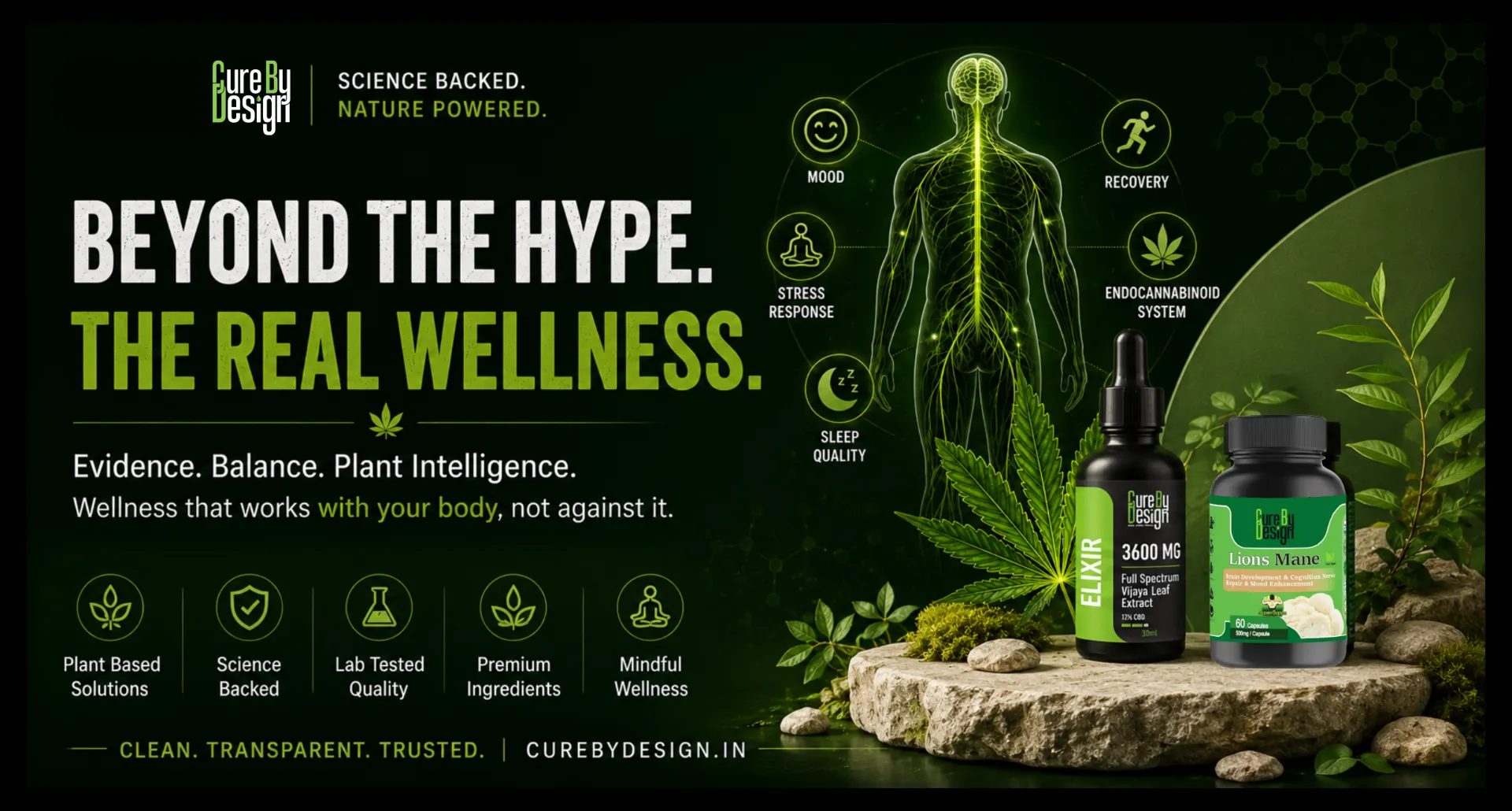
Cure by Design’s Elixir (12%) combines CBD with polyherbal blends for relaxation, sleep, and stress relief. This concentration provides enhanced benefits for cancer patients dealing with multiple concerns.
The 12% strength offers a good balance between effectiveness and manageability. It’s particularly helpful for sleep issues and stress management.
High Concentration CBD (20%+)
High concentration products are typically for experienced users or those with significant needs. They provide stronger effects but require more careful dosing.
These products are usually recommended for severe symptoms or when lower concentrations haven’t provided adequate relief.
Quality Indicators to Look For
Third-Party Lab Testing
Always choose CBD products that have been tested by independent laboratories. These tests verify the CBD content and check for harmful contaminants.
Look for certificates of analysis (COAs) that show:
- CBD and other cannabinoid content
- Pesticide testing results
- Heavy metal testing
- Microbial testing
- Residual solvent testing
Reputable companies like Cure by Design provide transparent lab testing information for all their products.
Source and Extraction Methods
High-quality CBD comes from organically grown hemp using clean extraction methods. CO2 extraction is considered the gold standard as it preserves beneficial compounds while removing unwanted materials.
Avoid products that use harsh chemical solvents or don’t specify their extraction methods. The source of hemp also matters – look for products from reputable farms with good growing practices.
Full Spectrum vs. Isolate
Full spectrum CBD contains multiple cannabinoids and compounds that work together. This “entourage effect” may enhance the benefits compared to CBD isolate.
However, some people prefer CBD isolate to avoid any trace amounts of THC. Consider your preferences and any testing requirements you might have.
Different Types of CBD Products Available
CBD Oil Tinctures
Tinctures are liquid CBD products taken under the tongue. They offer precise dosing and relatively fast absorption.
Benefits of tinctures include:
- Easy dose adjustment
- Quick onset (15-30 minutes)
- Long shelf life
- Discreet usage
CBD Capsules
Capsules provide pre-measured doses and are convenient for those who prefer not to taste CBD oil. They take longer to work but last longer.
Capsules are ideal for:
- Consistent daily dosing
- Travel convenience
- Those sensitive to taste
- Long-lasting effects
Topical CBD Products
Topical creams and balms are applied directly to the skin for localized support. They don’t enter the bloodstream significantly.
These products may help with:
- Localized discomfort
- Skin irritation
- Muscle tension
- Specific problem areas
CBD Edibles
Edibles like gummies provide a tasty way to consume CBD. They have the longest onset time but also the longest duration of effects.
Consider edibles for:
- Pleasant consumption experience
- Long-lasting effects
- Discrete usage
- Those who dislike oil taste
How to Read Lab Reports and Certificates
Understanding Cannabinoid Profiles
Lab reports show the exact amounts of different cannabinoids in the product. Look for CBD content that matches the label claims.
The report should also show:
- CBG (cannabigerol) levels
- CBC (cannabichromene) content
- THC levels (should be under 0.3% for legal products)
- Other minor cannabinoids
Contaminant Testing Results
Check that the product has been tested for:
- Pesticides and herbicides
- Heavy metals like lead and mercury
- Microbials including bacteria and mold
- Residual solvents from extraction
All results should show “not detected” or levels below safety limits.
Date and Batch Information
Ensure the lab report matches the batch number on your product. Reports should be recent and specific to your purchase.
Old reports or generic testing doesn’t guarantee the quality of your specific product.
Dosage Guidelines for Beginners
Start Low and Go Slow
Begin with the lowest possible dose and gradually increase until you find what works. This approach minimizes side effects and helps identify your optimal dose.
A typical starting dose is:
- 5-10mg per day for beginners
- Taken in the morning or evening
- Consistent timing each day
- Gradual increases every 3-7 days
Keep a Usage Journal
Track your doses, timing, and effects in a simple journal. Note:
- Amount taken
- Time of day
- Effects experienced
- Duration of effects
- Any side effects
This information helps you and your healthcare provider make informed adjustments.
Consider Your Weight and Metabolism
Larger individuals may need higher doses, while smaller people often need less. Your metabolism also affects how quickly CBD works and how long it lasts.
Factor in:
- Body weight
- Metabolism speed
- Tolerance level
- Severity of symptoms
Potential Side Effects and Precautions
Common Side Effects
Most people tolerate CBD well, but some may experience:
- Drowsiness or fatigue
- Changes in appetite
- Digestive upset
- Dry mouth
- Dizziness
These effects are usually mild and improve as your body adjusts.
Drug Interactions
CBD Oil for Cancer Support should be discussed with your medical team, especially if you’re taking other medications. CBD can affect how some drugs are processed by the liver.
Important considerations:
- Blood thinners may be affected
- Some seizure medications interact with CBD
- Certain heart medications need monitoring
- Always inform all healthcare providers about CBD use
When to Stop or Adjust
Discontinue use if you experience:
- Severe side effects
- Allergic reactions
- Worsening of symptoms
- Concerning interactions
Consult your healthcare provider before making significant changes to your routine.
When to Consult Healthcare Professionals
Before Starting CBD
Always discuss CBD use with your oncologist and medical team before beginning. They can provide guidance based on your specific situation and treatments.
Bring information about:
- The specific products you’re considering
- Your goals for CBD use
- Current medications and treatments
- Any concerns or questions
During Treatment
Keep your healthcare team informed about your CBD use throughout your treatment. Report any changes in symptoms or side effects.
Regular communication ensures:
- Safe use alongside medical treatments
- Proper monitoring of effects
- Adjustments when needed
- Coordination of care
If Problems Arise
Contact your healthcare provider immediately if you experience:
- Unexpected side effects
- Changes in other medication effectiveness
- Worsening of cancer-related symptoms
- Any concerning reactions
Recommended CBD Products for Cancer Support
For Balance and Calm
Cure by Design’s Mild (5%) offers gentle support for those beginning their CBD journey. The 5% concentration provides balanced effects without overwhelming new users.
This product is ideal for:
- Daily stress management
- Mild discomfort relief
- General wellness support
- Building tolerance gradually
For Sleep and Stress Relief
Cure by Design’s Elixir (12%) combines CBD with polyherbal ingredients for enhanced relaxation benefits.
The 12% concentration and herbal blend support:
- Better sleep quality
- Stress reduction
- Evening relaxation
- Multiple wellness needs
For Immune Support
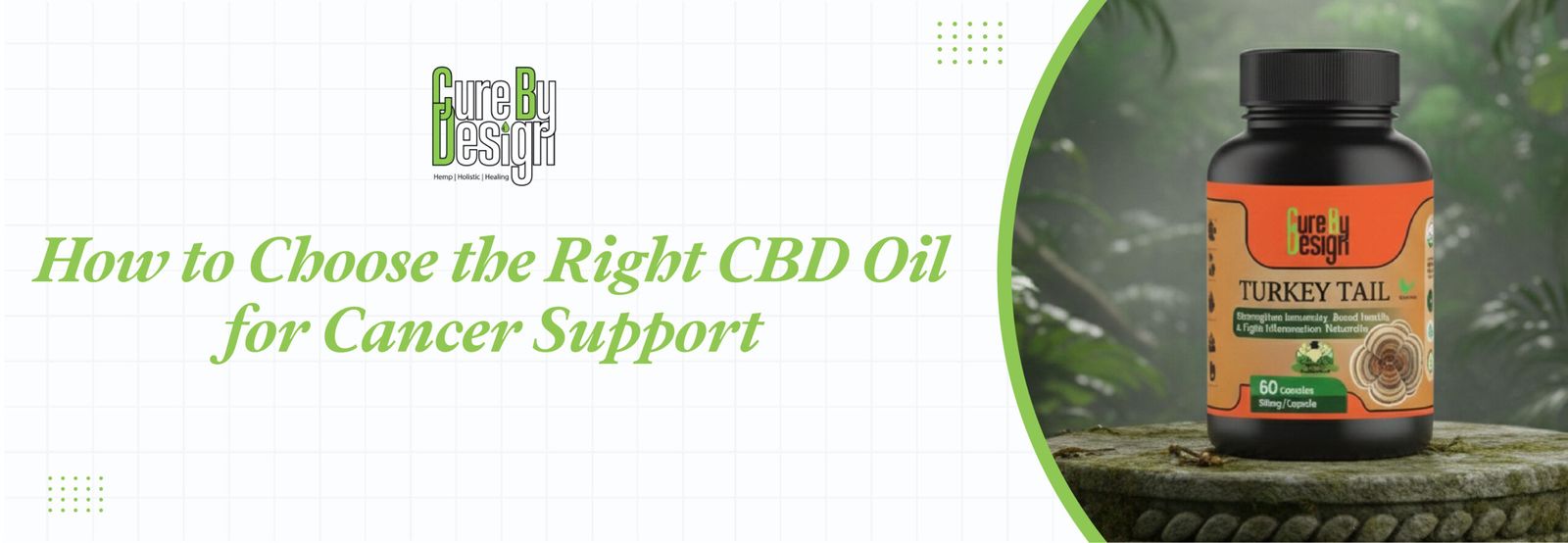
Turkey Tail supplements can complement CBD use by supporting immune function and fighting inflammation naturally.
Benefits include:
- Enhanced immune response
- Natural inflammation support
- Antioxidant properties
- Complementary wellness support
Building a Support Routine
Creating Consistency
Establish a regular routine for CBD use to maximize benefits. Consistency helps your body adapt and provides more predictable effects.
Consider factors like:
- Best time of day for your goals
- Meal timing and absorption
- Other medication schedules
- Daily activity patterns
Combining with Other Wellness Practices
CBD works best as part of a comprehensive wellness approach. Consider combining with:
- Regular exercise (as able)
- Stress reduction techniques
- Proper nutrition
- Adequate sleep
- Social support
Monitoring and Adjusting
Regularly assess how well your routine is working. Be prepared to make adjustments based on:
- Changes in symptoms
- Treatment schedule modifications
- Seasonal variations
- Life circumstances
Tracking Your Progress
What to Monitor
Keep track of various aspects of your wellness journey:
- Sleep quality and duration
- Pain or discomfort levels
- Appetite and energy
- Mood and stress levels
- Overall quality of life
Using a Simple Rating System
Rate each area on a scale of 1-10 daily. This simple system helps identify trends and improvements over time.
Look for patterns in:
- Best and worst days
- Timing of improvements
- Dose-response relationships
- External factors affecting wellness
Sharing with Your Team
Regularly share your tracking information with your healthcare team. This data helps them understand how CBD is affecting your overall care.
Frequently Asked Questions
Is CBD Legal?
Hemp-derived CBD with less than 0.3% THC is federally legal in most places. However, laws vary by location, so check local regulations.
How Long Does CBD Take to Work?
Effects depend on the product type:
- Sublingual oils: 15-30 minutes
- Capsules: 1-2 hours
- Topicals: 15-45 minutes
- Edibles: 1-3 hours
Can I Take CBD with Chemotherapy?
This depends on your specific treatment protocol. Always consult with your oncologist before combining CBD with any cancer treatments.
Will CBD Make Me Feel High?
Properly made CBD products with less than 0.3% THC should not cause intoxicating effects. Any psychoactive effects would be very minimal.
Choosing the right CBD Oil for Cancer Support requires careful consideration of your individual needs, quality standards, and medical circumstances. Start with reputable companies like Cure by Design that provide transparent testing and quality products.
Remember that CBD is most effective as part of a comprehensive care plan developed with your healthcare team. Take time to find the right product and dosing schedule for your unique situation.
Begin your journey with high-quality products, proper guidance, and realistic expectations. With patience and consistency, CBD may provide valuable support during your wellness journey.
Ready to explore CBD options? Visit Cure by Design to learn more about their tested, quality CBD products designed for your wellness needs.