

Blog
How Hemp Fiber Is Made: Key Properties and Modern Applications

Hemp fiber is a versatile and sustainable material obtained from the stalks of the Cannabis sativa plant, noted for its long history in textiles and various products. The process begins with cultivation, where hemp thrives in moderate climates and grows tall. After harvesting, fibers undergo retting through methods like dew or water retting to break down tough components. Once clean, these fibers can be spun into yarn. Hemp fiber exhibits remarkable strength and durability, high moisture absorbency, and natural antimicrobial properties, making it suitable for textiles and construction materials. Despite production challenges linked to equipment limitations and stigmas, growing demand for eco-friendly alternatives presents exciting opportunities ahead.
Table of Contents
- Overview of Hemp Fiber
- Production Process of Hemp Fiber
- Key Properties of Hemp Fiber
- Modern Applications of Hemp Fiber
- Challenges and Opportunities in Hemp Production
- Frequently Asked Questions
1. Overview of Hemp Fiber
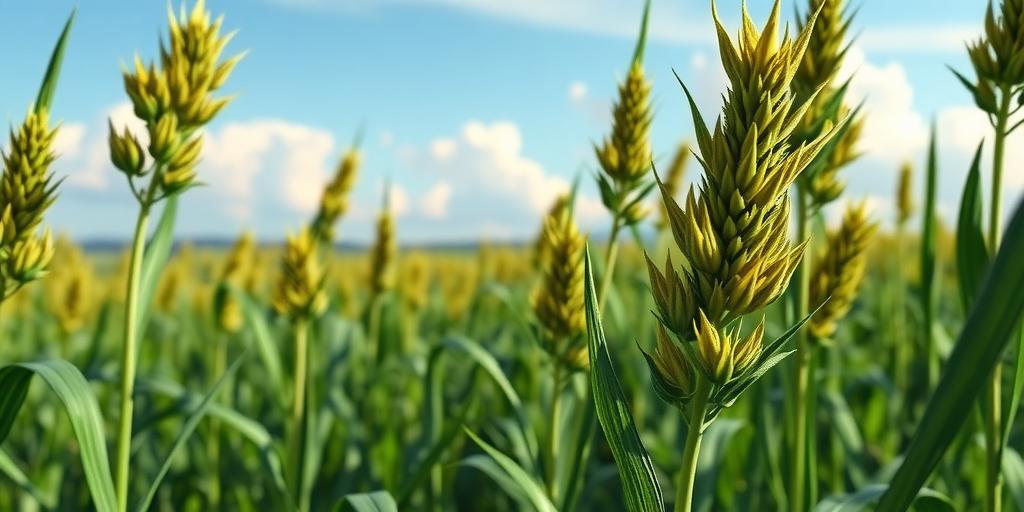
Hemp fiber is a natural fiber obtained from the stalks of the Cannabis sativa plant. This fiber has a long history, stretching back thousands of years, and has been used for various purposes like textiles, paper, and ropes. There are two main types of hemp fibers: bast fibers and core fibers. Bast fibers are the long, strong fibers found on the outside of the hemp stalk, making them ideal for textiles and durable goods. Core fibers, on the other hand, are shorter and woody, typically used in construction and paper products. Hemp cultivation is known for its environmental sustainability. It requires less water and no synthetic pesticides, which is a significant advantage compared to other crops. The versatility of hemp fiber allows it to be used across multiple industries, including fashion, construction, and automotive. Its rich cultural and economic history has made it a vital resource for many communities. Because of its strength and durability, hemp fiber is often utilized in products that demand resilience, such as ropes and nets. Recently, as consumers increasingly seek eco-friendly alternatives to synthetic fibers, there has been a resurgence in the production and use of hemp fiber.
2. Production Process of Hemp Fiber
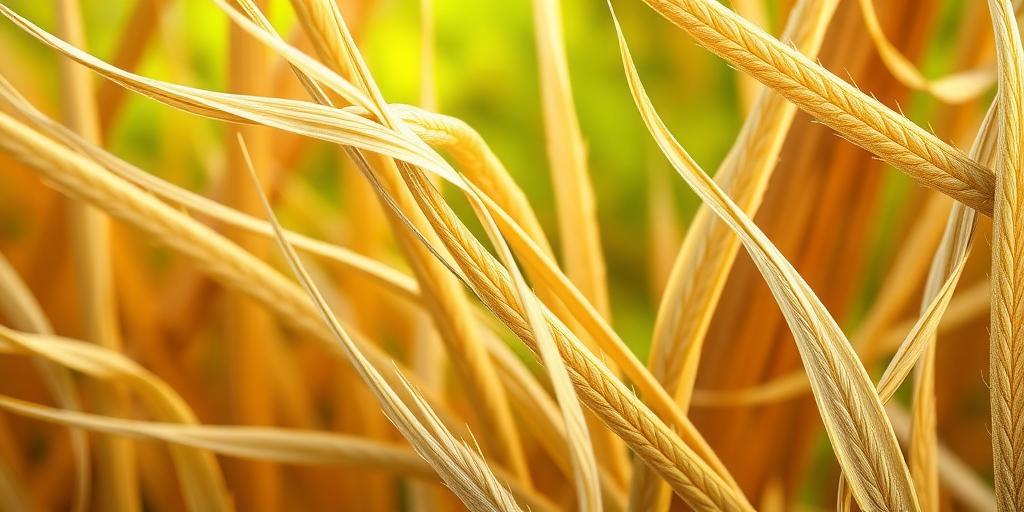
The journey of hemp fiber begins with its straightforward cultivation. This plant thrives in various soil types and grows quickly, often reaching heights over 10 feet. Farmers typically harvest hemp in mid-August, timing it perfectly when the stalks contain the maximum fiber content. After harvesting, the next key step is retting, a process that breaks down the pectin binding the fibers to the plant. Dew retting is the most common method, where stalks are laid in the field for several weeks to allow natural decomposition, which helps preserve the quality of the fibers. Alternatively, water retting can yield higher quality fibers, but its environmental impact raises concerns due to significant water usage and potential pollution. For a more eco-friendly approach, enzymatic and chemical retting provide controlled methods that minimize ecological harm.
Once retting is complete, the fibers need to be cleaned and processed. This involves mechanical techniques like breaking and scutching, which separate the fibers from the woody core. Following this, carding aligns the fibers before they are spun into yarn, ready for textile production. It’s important to note that the entire production process can vary based on the intended use of the fiber. For instance, fibers meant for textiles may require different techniques than those used for construction materials. Recent advancements in technology have further improved the efficiency and quality of hemp fiber processing, making it a more competitive option in the modern market.
3. Key Properties of Hemp Fiber
Hemp fibers stand out for their remarkable strength, making them one of the strongest natural fibers available. This strength allows them to endure significant wear and tear, making hemp suitable for demanding applications such as industrial textiles, ropes, and more. In addition to their durability, hemp fibers are highly absorbent, capable of regaining around 10-12% moisture, which is particularly beneficial for items like towels that require effective moisture management.
Another key property is their natural antimicrobial qualities, which help inhibit the growth of bacteria and mildew. This feature enhances the longevity of products made with hemp, making them ideal for clothing and bedding. Hemp is also biodegradable, breaking down naturally in the environment, which aligns with eco-friendly practices and supports sustainability efforts.
When compared to cotton, hemp cultivates with significantly less water, thus minimizing its ecological footprint. This aspect is crucial in today’s world, where water conservation is increasingly important. Additionally, hemp fibers contribute to sustainability by offering a renewable resource that can be grown annually. As they are washed, they soften, providing comfort for clothing, while their natural UV resistance offers added protection for products exposed to sunlight, such as outdoor fabrics.
The versatility of hemp fibers extends to their ability to be blended with other materials, enhancing their properties and broadening their applications in various industries.
| Property | Description |
|---|---|
| Strength and Durability | One of the strongest natural fibers, ideal for creating robust products. |
| Absorbency | High moisture regain of 10-12%, suitable for textiles like towels. |
| Antimicrobial Properties | Natural resistance to bacteria and mildew, enhancing product longevity. |
| Biodegradability | Breaks down naturally, reducing environmental impact. |
| Sustainability | Requires significantly less water than cotton, promoting eco-friendliness. |
4. Modern Applications of Hemp Fiber
Hemp fiber is making a significant impact across various industries due to its versatility and eco-friendliness. In the textile sector, it is gaining traction for clothing, with brands producing stylish pieces like t-shirts, dresses, and jeans that appeal to environmentally conscious consumers. Home textiles, such as sheets and towels, benefit from hemp’s durability and comfort, making them ideal for everyday use. The automotive and construction industries are also embracing hemp fibers, utilizing them as reinforcement materials in composite products, which enhances strength while reducing weight.
In addition to textiles, hemp offers a sustainable alternative in the paper industry. Hemp paper is known for its high quality and durability, providing a responsible choice that reduces reliance on traditional wood-based paper. The personal care sector is not left out, as hemp’s moisturizing properties make it a popular ingredient in cosmetics and skincare products. Furthermore, building materials made from hemp, such as insulation and biocomposite panels, contribute to energy efficiency and sustainability in construction projects.
Hemp fibers are increasingly used in eco-friendly packaging solutions, addressing the growing concerns about plastic waste. Innovative applications are emerging in the form of biodegradable plastics and eco-friendly composites, broadening hemp’s reach into various industries. The continuous exploration of hemp’s potential inspires new product development, reinforcing its place as a sustainable option that aligns with modern consumer values.
- Hemp is increasingly popular in the textile industry, used for clothing items like t-shirts, dresses, and jeans.
- Home textiles, such as sheets and towels made from hemp, offer durability and comfort for everyday use.
- In the automotive and construction industries, hemp fibers serve as reinforcement materials in composite products.
- Hemp paper is a sustainable alternative to traditional wood-based paper, offering high-quality and durability.
- Personal care products, including cosmetics, often utilize hemp due to its moisturizing and skin-friendly properties.
- Building materials made from hemp, such as insulation and biocomposite panels, contribute to energy efficiency and sustainability.
- Hemp fibers are used in eco-friendly packaging solutions, addressing concerns about plastic waste.
- Hemp is finding a place in the fashion industry, with brands producing stylish, sustainable clothing.
- Innovative applications of hemp include biodegradable plastics and eco-friendly composites for various industries.
- The versatility of hemp fiber continues to inspire new product development across different sectors.
5. Challenges and Opportunities in Hemp Production
The hemp industry is currently navigating a complex landscape filled with both challenges and opportunities. One major hurdle is the lack of specialized machinery needed for efficient processing of hemp fibers. This inefficiency can slow down production and increase costs for farmers and manufacturers. Additionally, lingering stigma around hemp, largely due to its association with marijuana, affects public perception and can complicate legal regulations. This stigma can deter investment and limit market growth.
Farmers interested in cultivating hemp often struggle with limited access to resources and funding, which can stifle the expansion of hemp production. However, these challenges present an opportunity for growth. As demand for sustainable products rises, there is a growing market for hemp textiles and composites, driving innovation in the sector.
Moreover, the potential for hemp to contribute to the circular economy is significant, as every part of the plant can be utilized, minimizing waste. Regulatory changes and clarifications around hemp production could pave the way for increased investment and development in this field. Education and training in hemp cultivation and processing are vital to overcoming current limitations, providing farmers and manufacturers with the skills they need to succeed.
Collaboration among farmers, manufacturers, and researchers can enhance the efficiency of the hemp supply chain, ensuring quality and reducing costs. As the focus on sustainable practices intensifies, environmentally conscious consumers are likely to be drawn to hemp products, further fueling market demand.
Frequently Asked Questions
What is hemp fiber and how is it different from other fibers?
Hemp fiber comes from the stalks of the hemp plant. It’s known for being strong and durable, making it different from other fibers like cotton or synthetic materials, which may not have the same level of toughness.
How is hemp fiber processed from the plant to the final product?
Processing hemp fiber involves several steps: first, the plants are harvested. Then, the stalks are retted, which means they’re soaked in water to separate the fibers from the woody parts. After that, the fibers are dried, cleaned, and can be spun into yarn or fabric.
What are the key properties of hemp fiber that make it popular in various industries?
Hemp fiber is popular because it is strong, naturally resistant to mold and UV light, and it is biodegradable. These properties make it suitable for clothing, ropes, and eco-friendly building materials.
What modern applications are there for hemp fiber today?
Today, hemp fiber is used in a variety of applications including clothing, textiles, biodegradable plastics, construction materials, and even in environmentally friendly paper products. Its versatility is a significant reason for its resurgence.
Are there any environmental benefits of using hemp fiber compared to synthetic materials?
Yes, using hemp fiber has several environmental benefits. It requires less water and pesticides compared to cotton, and since it is biodegradable, it breaks down naturally, reducing pollution from synthetic materials. This makes it a more sustainable option for the planet.
TL;DR Hemp fiber, derived from the Cannabis sativa plant, is a strong and durable material with a rich history of use in textiles, paper, and ropes. The production process involves growing the plant, retting to separate fibers, and cleaning them for use. Key properties include high absorbency, antimicrobial benefits, and biodegradability, making it an eco-friendly option compared to cotton. Modern applications range from clothing and building materials to personal care products. However, challenges such as the stigma surrounding hemp and limited processing machinery exist, though opportunities are growing with the demand for sustainable materials.