

Blog
How Does Cannabis Affect Your Mental Health?

Cannabis affect on mental health has become one of the most discussed topics in medical research today. As more countries legalize cannabis for medical and recreational use, understanding how this plant impacts our psychological well-being becomes increasingly important. The relationship between cannabis and mental health is complex, with both potential benefits and risks that vary significantly from person to person.
Understanding Cannabis and Mental Health
The way cannabis affects mental health depends on numerous factors including the specific compounds in the plant, dosage, frequency of use, individual genetics, and existing mental health conditions. Cannabis contains over 100 different cannabinoids, with THC (tetrahydrocannabinol) and CBD (cannabidiol) being the most well-studied compounds.
THC is the psychoactive component that produces the “high” associated with cannabis use, while CBD is non-psychoactive and often associated with therapeutic effects. The ratio of these compounds in different cannabis products can significantly influence how cannabis affects your mental state.
The Complexity of Cannabis Research
Mental health research involving cannabis faces unique challenges. The illegal status of cannabis in many regions has limited comprehensive studies for decades. Additionally, cannabis products vary widely in their chemical composition, making it difficult to standardize research findings.
Recent studies suggest that cannabis affect on mental health can be both positive and negative, depending on various factors:
- Individual brain chemistry
- Age of first use
- Frequency and amount of consumption
- Type of cannabis product used
- Existing mental health conditions
- Social and environmental factors
The Science Behind How Cannabis Affects the Brain
To understand how cannabis affects mental health, we need to explore the endocannabinoid system (ECS). This complex network of receptors, enzymes, and endocannabinoids plays a crucial role in regulating mood, memory, sleep, appetite, and stress response.
The Endocannabinoid System
The ECS consists of two main types of receptors:
CB1 Receptors: Primarily found in the brain and central nervous system, these receptors are responsible for the psychoactive effects of THC.
CB2 Receptors: Mainly located in the immune system and peripheral tissues, these receptors are associated with anti-inflammatory effects.
When you consume cannabis, the cannabinoids interact with these receptors, potentially affecting:
- Neurotransmitter release
- Brain communication pathways
- Emotional processing
- Memory formation
- Stress response mechanisms
Brain Development and Cannabis
The human brain continues developing until approximately age 25, with the prefrontal cortex being one of the last areas to mature. This region is responsible for:
- Decision-making
- Impulse control
- Planning and organization
- Emotional regulation
Cannabis use during this critical development period may have more significant effects on mental health than use in adulthood.
Short-Term Effects of Cannabis on Mental Health
Understanding the immediate ways cannabis affects mental health is essential for making informed decisions about use. Short-term effects can vary dramatically based on the factors mentioned earlier.
Positive Short-Term Effects
Many users report beneficial short-term effects including:
Relaxation and Stress Relief: Cannabis may help reduce feelings of stress and promote relaxation, which can be beneficial for individuals dealing with high-pressure situations or anxiety.
Mood Enhancement: Some people experience improved mood and feelings of euphoria, which can provide temporary relief from negative emotions.
Social Connection: Cannabis use in social settings may enhance feelings of connection and reduce social anxiety for some individuals.
Creative Thinking: Some users report enhanced creativity and different thought patterns that can be beneficial for artistic or problem-solving activities.
Potential Negative Short-Term Effects
However, cannabis affect on mental health isn’t always positive. Short-term negative effects may include:
Anxiety and Paranoia: Particularly with high-THC products, some users experience increased anxiety, paranoia, or panic attacks.
Memory and Concentration Issues: Cannabis can impair short-term memory and make it difficult to focus on tasks.
Altered Perception: Changes in time perception, spatial awareness, and sensory processing can be disorienting.
Mood Swings: Some individuals experience unpredictable emotional changes or increased emotional sensitivity.
Long-Term Mental Health Implications
The long-term effects of how cannabis affects mental health are still being researched, but several patterns have emerged from available studies.
Potential Long-Term Benefits
Chronic Pain Management: For individuals whose mental health is impacted by chronic pain, cannabis may provide relief that improves overall psychological well-being.
PTSD Symptom Management: Some research suggests cannabis may help manage symptoms of post-traumatic stress disorder, including nightmares and hypervigilance.
Appetite and Sleep Regulation: Cannabis may help regulate sleep patterns and appetite, which are crucial components of mental health.
Potential Long-Term Risks
Dependency and Addiction: While less addictive than many substances, cannabis can lead to dependency, particularly in individuals with predisposing factors.
Cognitive Changes: Long-term heavy use may be associated with changes in memory, attention, and executive function.
Mental Health Disorders: There may be links between heavy cannabis use and the development or worsening of certain mental health conditions.
Motivation Changes: Some long-term users report decreased motivation or ambition, though this relationship is complex and not fully understood.
Cannabis and Specific Mental Health Conditions
The way cannabis affects different mental health conditions varies significantly, and research continues to evolve in this area.
Anxiety Disorders
The relationship between cannabis and anxiety is particularly complex:
Low-Dose CBD: May help reduce anxiety symptoms without psychoactive effects.
High-Dose THC: Often increases anxiety and may trigger panic attacks in susceptible individuals.
Individual Variation: Some people find cannabis helpful for anxiety management, while others experience worsened symptoms.
Depression
Research on cannabis and depression shows mixed results:
Potential Benefits: Some users report improved mood and decreased depressive symptoms.
Potential Risks: Heavy use may worsen depression or interfere with motivation and daily functioning.
Medication Interactions: Cannabis may interact with antidepressant medications, requiring medical supervision.
Bipolar Disorder
Cannabis affect on bipolar disorder requires special consideration:
Mood Episodes: Cannabis use may trigger manic or depressive episodes in some individuals with bipolar disorder.
Medication Interactions: Cannabis can interact with mood stabilizers and other psychiatric medications.
Sleep Disruption: Changes in sleep patterns from cannabis use can trigger mood episodes.
Psychotic Disorders
The relationship between cannabis and psychotic disorders is one of the most studied areas:
Risk Factors: High-THC cannabis use, particularly in adolescence, may increase the risk of developing psychotic disorders in vulnerable individuals.
Symptom Exacerbation: Cannabis use may worsen symptoms in people already diagnosed with schizophrenia or other psychotic disorders.
Family History: Individuals with a family history of psychotic disorders may be at higher risk for negative effects.
Medical Cannabis Benefits for Mental Health
When used appropriately and under medical supervision, cannabis may offer benefits for certain mental health conditions.
Evidence-Based Applications
PTSD Management: Some studies suggest cannabis may help reduce PTSD symptoms, including nightmares and hyperarousal.
Chronic Pain and Mental Health: For individuals whose mental health is impacted by chronic pain, medical cannabis may provide dual benefits.
Appetite and Weight Issues: In conditions where appetite loss affects mental health, cannabis may help restore normal eating patterns.
Sleep Disorders: Cannabis may help regulate sleep in individuals with insomnia or other sleep disturbances that impact mental health.
The Importance of Medical Supervision
Medical cannabis use for mental health conditions should always involve healthcare professional guidance:
- Proper dosing and strain selection
- Monitoring for drug interactions
- Regular assessment of benefits and risks
- Adjustment of treatment plans as needed
Risk Factors and Vulnerable Populations
Certain groups may be more susceptible to negative mental health effects from cannabis use.
Age-Related Risks
Adolescents and Young Adults: The developing brain is more vulnerable to the potential negative effects of cannabis, particularly high-THC products.
Older Adults: May be more sensitive to cannabis effects and at higher risk for drug interactions.
Genetic Factors
Family History: Individuals with family histories of mental health disorders or substance abuse may be at higher risk.
Genetic Variations: Differences in how individuals metabolize cannabinoids can affect both benefits and risks.
Environmental Factors
Stress Levels: High-stress environments may increase vulnerability to negative cannabis effects.
Social Support: Strong social support systems may reduce risks associated with cannabis use.
Access to Healthcare: Regular medical monitoring is important for safe cannabis use.
Safe Usage Guidelines
For those who choose to use cannabis, following safety guidelines can help minimize mental health risks.
Start Low and Go Slow
- Begin with minimal doses
- Wait for effects before consuming more
- Gradually increase if needed
- Monitor mental health changes
Choose Quality Products
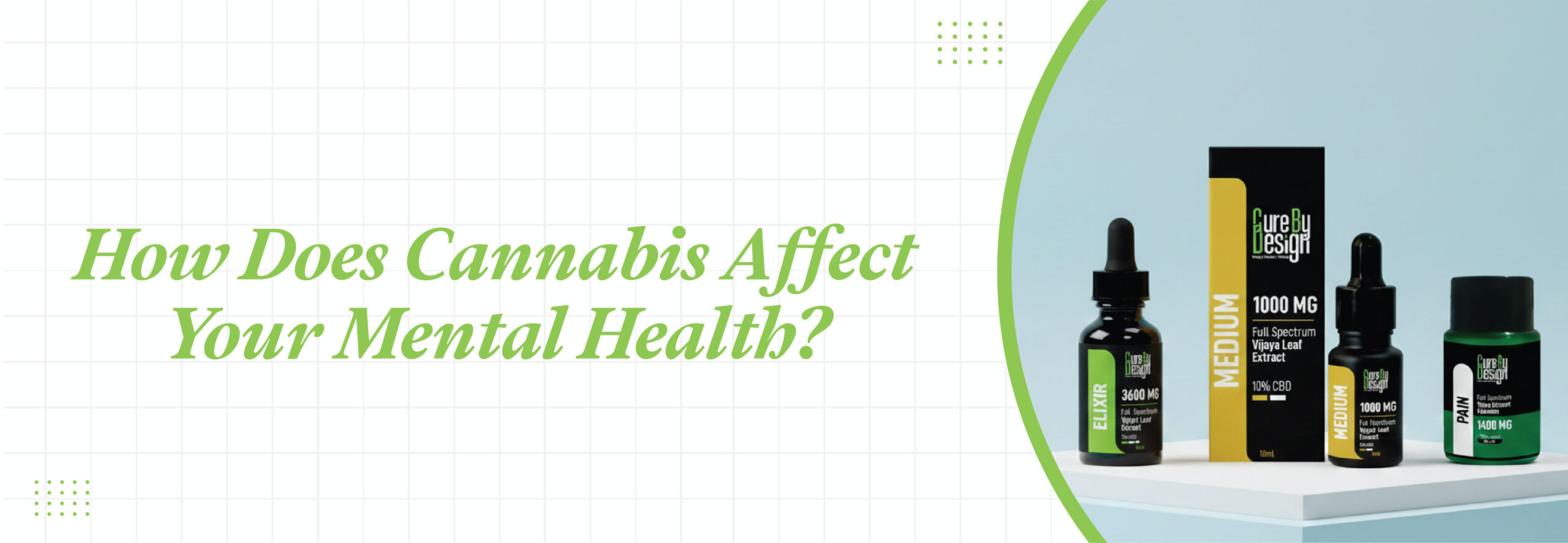
When considering cannabis products, quality matters significantly. Cure by Design offers carefully crafted products that undergo rigorous testing to ensure consistency and safety. Their THC-dominant formulations are designed with medical applications in mind, providing reliable dosing and effects.
Avoid High-Risk Situations
- Don’t use cannabis when stressed or anxious
- Avoid use before important decisions or events
- Never combine with alcohol or other substances without medical advice
- Be aware of your mental state before using
Monitor Your Response
Keep track of how cannabis affects your mental health:
- Mood changes
- Sleep patterns
- Anxiety levels
- Cognitive function
- Motivation and energy levels
When to Seek Professional Help
It’s important to recognize when cannabis use may be negatively affecting your mental health and when professional help is needed.
Warning Signs
Increased Anxiety or Depression: If cannabis use is associated with worsening mental health symptoms.
Dependency Concerns: When you feel unable to function without cannabis or experience withdrawal symptoms.
Relationship or Work Problems: If cannabis use interferes with important life areas.
Risky Behaviors: Engaging in dangerous activities while under the influence.
Finding the Right Healthcare Provider
Look for healthcare providers who:
- Have experience with cannabis and mental health
- Take a non-judgmental approach
- Consider all treatment options
- Provide evidence-based recommendations
The Role of Quality Products in Mental Health Outcomes
The quality and consistency of cannabis products play a crucial role in mental health outcomes. Products from reputable companies like Cure by Design undergo extensive testing to ensure:
Accurate Dosing
Consistent cannabinoid content allows users to predict and control their experience, reducing the risk of unexpected mental health effects.
Purity and Safety
Quality products are free from contaminants like pesticides, heavy metals, and harmful microorganisms that could negatively impact health.
Strain Specificity
Different cannabis strains have unique effects profiles. Quality producers provide detailed information about their products’ expected effects and appropriate uses.
Medical-Grade Standards
Companies focused on medical applications maintain higher standards for consistency, safety, and effectiveness.
Making Informed Decisions About Cannabis and Mental Health
Understanding how cannabis affects mental health requires considering multiple factors and individual circumstances. While research continues to evolve, several key principles can guide decision-making:
Individual Response Varies: What works for one person may not work for another, and effects can change over time.
Quality Matters: Using products from reputable sources with consistent testing and quality standards is crucial for safety and effectiveness.
Medical Supervision: For individuals with existing mental health conditions or those using cannabis for medical purposes, professional guidance is essential.
Risk Assessment: Consider personal risk factors including age, family history, and current mental health status.
The relationship between cannabis and mental health is complex and highly individual. While cannabis may offer benefits for some mental health conditions when used appropriately, it also carries risks that must be carefully considered. As research continues to expand our understanding, the importance of making informed decisions based on current evidence, individual circumstances, and professional guidance cannot be overstated.
Whether you’re considering cannabis for medical purposes or are concerned about its effects on mental health, consulting with qualified healthcare providers and choosing high-quality products from trusted sources like Cure by Design can help ensure the safest and most effective outcomes. Remember that mental health is a journey, and any treatment decisions should be made with careful consideration of all available options and their potential impacts on your overall well-being.
Ready to learn more about quality cannabis products for medical use? Explore Cure by Design’s THC-dominant formulations or visit their main website for comprehensive information about their medical cannabis offerings.