
Hempcrete in 2025: Benefits, Uses, and Eco-Friendly Advantages

Hempcrete is gaining attention as a sustainable building material in 2025 due to its unique properties. Made from hemp hurds and a lime-based binder, it acts primarily as an insulation medium rather than a structural component. This eco-friendly option effectively absorbs more carbon dioxide than it emits, making it carbon negative. Its natural composition ensures that indoor air remains free of harmful chemicals and helps regulate humidity, which is vital in damp environments. Besides providing excellent thermal insulation for buildings, hempcrete’s moisture-resistant qualities contribute to healthier living spaces. Its increasing acceptance in construction reflects the growing demand for sustainable products in our modern world.
Table of Contents
- What is Hempcrete?
- Benefits of Hempcrete
- Uses of Hempcrete in Construction
- Eco-Friendly Advantages
- Challenges Facing Hempcrete
- Future Outlook for Hempcrete
- Frequently Asked Questions
1. What is Hempcrete?
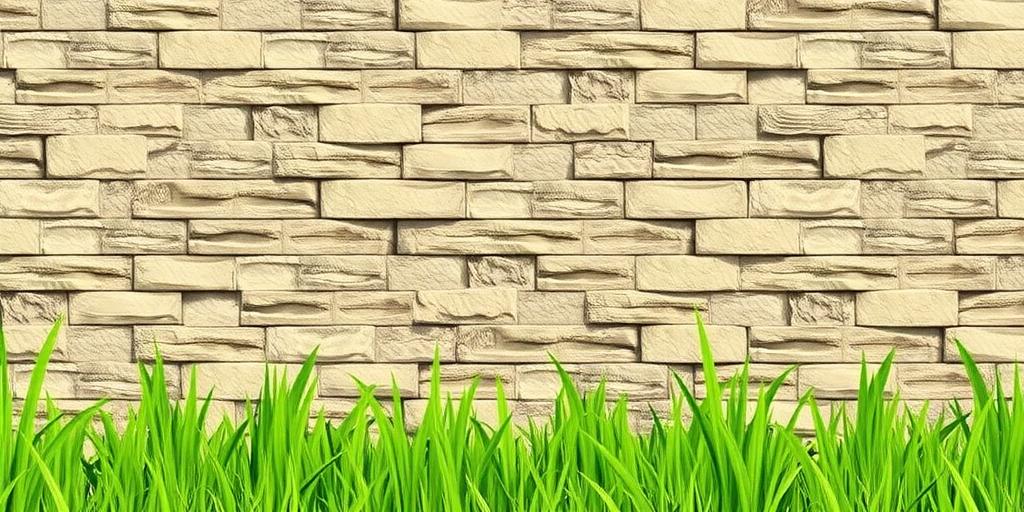
Hempcrete is a biocomposite material made from the woody core of the hemp plant, known as hemp hurds, mixed with water and a lime-based binder. Unlike traditional building materials, hempcrete does not provide structural support but excels as an insulation medium, enhancing energy efficiency in buildings. The production process is notably energy-efficient compared to conventional materials, making it a more sustainable option. One of its key advantages is that it does not shrink or settle over time, ensuring that its insulating properties remain effective. Additionally, hempcrete is lightweight, which simplifies handling and transportation during construction. It can be mixed on-site or prefabricated into panels for faster installation. This material is also biodegradable, which supports a circular economy in the construction sector. Although it has been utilized for centuries in Europe, its popularity is significantly rising in North America. Hempcrete is resistant to pests and does not attract insects, thus enhancing the longevity of buildings. Furthermore, it is often celebrated for its unique texture and aesthetic appeal, making it a favorite in eco-conscious architectural designs.
2. Benefits of Hempcrete
Hempcrete offers numerous advantages that make it an appealing choice for modern construction. One of its standout features is exceptional thermal resistance, allowing buildings to maintain comfortable temperatures while significantly lowering heating and cooling costs. This can lead to substantial savings over time. Additionally, hempcrete promotes better indoor air quality due to its moisture-regulating properties, which prevent mold growth and create a healthier living environment.
The lime binder used in hempcrete enhances its fire resistance, adding an extra layer of safety for occupants. Its ability to absorb sound makes it ideal for reducing noise pollution, especially in urban areas or multi-family dwellings. Moreover, hempcrete is easy to work with; it can be molded into various shapes, allowing architects to explore innovative designs without compromising structural integrity.
Using hempcrete in construction can also contribute to LEED certification points, aligning with green building standards that many developers and homeowners seek today. As a renewable resource, hemp can be grown annually, ensuring a sustainable supply for future building needs. Its durability is notable as well; hempcrete is resistant to rotting and decay, promising longevity. Finally, it supports the goal of energy-efficient building standards and net-zero homes, making it a smart choice for environmentally conscious projects.
| Benefit | Description | Source |
|---|---|---|
| Carbon Negative | Hempcrete absorbs more CO₂ during its lifecycle than it emits, contributing positively to the environment. A cubic meter can sequester approximately 110 kg of CO₂. | Sustainability Award |
| Non-Toxic | Free from synthetic chemicals, it does not release harmful volatile organic compounds (VOCs) into indoor environments, making it safer for occupants. | Sustainability Award |
| Moisture Regulation | Hempcrete naturally regulates humidity and prevents the growth of mold, making it suitable for humid conditions. | New Society |
| Thermal Insulation | Offers excellent thermal insulation, reducing the need for heating and cooling. Its high thermal mass helps retain heat, lowering energy consumption significantly. | Sustainability Award |
| Acoustic Properties | Provides soundproofing benefits, making it ideal for public buildings and residences. | Sustainability Award |
| Durability | The lime binder gives it strength and resistance to pests and fire, enhancing its longevity. | Offsite Innovators |
3. Uses of Hempcrete in Construction
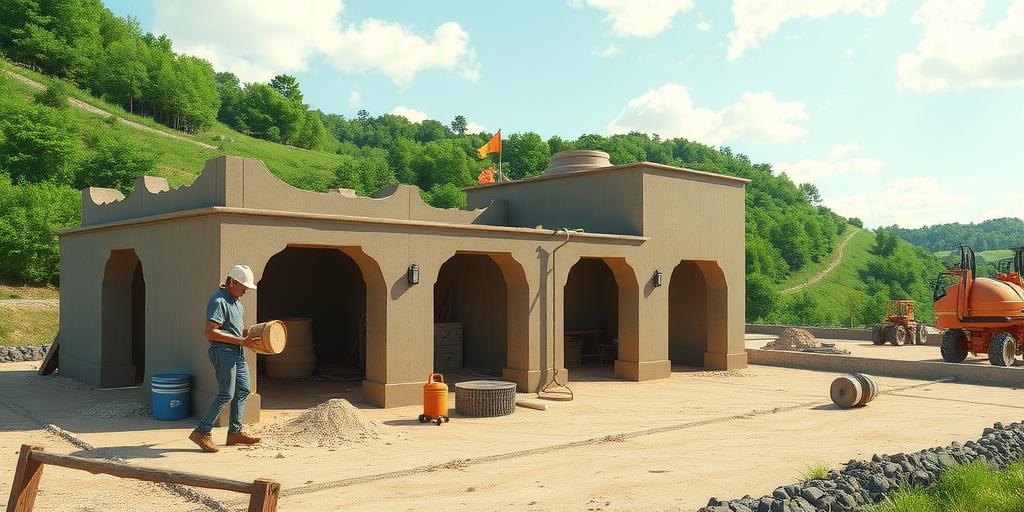
Hempcrete is making waves in the construction industry, particularly in the creation of non-load-bearing walls. Its primary role is to provide insulation and thermal mass, ensuring buildings stay comfortable throughout the year. It can be used as infill material between structural frames, which not only enhances energy efficiency but also helps in managing indoor climates. This biocomposite material shines in energy-efficient roofs and floors, especially in designs that prioritize eco-friendliness.
In sustainable housing projects, hempcrete aligns perfectly with green building practices. Its soundproofing qualities make it a great choice for both residential and commercial spaces, allowing for quieter environments. One of the remarkable aspects of hempcrete is its adaptability; it performs well in various climates, whether hot or cold, making it a versatile option for diverse locations.
Schools and community centers are increasingly utilizing hempcrete for its eco-friendly nature, contributing to healthier learning and gathering spaces. During renovations, hempcrete can be integrated into existing structures, improving insulation without compromising the building’s integrity. Additionally, its unique properties lend themselves to artistic installations and creative architectural features, further highlighting its versatility in a range of construction applications.
4. Eco-Friendly Advantages
Hempcrete offers a range of eco-friendly advantages that make it an appealing choice for sustainable building. First, hemp is a fast-growing plant that reaches maturity in just 3 to 4 months, making it a highly renewable resource. This rapid growth cycle means that hemp can be cultivated with minimal environmental impact. Additionally, hemp requires significantly less water than traditional crops, conserving precious water resources in an era where water scarcity is a growing concern.
Moreover, hemp farming can play a vital role in soil remediation. The plant has the ability to absorb heavy metals and pollutants, which can improve land quality and restore degraded soils. This not only benefits the environment but also enhances agricultural productivity, supporting sustainable farming practices and encouraging crop diversity in rural areas.
Hempcrete itself has notable carbon sequestration properties. When used in construction, it absorbs more carbon dioxide during its lifecycle than it emits, helping to mitigate climate change. This characteristic is especially relevant as society increasingly prioritizes reducing carbon footprints. Furthermore, hempcrete is fully biodegradable, returning to the earth without introducing harmful toxins, which further aligns with a circular economy approach.
The use of hempcrete can significantly reduce a building’s overall carbon footprint throughout its lifecycle, making it an attractive option for eco-conscious builders and homeowners. As demand rises for sustainable building materials, hempcrete stands out as a viable alternative that meets these needs. Additionally, the cultivation and processing of hemp can invigorate local economies, creating jobs in farming, processing, and construction, thus supporting community growth.
Finally, as regulations continue to favor eco-friendly materials, hempcrete is gaining acceptance in building codes. This trend points toward a future where sustainable practices are not just preferable but essential in construction.
- Hemp is a fast-growing plant, reaching maturity in about 3 to 4 months, making it a highly renewable resource.
- The cultivation of hemp requires minimal water compared to traditional crops, conserving vital resources.
- Hemp farming can help remediate soil by absorbing heavy metals and pollutants, improving land quality.
- The use of hempcrete promotes sustainable agriculture and can help diversify crop production in rural areas.
- Hempcrete’s carbon sequestration properties contribute to climate change mitigation efforts.
- The material is fully biodegradable, returning to the earth without introducing toxins.
- Using hempcrete can significantly reduce a building’s carbon footprint over its lifecycle.
- Hemp farming can enhance local economies by creating jobs in farming, processing, and construction.
- Hempcrete can help meet rising demand for sustainable building materials in a changing market.
- As regulations favor eco-friendly materials, hempcrete can gain further acceptance in building codes.
5. Challenges Facing Hempcrete
Hempcrete faces several challenges that could impact its growth in the construction industry. One significant hurdle is the availability of quality hemp and the establishment of reliable supply chains. Without a consistent source, builders may hesitate to adopt hempcrete. Additionally, training and educating builders on proper installation techniques is crucial, as improper methods can lead to suboptimal performance.
Cost perceptions also present a barrier. Initial investments in hempcrete can be higher than those for traditional materials, which may deter some developers. While the market for hempcrete is evolving, it can lead to variability in pricing and supply, making it less appealing in competitive construction environments.
Regulatory hurdles remain another concern, with some regions lacking building codes that accommodate hempcrete as a legitimate building material. This can create uncertainty for builders and developers who want to use it. Furthermore, more research is needed on the long-term performance and durability of hempcrete, as this knowledge can significantly influence confidence in its use.
Public awareness is also crucial; many people still do not understand the benefits of hempcrete, which affects its acceptance in the market. Weather conditions can complicate the curing process during construction, necessitating careful management to ensure optimal results. Additionally, competition from established materials can slow the growth of hempcrete in mainstream construction practices. Lastly, the lack of standardized testing methods for hempcrete can create uncertainty regarding its performance claims, making it difficult for builders to fully embrace this innovative material.
6. Future Outlook for Hempcrete
The trend toward sustainable construction is anticipated to boost interest in hempcrete significantly. As the world becomes more conscious of climate change, there is a rising demand for materials that can help reduce carbon footprints. Innovations in the processing and application of hempcrete are expected to enhance its efficiency and reduce costs, making it more accessible to builders. Collaborations between farmers and builders are likely to strengthen the supply chain, promoting hemp cultivation and ensuring a steady supply of this eco-friendly material.
Hempcrete’s alignment with biophilic design principles caters to the growing focus on wellness and eco-conscious living. Investment in research will likely lead to improved performance and wider acceptance of hempcrete in construction. As more projects utilize this material, case studies will emerge, providing valuable insights and best practices that can further encourage its adoption.
Regulatory environments are expected to evolve in favor of hempcrete, as governments push for greener building practices. Its compatibility with modern technologies, such as prefabrication, positions hempcrete well in the market. Overall, the future of hempcrete looks promising, aligning with ecological goals and the latest building trends.
Frequently Asked Questions
What is hempcrete, and how is it made?
Hempcrete is a building material made from the hemp plant’s woody core mixed with lime and water. This mixture creates a lightweight, insulating material that is used for construction.
What are the main benefits of using hempcrete in construction?
Hempcrete offers several benefits, including excellent insulation, moisture regulation, and sustainability. It helps keep buildings warm in winter and cool in summer, while also being eco-friendly.
How does hempcrete contribute to the environment?
Hempcrete contributes to the environment by using hemp, which absorbs carbon dioxide as it grows. This process helps reduce greenhouse gases. Additionally, hemp is biodegradable and renewable.
Can hempcrete be used in all types of buildings?
Hempcrete is mainly used as a non-structural infill material, meaning it works best with a strong frame, like wood or steel. It’s suitable for various building types, but not suitable for load-bearing walls.
Is hempcrete safe for indoor use?
Yes, hempcrete is considered safe for indoor use. It has natural properties that resist mold and pests, making it a healthy choice for living spaces.
TL;DR Hempcrete, a biocomposite made from hemp hurds, water, and lime, is gaining attention for its eco-friendly benefits. It is carbon negative, non-toxic, and offers excellent thermal and acoustic insulation. Hempcrete is primarily used in walls, flooring, and renovations, aligning with sustainable construction practices. Despite challenges like supply chain issues and cost perceptions, its future looks promising as demand for low-carbon materials increases.