
Hemp Textiles in the USA: Trends, Facts, and Future Outlook

Hemp textiles are emerging as a notable player in the U.S. market, driven by their sustainability and lower environmental impact compared to traditional fabrics like cotton. With the global hemp fabric market projected to grow significantly, reaching nearly USD 525 billion by 2035, it’s clear that consumer awareness is on the rise. Currently, around 13% of Americans are willing to pay more for eco-friendly clothing options, reinforcing this trend. Innovations in fiber processing have made hemp textiles softer and more appealing for various applications such as apparel and home goods. As regulations ease and demand grows, the hemp textile industry appears set for substantial growth in the coming years.
Table of Contents
- Overview of Hemp Textiles
- Market Trends and Growth Projections
- Key Drivers of Growth
- Market Segmentation
- Competitors and Industry Dynamics
- Future Outlook
- Frequently Asked Questions
1. Overview of Hemp Textiles

Hemp textiles are made from the fibers of the Cannabis sativa plant, and they have a long history that dates back thousands of years. Ancient civilizations, such as the Chinese and Egyptians, utilized hemp for making fabric, ropes, and other materials. Compared to other natural fibers like cotton and linen, hemp stands out due to its exceptional strength and durability. While cotton is soft and comfortable, hemp is known for its breathability and resistance to mold and UV light, making it a practical choice for various applications.
The cultivation of hemp has a minimal environmental impact. It requires significantly less water and fewer pesticides than cotton does. Hemp plants have a rapid growth cycle, maturing in just a few months, and they can thrive in various climates, making them versatile for farmers. Culturally, hemp has held significance in many societies, symbolizing sustainability and resourcefulness.
In recent years, advancements in hemp textile production have improved the feel and versatility of the fabric, addressing misconceptions about its coarse texture. This has made hemp an increasingly popular choice in the realm of sustainable fashion, where environmentally conscious consumers seek materials that are both stylish and eco-friendly. As the industry evolves, hemp continues to be positioned as a key player in promoting sustainable practices within the fashion world.
2. Market Trends and Growth Projections
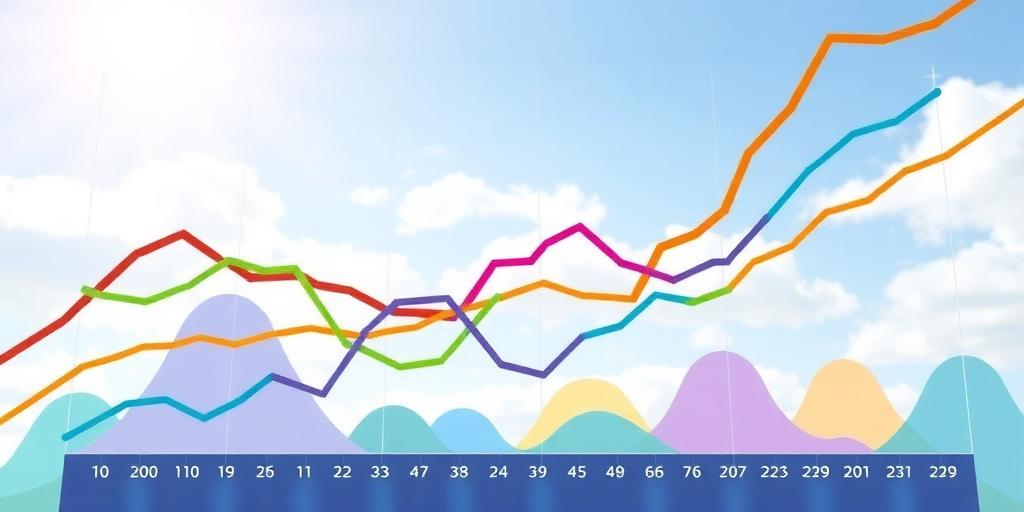
The hemp textile industry is experiencing remarkable growth, with the global market valued at around USD 21.89 billion in 2024, projected to increase to USD 29.22 billion in 2025. By 2035, estimates suggest the market could soar to approximately USD 525.55 billion, reflecting a compound annual growth rate (CAGR) of 33.5%. In the U.S., the industrial hemp market is currently valued at USD 1.63 billion, with a projected CAGR of 21.1% from 2024 to 2030. This growth is largely driven by a notable shift in consumer preferences towards sustainable products, with about 13% of U.S. consumers willing to pay a premium for eco-friendly clothing.
The COVID-19 pandemic initially disrupted supply chains but also heightened awareness of sustainability, leading to a rebound in the hemp textile market as consumers increasingly seek environmentally friendly options. Social media and influencers play a significant role in promoting hemp products, further fueling their popularity. As consumers become more environmentally conscious, brands are recognizing the need to adapt, opening doors for emerging market opportunities.
Geographically, North America and Europe are leading the market due to established infrastructure, yet the Asia-Pacific region is expected to experience the most rapid growth, thanks to favorable growing conditions. The market is predicted to see substantial growth in various segments, particularly apparel and home textiles, as more brands invest in hemp cultivation and textile manufacturing. Overall, the hemp textile industry is well-positioned to disrupt traditional textile markets, driven by increasing investment and evolving consumer demands.
| Market Segment | 2024 Valuation (USD) | 2025 Valuation (USD) | 2035 Projected Valuation (USD) | CAGR (%) |
|---|---|---|---|---|
| Global Hemp Fabric Market | 21.89 billion | 29.22 billion | 525.55 billion | 33.5 |
| U.S. Industrial Hemp Market | 1.63 billion | N/A | N/A | 21.1 |
| Sustainable Clothing Demand | N/A | N/A | N/A | 13 (Percentage of consumers willing to pay a premium) |
3. Key Drivers of Growth
The growth of hemp textiles in the USA can be attributed to several key factors. First, there is a rising awareness among consumers about environmental issues. With the fashion industry being a significant contributor to carbon emissions, many shoppers are actively seeking eco-friendly alternatives. This shift has resulted in a notable increase in searches for sustainable products, highlighting a growing demand for hemp textiles.
Government incentives are also playing a vital role. As laws around hemp farming become more favorable, more farmers are turning to hemp cultivation. This regulatory support not only boosts supply chains but also encourages large-scale adoption of hemp in various sectors.
Technological innovations further enhance the appeal of hemp textiles. Advances in fiber processing techniques have improved the softness and versatility of hemp fabrics, addressing concerns about its rough texture in the past. This makes hemp a more attractive option for both consumers and manufacturers.
The sustainable fashion movement is gaining momentum, with brands increasingly prioritizing eco-conscious practices. Collaborations between fashion labels and sustainability initiatives are becoming common, encouraging the use of hemp in clothing lines. This trend is strengthened by educational campaigns that inform consumers about the benefits of hemp, from its biodegradability to its low environmental impact.
Additionally, a rise in health-conscious consumers is fueling demand for natural fibers. Many shoppers prefer materials that are free from harmful chemicals, making hemp a popular choice. Furthermore, the post-pandemic lifestyle changes have led to a spike in interest for eco-friendly home products, with hemp textiles finding a place in many households. Overall, these drivers are shaping the future of the hemp textile market in the USA.
- Increasing consumer awareness about environmental issues
- Government incentives promoting hemp farming and use
- Technological innovations enhancing hemp fiber processing
- Growth of the sustainable fashion movement and its impact
- Rise in health-conscious consumers seeking natural fibers
- Collaboration between brands and eco-conscious initiatives
- Educational campaigns informing consumers about hemp’s benefits
- Global push towards reducing carbon footprints in industries
- Increased demand for eco-friendly home products
- The role of lifestyle changes post-pandemic in driving market demand.
4. Market Segmentation
Hemp textiles are making their mark across various industries, with notable applications in apparel, home textiles, and industrial sectors. In the apparel segment, hemp is used for a wide range of clothing types, from casual wear to activewear, reflecting a growing trend toward sustainable fashion. The home textiles segment includes products like bedding, curtains, and upholstery, appealing to consumers looking for eco-friendly alternatives in their living spaces. Meanwhile, industrial applications of hemp textiles cover items such as ropes, sails, and composites, showcasing the material’s strength and versatility.
Regional segmentation reveals that North America and Europe currently dominate the hemp textile market, benefiting from established processing facilities and consumer awareness. However, the Asia-Pacific region is anticipated to experience the fastest growth due to favorable cultivation conditions and increasing demand for sustainable textiles.
Demographic factors play a significant role in influencing hemp textile purchases. Younger consumers, especially millennials and Gen Z, are more inclined to support sustainable brands, contributing to the rising popularity of hemp products. Additionally, segment analysis based on price points and consumer income levels indicates that while some buyers are willing to pay a premium for sustainable clothing, there is also a demand for more affordable options, suggesting a diverse market.
Looking ahead, the potential for hemp textiles to penetrate the automotive and construction sectors is noteworthy. As industries seek sustainable materials, hemp’s durability and lightweight properties could present new opportunities. Trends in customization and bespoke hemp products are also emerging, with consumers increasingly interested in unique, tailored items. Lastly, the growth of e-commerce is reshaping market segmentation, making hemp textiles more accessible to consumers and driving online sales.
5. Competitors and Industry Dynamics
The hemp textile market in the USA is characterized by a mix of established companies and emerging startups. Leading players such as Hemp Fortex, Hemp Traders, and Ecofibre offer a range of products, from apparel to home textiles, focusing on sustainable practices and innovation. These companies often engage in strategic partnerships to enhance their market reach and develop new products that leverage the environmental benefits of hemp.
In contrast, emerging startups are entering the scene, bringing fresh ideas and innovative approaches to hemp textiles. These new entrants face challenges, such as navigating a complex regulatory landscape and competing against well-established brands with greater resources. The competitive landscape is dynamic, with market share distribution still largely dominated by a few key players, yet opportunities are growing for smaller companies that can effectively communicate their sustainability message.
Furthermore, international competition poses additional challenges for local manufacturers. As hemp cultivation and processing expand globally, U.S. companies must innovate continually to remain relevant. Collaborations among industry players are becoming more common, allowing for shared resources and knowledge to tackle supply chain challenges in sourcing hemp.
Innovation is crucial as the market evolves, with companies investing in technology to improve fiber processing and develop softer, more versatile hemp fabrics. Looking ahead, the potential for mergers and acquisitions within the industry is significant, as companies seek to consolidate resources and expand their market presence in an increasingly competitive environment.
6. Future Outlook
The future of hemp textiles in the USA looks promising, driven by projected trends in consumer behavior and market demands. As more consumers become aware of environmental issues, the demand for sustainable materials like hemp is expected to increase significantly. Reports suggest that the hemp fabric market could reach around USD 14 billion by 2030, capturing a considerable portion of the ethical fashion market.
Climate change will also play a role in shaping hemp cultivation and availability. As traditional crops face challenges from changing weather patterns, hemp’s resilience may become more attractive to farmers. This shift could lead to greater supply and lower costs, making hemp textiles even more accessible to consumers.
Technological advancements in hemp processing are anticipated to enhance product quality and variety. Innovations are likely to make hemp fibers softer and more versatile, addressing past concerns about their texture. This will open doors for hemp in various applications, from fashion to industrial uses.
Regulatory changes will also impact the hemp industry. As governments continue to relax restrictions on hemp cultivation, the market is likely to see more players enter, fostering competition and innovation. These changes may also bolster the supply chain, making hemp textiles more readily available.
Sustainability certifications will play a crucial role in consumer purchases, as shoppers increasingly seek out verified eco-friendly products. Brands that secure these certifications will likely gain a competitive edge in the marketplace.
Hemp textiles are expected to grow in the global fashion industry, with emerging markets showing potential for expansion. However, challenges such as inconsistent regulatory frameworks and limited processing facilities could pose risks to future growth.
By 2040 and beyond, hemp could play a significant role in the circular economy, helping to reduce waste and promote sustainable practices. The vision for the hemp textile market is one of innovation and sustainability, where hemp fibers lead the charge toward a more eco-conscious future.
Frequently Asked Questions
What are hemp textiles and how are they made?
Hemp textiles are materials made from the fibers of the hemp plant. The process involves harvesting the hemp stalks, separating the fibers from the bark, and then spinning these fibers into yarn, which can be woven or knitted into various textiles.
Why are hemp textiles becoming popular in the USA?
Hemp textiles are gaining popularity because they are eco-friendly and sustainable. They require less water and pesticides compared to cotton, and they are also durable, comfortable, and biodegradable, making them an attractive option for environmentally conscious consumers.
What are some common uses for hemp textiles?
Hemp textiles can be found in a variety of products, including clothing, bags, shoes, and home goods like curtains and upholstery. They are known for their strength and breathability, which makes them versatile for different applications.
Are hemp textiles safe for sensitive skin?
Yes, hemp textiles are generally safe for sensitive skin. They are naturally hypoallergenic and have anti-bacterial properties, which can help reduce irritation compared to some synthetic fabrics.
What does the future hold for hemp textiles in the USA?
The future looks promising for hemp textiles in the USA as more consumers and manufacturers become aware of their benefits. There is likely to be an increase in innovation, production, and market growth, alongside changing regulations that support hemp cultivation and textile development.
TL;DR Hemp textiles are gaining traction in the USA as a sustainable alternative to conventional materials, with the global market expected to grow significantly. In 2024, the hemp fabric market is projected to reach USD 21.89 billion, with a CAGR of 33.5%, driven by rising environmental awareness and consumer demand for eco-friendly apparel. The U.S. market is anticipated to be valued at USD 1.63 billion in 2023, with a promising future as trends favor sustainable fashion. Key players are innovating despite regulatory challenges, with the market set to capture a substantial share of the ethical fashion sector by 2030.