
Hemp Seed Oil: A Complete Guide for 2025

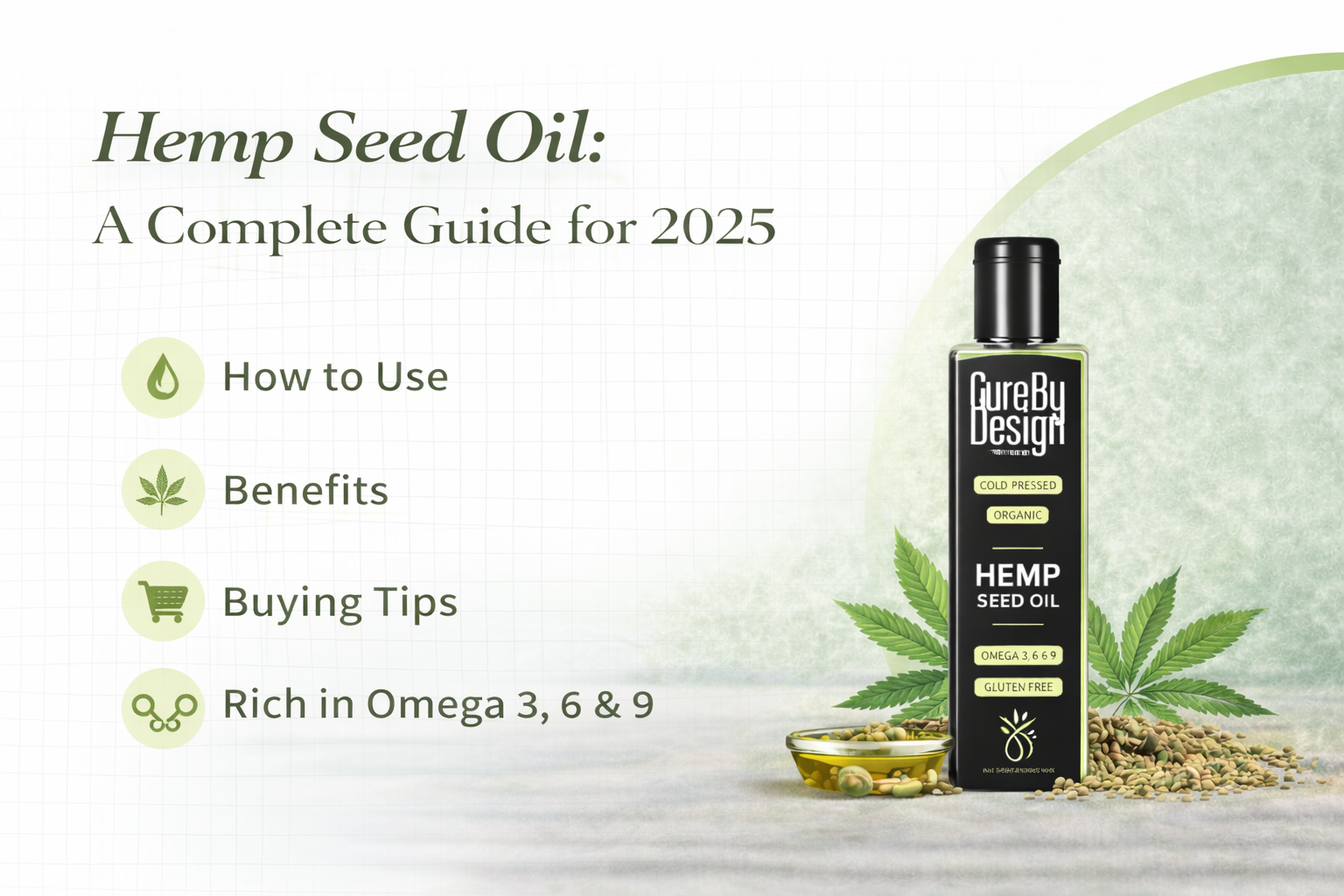
Hemp seed oil, derived from the Cannabis sativa L. plant’s seeds, is gaining attention for its fascinating nutritional profile and diverse uses. This guide outlines the various benefits of hemp seed oil, touching on its rich content of essential fatty acids, proteins, vitamins, and minerals. The legal status of this oil varies by region since it contains minimal THC compared to CBD oils. Its unique omega-6 to omega-3 ratio supports heart health and can enhance skin conditions due to anti-inflammatory properties. As demand grows and regulations evolve, hemp seed oil’s relevance in culinary and cosmetic industries is set to expand significantly by 2025.
Table of Contents
- What is Hemp Seed Oil?
- The Legal Status of Hemp Seed Oil
- Understanding the Nutritional Profile of Hemp Seed Oil
- Health Benefits of Hemp Seed Oil
- How is Hemp Seed Oil Processed?
- Different Uses for Hemp Seed Oil
- Current Market Trends for Hemp Seed Oil
- Future Outlook for Hemp Seed Oil
- Frequently Asked Questions
What is Hemp Seed Oil?
Hemp seed oil is extracted from the seeds of the Cannabis sativa plant. Unlike CBD oil, which comes from the flowers and leaves, hemp seed oil is solely derived from the seeds. This oil is typically light green in color and has a distinct nutty flavor, making it a popular choice in cooking and dietary supplements. Renowned for its rich content of essential fatty acids, vitamins, and minerals, hemp seed oil is often hailed as a superfood. Its nutritional profile has been recognized for centuries, as various cultures have utilized it for its potential health benefits. The oil is commonly unrefined, which helps preserve the nutrients that are present in the seeds. Importantly, hemp seed oil contains no THC, the psychoactive component found in cannabis, making it a safe option for many consumers. This versatile oil can be used in culinary applications, such as salad dressings and smoothies, as well as in topical treatments for skin health, contributing to its growing popularity.
The Legal Status of Hemp Seed Oil
Hemp seed oil is legal in many places, mainly due to its low THC content, which must be below 0.3% in order to comply with regulations. In the U.S., the 2018 Farm Bill was a significant turning point, as it legalized the cultivation of hemp and made hemp seed oil widely available across the country. However, the legal landscape can be complex, as individual states may have different laws that regulate hemp products more strictly than federal guidelines. In the European Union, regulations have also been established to support the use of hemp seed oil, reflecting a growing acceptance of hemp-derived products. Consumers should be aware of local laws regarding the purchase and use of hemp seed oil, as these can vary significantly. The international trade of hemp seed oil is on the rise, which highlights its increasing acceptance globally. This legalization has spurred research into its health benefits, while public education efforts have shifted perceptions around cannabis products. As regulations continue to develop, it’s likely that more industries will start incorporating hemp seed oil into their products.
Understanding the Nutritional Profile of Hemp Seed Oil

Hemp seed oil boasts a remarkable nutritional profile, making it a standout choice for health-conscious individuals. One of its key features is the balanced ratio of omega-6 to omega-3 fatty acids, typically around 3:1. This ratio is considered optimal for maintaining heart health and reducing inflammation. The oil is rich in essential fatty acids, particularly linoleic acid (an omega-6) and alpha-linolenic acid (an omega-3), both critical for various bodily functions.
Additionally, hemp seed oil is high in gamma-linolenic acid (GLA), which supports skin health and helps in hormone balance. This makes it a favorite in skincare formulations. Hemp seeds themselves are a complete protein source, containing all essential amino acids, with the oil retaining about 25-30% protein by weight. This protein content is especially beneficial for those on plant-based diets.
The oil is also loaded with vitamins E and A, which contribute to its antioxidant properties. These vitamins help combat oxidative stress and promote overall well-being. Alongside these vitamins, minerals like magnesium, phosphorus, and potassium are present, further supporting health.
For heart health, hemp seed oil is low in saturated fats and packed with phytosterols, which can aid in lowering cholesterol levels. This combination of nutrients makes it not only versatile but also a smart addition to a healthy lifestyle.
| Nutrient | Amount per 100g | Health Benefits |
|---|---|---|
| Omega-6 Fatty Acids | 55-60% | Supports heart health, reduces inflammation |
| Omega-3 Fatty Acids | 18-25% | Promotes brain function, supports cardiovascular health |
| Gamma-Linolenic Acid (GLA) | 2-5% | May help with skin health and hormone balance |
| Protein | 25-30g | Complete protein source, contains all essential amino acids |
| Vitamin E | 6-20mg | Antioxidant properties, supports skin health |
| Vitamin A | 20-80µg | Supports vision and immune function |
| Magnesium | 300-500mg | Supports muscle and nerve function, regulates blood pressure |
| Phosphorus | 500-700mg | Formation of bones and teeth, energy production |
| Potassium | 500-700mg | Helps maintain fluid balance and nerve function |
| Phytosterols | ~800mg | May help lower cholesterol levels |
Health Benefits of Hemp Seed Oil
Hemp seed oil is packed with health benefits that make it a valuable addition to any diet. One of its key advantages is its ability to improve skin hydration and elasticity. This makes it particularly beneficial for those struggling with dry skin or conditions like eczema. Its anti-inflammatory properties can also help reduce symptoms of arthritis, providing relief for those dealing with chronic pain. Furthermore, hemp seed oil supports cardiovascular health by improving lipid profiles, which can lower the risk of heart disease.
In terms of hair care, regular consumption of hemp seed oil can promote a healthy scalp and shiny hair, reducing dryness and irritation. When consumed as whole seeds, it also contributes to improved digestion due to its fiber content, making it a good choice for gut health. Some studies even suggest that hemp seed oil may help balance hormones, especially in women, which can be beneficial during menstrual cycles or menopause.
Additionally, the oil’s rich fatty acid profile is believed to enhance brain function, which can lead to better cognitive performance. Its potential immune-boosting effects make it a popular dietary supplement. Lastly, incorporating hemp seed oil into your diet may aid in weight management by promoting a feeling of fullness, helping with portion control.
- Hemp seed oil may help improve skin hydration and elasticity.
- It has anti-inflammatory properties that can reduce symptoms of conditions like arthritis.
- The oil may support cardiovascular health by improving lipid profiles.
- Regular consumption can promote healthy hair and scalp, reducing dryness and irritation.
- It has been linked to improved digestion due to its fiber content when consumed as whole seeds.
- Some studies suggest it may help balance hormones, especially in women.
- Hemp seed oil may enhance brain function due to its fatty acid profile.
- It is often used as a dietary supplement for its potential immune-boosting effects.
- The oil is believed to support weight management by promoting a feeling of fullness.
- Overall, incorporating hemp seed oil into a diet may lead to various health improvements.
How is Hemp Seed Oil Processed?
Hemp seed oil is primarily extracted through a method called cold pressing, which is favored for its ability to retain the oil’s natural nutrients and flavor. In this process, the seeds are first cleaned and hulled, removing any impurities that could affect quality. After that, the seeds are ground into a paste, and pressure is applied without the use of heat. This gentle extraction helps preserve the delicate fatty acids and other beneficial compounds found in the seeds.
Another method sometimes used is solvent extraction, where chemicals are employed to separate the oil from the seeds. While this method can be efficient, it often compromises the oil’s quality, making cold pressing the preferred choice for health-conscious consumers.
A newer technique, supercritical CO2 extraction, has emerged as a high-quality alternative that avoids the use of solvents. This method allows for precise extraction of the oil while maintaining its purity and nutritional value.
Quality control during processing is vital, with tests conducted for peroxide and acid values to ensure the oil remains fresh. Proper storage practices, such as keeping the oil in dark, cool conditions and bottling it in dark glass containers, also play a crucial role in preventing oxidation and preserving quality.
The extraction method can significantly influence the flavor and nutritional profile of the oil, making it essential for producers to follow standardized protocols to ensure consistency in commercial production.
Different Uses for Hemp Seed Oil
Hemp seed oil has a wide range of uses that highlight its versatility across various sectors. In the culinary world, it is favored for its nutty flavor, making it a great addition to salads and dressings. Chefs often drizzle it over cooked dishes as a finishing oil, enhancing both taste and nutritional value. In cosmetics, hemp seed oil is prized for its moisturizing properties, serving as an emollient in creams, lotions, and serums. This oil also finds its way into haircare products like shampoos and conditioners, where it nourishes and strengthens hair. Beyond personal care, it’s used in the production of biodiesel and bioplastics, demonstrating its role in sustainable manufacturing. Additionally, hemp seed oil can be found in soaps and candles, valued for its ability to moisturize the skin. The food industry increasingly incorporates it as a nutritional supplement, whether in smoothies or capsule form, due to its rich nutrient profile. In textiles, hemp fibers are combined with the oil to create eco-friendly products. This broad range of applications showcases the oil’s potential and effectiveness in meeting diverse consumer needs.
Current Market Trends for Hemp Seed Oil
The global market for hemp seed oil is on an upward trajectory, fueled by a shift in consumer habits towards health-conscious choices. People are increasingly seeking natural and organic products, which has significantly boosted demand for hemp seed oil. E-commerce platforms have played a pivotal role in this expansion, making these products more accessible to a wider audience. Food manufacturers are also jumping on the bandwagon, incorporating hemp seed oil into a variety of items, from snacks to salad dressings. Meanwhile, the cosmetic industry is witnessing a surge in hemp seed oil-based products, appealing particularly to eco-conscious consumers who prioritize sustainability. Social media has been instrumental in highlighting the benefits and versatile uses of hemp seed oil, further driving interest. Research indicates that consumers are looking for sustainable and ethically sourced ingredients, aligning perfectly with hemp’s natural profile. The trend towards plant-based diets is also positively impacting hemp seed oil consumption, as more people embrace its nutritional advantages. Partnerships between farmers and manufacturers are becoming more common, ensuring a quality supply chain that meets growing demands. Lastly, as brand transparency and quality assurance take center stage, consumers are more inclined to choose products that they trust.
Future Outlook for Hemp Seed Oil
The future of hemp seed oil looks promising as the market is expected to grow significantly in the coming years. As more people become aware of its numerous health benefits, demand for this versatile oil will likely increase. Favorable regulations will also play a crucial role, allowing hemp seed oil to be more widely used in food and cosmetic products. Research into its health benefits is expanding, providing consumers with more data to make informed choices. Sustainable farming practices will be essential for ensuring the oil’s production aligns with environmental goals. Technological advancements in extraction and processing methods may further enhance the quality and yield of hemp seed oil. Additionally, as research progresses, new applications in pharmaceuticals could emerge, opening up exciting possibilities. Consumer preferences are shifting towards natural products, which supports the market’s growth. Innovations in product formulations may lead to new and diverse uses for hemp seed oil across various industries. Educational campaigns will continue to inform consumers about its benefits, solidifying its place in health and wellness markets.
Frequently Asked Questions
What is hemp seed oil and how is it made?
Hemp seed oil is an oil derived from the seeds of the hemp plant. It’s extracted through a process where seeds are cold-pressed to create a pure oil rich in nutrients.
What are the main benefits of using hemp seed oil?
Hemp seed oil is known for its potential benefits, including promoting healthy skin, supporting heart health, and providing essential fatty acids that help with overall wellness.
Can I use hemp seed oil for cooking?
Yes, you can use hemp seed oil in cooking, but it’s best for low-heat recipes or as a salad dressing because it has a low smoke point.
Is hemp seed oil safe for all skin types?
Hemp seed oil is generally safe for most skin types, as it is non-comedogenic, meaning it won’t clog pores, but it’s still wise to do a patch test first.
What should I look for when buying hemp seed oil?
When buying hemp seed oil, look for cold-pressed, organic options without additives or preservatives to ensure you’re getting the highest quality oil.
TL;DR Hemp seed oil, derived from hemp plant seeds, has a rich nutritional profile with essential fatty acids, proteins, vitamins, and minerals. It is legal in many areas due to its low THC content. The oil offers multiple health benefits, such as improving skin health, heart health, and reducing inflammation. Processing methods include cold pressing and supercritical CO2 extraction. Its applications range from culinary uses to cosmetics and industrial products. The global market for hemp seed oil is expected to grow, driven by health awareness and sustainable practices. By 2025, hemp seed oil is likely to become a staple in both diets and cosmetics.