

Blog
Hemp Rope in 2025: Eco-Friendly Choices for Crafts and Landscaping

Hemp rope, crafted from the robust fibers of the industrial hemp plant, offers an eco-friendly alternative to synthetic options in 2025. Its impressive strength makes it suitable for various applications, like heavy-duty tasks in construction and gardening. Not only is hemp biodegradable and resistant to mold and UV rays, but its cultivation also benefits the environment by enhancing soil health. From thick ropes used in rustic décor to organic twine perfect for delicate crafts, the variety is vast. As consumers prioritize sustainability, hemp rope stands out as a strong choice for both arts and landscaping projects that respect nature.
Table of Contents
- What is Hemp Rope?
- Key Characteristics of Hemp Rope
- Different Types of Hemp Rope
- Versatile Applications of Hemp Rope
- Environmental Benefits of Hemp Rope
- Proper Maintenance and Care for Hemp Rope
- The Future of Hemp Rope in Crafts and Landscaping
- Frequently Asked Questions
1. What is Hemp Rope?
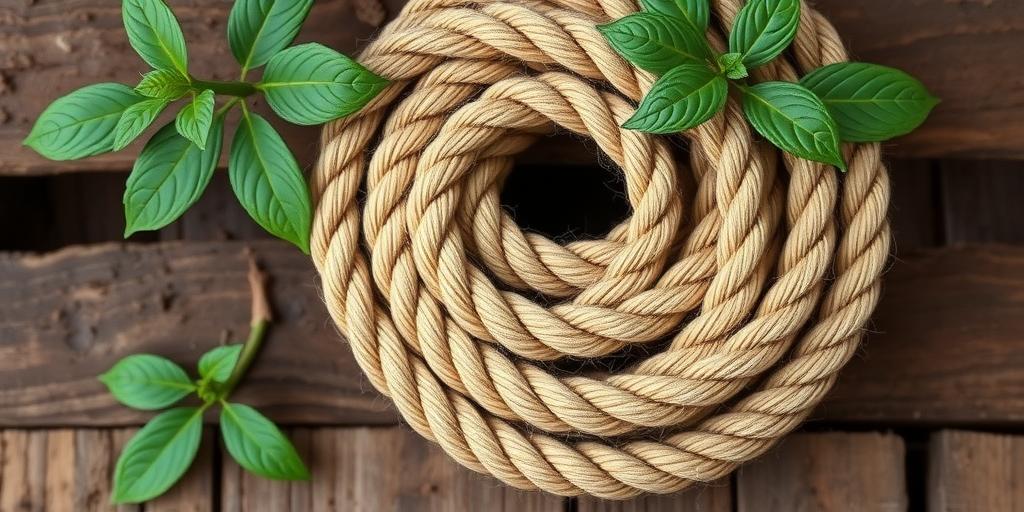
Hemp rope is made from the long fibers of the hemp plant, specifically its stalk. This natural product is known for its impressive strength and flexibility, making it suitable for a wide range of uses. Unlike synthetic ropes, which can harm the environment, hemp rope is biodegradable and eco-friendly, breaking down naturally over time. Its durability and resistance to moisture make it a popular choice in gardens and for various crafts. The fibers are twisted together, resulting in a robust yet pliable rope that has been utilized in many cultures for centuries, showcasing its practical value. Hemp rope comes in a natural color spectrum, ranging from light beige to deep brown, appealing to artisans and gardeners alike. With its sustainable properties, hemp rope stands out as an excellent alternative for anyone looking to incorporate more environmentally friendly materials into their projects.
2. Key Characteristics of Hemp Rope
Hemp rope is known for its impressive strength, making it a reliable choice for various applications. With a high tensile strength, it can support heavy loads without breaking, which is especially useful in construction and gardening tasks. One of the standout features of hemp rope is its natural resistance to mold, mildew, and UV rays, allowing it to perform well in both indoor and outdoor environments. Its rustic appearance appeals to crafters and decorators, who value the organic aesthetic it brings to their projects. The fibers are soft yet sturdy, providing a comfortable grip while maintaining durability. Hemp rope also excels at holding knots securely, ensuring that it can be trusted in various uses. Unlike many synthetic ropes, it does not stretch significantly under tension, which helps it retain its integrity over time. Additionally, it offers a better grip due to being less slippery than its synthetic counterparts. This rope is naturally resistant to abrasion, enhancing its longevity. For those looking for design versatility, hemp rope can be dyed or left in its natural state, allowing for creative freedom in both crafts and landscaping. Lightweight and easy to handle, hemp rope is a practical choice for any project.
3. Different Types of Hemp Rope
Hemp rope comes in various types, each suited for specific tasks. Thick hemp rope is a go-to for heavy-duty applications, making it perfect for rustic decor or tough jobs like hauling and lifting. For more delicate crafting projects, organic hemp twine shines, as it is thinner and ideal for gardening tasks and gift wrapping. Heavy-duty hemp rope, designed for marine environments, can withstand harsh conditions, making it reliable for boating and outdoor activities.
Hemp cord, known for its softer texture, is favored in jewelry making and macramé projects, providing a gentle touch to intricate designs. Natural hemp rope retains its original color and texture, offering an authentic look that appeals to many crafters. Braided hemp rope enhances strength, making it suitable for high-stress applications, while twisted hemp rope, the most common type, is created by twisting fibers together for added durability.
For those needing elasticity, hemp bungee cord combines the natural strength of hemp with flexibility, making it great for securing items. Hemp webbing, a flat and woven form, works well for straps and belts. Additionally, specialty hemp ropes may be treated for specific applications, enhancing their properties further, allowing for a versatile range of uses in both crafts and landscaping.
| Type of Hemp Rope | Description | Common Uses |
|---|---|---|
| Thick Hemp Rope | Ideal for rustic home décor and heavy-duty tasks. | Outdoor furniture, construction, artistic installations. |
| Organic Hemp Twine | Thinner, perfect for delicate crafting and gardening. | Gift wrapping, knitting, and light gardening tasks. |
| Heavy-Duty Hemp Rope | Designed for marine and industrial applications. | Nautical settings, securing loads, heavy lifting. |
| Hemp Cord | Softer and commonly used in jewelry making and macramé. | Jewelry, macramé projects, and crafting. |
| Natural Hemp Rope | Unprocessed, retaining original color and texture. | Artisan crafts, decorative applications, eco-friendly projects. |
| Braided Hemp Rope | Offers additional strength for high-stress applications. | Climbing, industrial uses, and decorative knots. |
| Twisted Hemp Rope | Most common type, created by twisting fibers together. | General crafting and landscaping. |
| Hemp Bungee Cord | Combines elasticity with natural strength, ideal for securing items. | Tent securing, outdoor gear. |
| Hemp Webbing | Flat, woven form of hemp suitable for straps and belts. | Fashion accessories, straps for bags and equipment. |
| Specialty Hemp Ropes | Treated for specific applications, enhancing properties. | Tools for specific uses, marine equipment. |
4. Versatile Applications of Hemp Rope
Hemp rope offers a wide range of applications that make it an appealing choice for both crafts and landscaping. In the world of crafts, hemp rope is integral for projects like macramé, where its natural texture adds a rustic charm. It works beautifully for plant hangers and decorative wall art, allowing crafters to create unique pieces that enhance any space. In gardening, hemp rope is invaluable for supporting climbing plants. It can be used to create trellises or to tie plants securely, ensuring they grow strong and healthy. Beyond that, it is a practical option for bundling garden materials, such as branches and leaves, simplifying cleanup tasks. In landscaping, hemp rope serves multiple purposes, including natural fencing and rustic garden decor that blends seamlessly into outdoor environments. Its strength and resistance to environmental wear make it a favorite in nautical settings, where it is often used for securing boats and equipment. Additionally, hemp rope can anchor outdoor furniture or canopies effectively, providing stability in various weather conditions. Beyond these uses, it is also finding its way into eco-friendly packaging materials and sustainable clothing and accessories, proving its versatility. Even in construction, hemp rope can be a temporary support or help in securing materials on job sites. For pet owners, it offers a natural option for toys and leashes, making it safe for pets while being durable enough for everyday use.
- In crafts, hemp rope is used for macramé, plant hangers, and decorative wall art.
- In gardening, it supports climbing plants and can be used to create trellises or plant ties.
- Hemp rope is effective for bundling garden materials like branches and leaves.
- It is commonly used in landscaping for natural fencing and rustic garden decor.
- In nautical settings, hemp rope is favored for its strength and resistance to environmental wear.
- Hemp rope serves as a secure anchor for outdoor furniture and canopies.
- It is used in the production of eco-friendly packaging materials.
- Hemp rope finds applications in the production of sustainable clothing and accessories.
- In construction, it can be used as a temporary support or for securing materials on site.
- Hemp rope is often utilized in pet products, such as toys and leashes, due to its natural fibers.
5. Environmental Benefits of Hemp Rope
Hemp rope offers significant environmental benefits that make it a standout choice for both crafts and landscaping. First and foremost, hemp rope is fully biodegradable, breaking down naturally without leaving harmful residues. This contrasts sharply with synthetic ropes, which contribute to long-lasting plastic waste in our environment. Additionally, the cultivation of hemp plays a vital role in improving soil health, promoting biodiversity by enriching the soil with nutrients and supporting various forms of life.
Moreover, hemp is a remarkably efficient crop. It requires significantly less water compared to traditional crops like cotton, making it a more sustainable option in areas facing water scarcity. Its rapid growth allows for multiple harvests within a single year, meaning less land is needed for cultivation. This efficiency not only conserves land but also supports a more productive farming system.
Another critical aspect is that hemp plants absorb carbon dioxide during their growth cycle, helping to combat climate change. This natural ability to sequester carbon makes hemp farming an important player in our efforts to reduce greenhouse gas emissions. Furthermore, hemp farming encourages sustainable agricultural practices by reducing the reliance on chemical fertilizers, which can harm the environment.
The production of hemp rope is also notably energy-efficient compared to synthetic alternatives, further minimizing its carbon footprint. Its versatility in growing across various climates supports eco-friendly practices globally, making it an accessible option for many farmers. Lastly, using hemp rope in crafts and landscaping not only reduces plastic waste but also supports local economies by revitalizing rural communities and creating sustainable livelihoods. This blend of environmental benefits showcases why hemp rope is an excellent choice for eco-conscious consumers.
6. Proper Maintenance and Care for Hemp Rope
Maintaining hemp rope is essential to ensure its longevity and performance. To keep it clean, use mild soap and water, steering clear of harsh chemicals that could harm the fibers. After cleaning, allow the rope to dry completely to prevent mold and mildew from developing. For storage, find a cool, dry spot away from direct sunlight, which can degrade the material over time. Regularly inspect the rope for any signs of wear, especially if it is used frequently. If you plan to store it for an extended period, wrapping it in a breathable material can help protect it. Excessive moisture can weaken the fibers, so try to avoid exposing hemp rope to damp conditions. For outdoor applications, it’s wise to check the rope after severe weather for any signs of degradation. When tying knots, make sure they are secure but not overly tight to avoid damaging the fibers. If you notice any fraying, trimming the ends can help maintain both its integrity and appearance. Occasionally, using a natural oil can condition the rope, enhancing its durability and giving it a more polished look.
7. The Future of Hemp Rope in Crafts and Landscaping
As we look ahead to 2025, the future of hemp rope in crafts and landscaping appears promising. With a growing awareness of sustainable materials, the demand for hemp rope is projected to rise significantly. Innovations in hemp processing may lead to products that are even stronger and more versatile, opening new doors for creative applications. We might see hemp rope being incorporated into eco-friendly construction and design projects, further enhancing its appeal.
Collaboration between artisans and local hemp farmers can strengthen community ties and promote sustainable practices. This partnership could also support local economies, making hemp a viable choice for many. The rise of DIY culture is likely to encourage individuals to experiment with hemp rope in their creative projects, from home décor to garden enhancements.
Moreover, hemp rope could become a staple at sustainable festivals and events, showcasing eco-friendly choices to a wider audience. Educational programs may also play a crucial role, highlighting the benefits of hemp and integrating its use into schools and community initiatives.
In landscaping, the integration of hemp rope may lead to designs that embrace a more natural and organic aesthetic. As businesses increasingly adopt eco-friendly practices, hemp rope may emerge as a preferred material in retail settings. The future might even see hemp rope being used in innovative products, expanding its reach far beyond traditional applications.
Frequently Asked Questions
What makes hemp rope a good choice for crafting?
Hemp rope is strong and durable, making it ideal for various crafts. It’s also eco-friendly and biodegradable, which means it helps reduce waste in landfills.
Can hemp rope be used in landscaping projects?
Yes, hemp rope is perfect for landscaping. Its natural fibers blend well with outdoor environments and it can be used for decorative purposes, tying plants, or creating garden structures.
Is hemp rope safe for outdoor use?
Absolutely, hemp rope is resistant to UV rays and weather conditions, so it can hold up well outside. It will gradually fade with time, but this gives it a natural, rustic look.
How do I care for hemp rope to ensure its longevity?
To extend the life of hemp rope, keep it dry and store it in a cool place. If it gets wet, let it dry out completely and avoid exposing it to harsh chemicals.
Can I dye hemp rope for my projects?
Yes, you can dye hemp rope with fabric dyes or natural dyes. This allows you to customize the color to fit your crafting or landscaping needs.
TL;DR Hemp rope, derived from the industrial hemp plant, is strong, durable, and biodegradable, making it an appealing choice for various applications such as crafts and landscaping. It features several types, including thick ropes for heavy tasks and fine cords for delicate crafts. Its environmental benefits include sustainability, biodegradability, and carbon sequestration. Proper care, like cleaning and storage, is essential for longevity. As awareness of eco-friendly materials grows, hemp rope is likely to gain more popularity in these sectors.