
Hemp Protein Powder: Top Plant-Based Choice for 2025


Hemp protein powder is becoming a standout plant-based protein source as we approach 2025. This premium product, made from hemp seeds, offers a complete amino acid profile and is easily digestible, making it a hit with health enthusiasts. Packed with essential fatty acids and micronutrients like iron and magnesium, it caters to those with dietary restrictions since it’s free from gluten, lactose, and soy. The market for hemp protein is on the rise due to increasing consumer demand for sustainable nutrition options coupled with innovative processing techniques. As awareness grows about its health benefits, more people are likely to embrace this nutritious alternative.
Table of Contents
- Overview of Hemp Protein Powder
- Nutritional Benefits of Hemp Protein
- Market Trends for Hemp Protein in 2025
- Competitive Landscape in the Hemp Protein Market
- Regional Insights on Hemp Protein Demand
- Growth Drivers for Hemp Protein Powder
- Challenges Facing the Hemp Protein Industry
- Future Outlook for Hemp Protein Powder
- Frequently Asked Questions
1. Overview of Hemp Protein Powder
Hemp protein powder is derived from cold-pressed hemp seeds, which helps retain the majority of their nutrients. This makes it a nutritious and valuable plant-based protein source. Not only is hemp protein powder rich in protein, but it also boasts a complete amino acid profile, essential fatty acids, and significant amounts of fiber, iron, and magnesium. Its appealing nutty flavor makes it a versatile ingredient, easily integrated into smoothies, baked goods, and protein bars without overpowering other tastes. Furthermore, it is often labeled organic, non-GMO, and gluten-free, catering to those with dietary restrictions. The sustainability aspect of hemp adds to its allure, as it requires less water and land compared to traditional protein sources, leading to a lower environmental impact. This has contributed to its growing popularity, particularly among athletes and fitness enthusiasts who appreciate its health benefits. Additionally, with its low carbohydrate content, hemp protein powder fits well into low-carb diets, making it suitable for a wide range of consumers.
2. Nutritional Benefits of Hemp Protein
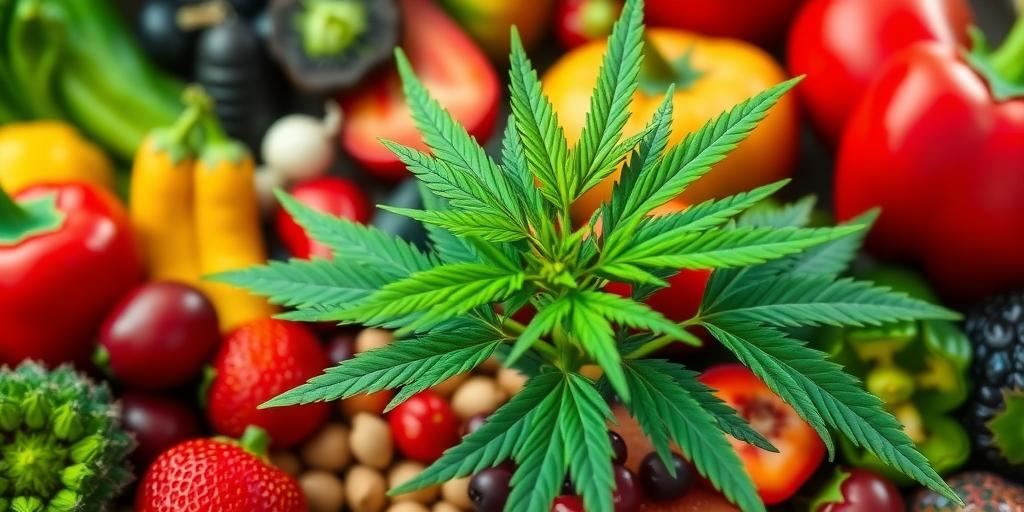
Hemp protein powder is a powerhouse of nutrition, containing about 50% protein by weight, making it an excellent choice for those seeking a nutrient-dense option. It offers a complete amino acid profile, which is crucial for muscle repair and growth, particularly for athletes and fitness enthusiasts. Additionally, hemp protein is rich in essential fatty acids like omega-3 and omega-6, which support heart health and overall well-being.
Notably, its high fiber content promotes satiety, helping with weight management and digestive health. It also provides vitamins E and B, along with essential minerals such as potassium, calcium, and phosphorus, contributing to overall health. Unlike many animal protein sources, hemp protein is low in saturated fat, making it a heart-healthy alternative. Its natural antioxidant properties help to reduce inflammation, enhancing recovery after workouts.
Furthermore, the protein’s digestibility is superior to other sources like whey, making it easy on the stomach. This combination of benefits makes hemp protein an ideal component of a balanced diet, whether you are looking to build muscle, manage weight, or simply improve your overall health.
| Nutritional Benefit | Description |
|---|---|
| Complete Protein Source | Contains all nine essential amino acids, vital for muscle repair and growth. |
| High Digestibility | Easier on the digestive system compared to other protein sources such as whey. |
| Allergen-Free | Free from gluten, lactose, and soy, making it suitable for individuals with dietary restrictions. |
| Heart Health | Contains omega-3 and omega-6 fatty acids, beneficial for cardiovascular health and overall wellness. |
| High in Fiber | Promotes satiety and digestive health. |
| Rich in Vitamins | Includes vitamins E and B, contributing to overall health. |
| Minerals | Provides essential minerals such as potassium, calcium, and phosphorus. |
| Low in Saturated Fat | Less saturated fat compared to animal protein sources. |
| Natural Antioxidants | Supports inflammation reduction. |
| Weight Management | Beneficial due to its nutrient density. |
3. Market Trends for Hemp Protein in 2025

The hemp protein market is poised for significant growth in 2025, driven largely by a shift in consumer preferences towards healthier lifestyles. As more people adopt plant-based diets, the demand for hemp protein is surging, especially among millennials and Gen Z who prioritize wellness and sustainability. E-commerce platforms are becoming popular avenues for purchasing these products, making it easier for consumers to access a variety of hemp protein options. The increasing focus on health and wellness is steering many toward natural foods that not only nourish but also provide functional benefits. For instance, hemp protein’s versatility in cooking is appealing to both home cooks and professional chefs, leading to innovative recipes that highlight its unique flavor and nutritional profile. Additionally, the rise in fitness culture is further propelling the popularity of hemp protein as a go-to option for sports nutrition. As sustainability becomes a core value for many, hemp’s eco-friendly cultivation practices are enhancing its reputation as a responsible protein source. Furthermore, consumer education initiatives are playing a crucial role in raising awareness about hemp’s nutritional benefits, ensuring that more people recognize it as a top choice for plant-based protein.
4. Competitive Landscape in the Hemp Protein Market
The hemp protein market is a dynamic space featuring both established brands and innovative startups. Leading players like Manitoba Harvest are recognized for their commitment to quality, while Nutiva stands out with its focus on organic offerings and sustainable sourcing. Navitas Organics takes a unique approach by emphasizing superfood blends that incorporate hemp protein, appealing to health-conscious consumers seeking added nutritional benefits. Bob’s Red Mill offers a diverse range of baking products, including hemp protein, making it a familiar name in many households.
To thrive in this competitive landscape, companies are increasingly investing in marketing strategies to set their products apart. Collaborations with fitness influencers have become a common tactic for brand promotion, as these partnerships can help reach targeted audiences effectively. Additionally, certifications such as organic and non-GMO play a crucial role in market positioning, as they build trust and credibility among consumers.
Innovation is also a key competitive strategy, with brands exploring new flavors and formulations to attract a broader customer base. Pricing strategies vary significantly, with premium brands often targeting health-conscious consumers willing to invest in high-quality, sustainable options. As the market continues to evolve, these factors will shape the competitive dynamics and influence brand success in the hemp protein sector.
5. Regional Insights on Hemp Protein Demand
North America is a major player in the hemp protein market, driven by strong consumer preferences for plant-based diets and supportive regulations, like the 2018 Farm Bill that legalized industrial hemp. Meanwhile, Europe, particularly Germany and the UK, showcases robust demand fueled by rising consumer awareness regarding health and sustainability. In contrast, the Asia-Pacific region is emerging as the fastest-growing market, with countries such as India and China leading the charge, thanks to increased health consciousness and rising disposable incomes. Australia is also witnessing a growing interest in hemp products, reflecting a broader trend towards health-focused eating.
Local regulations significantly influence market growth across different areas. In North America, favorable conditions bolster hemp cultivation, while in Europe, the shift toward clean-label products drives demand for hemp protein. In Asia, urbanization and improved living standards contribute to a surge in health food consumption, including hemp protein. However, cultural attitudes towards hemp can vary widely, impacting market dynamics. For instance, in some regions, hemp is embraced as a superfood, while in others, it still faces stigma. This variability presents both challenges and opportunities for market entrants as they navigate these diverse landscapes.
6. Growth Drivers for Hemp Protein Powder

The surge in health consciousness among consumers is a significant catalyst for the growth of hemp protein powder. More people are prioritizing their well-being, leading to an increased interest in plant-based diets that emphasize natural, nutrient-rich foods. As awareness grows about the environmental benefits of hemp cultivation, consumers are drawn to its sustainable nature, further driving demand. Additionally, hemp protein is being incorporated into various functional food products, such as protein bars and shakes, catering to fitness enthusiasts looking for convenient and nutritious options. The rise of fitness trends is promoting the use of protein supplements, with hemp protein emerging as a favorable choice.
Innovative product development also plays a key role in enhancing consumer appeal. Brands are experimenting with flavors and formulations, making hemp protein more versatile and enjoyable. Social media campaigns are effectively reaching target demographics, spreading the word about its benefits and uses. Retail channels are expanding, making hemp protein powder more accessible to consumers, while the health benefits associated with omega fatty acids found in hemp continue to attract attention. Furthermore, ongoing research supporting the nutritional value of hemp is influencing buying decisions, as consumers become more informed about its advantages.
- Rising health consciousness among consumers is a primary driver.
- Increased interest in plant-based diets is pushing demand for hemp protein.
- Growing awareness of the environmental benefits of hemp cultivation.
- Hemp protein is being integrated into various functional food products.
- The rise of fitness trends is promoting protein supplements, including hemp.
- Innovative product development is enhancing consumer appeal.
- Social media campaigns are effectively reaching target demographics.
- The expansion of retail channels is improving product accessibility.
- Health benefits associated with omega fatty acids are attractive to consumers.
- Research supporting the nutritional value of hemp is influencing buying decisions.
7. Challenges Facing the Hemp Protein Industry
The hemp protein industry faces several challenges that could impact its growth and market presence. Regulatory hurdles vary by region, making it difficult for companies to enter new markets. In some places, the legal status of hemp remains ambiguous, complicating production and distribution. Additionally, many consumers still lack knowledge about hemp and its benefits, which serves as a significant barrier to sales. The public perception of hemp as a cannabis product can further hinder acceptance, even though hemp protein is non-psychoactive.
Supply chain issues may arise due to the agricultural cultivation of hemp, as it requires specific growing conditions and practices. Competing protein sources, like whey and soy, often come at lower prices, making it tough for hemp protein to differentiate itself in the market. Quality control is also a concern, as varying production methods can lead to inconsistencies in product quality. Limited availability of raw materials can restrict production capacity, affecting the supply of hemp protein powder.
Education and outreach efforts are crucial to inform consumers about the advantages of hemp protein, as misconceptions persist. Market volatility can impact pricing and supply stability, making it harder for businesses to plan for the future. Moreover, a lingering stigma around hemp products exists in certain demographics, which can slow down market growth. Addressing these challenges will be essential if the hemp protein industry aims to thrive in the coming years.
8. Future Outlook for Hemp Protein Powder
The future of hemp protein powder looks bright, with adoption rates expected to rise as consumers increasingly seek healthier options. Innovative processing techniques are set to enhance product quality and taste, making hemp protein more appealing to a broader audience. The global market for hemp protein is anticipated to expand significantly, driven by sustainability concerns and the demand for plant-based nutrition. As more research uncovers additional health benefits of hemp protein, its popularity will likely surge. We can expect to see an expansion in product formats, such as convenient ready-to-drink options, that cater to busy lifestyles.
Partnerships between brands and wellness influencers are also likely to grow, helping to promote the benefits of hemp protein and reach new consumers. Transparency in sourcing will shape market dynamics, as consumers increasingly prefer clean-label products. This trend aligns with the rising demand for hemp protein, making it a leading choice for those committed to health and sustainability. Overall, the outlook for hemp protein powder as a top plant-based option in 2025 is promising, reflecting a shift toward more health-oriented and eco-friendly dietary choices.
Frequently Asked Questions
What are the main benefits of using hemp protein powder?
Hemp protein powder is rich in essential amino acids, making it a great choice for muscle repair and growth. It’s also high in fiber, aiding digestion, and contains healthy fats, promoting heart health.
Is hemp protein powder suitable for everyone?
Yes, hemp protein powder is generally safe for most people, including those with allergies to soy or dairy. However, folks with specific health conditions should consult a doctor before adding it to their diet.
How does hemp protein compare to other plant-based proteins?
Hemp protein is unique because it contains all nine essential amino acids, unlike some other plant proteins. It is also easier to digest than some protein sources, which can be beneficial for many.
Can I use hemp protein powder in my recipes?
Absolutely! Hemp protein powder can be mixed into smoothies, baked into goods, or added to sauces and soups, giving your meals a nutritious boost without altering the flavor too much.
Is there a difference in quality between various hemp protein powders?
Yes, the quality can vary significantly. Look for products that are cold-pressed and organic, ensuring the protein retains its nutrients and is free from additives.
TL;DR Hemp protein powder is emerging as a top plant-based protein choice by 2025, offering a complete amino acid profile, high digestibility, and rich nutritional benefits like omega fatty acids. The market is projected to grow significantly, driven by increasing demand for plant-based diets and sustainability concerns. Key players are focusing on organic products, while regions like North America and Asia-Pacific show strong growth potential. Challenges include regulatory hurdles and consumer education. Overall, the future looks promising with innovations enhancing accessibility and consumer interest.