

Blog
Hemp Food Products Review: Nutrition Facts, Uses, and Benefits


Hemp, derived from Cannabis sativa, is increasingly recognized for its diverse applications and nutritional benefits. Among the various hemp food products, hemp seeds stand out due to their impressive nutrient profile, boasting 9.48 grams of protein and healthy fats per 30-gram serving. These tiny seeds are a source of omega-3 and omega-6 fatty acids, promoting heart health and skin hydration while contributing to digestive wellness with their fiber content. Furthermore, they serve as a complete protein for those following plant-based diets. Despite some concerns about antinutritional factors like phytic acid, the overall benefits make hemp foods worthwhile choices in a balanced diet.
Table of Contents
- Overview of Hemp
- Nutritional Composition of Hemp Seeds
- Health Benefits of Hemp Products
- Precautions When Consuming Hemp
- Frequently Asked Questions
1. Overview of Hemp
Hemp is a remarkable plant known for its versatility. It can thrive in various climates, making it accessible and easy to grow in many regions around the world. For thousands of years, hemp has been valued for its strong fibers, which have been used in textiles and ropes, underscoring its historical significance. Often misunderstood, hemp is distinct from marijuana, as it contains negligible amounts of THC, the compound responsible for the psychoactive effects associated with cannabis. This non-psychoactive nature makes it suitable for a wide range of applications.
Cultivating hemp is also beneficial for the environment. It requires fewer pesticides and herbicides than many traditional crops, promoting a more sustainable agricultural practice. Additionally, its deep root system helps improve soil health by preventing erosion and enhancing fertility. Countries like Canada and China lead the way in industrial hemp production, significantly contributing to the global market.
Hemp’s low carbon footprint positions it as a sustainable option across various industries, including construction and textiles. Beyond its use as a raw material, hemp seeds and oil can be processed into biofuels, offering an alternative energy source that may help reduce dependence on fossil fuels. Its rapid growth cycle, around 3 to 4 months, allows for multiple harvests in a single year, enhancing its economic viability. With a growing interest in hemp products, research and development are expanding its applications in food, health, and wellness.
2. Nutritional Composition of Hemp Seeds
Hemp seeds are often celebrated as a superfood, thanks to their impressive nutrient profile. They provide a balanced mix of protein, healthy fats, vitamins, and minerals. In fact, hemp seeds are known as ‘nature’s perfect food’ because they contain all nine essential amino acids necessary for human health. This makes them an excellent protein source, especially for those following a plant-based diet.
The fat content in hemp seeds is predominantly unsaturated, featuring a beneficial ratio of omega-6 to omega-3 fatty acids. This composition is favorable for heart health, as these fatty acids can help reduce inflammation and lower cholesterol levels. Additionally, hemp seeds are gluten-free, making them a safe choice for individuals with gluten sensitivities or celiac disease.
Beyond protein and healthy fats, hemp seeds are rich in gamma-linolenic acid (GLA), a compound known to support overall health. They also contain antioxidants that help combat oxidative stress, which is linked to chronic diseases. The impressive mineral content includes magnesium, which is vital for muscle function and may even improve sleep quality.
Hemp seeds can easily be added to various dishes, such as smoothies, salads, and baked goods, enhancing their nutritional value. They often contribute to balanced blood sugar levels, which can assist in weight management. Furthermore, hemp seed oil, extracted from the seeds, is commonly used in skincare products because of its moisturizing properties and high fatty acid content.
| Nutrient | Amount per 30g (3 tablespoons) |
|---|---|
| Calories | 166 |
| Protein | 9.48 g |
| Fat | 14.6 g |
| Carbohydrates | 2.6 g |
| Fiber | 1.2 g |
| Calcium | 21 mg |
| Iron | 2.38 mg |
| Magnesium | 210 mg |
| Phosphorus | 495 mg |
| Potassium | 360 mg |
| Zinc | 2.97 mg |
| Folate | 33 mcg |
3. Health Benefits of Hemp Products
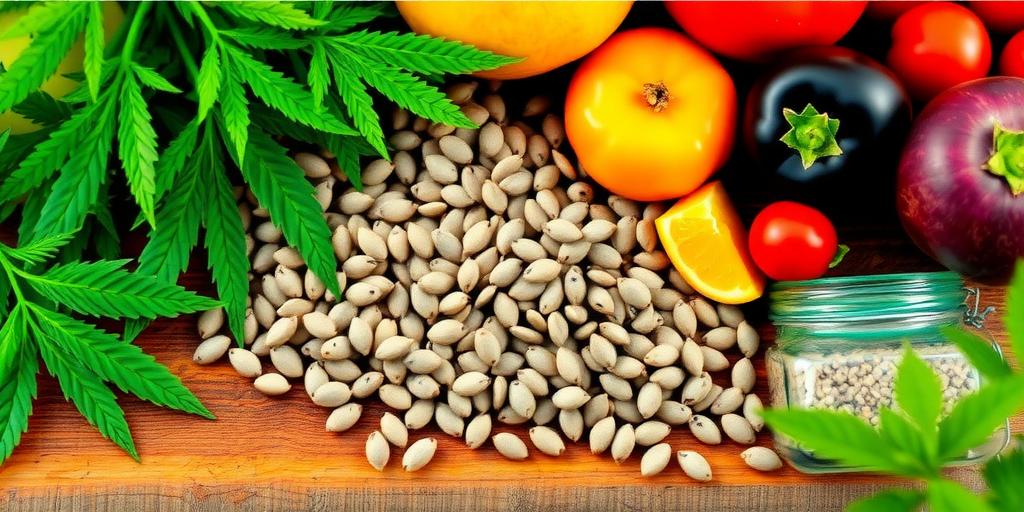
Hemp products offer a range of health benefits that can enhance overall well-being. One notable advantage is their contribution to heart health. Studies suggest that hemp seeds can lower cholesterol and blood pressure levels, which may reduce the risk of heart disease. The healthy fats found in hemp, particularly omega-3 and omega-6 fatty acids, are essential for maintaining a healthy cardiovascular system.
Moreover, the anti-inflammatory properties of hemp oil make it a suitable option for those suffering from conditions like arthritis. Regular use of hemp oil can help manage inflammation and ease discomfort associated with these inflammatory disorders.
Hemp seeds also support brain health due to their rich omega-3 content, which is crucial for cognitive function and mood regulation. This can be particularly beneficial for individuals seeking to improve their mental clarity and emotional balance.
Incorporating hemp seeds into your diet can also aid in weight management. Their high protein and fiber content promote a feeling of fullness, helping to curb cravings and support healthy eating habits. Additionally, the essential fatty acids in hemp can help regulate hormones, potentially alleviating symptoms related to PMS and menopause.
Skin health is another area where hemp products shine. The anti-inflammatory effects of hemp seeds can assist in managing skin conditions like acne and eczema, promoting a clearer complexion.
Furthermore, research indicates that hemp seeds may boost the immune system due to their nutrient density and antioxidant properties, helping the body fend off illnesses. They can also enhance energy levels, making them an excellent choice for those leading active lifestyles or looking to increase their vitality.
Athletes often turn to hemp seeds for muscle recovery after exercise, as the protein they provide aids in repairing muscle tissue. Lastly, the rich fiber content in hemp seeds promotes healthy digestion and prevents constipation, making them a valuable addition to a balanced diet.
- Studies suggest that hemp seeds can improve cardiovascular health by lowering cholesterol and blood pressure levels.
- The anti-inflammatory properties of hemp oil can be beneficial for conditions like arthritis and other inflammatory disorders.
- Hemp seeds may support brain health due to their omega-3 content, which is essential for cognitive function and mood regulation.
- Incorporating hemp seeds into the diet may promote weight loss by providing a feeling of fullness due to their protein and fiber content.
- The essential fatty acids in hemp can help regulate hormones, which may alleviate symptoms related to PMS and menopause.
- Hemp seeds are known to support skin health, helping with conditions like acne and eczema due to their anti-inflammatory effects.
- Research indicates that hemp seeds may boost the immune system, thanks to their nutrient density and antioxidant properties.
- Consuming hemp seeds may improve energy levels and overall vitality, making them an excellent addition to an active lifestyle.
- Hemp seeds can aid in muscle recovery after exercise, making them popular among athletes and fitness enthusiasts.
- The rich fiber content in hemp seeds can promote healthy digestion and prevent constipation.
5. Precautions When Consuming Hemp
Some people may have allergies to hemp seeds, so it is wise to start with small amounts to monitor any reactions. Hemp seeds also contain phytic acid, which can block the absorption of certain minerals. Soaking or sprouting the seeds can help minimize this effect. Given their fat content, hemp products should be stored correctly, ideally in a cool, dark place, to prevent them from going rancid. For those on blood thinners, it’s crucial to consult a healthcare professional before adding hemp products to your diet, as these may interact with medications. Always choose hemp products from reputable sources to ensure quality and safety, as contamination can happen during processing. Consuming excessive amounts of hemp oil might lead to digestive discomfort, so moderation is important. Individuals with specific health conditions should seek medical advice before significantly increasing their hemp intake. It’s also worth noting that hemp seeds can contain trace amounts of THC, so if you’re subject to drug testing, be cautious, particularly with unregulated products. Lastly, pregnant or nursing women should consult their healthcare provider before consuming hemp, as the safety of these products hasn’t been fully established.
Frequently Asked Questions
What important nutrients do hemp food products have?
Hemp food products are rich in protein, omega-3 and omega-6 fatty acids, fiber, vitamins, and minerals. These nutrients support heart health, digestion, and overall wellness.
How can hemp food products be used in cooking?
Hemp food products can be added to smoothies, salads, baked goods, or used as toppings for yogurt and oatmeal. They can also be used to make hemp milk or protein bars.
What are the health benefits of consuming hemp food products?
Eating hemp food products may help improve heart health, support muscle growth, reduce inflammation, and boost skin health due to their healthy fats and nutrients.
Are there any allergies or side effects associated with hemp food products?
Hemp seeds are generally safe for most people, but those with allergies to hemp or cannabis should avoid them. Some people might experience digestive discomfort if they consume large amounts at once.
Can hemp food products help with weight management?
Yes, hemp food products can aid in weight management. They are high in protein and fiber, which can help you feel full longer and assist in maintaining a balanced diet.
TL;DR Hemp, a variety of Cannabis sativa used for industrial purposes, offers numerous food products, especially hemp seeds. These seeds are nutritious, containing protein, healthy fats, vitamins, and minerals. They provide health benefits such as supporting heart health, improving skin conditions, and aiding digestion. Hemp products come in various forms, including seeds, oil, and dairy alternatives. However, one should consider precautions, particularly regarding anti-nutrients and interactions with medications. Overall, hemp food products are a valuable addition to a balanced diet.