
Hemp Fiber Sustainability: How It’s Made and Why It Matters in 2025

Hemp fiber is increasingly recognized for its role in sustainability, derived from the stalk of the Cannabis sativa plant. The extraction process involves retting and decortication, transforming raw hemp into usable fibers. One key benefit is water efficiency, as hemp requires 60% less water than cotton. Additionally, it can thrive without pesticides or fertilizers, fostering healthier ecosystems. Biodegradable and effective at carbon sequestration, hemp significantly contributes to climate change mitigation efforts. Its applications range from textiles to construction materials and bioplastics. As awareness grows about its advantages, the market for hemp fiber could soar significantly by 2030, enhancing job opportunities in various sectors.
Table of Contents
- What is Hemp Fiber?
- Environmental Benefits of Hemp Fiber
- Uses of Hemp in Various Industries
- Market Growth and Economic Impact
- Challenges Facing the Hemp Industry
- Future Outlook for Hemp Fiber in 2025
- Frequently Asked Questions
1. What is Hemp Fiber?
Hemp fiber is a natural textile derived from the stalk of the Cannabis sativa plant, cultivated specifically for industrial use. This fiber is renowned for its strength and durability, making it suitable for a variety of applications. The harvesting process includes cutting the plants, followed by retting, which involves decomposing the outer layers, and then decortication, where the fibers are separated from the woody core. In contrast to cotton, hemp requires significantly fewer resources to grow, resulting in a lower environmental impact. Historically, hemp fiber has been utilized for thousands of years, dating back to ancient civilizations for making ropes and fabrics. Today, it can be spun into yarn, woven into fabric, or incorporated into composite materials. Additionally, hemp fiber is often blended with other materials to enhance its properties, such as strength and texture, in textiles. The hemp plant can thrive in a wide range of climates, making it a versatile crop for farmers. Beyond fiber, hemp also produces seeds and oil, adding to its overall utility as a resource. Innovations in technology are further improving the efficiency of hemp fiber processing, paving the way for increased use in sustainable products.
2. Environmental Benefits of Hemp Fiber
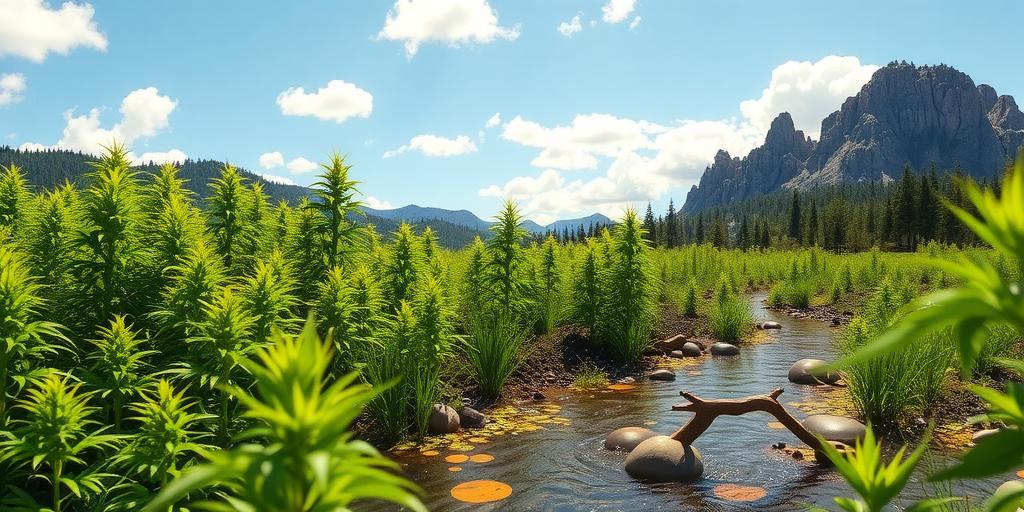
Hemp fiber offers significant environmental benefits that make it an attractive choice for sustainable practices. One of its standout features is its rapid growth cycle; hemp reaches maturity in about 100 days, allowing farmers to harvest multiple times each year. This quick turnaround can lead to more efficient land use and enhanced agricultural productivity. Additionally, hemp’s deep root system is beneficial for soil health, as it helps prevent erosion and improves soil quality by fostering microbial activity.
Moreover, hemp has an impressive capacity for carbon absorption, sequestering more CO2 per hectare than most trees. This characteristic is vital in the fight against climate change, as it aids in carbon offsetting efforts. Another remarkable aspect of hemp cultivation is its ability to restore polluted soils through a process known as phytoremediation. By absorbing toxins from the ground, hemp can help make previously contaminated land viable for future agricultural use.
In terms of resource efficiency, hemp requires significantly less water than conventional crops such as cotton. This makes it a sustainable option, especially in regions facing water scarcity. The plant thrives with minimal to no pesticides and fertilizers, contributing to healthier ecosystems and reducing chemical runoff into waterways. Furthermore, products made from hemp are biodegradable and compostable, which helps to minimize landfill waste and supports the principles of a circular economy.
Beyond its environmental benefits, hemp cultivation can promote biodiversity by providing habitats for various wildlife species. It also holds the potential to boost local economies by creating jobs in sustainable farming practices, processing, and manufacturing. Overall, the lifecycle of hemp products is far less damaging to the environment compared to synthetic fibers derived from fossil fuels, making it a compelling choice for an eco-friendly future.
| Benefit | Description | Source |
|---|---|---|
| Water Efficiency | Hemp requires significantly less water compared to traditional crops like cotton, with a 60% lower water footprint. | Kings Research, 2025 |
| Chemical-Free Growth | Hemp can grow in various conditions with minimal to no pesticides and fertilizers, contributing to healthier ecosystems. | Dakota Hemp, 2026 |
| Biodegradability | Hemp fibers are biodegradable, contrasting sharply with synthetic fibers that contribute to pollution. | Kings Research, 2025 |
| Carbon Sequestration | Hemp cultivation sequesters substantial amounts of CO2, enhancing its role in climate change mitigation. | Spread Maya, 2026 |
3. Uses of Hemp in Various Industries
Hemp’s versatility allows it to be used across multiple industries, making it a sustainable and valuable resource. In the textile sector, hemp is gaining popularity for producing clothing, home furnishings, and durable fabrics, offering strong and breathable alternatives to conventional materials. The construction industry is embracing hempcrete, a composite material that combines hemp hurds with lime, known for its excellent insulation properties and environmental benefits. In automotive manufacturing, hemp fibers are being utilized to create lightweight components and interior materials, which help reduce overall vehicle weight and improve fuel efficiency.
Furthermore, the development of bioplastics made from hemp is underway, presenting an eco-friendly alternative to traditional plastic products, which contribute to pollution. The paper industry is also exploring hemp as a sustainable source of pulp, aiming to decrease deforestation associated with conventional wood-based paper production. In the beauty sector, hemp oil is prized for its nourishing properties, making it a popular ingredient in cosmetics and skincare products. Nutritionally, hemp seeds are recognized as a powerhouse, rich in protein and healthy fats, and are increasingly incorporated into various food products.
The biofuel industry is investigating hemp as a renewable energy source, while its fibers are also used in producing insulation materials for buildings, further enhancing energy efficiency. Research into hemp’s potential medical applications is ongoing, particularly in supplements and health products, highlighting its versatility and importance in various sectors.
4. Market Growth and Economic Impact
The global hemp market is on the rise, with projections showing it could grow from $5.76 billion in 2022 to a remarkable $23.57 billion by 2030. This growth is largely fueled by increasing demand for sustainable materials, as more consumers and industries look for eco-friendly alternatives. Investment in hemp farming and production is also surging, leading to job creation across various sectors, including agriculture, processing, and manufacturing.
Hemp’s economic potential extends beyond fiber, encompassing a range of products such as seeds, oil, and other by-products. This diversification not only benefits producers but also offers farmers a profitable alternative crop, helping them to diversify their income sources. With the U.S. and Canada at the forefront of hemp cultivation, more acreage is being dedicated to hemp, reflecting its growing significance in agriculture.
The international trade of hemp products is expanding, creating new markets for producers and allowing them to tap into global demand. Furthermore, government support and changing regulations are expected to enhance the hemp industry’s growth, making it easier for farmers to enter the market. The development of processing facilities is crucial for meeting market demands and increasing product availability, ensuring that the supply can keep pace with rising consumer interest.
Research partnerships between universities and businesses are also playing a pivotal role in innovation, leading to new applications for hemp and further stimulating market growth. As consumer awareness increases, the demand for hemp-based products is likely to rise, reinforcing the economic impact of this versatile plant.
5. Challenges Facing the Hemp Industry
The hemp industry faces a variety of challenges that hinder its growth. Regulatory hurdles continue to be a significant barrier, as many regions have strict laws surrounding the licensing and cultivation of hemp. This can create confusion and delay for farmers looking to enter the market. Furthermore, there is a persistent misunderstanding of hemp, which is often mistakenly associated with marijuana. This stigma can limit market opportunities and consumer acceptance.
Additionally, the lack of standardized regulations can lead to inconsistencies in product quality and safety, making it difficult for consumers to trust hemp products. Limited processing facilities also pose a challenge, as they can disrupt the supply chain and prevent farmers from capitalizing on their crops. Education and training for farmers are still crucial, as many are not familiar with the best practices for cultivating hemp.
Market saturation is another concern, particularly in regions where many farmers are growing hemp. This can lead to price volatility, making it hard for producers to maintain stable income. On the consumer side, awareness of hemp’s benefits remains low, impacting overall demand. The initial investment required for hemp farming and processing can also deter potential entrants, especially those without access to capital. Finally, competition from established industries, such as cotton and synthetic fibers, continues to challenge the hemp market, emphasizing the need for ongoing research into new applications to sustain innovation and interest.
- Regulatory hurdles still exist in many regions, complicating the licensing and cultivation of hemp.
- Misunderstanding and stigma surrounding hemp, often confused with marijuana, create market barriers.
- The lack of standardized regulations can lead to inconsistencies in product quality and safety.
- Limited processing facilities can hinder the growth of the hemp supply chain.
- Education and training for farmers on best practices for hemp cultivation are still needed.
- Market saturation in some areas can lead to price volatility for hemp products.
- Consumer awareness and understanding of hemp’s benefits are still low, affecting demand.
- The initial investment for hemp farming and processing can be high, deterring some farmers.
- Research into new applications and benefits of hemp is necessary to sustain interest and innovation.
- Competition from established industries, like cotton and synthetic fibers, presents ongoing challenges.
6. Future Outlook for Hemp Fiber in 2025
The future of hemp fiber looks bright as we approach 2025, driven by advances in cultivation and processing technologies. With a growing awareness of environmental issues, consumers are increasingly seeking sustainable products, which is expected to further boost the hemp market. Innovations in technology will likely streamline the production and processing of hemp fibers, making them more efficient and accessible. Collaboration among governments, private sectors, and research institutions will be essential for the industry’s growth, creating a supportive ecosystem for hemp cultivation.
As environmental concerns continue to rise, hemp’s role in sustainable agriculture will become more significant. This crop can help promote biodiversity and soil health while reducing reliance on harmful chemicals. The development of new products and applications will also expand hemp’s market beyond its traditional uses, such as textiles and construction materials, opening up new avenues in automotive and bioplastics.
Regulatory frameworks are expected to evolve, simplifying the process for farmers to enter the hemp market. This will encourage more growers to cultivate hemp, contributing to both economic growth and environmental benefits. Public interest in eco-friendly lifestyles is likely to enhance the popularity of hemp products, making them a staple in homes and industries alike. Furthermore, international collaborations may strengthen global trade in hemp, providing wider market access for producers. Overall, the anticipated growth of the hemp industry promises to contribute positively to both the economy and the environment, aligning closely with sustainability goals.
Frequently Asked Questions
What is hemp fiber made from?
Hemp fiber comes from the stalks of the hemp plant, which is known for its strong and durable fibers.
Why is hemp fiber considered sustainable?
Hemp fiber is sustainable because it grows quickly, requires less water and pesticides than other crops, and can be used in many products, reducing waste.
How is hemp fiber processed into usable products?
Hemp fiber is processed by harvesting the plant, separating the fibers from the stalk, and then cleaning and spinning those fibers into yarn or fabric.
What are some environmental benefits of using hemp over cotton?
Using hemp over cotton can conserve water, reduce soil depletion, and lower carbon emissions during farming, making it a more eco-friendly option.
In what products can we find hemp fiber?
Hemp fiber can be found in clothing, biodegradable plastics, paper, building materials, and many other consumer goods.
TL;DR Hemp fiber, derived from the stalk of the Cannabis sativa plant, boasts impressive sustainability credentials, including water efficiency and biodegradability. It has various industrial applications such as textiles, construction, and automotive parts. The market for hemp fiber is projected to grow significantly, creating job opportunities. However, challenges like regulatory barriers and consumer awareness need addressing. As we approach 2025, hemp fiber is poised to play a crucial role in promoting eco-friendly materials and contributing to sustainable development.