
Hemp Clothing: Properties, Sustainability, and Care Tips

Hemp clothing stands out with its notable properties like durability and breathability, making it a superior choice for everyday wear. Unlike cotton, hemp fabric can endure more wear and tear while naturally regulating temperature for comfort in varying climates. Sustainability is another key aspect; hemp cultivation requires less water and fewer chemicals, plus it absorbs more CO2 than many crops. Caring for hemp clothing is simple: wash in cold water to avoid shrinkage, use mild detergents, and prefer air drying. With proper care practices, you contribute to eco-friendly fashion while enjoying hemp’s unique benefits for years to come.
Table of Contents
- Properties of Hemp Clothing
- Durability of Hemp Fabric
- Breathability of Hemp Textiles
- Eco-Friendly Benefits of Hemp
- Mold Resistance in Hemp Fabrics
- Sustainability of Hemp Clothing
- Low Environmental Impact of Hemp
- Biodegradability of Hemp Fibers
- Carbon Sequestration from Hemp
- Care Tips for Hemp Clothing
- Washing and Drying Hemp Fabrics
- Using Eco-Friendly Detergents
- Ironing and Storing Hemp Clothes
- Quick Stain Treatment for Hemp
- Final Thoughts on Hemp Clothing Care
- Frequently Asked Questions
1. Properties of Hemp Clothing
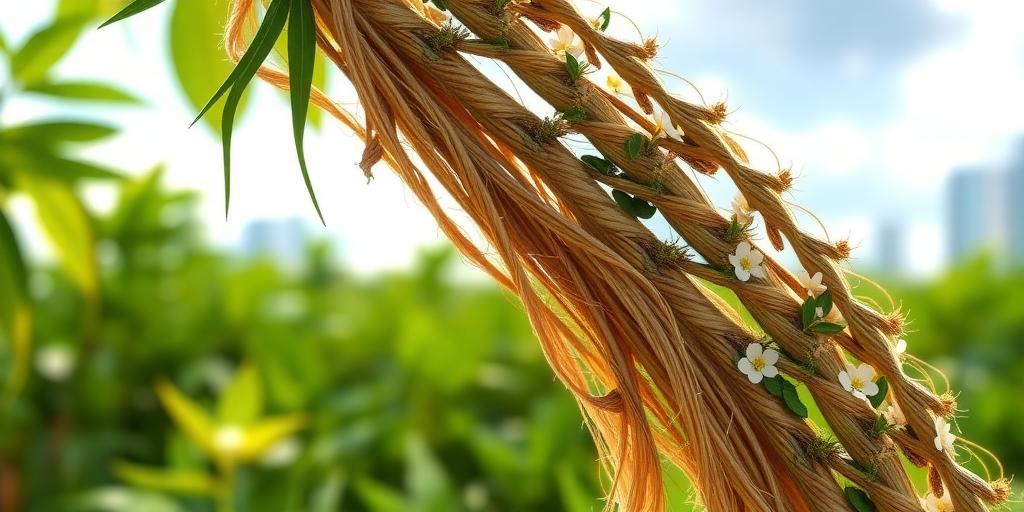
Hemp clothing boasts several unique properties that make it a standout choice in sustainable fashion. One major advantage is its natural UV resistance, which helps shield wearers from harmful sun rays. The texture of hemp fibers is also noteworthy; it becomes softer and more comfortable with each wash, enhancing the overall wearing experience. Additionally, hemp is highly resistant to wrinkles, meaning you can spend less time ironing and more time enjoying your day.
Another eco-friendly aspect of hemp fabric is its compatibility with natural dyes, allowing for vibrant colors without the environmental toll of synthetic alternatives. The fibers also possess antimicrobial properties, which assist in minimizing odors and keeping garments fresh longer. Moreover, hemp can be blended with other materials, such as cotton or organic wool, to combine the best features of each fiber. This versatility means hemp can be tailored into various styles while maintaining its integrity.
For those leading active lifestyles, hemp’s high absorbency rate makes it an excellent choice for activewear and outdoor clothing, as it effectively wicks moisture away. Lastly, hemp is hypoallergenic, making it a safer option for individuals with sensitive skin, further solidifying its appeal as a practical and sustainable fabric.
2. Durability of Hemp Fabric
Hemp fabric stands out for its remarkable durability, lasting up to three times longer than cotton. This longevity makes it a smart investment for anyone looking for cost-effective clothing. With each wash, hemp becomes softer, enhancing comfort while maintaining its strength. Unlike many other fabrics, hemp resists damage from mildew and UV rays, ensuring that clothing remains vibrant for years. It is also less likely to stretch or sag over time, keeping its shape and fit intact. This resilience makes hemp an excellent choice for workwear and outdoor gear, where heavy use is common. The weaving process can further enhance the strength of hemp textiles, producing a sturdy material that stands up to wear and tear. Additionally, hemp’s natural properties make it resistant to tearing and fraying, which adds to its appeal. By choosing hemp clothing, consumers not only enjoy durable apparel but also contribute to reducing textile waste in landfills, as these fabrics can be recycled or repurposed, extending their usability even further.
3. Breathability of Hemp Textiles
Hemp textiles are known for their impressive breathability, which makes them a popular choice for various climates. The porous structure of hemp fibers allows for excellent airflow, helping to regulate body temperature effectively. This means that during hot summer days, hemp clothing keeps you cool, while in colder weather, it provides warmth without overheating. Additionally, the moisture-wicking properties of hemp help keep the wearer dry and comfortable, especially during physical activities. Unlike some synthetic fabrics that cling to the skin, hemp fabric has a natural drape, allowing it to flow freely and provide a comfortable fit in hot weather.
The breathability of hemp also enhances its versatility, making it ideal for layered clothing. Whether you’re hiking in the mountains or enjoying a casual day out, hemp garments can adapt to different conditions, ensuring that you stay comfortable throughout the day. Natural fibers, like those found in hemp, also allow your skin to breathe, which can reduce the chances of skin irritations, especially during warmer months.
Moreover, hemp’s ability to absorb moisture helps prevent the growth of bacteria, keeping your garments fresher for longer. This quality is particularly beneficial for those who engage in outdoor activities, as it helps maintain comfort during strenuous exertion. The lightweight nature of hemp fabrics enhances their comfort level for everyday wear, making them a practical choice for anyone looking to combine style with functionality.
4. Eco-Friendly Benefits of Hemp
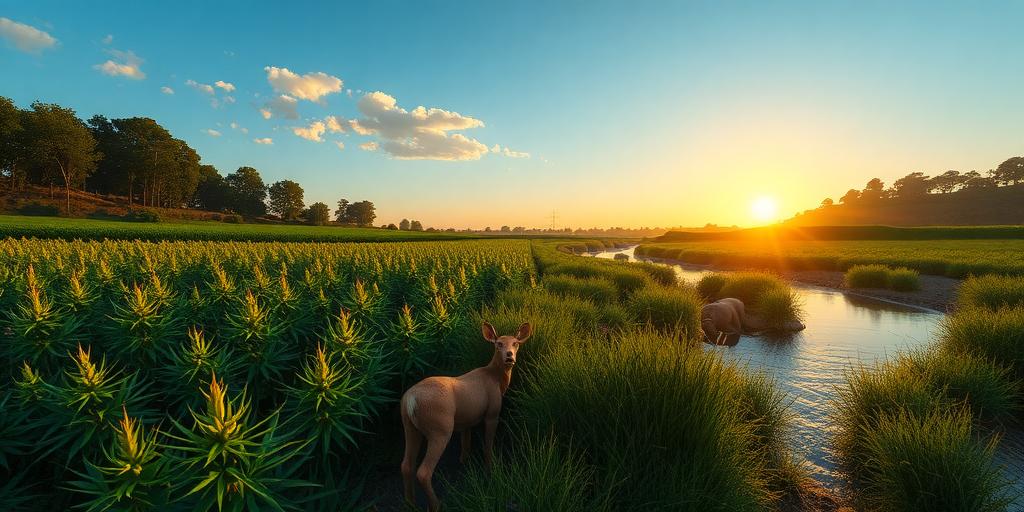
Hemp offers numerous eco-friendly benefits that make it an attractive choice for sustainable living. First, its cultivation requires significantly fewer pesticides and herbicides compared to conventional crops, which helps reduce chemical runoff into our waterways. Moreover, hemp plays a vital role in improving soil health: it prevents erosion and replenishes nutrients, making it a beneficial crop for farmers. The plant is also a champion in carbon absorption, taking in substantial amounts of CO2 during its growth, which contributes to reducing greenhouse gases in the atmosphere.
Versatility is another advantage, as hemp can thrive in diverse climates and soil types, promoting sustainable agriculture practices. This adaptability allows farmers to cultivate hemp in various locations, maximizing land use. Additionally, hemp supports biodiversity by providing habitats for various species, creating a balanced ecosystem. By choosing hemp, we can also lessen our reliance on non-renewable resources like petroleum-based fabrics, as hemp textiles often undergo processing without harmful chemicals, further protecting the environment.
When it comes to water usage, hemp is a clear winner; it requires significantly less water compared to cotton, helping conserve this vital resource. Finally, the fast growth cycles of hemp mean quicker returns on agricultural investments, enabling farmers to reap benefits sooner while contributing positively to the environment.
5. Mold Resistance in Hemp Fabrics
Hemp fabrics possess a unique advantage due to their natural mold resistance, a feature attributed to the presence of lignin in the fibers. This substance not only contributes to the strength of hemp but also plays a significant role in preventing mold and mildew growth. The moisture-wicking properties of hemp help keep the fabric dry, effectively reducing dampness that would otherwise promote mold development. Furthermore, hemp’s breathable nature allows for quick drying, making it particularly suitable for humid environments where mold can thrive.
Garments made from hemp are an excellent choice for those living in areas with high humidity, as they can withstand the conditions that typically encourage mold proliferation. This resistance contributes to a longer lifespan for hemp clothing, ensuring that items remain clean and fresh for extended periods, which in turn reduces the need for frequent washing. This characteristic not only benefits the wearer but also aligns with sustainable practices by minimizing water usage. Additionally, hemp fibers can be treated with natural antimicrobial agents to further enhance their mold-resisting abilities.
The durability and mold resistance of hemp fabrics make them ideal for outdoor gear, particularly in wet environments. Beyond clothing, this property also renders hemp suitable for various applications, including home textiles, where keeping fabrics clean and free from mold is essential.
6. Sustainability of Hemp Clothing
Hemp clothing stands out for its sustainability, rooted in the plant’s resilient nature. It can thrive in poor soil conditions, which means it doesn’t strip the earth of nutrients like some traditional crops do. This ability allows hemp farmers to grow it in various environments, using less water and pesticides than cotton, making it an eco-friendly choice. Additionally, hemp matures rapidly, with certain varieties ready for harvest in as little as 100 days, enabling multiple crops in a single year. This quick turnaround supports sustainable farming practices and integrates well into crop rotation systems, enhancing soil health.
The production of hemp also requires significantly less energy than synthetic fibers, which helps lower the overall carbon footprint associated with clothing. Moreover, hemp farming often emphasizes fair labor practices, contributing to ethical fashion. By opting for hemp textiles, consumers can reduce their reliance on oil-based fabrics, fostering a healthier planet. The cultivation of hemp has the potential to revitalize rural economies, offering farmers alternative income streams and promoting local agricultural practices.
Another notable aspect is that hemp can be grown organically, ensuring that harmful chemicals do not enter the ecosystem. When hemp products reach the end of their life cycle, they are biodegradable, further minimizing environmental impact. Overall, the lifecycle of hemp clothing reveals a much lower environmental footprint compared to conventional fabrics, making it a smart choice for those mindful of sustainability.
7. Low Environmental Impact of Hemp
Hemp cultivation stands out as an environmentally friendly option, especially when compared to traditional crops like cotton. It requires significantly less water, making it a better choice for regions facing water scarcity. By thriving without synthetic fertilizers, hemp helps to protect soil health, minimizing degradation and pollution. Its deep root system not only aids in preventing soil erosion but also enhances soil structure, further reducing the need for chemical treatments. Hemp can be grown on less land while still maximizing yield, which supports land use efficiency. Moreover, its cultivation promotes biodiversity, as hemp can be integrated with other plants, fostering a polyculture that benefits local ecosystems. The fiber derived from hemp also contributes to reducing the overall environmental impact of clothing production, and its low carbon footprint compared to synthetic fabrics encourages a shift towards more sustainable fashion practices.
8. Biodegradability of Hemp Fibers
Hemp fibers naturally break down, making them a great choice for eco-conscious consumers. Unlike synthetic fibers, which can linger in landfills for centuries, hemp decomposes within a few months. This rapid breakdown not only reduces landfill waste but also returns valuable nutrients to the soil, enhancing its fertility. Importantly, the decomposition process does not release harmful toxins into the environment, making hemp clothing a safe option for eco-friendly waste management strategies. The biodegradability of hemp supports a circular economy in the fashion industry, allowing these textiles to fit into sustainable gardening practices as compostable materials. Additionally, hemp can be blended with other biodegradable fibers, further improving its environmental impact. By choosing hemp, consumers contribute to a movement towards responsible consumption, promoting a healthier planet.
9. Carbon Sequestration from Hemp
Hemp is remarkable for its ability to absorb significant amounts of carbon dioxide (CO2) as it grows. This characteristic not only helps offset carbon emissions but also plays a crucial role in climate change mitigation. Due to its rapid growth, hemp can absorb CO2 faster than many slower-growing plants. When processed and utilized properly, the carbon stored in hemp can remain sequestered for years, which enhances its environmental benefits.
Furthermore, the use of hemp in various industries, such as in bio-composites and construction materials, helps lock in carbon even longer. This means that every hemp product contributes to maintaining its carbon-storing capabilities. By integrating hemp farming into sustainable forestry practices, we can further amplify its role in carbon sequestration. Additionally, hemp farming can participate in carbon credit systems, offering financial incentives to farmers who engage in eco-friendly agricultural practices. Overall, the carbon footprint of hemp products is lower than that of many conventional textiles, making it an excellent choice for eco-conscious consumers.
10. Care Tips for Hemp Clothing
To keep your hemp clothing in top shape, washing with care is essential. Always use cold or lukewarm water to protect the fibers and maintain the vibrant colors. Hot water can cause shrinkage, so it’s best to avoid it. When washing, turn your garments inside out to shield the outer surface from wear and tear. Fabric softeners should be avoided, as they can coat the fibers and diminish their natural qualities. Instead, consider using mild, eco-friendly detergents to preserve the integrity of the fabric.
When it comes to drying, air drying is the safest option to prevent shrinkage. If you choose to use a tumble dryer, select a low heat setting and remove the items while they are still slightly damp. Direct sunlight can fade colors over time, so try to dry your hemp clothing in shaded areas. If your garment gets wrinkled, you can use a damp cloth between the iron and the fabric to avoid scorching. Ironing while the fabric is still damp can also make the process easier.
Hemp clothing doesn’t need frequent washing, as its fibers benefit from occasional cleaning. If you want to refresh your garments between washes, a natural fabric spray can do the trick. For persistent odors, airing out the clothing can often eliminate smells without the need for washing. Store your hemp clothing folded to avoid stretching and distortion, keeping it in a cool, dry place away from direct sunlight. Lastly, when treating stains, act quickly and use natural remedies like baking soda or white vinegar.
- Avoid using fabric softeners, as they can coat hemp fibers and reduce their natural properties.
- For best results, wash hemp clothing inside out to protect the outer surface from wear.
- When drying, avoid direct sunlight as it may fade colors over time; instead, opt for shaded areas.
- If you need to treat wrinkles, consider using a damp cloth between the iron and the hemp fabric to prevent scorching.
- Occasional washing is recommended, as hemp fibers benefit from cleanliness but do not require frequent washing.
- To maintain the fabric’s integrity, hand washing is preferred over machine washing when possible.
- Store hemp clothing folded rather than hung to prevent stretching and distortion.
- Consider using a natural fabric spray to refresh garments between washes instead of washing them frequently.
- If a garment develops a smell, airing it out can often remove odors without washing.
11. Washing and Drying Hemp Fabrics
To properly care for your hemp fabrics, it’s important to wash them in cold or lukewarm water, as hot water can lead to shrinkage. For the first few washes, wash hemp items separately to prevent any color bleeding. It’s advisable to avoid fabric softeners since they can leave a residue that affects the natural breathability of the fibers. Using a gentle cycle on your washing machine is a smart choice to minimize agitation, which can be tough on the fabric. If you have heavily soiled items, consider pre-soaking them in a mixture of water and eco-friendly detergent before washing.
Make sure not to overload the washing machine; this allows for proper cleaning and helps maintain the integrity of the fibers. If you can, choose a front-loading washing machine, which tends to be gentler on fabrics compared to top loaders. Always check the care labels for specific washing instructions provided by the manufacturer. For delicate hemp blends, hand washing is the best option to ensure the fabric remains intact.
When it comes to drying, air drying is the preferred method. Hang your garments away from direct sunlight to preserve their color. If you must use a dryer, opt for a low heat setting and remove the items while they are still damp to avoid shrinkage.
12. Using Eco-Friendly Detergents
When it comes to cleaning your hemp clothing, choosing the right detergent is crucial for maintaining its quality and longevity. Opt for detergents labeled as biodegradable, which break down naturally and minimize environmental impact. Steer clear of harsh chemicals, as these can weaken the delicate fibers over time. Instead, look for products with naturally derived dyes and fragrances to further reduce your footprint.
Detergent pods or strips are also a great option, as they often come with less packaging waste. Before making a switch, test a small area of fabric to ensure no adverse reactions occur. Concentrated detergents can be more eco-friendly too, as they require less water for transport. It’s also wise to avoid fabric softeners that contain silicone, as these can coat the fibers and reduce breathability.
Be cautious of optical brighteners in detergents, as they may cause discoloration in your hemp fabrics. Storing detergents in a cool, dry place helps maintain their effectiveness. If you’re feeling adventurous, consider making your own laundry detergent using simple ingredients like washing soda and soap to ensure a completely eco-friendly wash.
13. Ironing and Storing Hemp Clothes
Ironing hemp clothing is best done while the fabric is slightly damp, which helps reduce wrinkles effectively. Use a medium heat setting on your iron, as high temperatures can damage the fibers. To protect your hemp garments, place a cotton cloth between the iron and the fabric, especially when dealing with delicate weaves. For those stubborn wrinkles, a steam iron or a light spray of water on the garment before ironing can work wonders.
When it comes to storing your hemp clothes, folding them neatly is essential to avoid creasing and maintain their shape. For extended storage, consider using breathable garment bags to keep dust at bay. Avoid plastic containers, as they can trap moisture and promote mold growth. Store your items in a cool, dark place to prevent fading from sunlight exposure. It’s also wise to regularly check on your stored hemp clothing for any signs of pests or mildew. Organizing your hemp wardrobe by season or type makes it easier to access your favorite pieces.
14. Quick Stain Treatment for Hemp
To effectively treat stains on hemp clothing, it’s crucial to act quickly. The sooner you respond, the easier it will be to remove the stain. Start by gently blotting the area with a clean cloth, avoiding any rubbing that might spread the stain further. For natural stain removal, consider using substances like baking soda, white vinegar, or lemon juice, which are effective and gentle on the fabric.
If you encounter oil-based stains, sprinkle baking soda on the affected area and let it sit for a while before washing. For stubborn stains, create a paste from baking soda and water, apply it directly to the stain, and allow it to dry before washing. Always rinse the stained area with cold water first to prevent the stain from setting.
Before trying any stain removal method, test it on a hidden part of the fabric to ensure it won’t cause damage. Avoid using bleach or harsh chemicals, as these can discolor or weaken hemp fibers. For ink stains, gently dab the area with rubbing alcohol on a cotton ball. After treatment, wash the item according to the care instructions to ensure the stain is completely removed.
15. Final Thoughts on Hemp Clothing Care
Taking good care of your hemp clothing can truly enhance its longevity and maintain its unique qualities. Regular maintenance, like washing in cold water and using mild detergents, can protect the fabric while keeping it in great shape. To limit wear and tear, consider alternating your outfits to reduce the frequency of washing. Embracing the natural wrinkles of hemp adds character to your garments, so don’t worry too much about achieving a perfectly smooth look. It’s also important to educate others about the benefits of hemp textiles, as this promotes sustainable fashion choices. Explore local resources for eco-friendly laundry practices, which can help minimize your environmental impact. Joining or forming a community focused on sustainable textile care can provide valuable tips and support. Always refer to the manufacturer’s care instructions for the best results, and when shopping, support brands that prioritize sustainable practices in their hemp clothing production. Enjoy the comfort and durability of hemp while being mindful of its unique care needs.
Frequently Asked Questions
What makes hemp clothing different from regular clothing?
Hemp clothing is different because it comes from the hemp plant, which is known for being strong and durable. It naturally resists mold and UV rays, making it a smart choice for various weather conditions.
How is hemp clothing produced in an eco-friendly way?
Hemp clothing is produced in an eco-friendly way since hemp grows quickly and needs less water than cotton. It usually requires fewer pesticides, so overall, its impact on the environment is lower.
Can hemp clothing be worn for all seasons?
Yes, hemp clothing is versatile. It breathes well, keeping you cool in summer, and it can be layered in winter to keep you warm, making it suitable for all seasons.
How do you care for hemp clothing to make it last longer?
To care for hemp clothing, wash it in cold water and avoid harsh detergents. Air drying is best, and ironing on a low setting can help maintain its shape.
Is hemp clothing comfortable to wear?
Yes, hemp clothing is very comfortable. It gets softer with each wash, so it feels great against your skin and often has a relaxed fit.
TL;DR Hemp clothing offers durability, breathability, and mold resistance, making it ideal for various climates. Its eco-friendly traits include low water usage, biodegradability, and significant carbon sequestration. To care for hemp garments, wash in cold water with eco-friendly detergents, air dry when possible, and store in a cool, dry place. Quick stain treatment is recommended to maintain fabric quality. Overall, hemp clothing is a sustainable choice that aligns with environmentally-conscious fashion practices.