Everything to Know About Hemp Skincare in 2025

Hemp skincare is set to grow significantly in 2025, as more consumers lean towards natural and clean beauty products. The U.S. CBD skincare market alone is expected to increase from $0.94 billion in 2025 to nearly $7 billion by 2035, driven by a compound annual growth rate of over 22%. With advancements like nano-enhanced CBD formulations and a focus on sustainability, the industry aims to cater to the rising demand for effective and eco-friendly solutions. However, businesses face challenges like market saturation and varied regulations across states. Still, the outlook remains bright as technology continues to innovate within this space.
Table of Contents
- Market Growth and Projections for Hemp Skincare
- Key Trends Shaping Hemp Skincare in 2025
- Understanding the Regulatory Landscape
- Benefits of Hemp in Skincare Products
- Consumer Preferences in Hemp Skincare
- Challenges Facing the Hemp Skincare Market
- Future Outlook for Hemp Skincare Innovations
- Frequently Asked Questions
1. Market Growth and Projections for Hemp Skincare
The U.S. hemp skincare market is on a significant upward trajectory, expected to soar to $6.98 billion by 2035. This growth is fueled by a rising consumer preference for natural ingredients and wellness products. Millennials and Gen Z are particularly driving demand for CBD-infused skincare, as they increasingly seek out plant-based solutions for their skincare routines. North America and Europe are likely to lead this market, but the Asia-Pacific region is also emerging rapidly. E-commerce platforms are becoming essential for purchasing hemp skincare, reflecting a shift in how consumers buy their products. Interestingly, many shoppers are willing to pay more for high-quality hemp offerings, indicating a trend toward premium products. The expansion of the organic skincare market is closely linked to the increasing popularity of hemp-based products. Retail partnerships and collaborations are also becoming commonplace, allowing brands to broaden their reach. The COVID-19 pandemic has accelerated interest in self-care, which has further propelled the growth of the hemp skincare sector. Additionally, investments in hemp farming and production are set to rise as more companies enter this lucrative market.
| Market Segment | Projected Market Value (2025) | Projected Market Value (2035) | CAGR |
|---|---|---|---|
| U.S. CBD Skincare | $0.94 billion | $6.98 billion | 22.24% |
| Global Hemp Market | N/A | $20 billion | N/A |
| Creams and Moisturizers | N/A | N/A | 41.67% (revenue in 2025) |
2. Key Trends Shaping Hemp Skincare in 2025
The hemp skincare market in 2025 is being shaped by several key trends. One major trend is the rise of multifunctional products, where consumers are leaning towards items that provide multiple benefits, such as hydration, anti-aging, and soothing properties all in one. Personalization is also becoming crucial, with brands developing tailored hemp solutions that cater to different skin types and concerns. Social media continues to play a significant role, as beauty influencers are shaping consumer preferences and driving interest in hemp products. Additionally, sustainable sourcing and eco-friendly practices are now essential brand values, influencing consumers who prioritize green initiatives in their purchasing decisions.
The demand for cruelty-free and vegan products is on the rise, with many hemp brands aligning their offerings to meet these ethical standards. Innovative packaging solutions, like biodegradable materials, are becoming more common, appealing to environmentally conscious shoppers. The integration of technology in product development is another notable trend, with apps for skin analysis gaining popularity, allowing consumers to find the best hemp products for their specific needs. Furthermore, there is a growing focus on mental well-being, leading to the creation of products that promote relaxation and stress relief, leveraging hemp’s calming properties. Collaborations with wellness brands are emerging, merging skincare with holistic health approaches to enhance overall well-being. Lastly, subscription boxes featuring curated hemp skincare products are becoming increasingly popular, providing consumers with a tailored experience to discover new favorites.
- The trend of using multifunctional products is gaining traction, with consumers preferring items that offer various benefits.
- Personalization in skincare is becoming essential, with brands offering tailored hemp solutions based on individual skin types.
- The influence of social media and beauty influencers is significant in shaping consumer preferences for hemp products.
- Sustainable sourcing and eco-friendly practices are now seen as essential brand values, influencing purchasing decisions.
- The demand for cruelty-free and vegan products is rising, with many hemp brands aligning with these values.
- Innovative packaging solutions, such as biodegradable materials, are becoming more common in hemp skincare.
- The integration of technology in product development, such as apps for skin analysis, is on the rise.
- The focus on mental well-being is leading to products that promote relaxation and stress relief, leveraging hemp’s calming properties.
- Collaborations with wellness brands are increasing, merging skincare and holistic health approaches.
- The popularity of subscription boxes that include hemp skincare products is growing, providing consumers with curated experiences.
3. Understanding the Regulatory Landscape
The regulatory environment for hemp skincare is quite complex and varies widely across different countries and regions, creating significant challenges for brands looking to navigate this space. In the United States, for instance, the FDA has not yet established a clear framework for CBD products, leading companies to operate within a confusing patchwork of state laws. This lack of uniformity means that many states are implementing their own regulations, making compliance a complex task for manufacturers and often resulting in uncertainty in the market.
Consumer safety remains a primary concern, and there are increasing calls for stricter regulations and standards within the hemp industry. In Canada, the use of hemp in cosmetics is regulated under the Cannabis Act, which ensures that products meet safety and quality standards. Meanwhile, in Europe, regulations dictate that CBD and CBG can be incorporated into skincare products as long as they do not contain trace amounts of THC, which is closely monitored.
Globally, the recognition and regulation of CBD as a cosmetic ingredient are slowly gaining traction, paving the way for market expansion. Ongoing research and studies into hemp’s benefits and safety may influence future regulations, as the industry continues to evolve. Industry groups are actively advocating for clearer guidelines to help businesses comply with regulations and thrive in the marketplace.
Public perception of hemp and cannabis products is changing, which in turn influences regulatory approaches in various regions. Additionally, discussions surrounding international trade agreements have emerged, focusing on how they might facilitate the movement of hemp products across borders. As the regulatory landscape continues to shift, businesses must stay informed and agile to adapt to these changes.
4. Benefits of Hemp in Skincare Products
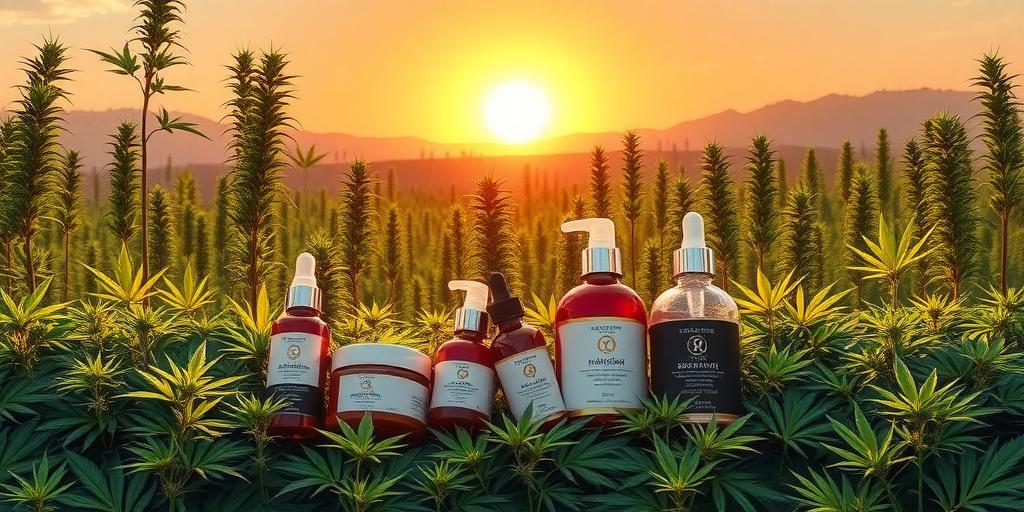
Hemp has emerged as a powerful ingredient in skincare, offering numerous benefits that cater to various skin types and concerns. One of the standout characteristics of hemp oil is its non-comedogenic properties, meaning it won’t clog pores. This makes it an excellent choice for oily and acne-prone skin, helping to balance oil production without causing breakouts. Additionally, hemp oil is rich in antioxidants, which combat free radicals and promote healthier skin. This is particularly important as we deal with environmental stressors that can accelerate skin aging.
Another crucial benefit is the presence of gamma-linolenic acid (GLA) in hemp seed oil. GLA is known for its skin health benefits, particularly for those suffering from conditions like eczema and psoriasis, as it helps reduce inflammation and supports skin barrier repair. Moreover, CBD, a compound derived from hemp, has gained attention for its soothing properties. It can calm sensitive skin and reduce irritation, making it a popular choice for those with redness or puffiness.
Regular use of hemp-infused products can significantly improve skin elasticity and overall texture, giving the skin a more youthful appearance. The moisturizing properties of hemp oil also play a vital role in locking in hydration, effectively reducing dryness and flakiness. Additionally, hemp extracts are often packed with vitamins A, C, and E, which contribute to a brighter complexion and can help with anti-aging concerns. As consumers increasingly seek natural solutions, the anti-inflammatory properties of hemp can aid in reducing redness and creating a more even skin tone. With ongoing research exploring hemp’s potential in enhancing skin healing and recovery, it is clear that these products hold promise for various skincare needs.
5. Consumer Preferences in Hemp Skincare
Recent surveys show that consumers are increasingly favoring natural ingredients in their skincare products, with hemp standing out as a top choice. This shift is part of a larger trend where the demand for ethical and socially responsible brands is on the rise. Many consumers prefer companies that actively support sustainable farming practices. Transparency plays a crucial role in brand loyalty, as shoppers want to know where ingredients come from and how they benefit their skin. Influencer endorsements significantly shape consumer opinions, driving sales and brand awareness in the hemp skincare market.
Price sensitivity is also a factor, as consumers often find themselves balancing quality with affordability when choosing hemp products. The trend of DIY skincare is gaining traction, with many looking to create their own hemp-infused products at home, further emphasizing a desire for personalization and engagement in their skincare routines. Additionally, the presentation of products through packaging design and branding increasingly impacts consumer perception. Many shoppers are also leaning towards supporting local hemp farms, highlighting a growing emphasis on community and local sourcing. Online reviews and testimonials are influential, as people often rely on peer feedback before making purchase decisions. Gift sets featuring hemp products are becoming especially popular during the holiday seasons and special occasions, reflecting the product’s versatility and appeal.
6. Challenges Facing the Hemp Skincare Market
The hemp skincare market faces several challenges that could impact its growth and consumer trust. One major issue is the lack of standardization in product formulations, which can lead to confusion and skepticism among consumers. With many brands vying for attention in a saturated market, differentiating products becomes increasingly difficult. Additionally, quality control remains a significant concern, as some products may not deliver the potency or efficacy they claim, further eroding consumer confidence.
Navigating the complex regulatory landscape poses another hurdle, especially for smaller brands attempting to break into the market. They often find themselves strained by the varying state laws regarding CBD products, making compliance a costly and time-consuming effort. Furthermore, negative perceptions surrounding cannabis products can deter certain demographics, particularly older consumers, from embracing hemp skincare.
Supply chain issues may also arise due to inconsistent hemp sourcing, which can affect both product availability and pricing. Producers often grapple with the high costs associated with quality hemp extraction methods, directly impacting their profit margins. As competition from alternative natural ingredients, like jojoba and argan oil, intensifies, hemp brands must find effective ways to highlight their unique benefits.
Lastly, there remains a pressing need for education around hemp skincare benefits and uses, as many potential customers are still unaware of what these products can offer. Addressing environmental concerns linked to hemp farming, such as water usage and soil impact, is also crucial for sustainable growth in the industry.
7. Future Outlook for Hemp Skincare Innovations
The future of hemp skincare is looking bright, with several exciting innovations on the horizon. New extraction methods are being developed that promise to enhance the quality and potency of hemp products, making them even more effective for consumers. Researchers are also exploring how hemp can work in synergy with other natural ingredients, paving the way for unique formulations that cater to various skin needs.
As technology advances, smart skincare solutions are likely to gain popularity. AI-driven skin analysis could lead to personalized hemp skincare regimens, ensuring that users get products tailored to their specific skin types and concerns. Alongside these technological advancements, consumer education initiatives will play a crucial role in demystifying hemp, helping people understand its benefits and how to incorporate it into their routines.
Collaborations between skincare brands and wellness influencers are expected to rise, creating unique product offerings and increasing the visibility of hemp skincare. Sustainability will also be a key focus, with more brands adopting eco-friendly formulations and packaging to meet consumer demand for responsible products.
There’s potential for hemp-derived products to expand into new markets, including oral care and hair care, reflecting the versatility of hemp. Additionally, emerging wellness trends, such as the popularity of adaptogens and holistic health approaches, may influence the development of future hemp products.
Incorporating user feedback into product development can enhance satisfaction and build brand loyalty, ensuring that consumers feel heard and valued. As scientific research continues to validate the benefits of hemp, we can expect an increase in clinical studies, which will help solidify hemp’s place in mainstream skincare.
Frequently Asked Questions
What are the benefits of using hemp in skincare products?
Hemp is packed with vitamins and fatty acids that help moisturize, soothe dry skin, and reduce inflammation. It also has antioxidants that protect against skin damage and aging.
Is hemp skincare safe for all skin types?
Yes, hemp skincare is generally safe for all skin types, including sensitive skin. Its natural ingredients usually cause fewer irritations compared to chemical-laden products.
How does hemp oil compare to other oils in skincare?
Hemp oil is lighter than many oils, making it absorb easily into the skin. Unlike some oils, it doesn’t clog pores, making it a great option for both oily and dry skin types.
Can hemp skincare help with acne?
Yes, hemp skincare can help with acne due to its anti-inflammatory properties. It can reduce redness and irritation while keeping the skin balanced without drying it out.
How can I tell if a hemp skincare product is high quality?
Look for products that list hemp seed oil or extract high up on the ingredient list, check for third-party testing, and choose brands that are transparent about their sourcing and manufacturing methods.
TL;DR Hemp skincare is set for significant growth in 2025, with the U.S. CBD skincare market projected to rise from $0.94 billion to nearly $7 billion by 2035. Key trends include rising consumer demand for clean beauty products and innovative formulations, like nano-enhanced CBD. However, varying regulations and market saturation present challenges for the industry. Benefits of hemp in skincare include its anti-inflammatory properties and rich nutritional content. The outlook is optimistic, with technological advancements and emerging international markets offering new opportunities.