
Complete Guide to Hemp Protein Nutrition for 2025

Hemp protein is gaining traction as a key player in nutrition for 2025, offering a rich nutritional profile. It’s classified as a complete protein, containing all nine essential amino acids, making it similar to high-quality animal proteins. A typical serving delivers around 15 grams of protein and valuable fats like omega-3 and omega-6 in a heart-healthy ratio. Its fiber content supports digestive health while promoting weight management by keeping you feeling full. As more people seek plant-based options, hemp protein’s versatility shines; it can be easily added to meals without altering flavors much. However, some might face digestive issues or allergic reactions if they consume too much too quickly. With an increasing focus on sustainability, hemp shows promise as an eco-friendly food source that aligns with today’s health trends.
Table of Contents
- Nutritional Profile of Hemp Protein
- Health Benefits of Hemp Protein
- Applications of Hemp Protein in Your Diet
- Potential Side Effects of Hemp Protein
- Market Insights for Hemp Protein in 2025
- Future Trends in Hemp Protein Nutrition
- Frequently Asked Questions
1. Nutritional Profile of Hemp Protein
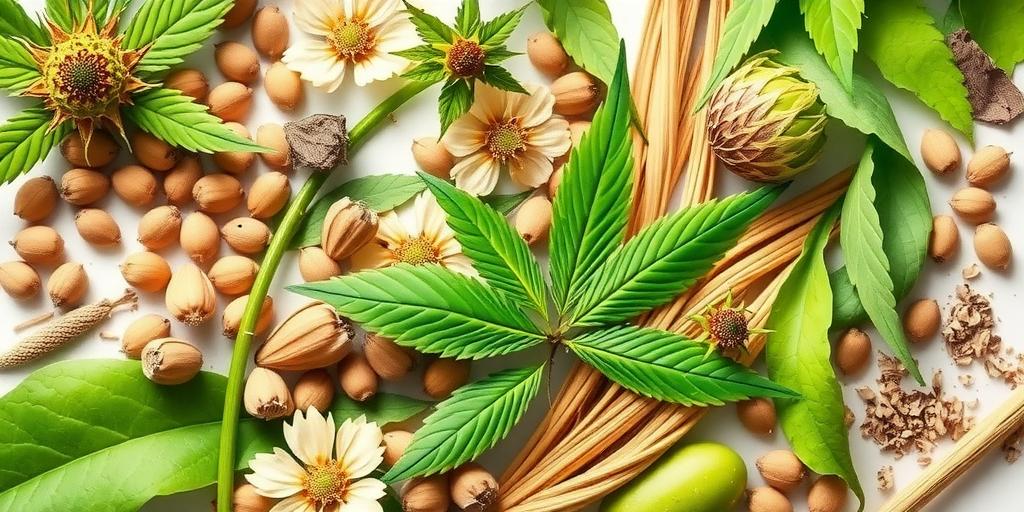
Hemp protein stands out as a complete source of protein, meaning it includes all nine essential amino acids that our bodies cannot produce on their own. This makes it an excellent alternative to animal proteins and soy. In a typical 30g serving, you can expect around 120 calories, 15g of protein, 3g of fat, and a generous 8g of fiber. The fat content is primarily made up of healthy unsaturated fats, including omega-3 and omega-6 fatty acids, which are beneficial for heart health. This optimal ratio contributes to overall wellness.
In addition to its protein and fat content, hemp protein is packed with important vitamins and minerals. Each serving provides a good amount of magnesium, iron, and zinc, which are vital for various bodily functions, such as immune support and energy production. The protein is also rich in antioxidants like vitamin E, helping to combat oxidative stress.
One of the appealing aspects of hemp protein is its high fiber content, which aids digestion and promotes gut health. This makes it a great option for those looking to maintain a healthy digestive system. Moreover, with low carbohydrate levels, hemp protein fits well into low-carb diets, making it a versatile addition for many dietary preferences. It is gluten-free, making it safe for individuals with gluten intolerance, and it’s also known for being easily digestible compared to some other plant proteins, which can sometimes cause digestive discomfort.
| Nutrient Description | Amount per 30g Serving |
|---|---|
| Calories | 120 |
| Protein | 15g |
| Fat | 3g (including omega-3 and omega-6) |
| Fiber | 8g |
| Vitamins and Minerals | Magnesium, Iron, Zinc, Vitamin E |
2. Health Benefits of Hemp Protein
Hemp protein offers several health benefits, making it a valuable addition to a balanced diet. One significant advantage is its positive impact on heart health. Research shows that hemp protein can improve cholesterol levels and lower blood pressure, which may reduce the risk of cardiovascular diseases. Its rich content of omega-3 and omega-6 fatty acids also contributes to a healthy heart.
Another benefit is its role in weight management. The combination of protein and fiber in hemp protein promotes feelings of fullness, helping to control appetite and support weight loss efforts. Additionally, the high fiber content aids in digestive health, promoting regular bowel movements and a healthy gut microbiome.
Hemp protein is also known for its anti-inflammatory properties, which may help to lower the risk of chronic diseases such as diabetes and arthritis. The bioactive compounds within hemp protein can reduce inflammation and support overall health.
For those active in sports or exercise, hemp protein can assist in muscle recovery. Consuming it post-workout may help repair muscle tissues and reduce exercise-induced soreness. Furthermore, its unique fatty acid profile supports skin health, providing essential nutrients that help maintain hydration and elasticity.
Hemp protein’s phytonutrients may also play a role in hormonal balance, while its nutrient-rich profile can enhance immune function, helping the body fend off illnesses. Lastly, the presence of omega-3 fatty acids in hemp protein can contribute to improved brain health, supporting cognitive functions and potentially reducing the risk of neurodegenerative diseases. Overall, incorporating hemp protein into your diet can support a range of health benefits that contribute to overall wellness.
- Supports heart health by improving cholesterol levels
- Helps manage weight by promoting satiety
- Aids in digestive health due to high fiber content
- Contains anti-inflammatory compounds that may reduce chronic disease risk
- May assist in muscle recovery after physical activity
- Supports skin health due to its fatty acid profile
- Potentially beneficial for hormonal balance due to phytonutrients
- Can enhance immune function with its nutrient-rich profile
- May improve brain health through omega-3 fatty acids
- Contributes to overall wellness as part of a balanced diet
3. Applications of Hemp Protein in Your Diet
Hemp protein is a versatile addition to your meals, allowing you to boost your protein intake easily. One popular way to use it is by mixing it into smoothies, providing a creamy texture and a protein boost that helps fuel your day. You can also add it to baked goods like muffins and pancakes for extra nutrition without compromising flavor. Stirring hemp protein into oatmeal or yogurt enhances both taste and nutritional value, making your breakfast more satisfying. For those looking to elevate their salads, hemp protein can be blended into dressings, adding a nutty flavor and a nutrient kick. If you’re a fan of soups, blending it in can create a creamier texture while adding protein. Hemp protein is also perfect for making energy bars or protein balls, making it a great snack option. You can sprinkle it on top of cereals or granola for added crunch and nutrition. Mixing it into sauces can thicken them while boosting their nutritional profile, and it serves as an excellent base for plant-based protein shakes. Finally, consider incorporating it into homemade protein pancakes or waffles, turning your breakfast into a nourishing meal.
4. Potential Side Effects of Hemp Protein
While hemp protein offers many benefits, it can also lead to some side effects, especially when consumed in excess. One common issue is digestive discomfort. High fiber content may cause gas, bloating, or even diarrhea, particularly for those not used to a high-fiber diet. Additionally, some individuals may experience allergic reactions if they have a sensitivity to hemp, which makes it essential to avoid this protein if you know you have such allergies.
Another consideration is its interaction with certain medications, particularly those affecting blood pressure. If you are on medication for this condition, it’s wise to consult a healthcare provider before adding hemp protein to your diet.
Moderation is key, as excessive fiber intake can lead to unwanted digestive changes, including increased bowel movements. Taking hemp protein on an empty stomach may also cause mild nausea, so starting with smaller amounts can help assess your tolerance. It’s worth noting that while hemp protein is generally safe, it may contain trace amounts of THC, which could be a concern for some users. Always consult a healthcare provider if you experience any adverse effects.
5. Market Insights for Hemp Protein in 2025
The market for hemp protein is expected to experience significant growth as consumers increasingly turn to plant-based protein sources. This surge is driven by a heightened awareness of health and sustainability benefits associated with hemp protein. As more people adopt vegan and vegetarian diets, hemp protein is gaining traction as a key player in these markets. Fitness enthusiasts are also discovering its advantages for muscle recovery and overall performance, contributing to its rising popularity.
Moreover, there is a noticeable shift towards clean-label and organic protein sources. Hemp protein aligns well with this trend, as it is derived from a sustainable crop that requires fewer resources compared to traditional protein sources. As a result, hemp protein products are becoming more widely available, both in retail outlets and online, making them accessible to a broader audience.
Emerging trends include flavored and fortified hemp protein products, which cater to diverse taste preferences and nutritional needs. Brands are collaborating with nutritionists to promote hemp protein effectively, enhancing consumer trust and education. Additionally, there is potential for innovation in hemp protein-based snacks and meals, appealing to those looking for convenient, healthy options.
Globally, market trends indicate a shift toward sustainable agricultural practices, further solidifying hemp’s position as an eco-friendly protein source. As awareness grows and demand increases, the hemp protein market is poised for a promising future in 2025.
6. Future Trends in Hemp Protein Nutrition
As we look ahead to 2025, several trends are emerging in the realm of hemp protein nutrition. Research into the health benefits of hemp protein is gaining momentum, with studies exploring its potential applications in various diets. This increased focus is likely to lead to more evidence-based recommendations regarding its inclusion in daily nutrition. Moreover, advancements in hemp farming techniques are expected to enhance crop yields, making hemp protein more accessible and affordable.
The growing interest in sustainable food production aligns perfectly with hemp’s eco-friendly profile. As consumers become more environmentally conscious, hemp is increasingly viewed as a viable alternative to traditional protein sources. This shift will likely inspire the development of new recipes and products featuring hemp protein, allowing people to incorporate it into their diets in exciting ways.
Education will play a crucial role, with efforts to inform consumers about the nutritional value of hemp protein. We may see this ingredient making its way into mainstream dietary guidelines, reflecting its benefits as a complete protein source. Furthermore, emerging technologies aimed at enhancing nutrient bioavailability could make hemp protein even more beneficial for health.
Collaboration between food scientists and manufacturers is expected to improve the taste and texture of hemp protein products, broadening their appeal. This could lead to penetration into new markets and demographics, attracting those who may not yet be familiar with hemp as a food source. Lastly, the ongoing rise of plant-based diets will likely solidify hemp protein’s status as a staple, making it a common choice for those seeking healthy, sustainable protein options.
Frequently Asked Questions
What are the main benefits of hemp protein for my diet?
Hemp protein offers several benefits, including being a high-quality source of protein, rich in essential fatty acids, and full of fiber, which helps with digestion.
Is hemp protein suitable for people with allergies?
Hemp protein is generally hypoallergenic, making it a good option for those with common allergies, but it is always best to check individual sensitivities before trying it.
How does hemp protein compare to other protein sources, like whey or soy?
Hemp protein is plant-based, easier to digest for many people, and does not contain allergens found in some dairy or soy products. It also provides a unique balance of nutrients.
Can I use hemp protein in my cooking and baking?
Yes, you can add hemp protein to smoothies, baked goods, and even some savory dishes, its nutty flavor often works well in various recipes.
How much hemp protein should I consume each day?
A common recommendation is to start with 1-2 tablespoons per day, adjusting according to your nutritional needs and dietary goals.
TL;DR Hemp protein is a complete protein source that offers a rich nutritional profile, including healthy fats, fiber, vitamins, and minerals. It supports cardiovascular and digestive health, aids in weight management, and has anti-inflammatory properties. Versatile in application, it can enhance smoothies, baked goods, and more. While generally safe, it may cause digestive issues for some and could interact with certain medications. The market is expected to grow significantly due to rising demand for plant-based proteins, with hemp being a sustainable option. As trends evolve, hemp protein is likely to gain more importance in nutrition strategies for 2025.