CBG vs CBD: 10 Key Deifferences, Benefits, Uses & Which is Better?

If you have started exploring hemp and cannabinoid wellness, you have probably heard of CBD. But another cannabinoid is gaining increasing scientific and consumer interest: CBG.
So, CBG vs CBD: what is the difference?
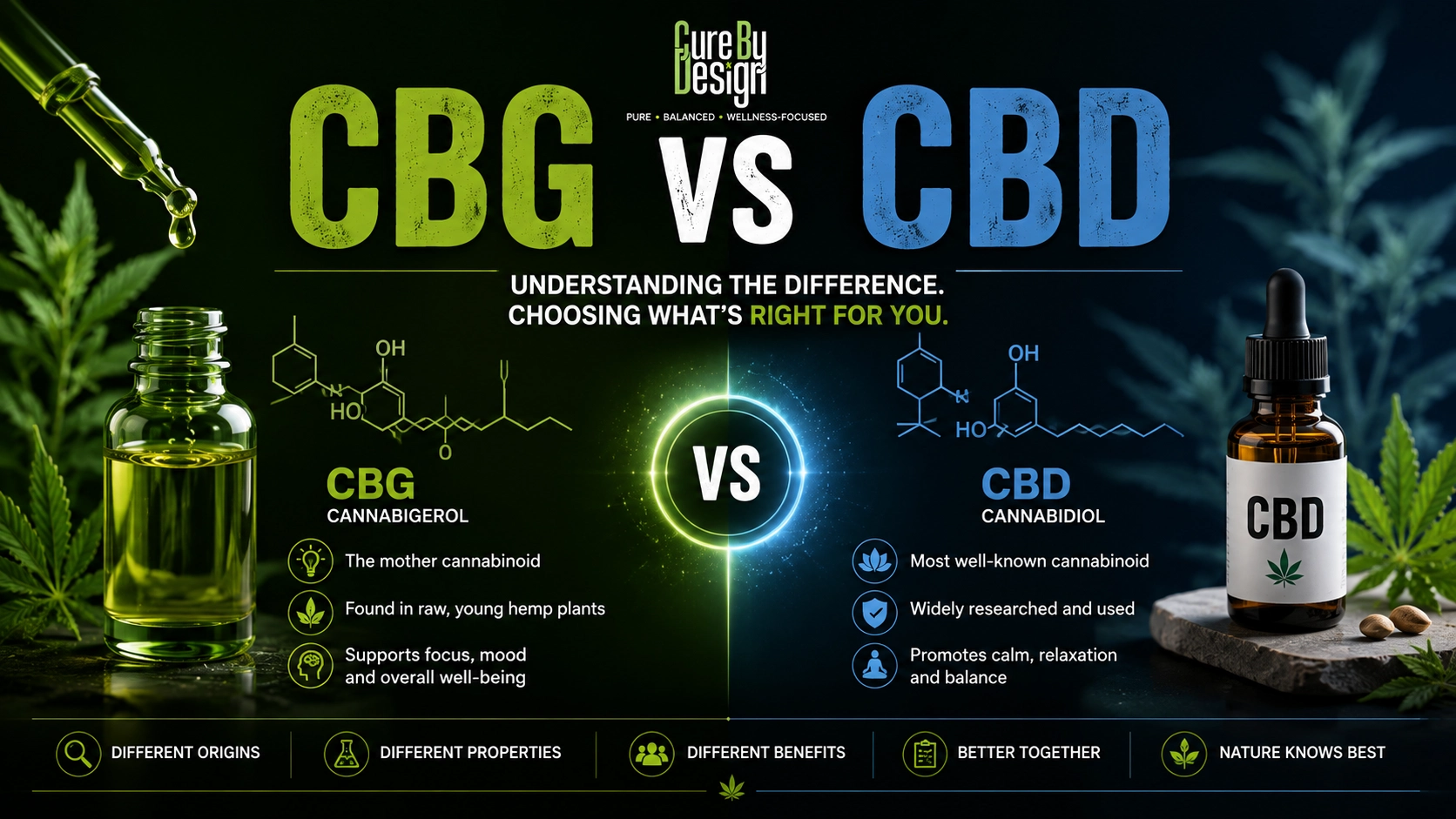
CBG stands for cannabigerol, while CBD stands for cannabidiol. Both are naturally occurring cannabinoids found in the Cannabis sativa plant, and neither is considered intoxicating like THC. However, they have different chemical structures, occur in different concentrations in the plant, interact with biological targets differently, and have different levels of scientific research behind them.
The important point is that CBG and CBD are not simply stronger and weaker versions of the same compound. They are different cannabinoids with distinct properties.
In this guide, we will explain the difference between CBG and CBD, their potential uses, current research, how they compare, and what consumers should consider when choosing a cannabinoid product.
CBG vs CBD: Quick Answer
CBG and CBD are two different cannabinoids found in hemp and cannabis plants. CBG stands for cannabigerol and CBD stands for cannabidiol. CBG is usually present in smaller amounts in mature plants and is considered an emerging cannabinoid, while CBD is more abundant and extensively studied. Both are non intoxicating, but research suggests they interact with biological receptors and signaling pathways differently.
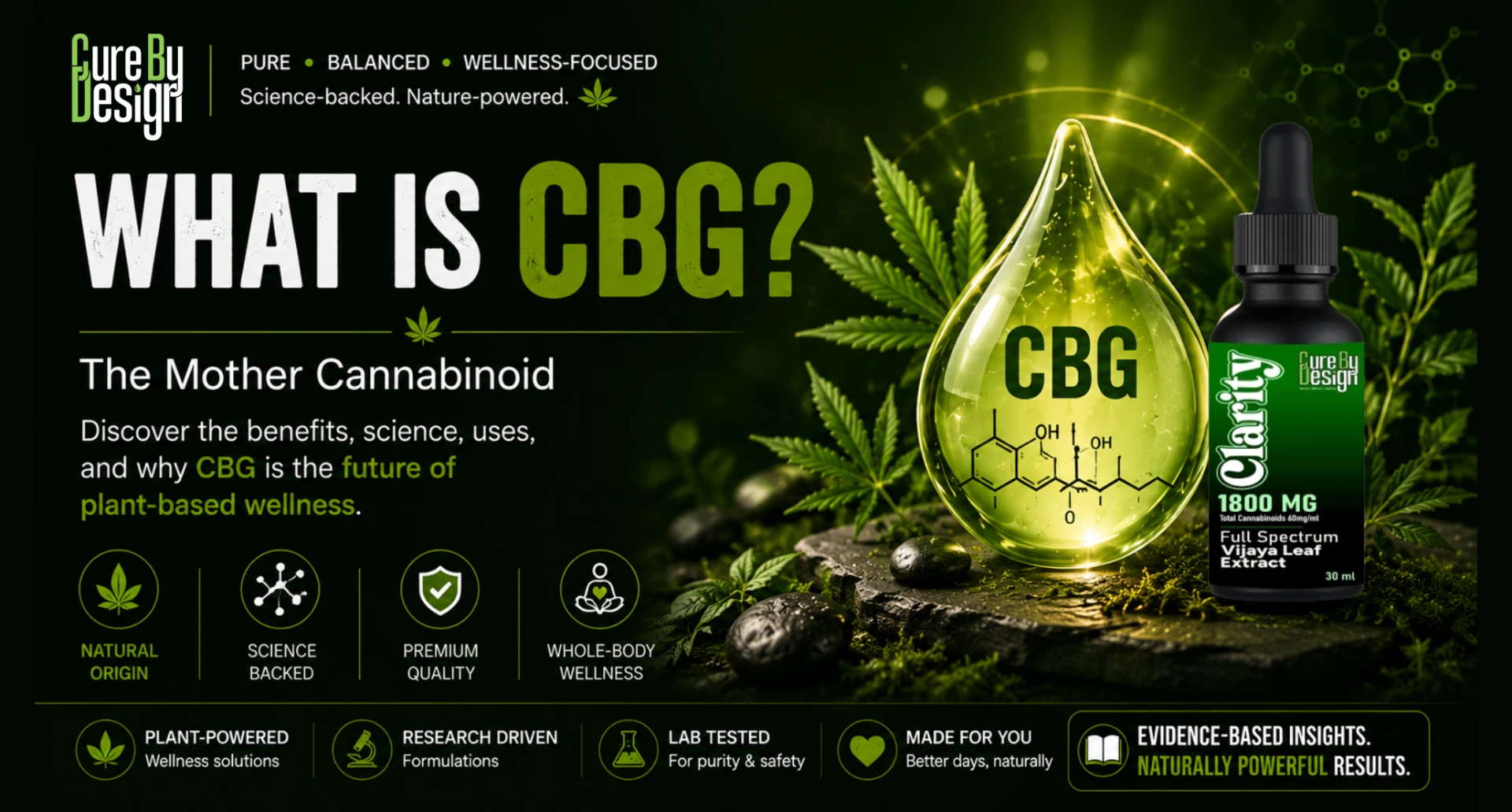
What Is CBG?
CBG, or cannabigerol, is a naturally occurring cannabinoid found in hemp and cannabis plants.
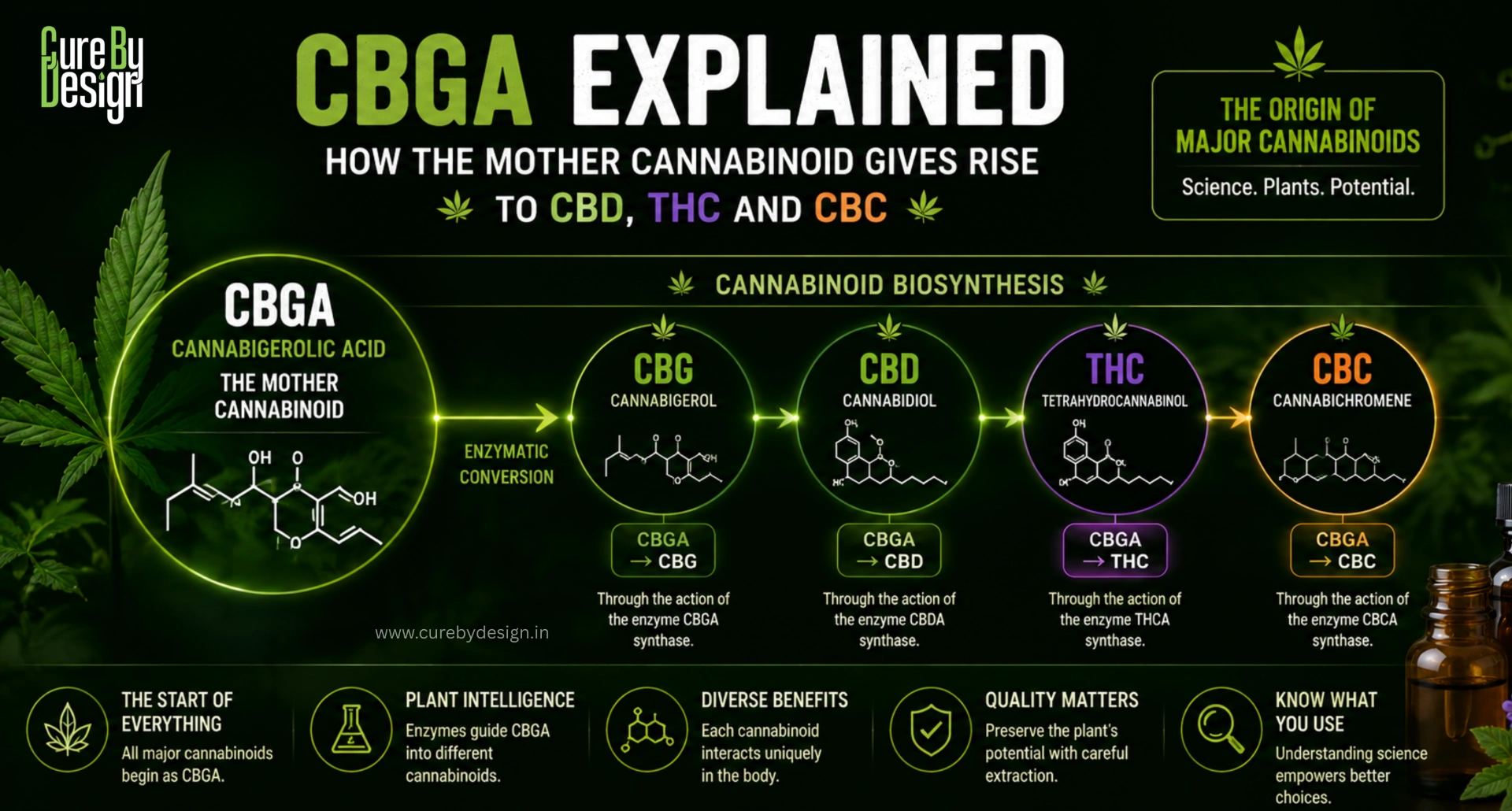
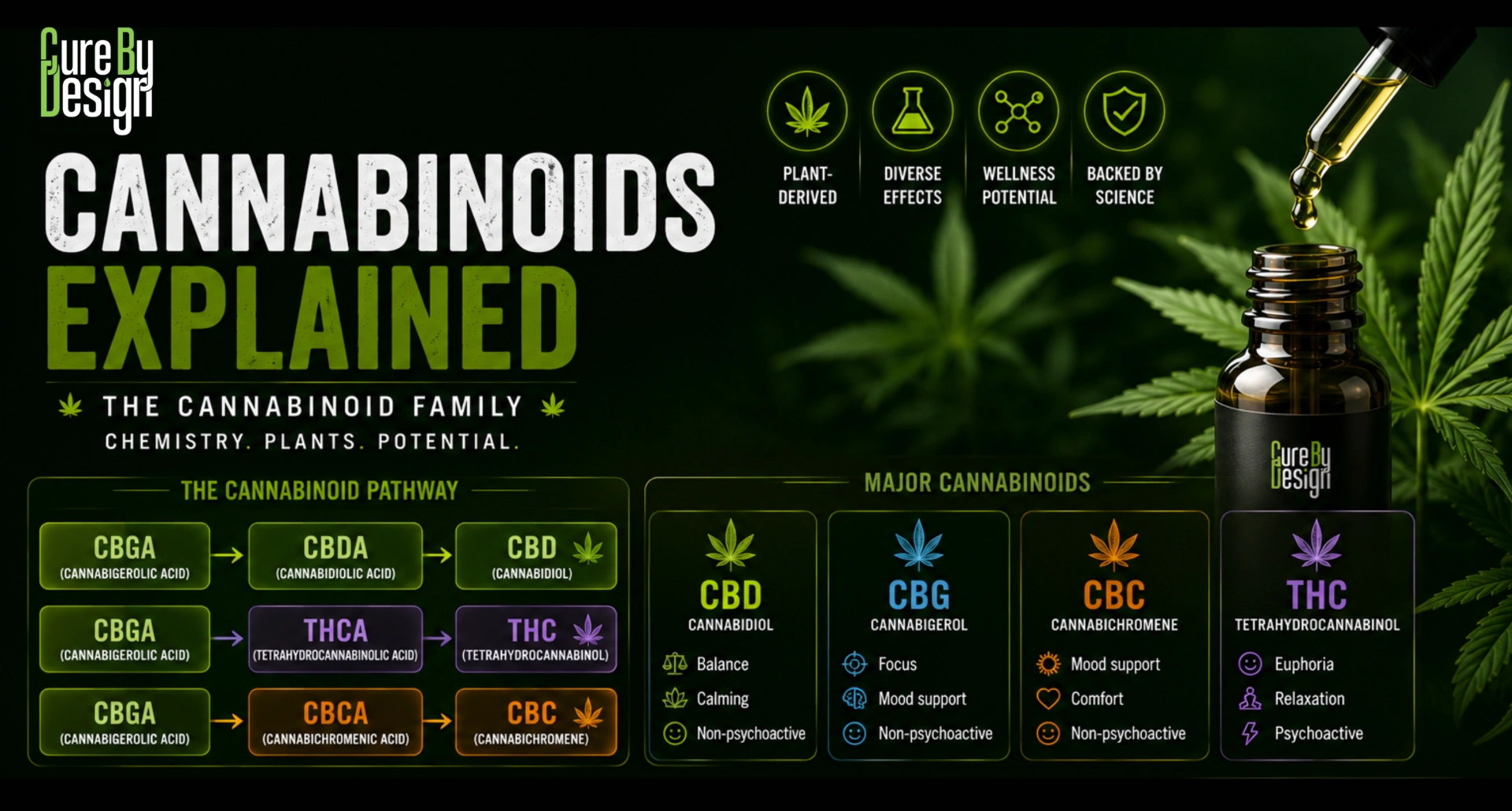
CBG is particularly interesting because its acidic precursor, CBGA, is involved in the biosynthesis of several major cannabinoids.
During plant development, CBGA can be converted through enzymatic pathways into cannabinoid acids that ultimately give rise to compounds such as CBD, THC and CBC. This is why CBG is often referred to as the Mother Cannabinoid.
Unlike CBD, CBG is usually found in relatively small quantities in mature plants. This makes CBG a more specialized cannabinoid and an increasingly interesting subject of cannabinoid research.
In simple terms:
CBGA → CBD pathway
CBGA → THC pathway
CBGA → CBC pathway
CBG itself is also produced from CBGA through decarboxylation.
What Is CBD?
CBD, or cannabidiol, is one of the most well known cannabinoids found in hemp and cannabis plants.
Unlike THC, CBD does not produce the typical intoxicating effect associated with cannabis.
CBD has been studied considerably more extensively than CBG, including research into its pharmacology, pharmacokinetics and potential applications. A recent review of non psychotropic cannabinoids notes that CBD remains the most extensively studied among CBG, CBD and CBC, although significant research gaps remain.
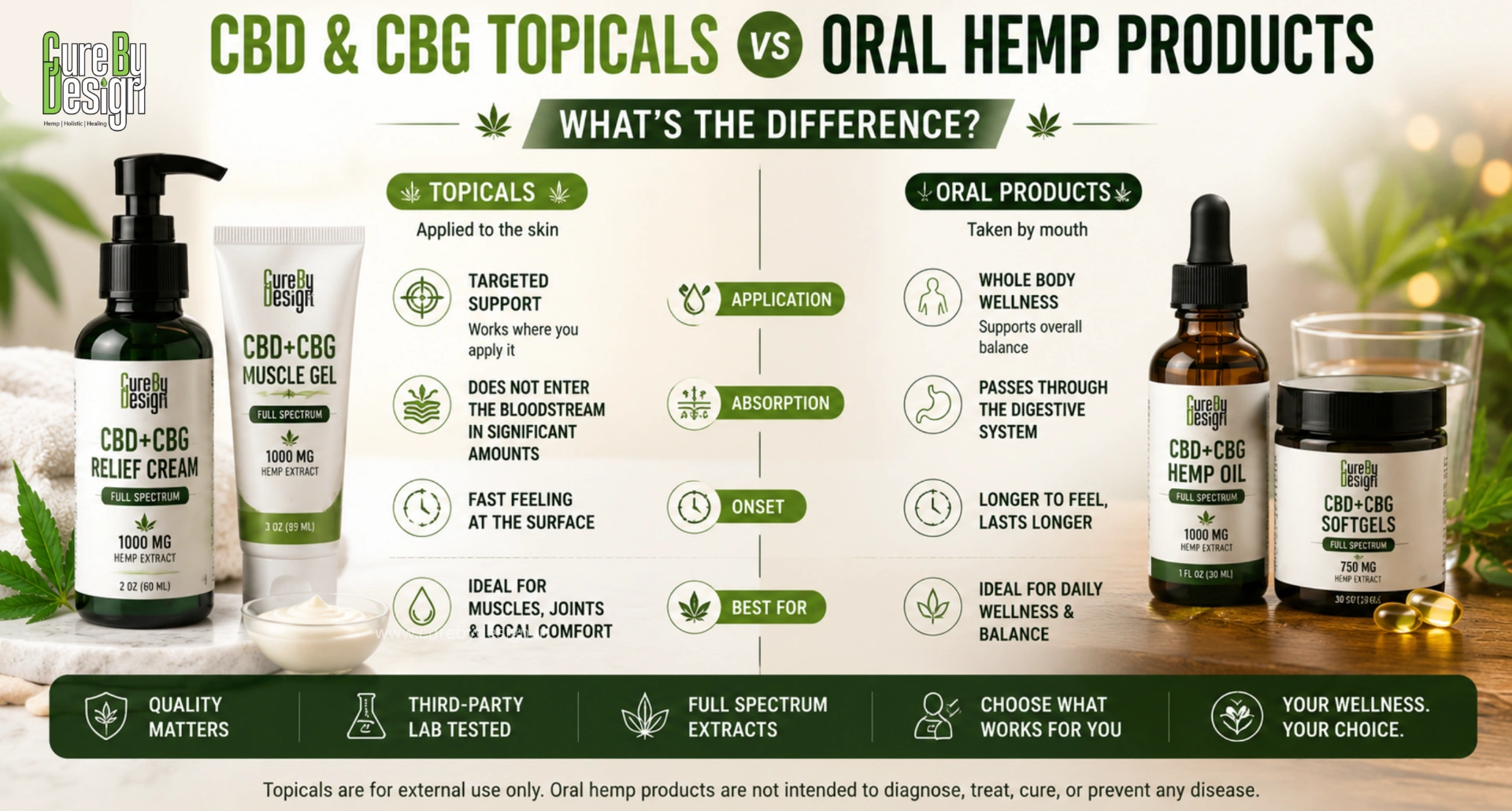
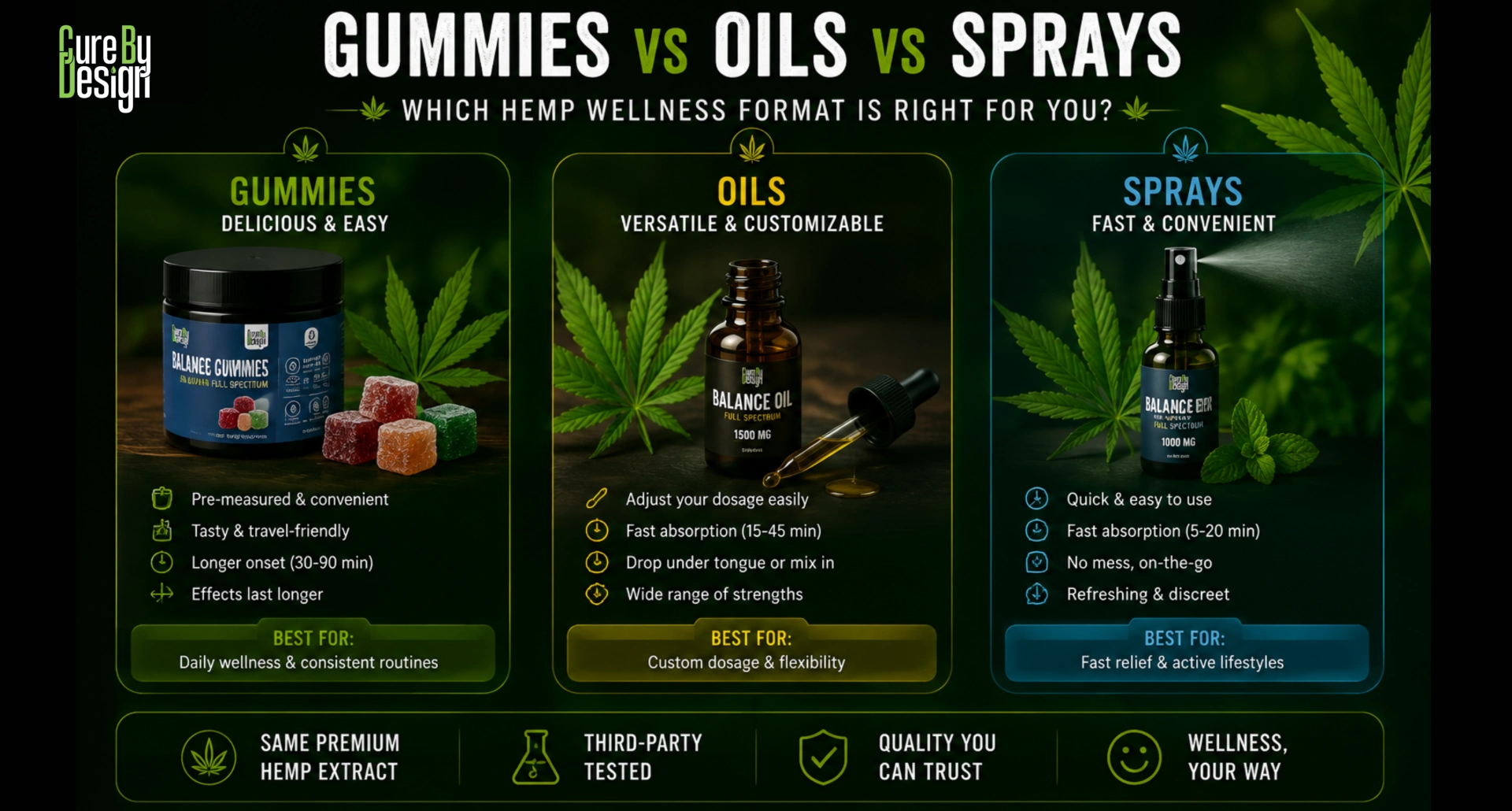
CBD is available in many product formats, including oils, capsules, topical products and other formulations.
CBG vs CBD: 10 Key Differences
1. CBG and CBD Are Different Cannabinoids
The first and most important difference is their chemical identity.
CBG = Cannabigerol
CBD = Cannabidiol
Both belong to the phytocannabinoid family, but they have different molecular structures and biological properties.
Researchers have found that phytocannabinoids can interact with multiple receptors and signaling systems, meaning that two cannabinoids from the same plant can produce very different biological effects.
2. CBG Is Considered the Mother Cannabinoid
One of the biggest differences between CBG and CBD is CBG’s role in cannabinoid biosynthesis.
CBG originates from CBGA, which serves as a precursor for several major cannabinoid pathways.
CBD, on the other hand, is produced through a pathway involving CBDA, which subsequently undergoes decarboxylation to form CBD.
This makes CBG particularly important from a botanical and biochemical perspective.
3. CBG Is Usually Less Abundant Than CBD
CBD can occur in relatively significant concentrations in certain hemp varieties.
CBG is generally much less abundant in mature plants because much of its precursor is converted into other cannabinoid compounds during plant development.
This naturally lower concentration is one reason CBG is considered a minor cannabinoid and why CBG rich hemp genetics are attracting interest from researchers and cultivators.
4. CBG and CBD Interact Differently With Biological Targets
This is where the comparison becomes particularly interesting.
CBD is known to interact with a variety of biological targets and signaling pathways rather than behaving like a strong direct agonist of CB1 receptors.
CBG has demonstrated different receptor activity and has been investigated for interactions involving cannabinoid receptors, TRP channels, serotonin related pathways and other molecular targets.
Research also suggests that CBG can have greater affinity for cannabinoid receptors than CBD while remaining non intoxicating.
However, receptor activity observed in laboratory research should not automatically be interpreted as a proven health benefit in humans.
5. CBG Research Is Newer Than CBD Research
CBD has been researched for considerably longer and has a much larger scientific literature.
CBG research is growing, but scientists still have much to learn about its pharmacology, pharmacokinetics, safety and potential applications.
A recent review of non psychotropic cannabinoids highlights that research involving CBG is still limited compared with CBD and that additional clinical investigation is needed.
This distinction is important when evaluating online claims about either cannabinoid.
More research does not automatically mean better. Less research does not automatically mean worse.
It means the evidence base is different.
6. CBG and CBD Are Both Non Intoxicating
A common question is:
Does CBG get you high?
CBG is considered non intoxicating.
CBD is also non intoxicating.
The intoxicating effects associated with cannabis are primarily linked to THC.
This distinction makes CBG and CBD interesting to consumers who want to explore cannabinoids without seeking the typical psychoactive effects associated with THC.
7. Potential Uses Being Studied Are Different
Scientists are investigating both cannabinoids across a wide range of areas.
CBG research includes investigation into:
- Neurological pathways
- Inflammatory pathways
- Microbial activity
- Receptor signaling
- Metabolic processes
- Neuroprotection
- Endocannabinoid signaling
Research involving CBG includes laboratory, animal and emerging human research, but many potential applications still require stronger clinical evidence.
CBD research includes investigation into:
- Neurological conditions
- Endocannabinoid signaling
- Drug interactions
- Pharmacokinetics
- Inflammatory pathways
- Sleep and relaxation related research
- Various other biological processes
CBD has a much larger evidence base, although the strength of evidence varies considerably depending on the specific use.
The FDA also notes that consumers should be cautious about unproven health claims associated with CBD products.
8. CBG vs CBD: Which Is More Studied?
CBD is more extensively studied than CBG.
This is one of the clearest differences.
CBD has been the subject of a substantial amount of laboratory, animal and human research.
CBG has received increasing attention in recent years, but the clinical evidence remains much smaller.
A 2025 review comparing several phytocannabinoids notes significant differences in their receptor binding and pharmacological profiles, reinforcing the idea that cannabinoids should not be treated as interchangeable compounds.
9. CBG and CBD Can Both Appear in Full Spectrum Extracts
You do not always have to choose between CBG and CBD.
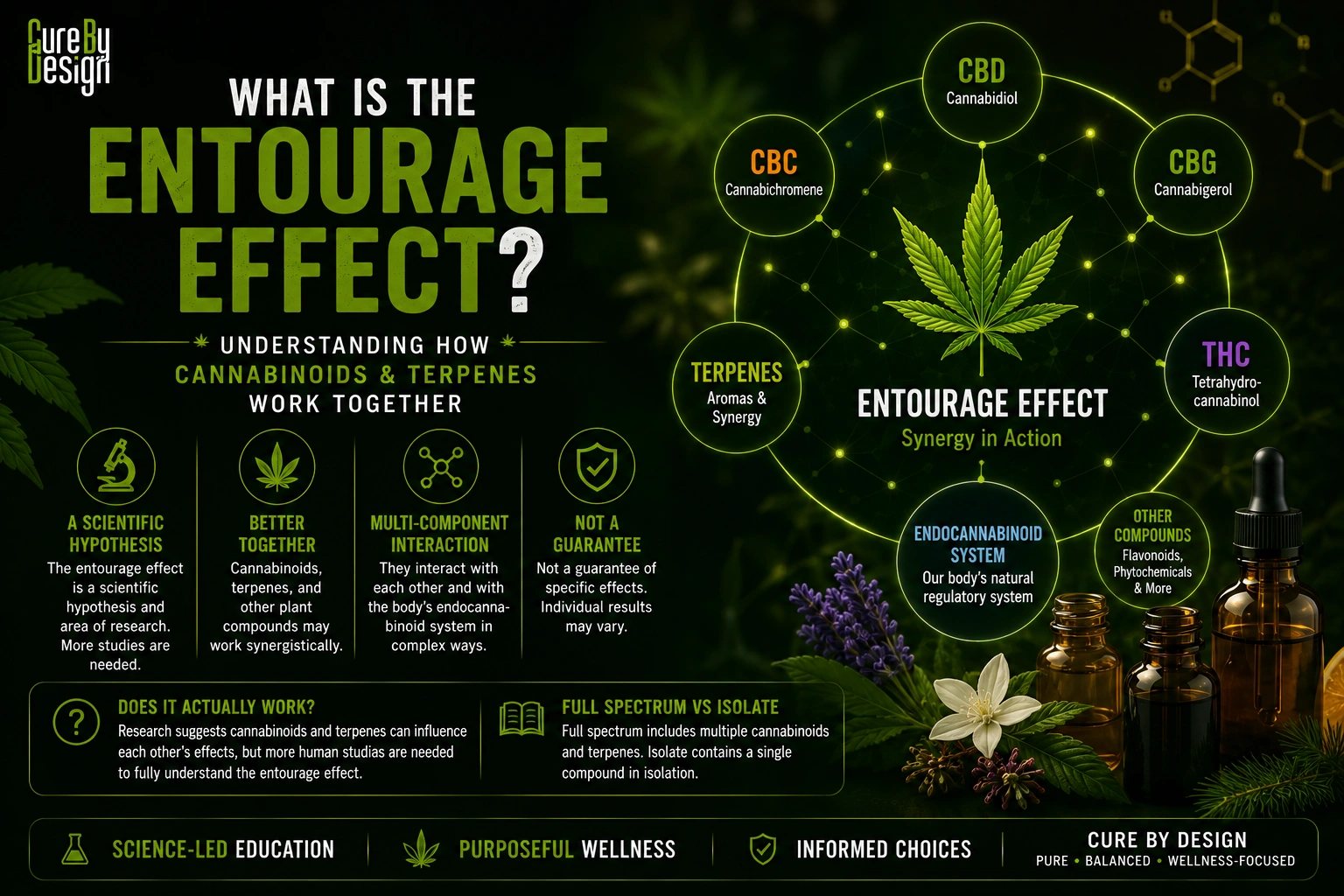
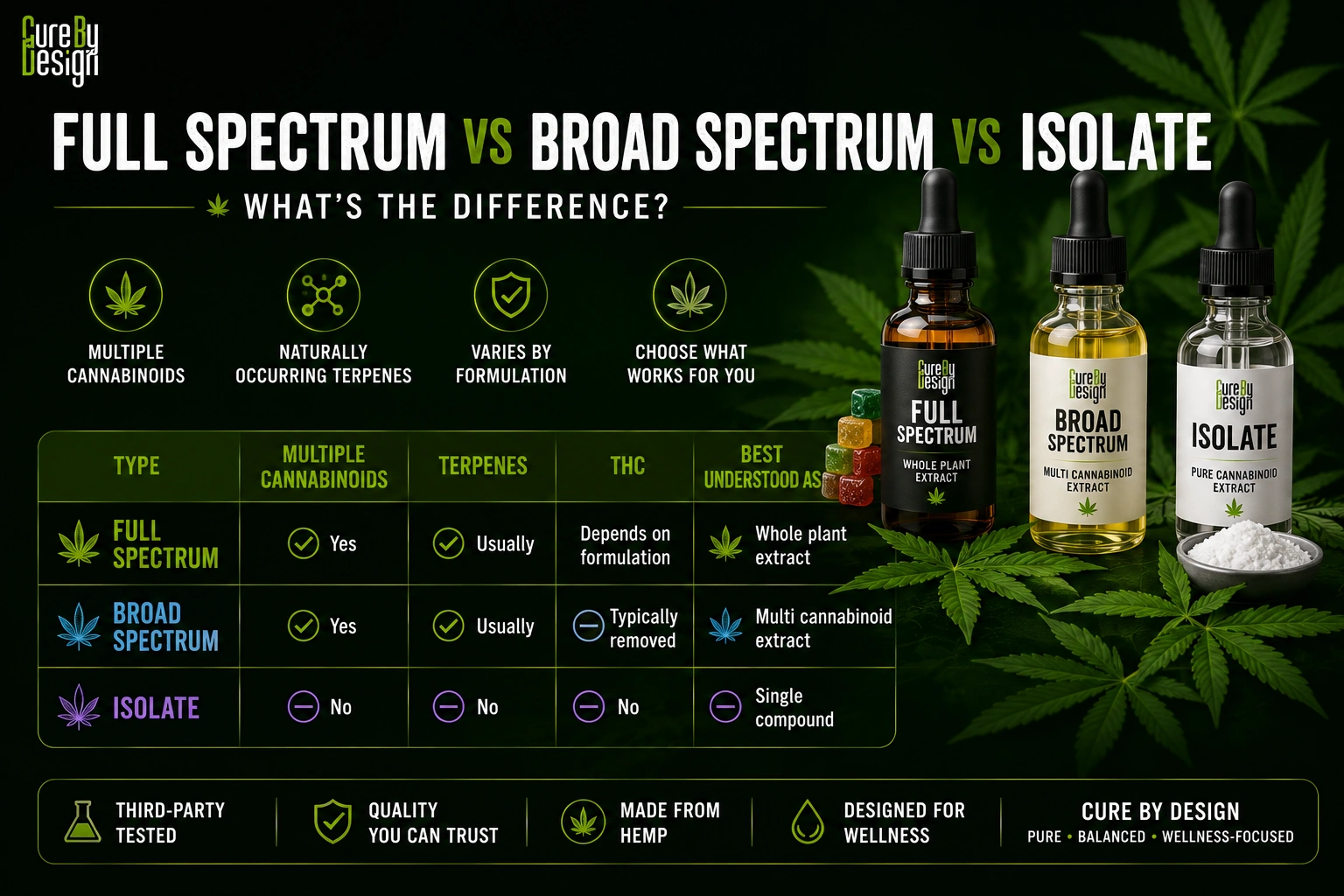
A full spectrum cannabinoid extract can naturally contain multiple cannabinoids and other plant compounds.
Depending on the hemp variety and extraction method, a full spectrum formulation may contain compounds such as:
- CBD
- CBG
- CBC
- Other minor cannabinoids
- Terpenes
- Other naturally occurring hemp compounds
This is different from a cannabinoid isolate, which focuses primarily on a single purified compound.
For consumers interested in whole plant cannabinoid profiles, understanding the difference between full spectrum, broad spectrum and isolate products is important.
10. CBG Is an Emerging Cannabinoid
CBD has already become mainstream.
CBG is still emerging.
That makes CBG particularly interesting from a research perspective.
Scientists are continuing to investigate how CBG interacts with cannabinoid receptors and other biological targets and whether these interactions could have useful applications.
However, it is important to separate scientific potential from established clinical evidence.
The current literature supports continued research, but more human studies are needed before many potential applications can be considered established.
CBG vs CBD Comparison Table
| Feature | CBG | CBD |
|---|---|---|
| Full name | Cannabigerol | Cannabidiol |
| Plant source | Hemp and cannabis | Hemp and cannabis |
| Intoxicating | No | No |
| Natural abundance | Usually lower | Usually higher |
| Research stage | Emerging | More extensively studied |
| Precursor | CBGA | CBDA |
| Receptor activity | Distinct activity under investigation | Distinct activity under investigation |
| Common formats | Oils, extracts and other formulations | Oils, extracts, topicals and other formulations |
| Research interest | Growing rapidly | Extensive |
| Full spectrum presence | Yes | Yes |
CBG vs CBD: Which Is Better?
There is no universal answer to which is better, CBG or CBD.
The right choice depends on the individual, the product formulation, intended use, cannabinoid concentration, ingredients and personal circumstances.
Rather than asking:
Is CBG better than CBD?
A more useful question is:
Which cannabinoid and formulation best matches what I am looking for?
For someone interested in an emerging cannabinoid with a growing research base, CBG may be particularly interesting.
For someone looking for a more extensively studied cannabinoid, CBD has a much larger scientific literature.
Some full spectrum products contain both.
Can You Take CBG and CBD Together?
CBG and CBD can occur together naturally in full spectrum hemp extracts.
However, the effects of combining cannabinoids can depend on factors such as:
- Product formulation
- Concentration
- Route of administration
- Individual biology
- Other substances or medications
Research on cannabinoid pharmacokinetics shows that factors such as formulation, dose, administration route and diet can influence cannabinoid exposure.
If you take prescription medication, speak with a qualified healthcare professional before using cannabinoid products.
The FDA specifically warns that CBD can interact with other medicines and may affect how certain medications work.
What Should You Look for When Buying CBG or CBD Products?
Quality is just as important as the cannabinoid itself.
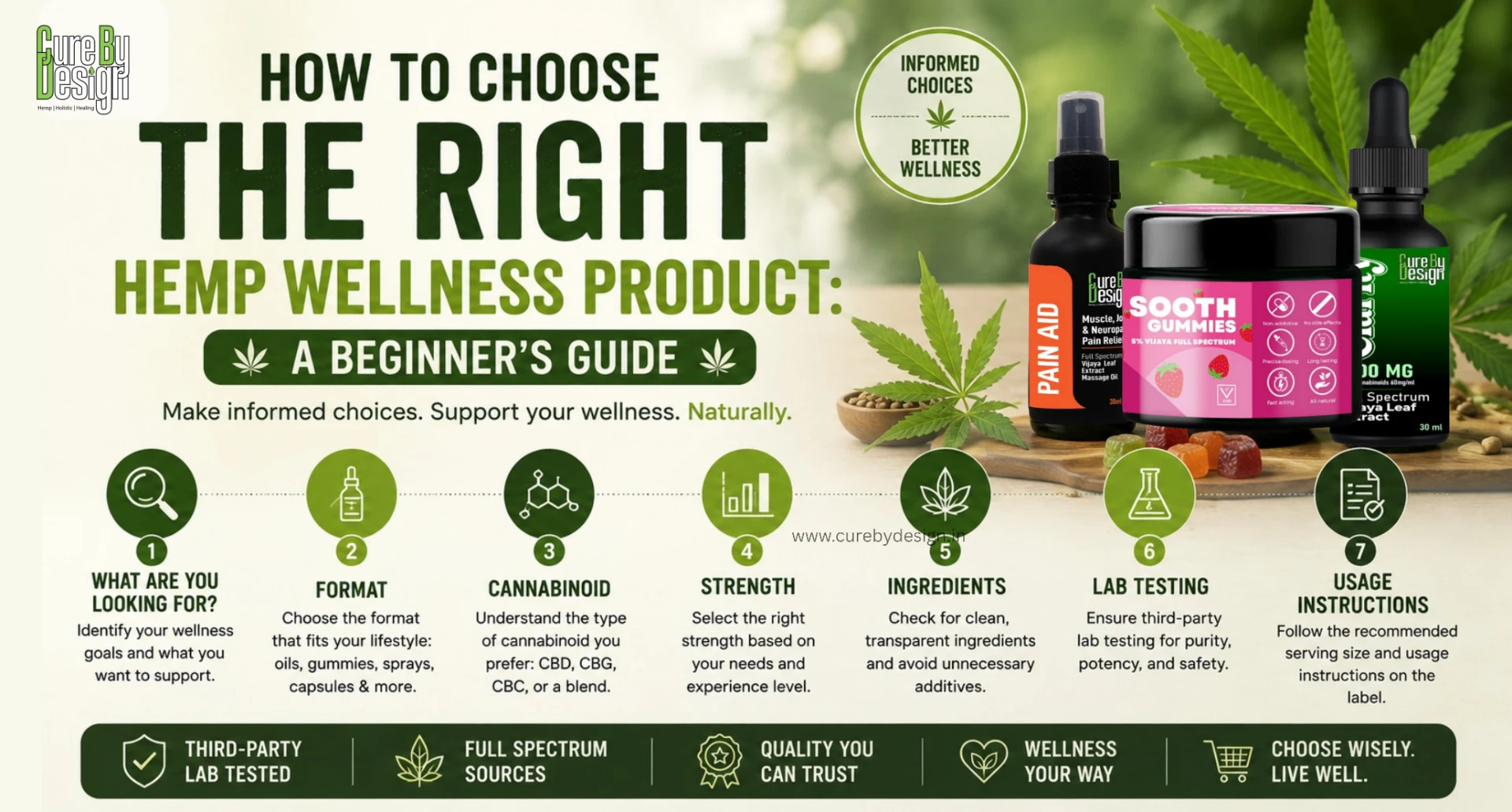
Before purchasing a CBG or CBD product, look for:
1. Clear cannabinoid information
The label should clearly state the cannabinoid and concentration.
2. Transparent ingredients
Look for a complete ingredient list.
3. Laboratory testing
Third party laboratory testing can provide information about cannabinoid content and potential contaminants.
4. Clear usage instructions
Follow the manufacturer’s directions.
5. Reputable manufacturing
Choose products from companies that provide transparent information about formulation, testing and sourcing.
6. Avoid exaggerated medical claims
Be cautious when a product claims to diagnose, treat, cure or prevent serious diseases without appropriate evidence.
The FDA has specifically raised concerns about CBD products with unproven medical claims and unknown quality.
CBG vs CBD: What Does Science Actually Say?
The scientific picture is promising but still developing.
CBG has demonstrated interesting pharmacological activity in laboratory and preclinical studies, including interactions with cannabinoid receptors and several non cannabinoid targets.
CBD has a larger research base, but researchers continue to identify unanswered questions about its long term use, interactions, pharmacokinetics and safety.
This means consumers should approach cannabinoid wellness with curiosity, evidence and realistic expectations.
A compound being studied for a particular biological effect does not necessarily mean that a commercial product has been proven to produce that effect in humans.
CBG vs CBD: Key Takeaways
If you remember only a few things from this guide, remember these:
- CBG means cannabigerol.
- CBD means cannabidiol.
- Both are naturally occurring cannabinoids.
- Neither is considered intoxicating like THC.
- CBG is generally less abundant than CBD in mature hemp plants.
- CBGA is an important precursor in the biosynthesis of several cannabinoids.
- CBD has been studied more extensively than CBG.
- CBG and CBD interact with biological systems differently.
- Both cannabinoids can occur together in full spectrum extracts.
- More human research is needed to understand the long term effects and potential applications of CBG.
Frequently Asked Questions
Is CBG stronger than CBD?
Not necessarily. CBG and CBD are different cannabinoids with different molecular properties and biological interactions. One should not simply be considered a stronger version of the other.
What is the main difference between CBG and CBD?
The main difference is that CBG and CBD are distinct cannabinoids with different chemical structures, plant concentrations, receptor interactions and research profiles.
Is CBG better than CBD?
There is no scientifically established answer that CBG is universally better than CBD. The appropriate cannabinoid depends on the individual, formulation and intended purpose.
Does CBG get you high?
No. CBG is considered non intoxicating and does not produce the typical high associated with THC.
Does CBD get you high?
CBD itself is not considered intoxicating like THC.
Can CBG and CBD be used together?
They can occur together naturally in full spectrum hemp extracts. However, individual responses can vary, and people taking medications should consult a healthcare professional before using cannabinoid products.
Which has more research, CBG or CBD?
CBD has considerably more published research than CBG. CBG research is growing, but its clinical evidence base remains smaller.
Is CBG naturally found in hemp?
Yes. CBG is naturally produced by hemp and cannabis plants, although it is generally present in smaller quantities than CBD in mature plants.
What is CBGA?
CBGA stands for cannabigerolic acid. It is an important precursor in the biosynthetic pathways that produce several major cannabinoids in the cannabis plant.
Is CBG safe?
Research into CBG safety is still developing. Because clinical evidence remains limited, consumers should follow product directions and consult a healthcare professional when appropriate.
Final Thoughts
The CBG vs CBD conversation is not really about choosing a winner.
It is about understanding that the hemp plant contains a diverse family of cannabinoids, each with its own chemistry and biological characteristics.
CBD remains the more extensively studied cannabinoid, while CBG represents an increasingly interesting area of cannabinoid research.
As research develops, understanding the differences between cannabigerol and cannabidiol can help consumers make more informed decisions about hemp and cannabinoid products.
At Cure By Design, we believe cannabinoid wellness should be approached with science, transparency and responsible education.