Cannabinoids Explained: CBD, CBG, CBC, THC and More

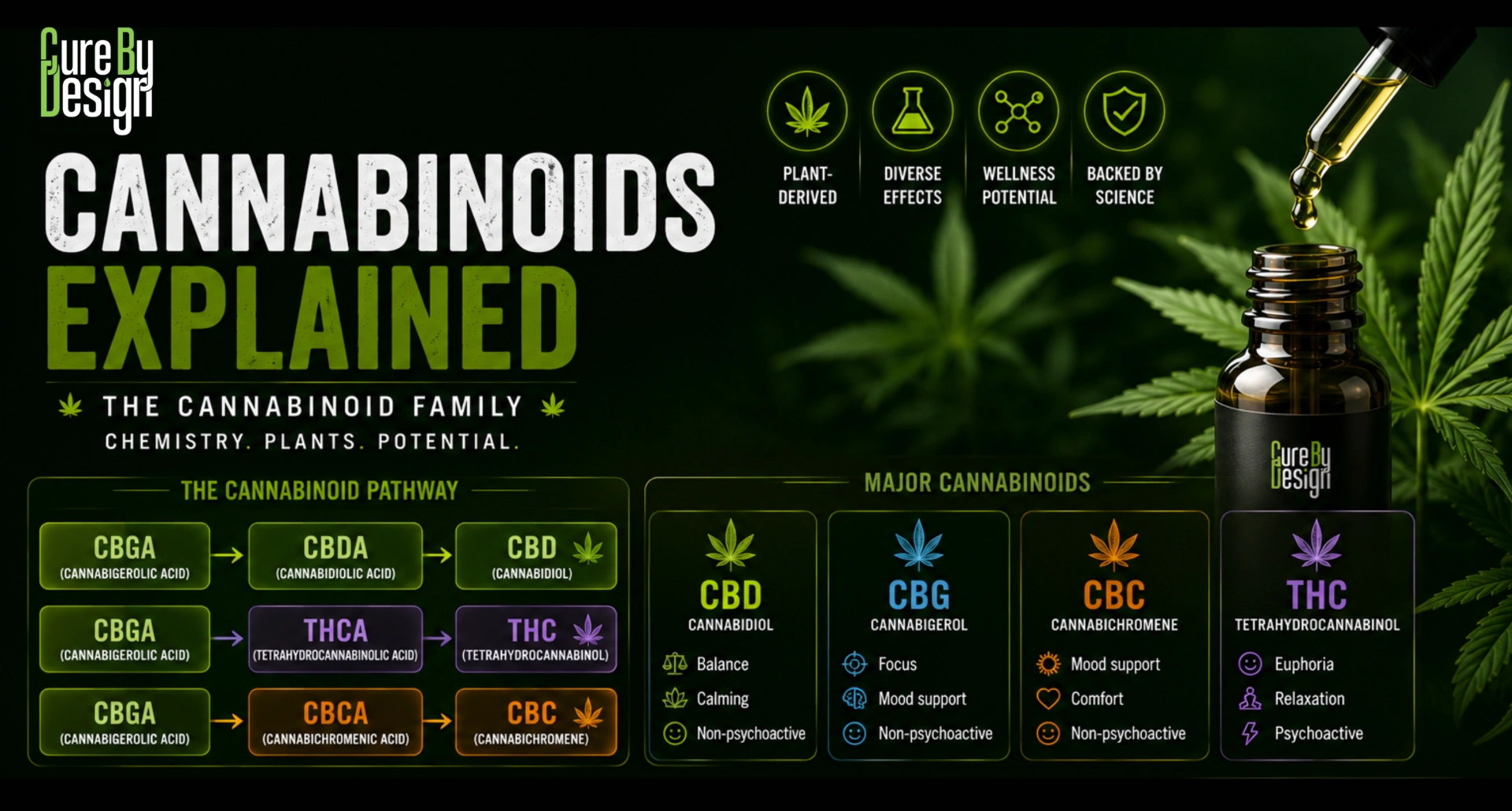
Cannabinoids Explained: Understanding CBD, CBG, CBC, THC and More
Cannabinoids are one of the most interesting groups of naturally occurring compounds found in the Cannabis plant. Yet, when people hear the word “cannabinoid,” they often think only of CBD or THC.
The reality is much more complex.
Cannabinoids are a diverse family of compounds with different chemical structures, biological interactions and properties. Researchers have identified more than 100 phytocannabinoids from Cannabis, although only a smaller number have been studied extensively.
Some of the best-known cannabinoids include:
- CBD, or cannabidiol
- CBG, or cannabigerol
- CBC, or cannabichromene
- THC, or tetrahydrocannabinol
- CBN, or cannabinol
- THCV, or tetrahydrocannabivarin
- CBDV, or cannabidivarin
Each has a different chemical profile and may interact with the body’s biological systems in different ways.
Understanding these differences is essential for anyone interested in hemp cannabinoids, cannabinoid wellness products or plant-based cannabinoid research.
In this guide, we will explain the cannabinoid family from the beginning, including how major cannabinoids are formed from CBGA and how CBD, CBG, CBC and THC differ.
What Are Cannabinoids?
Cannabinoids are chemical compounds that interact with cannabinoid-sensitive biological pathways in the body.
The term can refer to several groups:
- Phytocannabinoids: cannabinoids naturally produced by plants, especially Cannabis.
- Endocannabinoids: cannabinoid-like compounds naturally produced by the human body.
- Synthetic cannabinoids: compounds produced through chemical synthesis.
This article primarily focuses on phytocannabinoids, the cannabinoids naturally associated with the cannabis and hemp plant.
Cannabinoids are produced primarily in specialized structures called glandular trichomes, particularly on the flowers of female cannabis plants. Their concentrations and profiles can vary according to genetics, plant development and environmental conditions.
The Cannabinoid Family Explained
The cannabinoid family is much larger than just CBD and THC.
Some cannabinoids occur in relatively significant quantities, while others are present in much smaller amounts and are therefore often called minor cannabinoids.
Major cannabinoids commonly discussed include:
| Cannabinoid | Full name | General description |
|---|---|---|
| CBD | Cannabidiol | Non-intoxicating phytocannabinoid widely researched |
| CBG | Cannabigerol | Non-intoxicating cannabinoid and precursor-related compound |
| CBC | Cannabichromene | Less abundant cannabinoid with growing research interest |
| THC | Tetrahydrocannabinol | Principal intoxicating cannabinoid |
| CBN | Cannabinol | Cannabinoid associated with THC degradation and aging |
| THCV | Tetrahydrocannabivarin | Minor cannabinoid with a distinct molecular structure |
| CBDV | Cannabidivarin | Minor cannabinoid structurally related to CBD |
This list is not exhaustive. Cannabis chemistry includes many additional cannabinoid acids, neutral cannabinoids and related compounds.
The Cannabinoid Pathway: Where Do CBD, THC and CBC Come From?
One of the most fascinating aspects of cannabinoid science is that several major cannabinoids share a common biosynthetic starting point.
That starting point is CBGA, or cannabigerolic acid.
A simplified pathway is:
CBGA → CBDA → CBD
CBGA → THCA → THC
CBGA → CBCA → CBC
This pathway is supported by research into cannabinoid biosynthesis. CBGA acts as a central precursor that can be converted into CBDA, THCA and CBCA through different enzyme-driven pathways. These acidic cannabinoids can subsequently undergo decarboxylation to form CBD, THC and CBC.
Important clarification
CBGA does not simply “turn into” CBD, THC or CBC by itself.
Specific enzymes help direct CBGA toward different cannabinoid acids:
- CBDA synthase helps produce CBDA
- THCA synthase helps produce THCA
- CBCA synthase helps produce CBCA
The resulting acidic forms can then lose a carboxyl group through decarboxylation, particularly with heat or aging, producing the corresponding neutral cannabinoids.
What Is CBGA?
CBGA stands for cannabigerolic acid.
It is often described as a central precursor in the biosynthesis of several major cannabinoids.
The plant produces CBGA through a biochemical pathway involving olivetolic acid and geranyl diphosphate. CBGA can then enter different pathways that produce cannabinoid acids such as CBDA, THCA and CBCA.
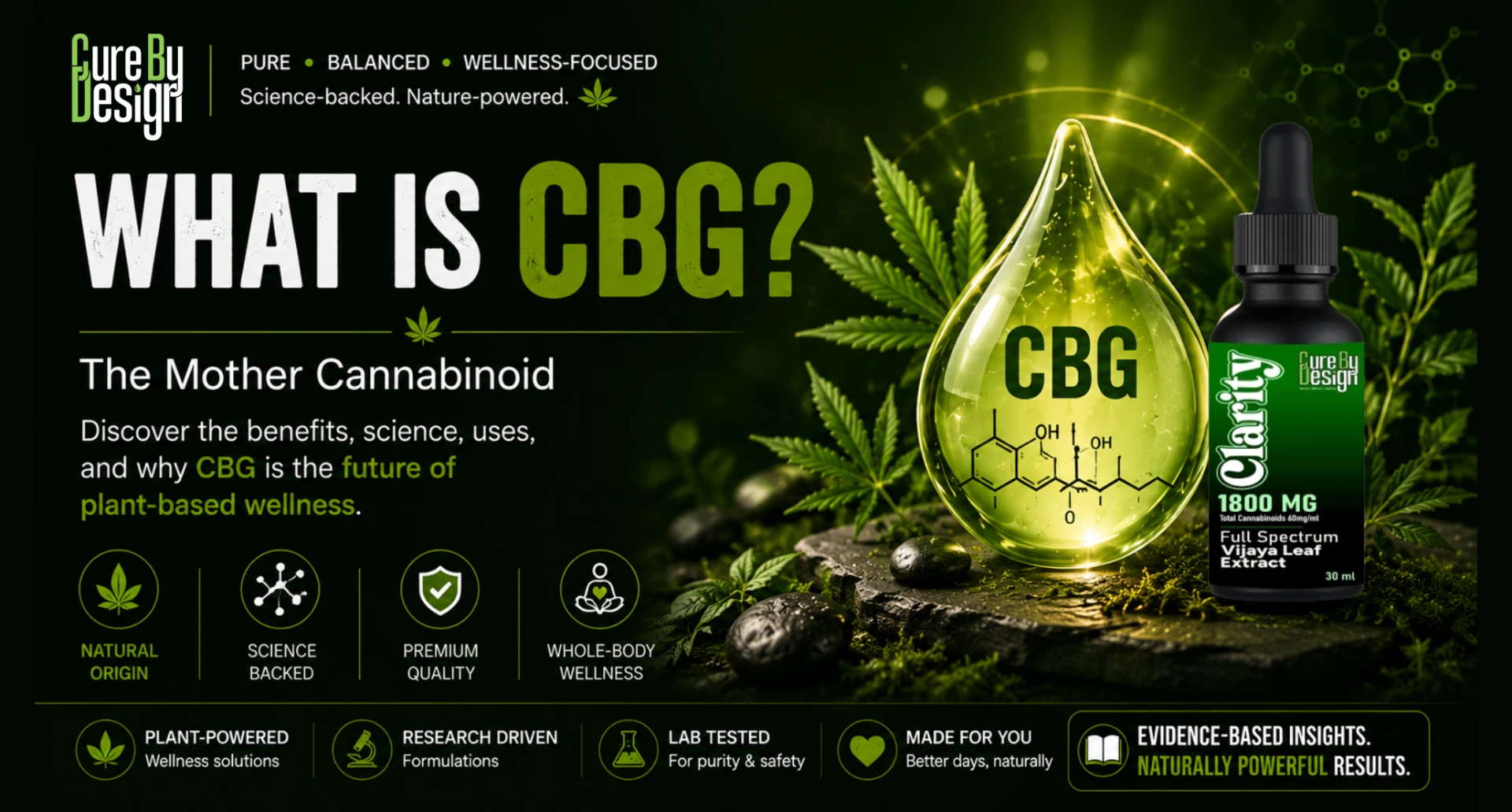
This is why CBGA is sometimes informally referred to as the “mother cannabinoid.”
However, it is more scientifically accurate to describe CBGA as a central biosynthetic precursor rather than suggesting that every cannabinoid directly comes from it.
CBD: Cannabidiol
CBD stands for cannabidiol.
CBD is one of the most widely recognized cannabinoids and has become the subject of extensive scientific research.
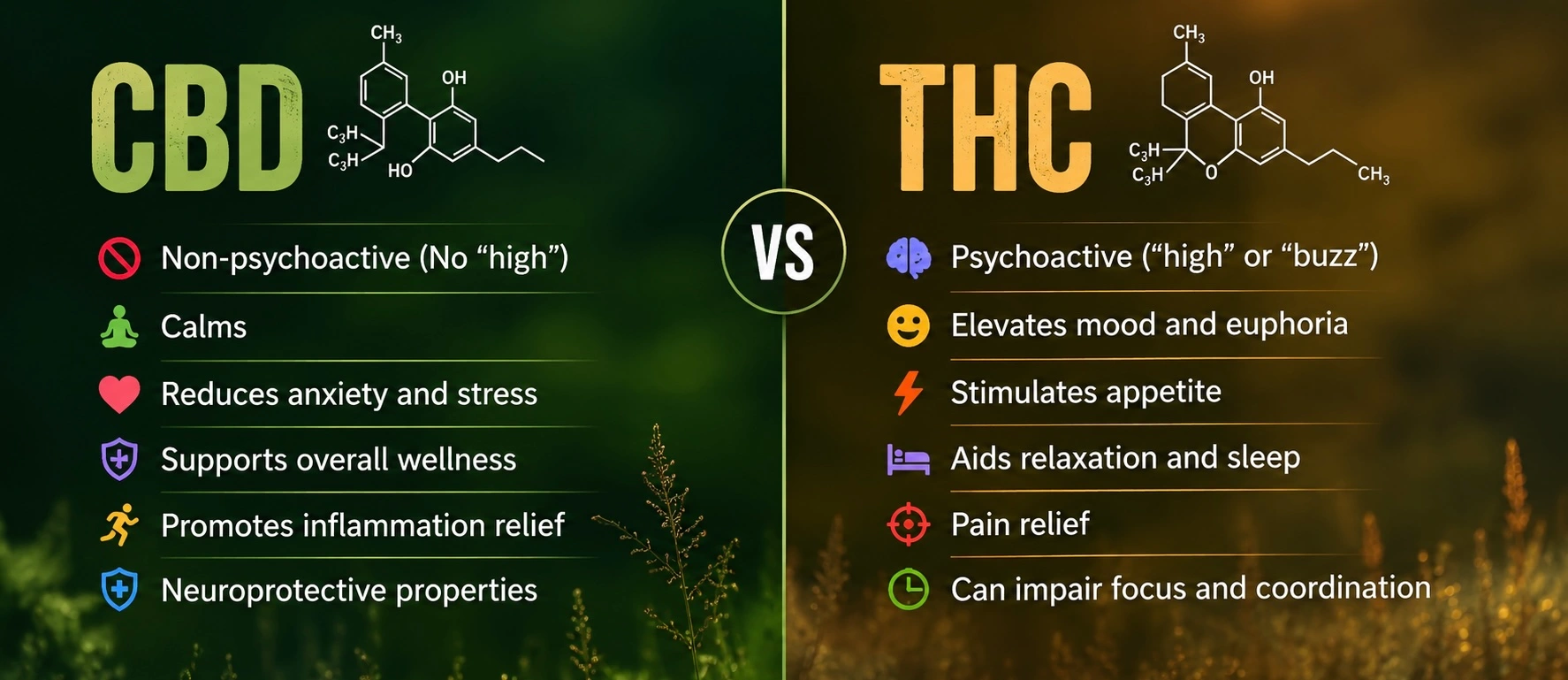
Unlike THC, CBD is generally considered non-intoxicating, meaning it does not produce the characteristic intoxicating effects associated with THC.
CBD originates from CBDA, which is formed through the plant’s cannabinoid biosynthetic pathway.
CBD in simple terms
CBGA → CBDA → CBD
CBD is widely studied in connection with:
- The endocannabinoid system
- Cannabinoid receptor signaling
- Neurological research
- Inflammation-related pathways
- General cannabinoid pharmacology
However, research findings should not automatically be interpreted as proof that CBD treats or cures a particular condition.
CBG: Cannabigerol
CBG stands for cannabigerol.
CBG is another naturally occurring phytocannabinoid and is generally considered non-intoxicating.
Its importance comes partly from its relationship with CBGA, the acidic precursor at the center of several cannabinoid biosynthetic pathways.
CBG itself can arise from decarboxylation of CBGA, while CBGA can also be directed toward other cannabinoid acids such as CBDA, THCA and CBCA.
CBG has attracted increasing scientific interest because researchers are investigating its interactions with cannabinoid receptors and other biological targets.
CBG in simple terms
CBGA → CBG
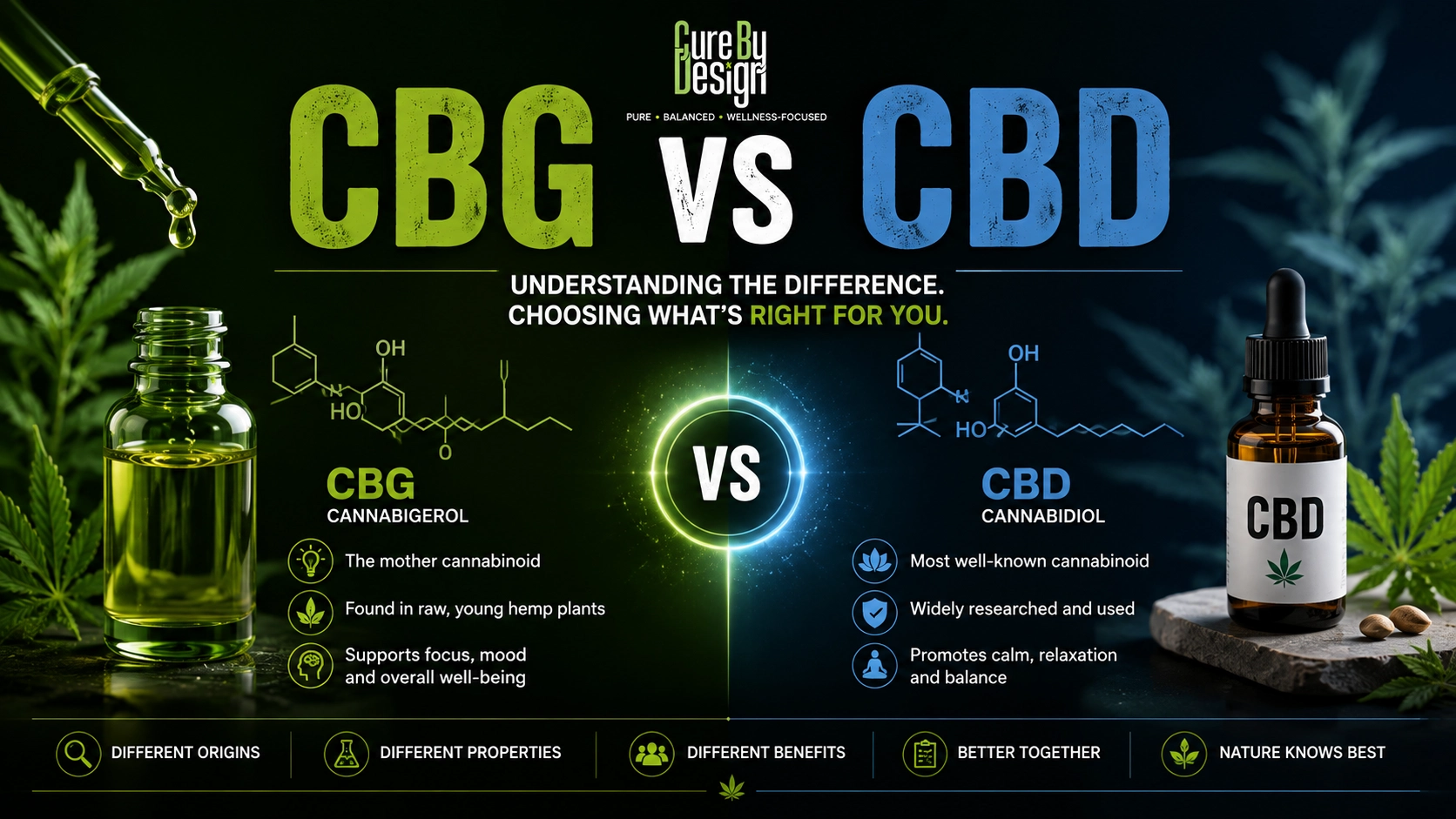
CBG is different from CBD even though both are derived from the same broader cannabinoid biosynthetic pathway.
For a deeper explanation, see our guide to What Is CBG?
CBC: Cannabichromene
CBC stands for cannabichromene.
CBC is generally considered a minor cannabinoid because it occurs in lower concentrations than major cannabinoids such as THC and CBD in many cannabis varieties.
Its acidic precursor is CBCA.
The simplified pathway is:
CBGA → CBCA → CBC
CBC has attracted scientific interest because laboratory research suggests that it can interact with cannabinoid receptors and other molecular targets. However, research into CBC remains considerably less developed than research into CBD and THC.
This distinction is important.
Research interest does not automatically mean established clinical benefit.
THC: Tetrahydrocannabinol
THC, particularly delta-9 THC, is the principal intoxicating cannabinoid associated with cannabis.
Its acidic precursor is THCA.
The pathway can be simplified as:
CBGA → THCA → THC
THCA itself is not simply identical to THC. When THCA undergoes decarboxylation, it can form THC. Heat is one factor that can promote this process.
THC is extensively studied because of its effects on the central nervous system and its interaction with cannabinoid receptors, particularly CB1 receptors.
Because THC can be intoxicating, products containing THC are subject to different legal and regulatory considerations depending on the country and jurisdiction.
CBD vs CBG vs CBC vs THC
One of the easiest ways to understand the cannabinoid family is to compare the major cannabinoids.
| Feature | CBD | CBG | CBC | THC |
|---|---|---|---|---|
| Full name | Cannabidiol | Cannabigerol | Cannabichromene | Tetrahydrocannabinol |
| Plant origin | Cannabis | Cannabis | Cannabis | Cannabis |
| Intoxicating | Generally no | Generally no | Generally no | Yes |
| Related acidic precursor | CBDA | CBGA | CBCA | THCA |
| Research status | Extensive | Growing | Emerging | Extensive |
| Commonly discussed for | Cannabinoid pharmacology and wellness research | Cannabinoid and receptor research | Emerging cannabinoid research | Intoxicating effects and cannabinoid pharmacology |
The important takeaway is that CBD, CBG, CBC and THC are different cannabinoids with different molecular structures and biological interactions.
They should not be treated as interchangeable.
What Are Minor Cannabinoids?
Minor cannabinoids are cannabinoids that generally occur in smaller quantities in cannabis compared with more abundant cannabinoids such as CBD and THC.
Examples include:
- CBC
- CBN
- THCV
- CBDV
- CBDA
- THCA
- CBGA
- CBGA-related compounds
The word “minor” refers primarily to their relative abundance, not necessarily their importance.
Some minor cannabinoids have attracted significant research interest because their biological activity may differ from that of better-known cannabinoids.
As analytical technologies improve, researchers are identifying and studying an increasingly broad cannabinoid profile.
What Are Cannabinoid Acids?
If you look at cannabinoid chemistry, you will frequently encounter names ending in “A.”
Examples include:
- CBGA
- CBDA
- THCA
- CBCA
- CBNA
The “A” indicates an acidic form.
These acidic cannabinoids naturally occur in the living plant and can undergo decarboxylation to form their neutral counterparts.
For example:
CBDA → CBD
THCA → THC
CBCA → CBC
CBGA → CBG
Decarboxylation involves the removal of a carboxyl group and can be promoted by heat, aging or other conditions.
What Is the Difference Between Cannabinoids and Hemp Cannabinoids?
The phrase hemp cannabinoids generally refers to cannabinoids obtained from hemp varieties of Cannabis.
Chemically, cannabinoids such as CBD, CBG and CBC are not fundamentally different simply because they came from a hemp plant rather than another cannabis variety.
The important distinction is the plant’s cannabinoid profile, concentration, genetics and regulatory classification.
This is also why “hemp” should not automatically be interpreted as meaning “CBD.”
Hemp can contain multiple cannabinoids depending on the plant and extraction.
How Do Cannabinoids Interact With the Body?
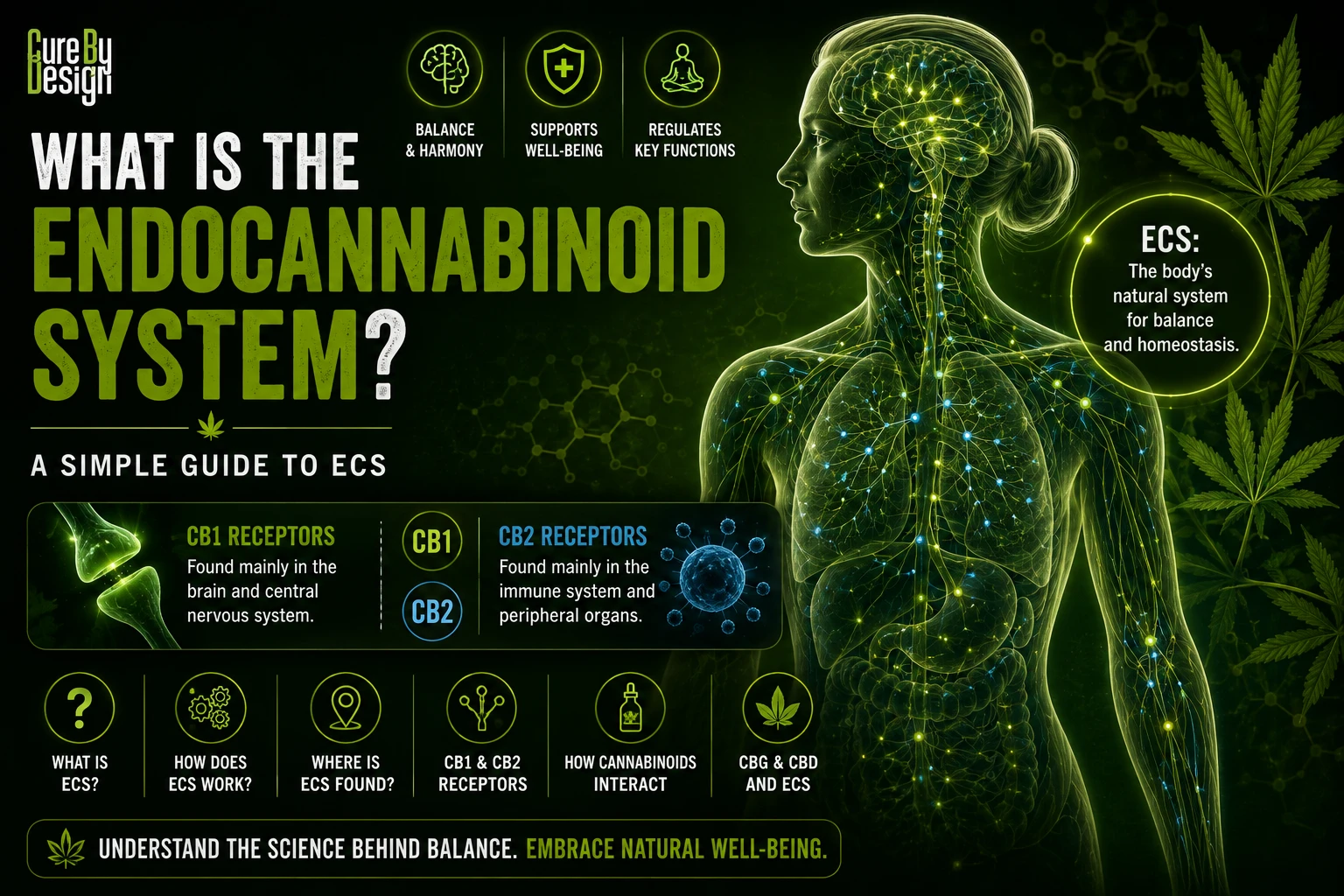
The human body has its own endocannabinoid system, or ECS.
The ECS includes:
- Endocannabinoids
- Cannabinoid receptors
- Enzymes involved in cannabinoid metabolism
The best-known cannabinoid receptors are CB1 and CB2.
Different cannabinoids interact with these receptors and other biological targets in different ways.
For example:
- THC has a strong relationship with CB1 receptor signaling.
- CBD has a different pharmacological profile.
- CBG interacts with several cannabinoid and non-cannabinoid targets.
- CBC has also been investigated for interactions with cannabinoid receptors and transient receptor potential channels.
This helps explain why different cannabinoids can have different biological effects.
Do All Cannabinoids Produce a High?
No.
Not all cannabinoids are intoxicating.
THC is the best-known intoxicating cannabinoid.
CBD and CBG are generally regarded as non-intoxicating, while research into other cannabinoids continues.
It is important to distinguish between:
psychoactive or intoxicating effects
and
biological activity.
A cannabinoid can interact with biological systems without producing the classic intoxicating effects associated with THC.
What Is the “Entourage Effect”?
The entourage effect is a hypothesis suggesting that multiple cannabis compounds may influence one another’s overall effects when present together.
This concept is often discussed in relation to:
- Cannabinoids
- Terpenes
- Other plant compounds
It is one reason full-spectrum cannabis and hemp extracts receive attention.
However, the scientific evidence for specific claims about the entourage effect remains an active area of research. It should not be presented as a guaranteed effect of every full-spectrum product.
Why Are Scientists Studying Minor Cannabinoids?
For many years, research concentrated heavily on THC and CBD.
Today, scientists are increasingly interested in cannabinoids such as:
- CBG
- CBC
- CBN
- THCV
- CBDV
- Other emerging cannabinoids
One reason is that different cannabinoids can interact with different molecular targets.
Another is that cannabinoid concentrations can vary significantly between cannabis varieties.
Research is therefore moving beyond the idea that cannabis is simply a source of “THC and CBD.”
The cannabinoid family is much more chemically diverse.
Cannabinoids and Wellness Research
Cannabinoid research covers a wide range of scientific areas, including:
Endocannabinoid signaling
Researchers study how cannabinoids interact with the ECS and related pathways.
Neurological research
CBD, CBG, THC and other cannabinoids are being investigated for their effects on neurological pathways.
Inflammation-related pathways
Several cannabinoids have been studied in laboratory models involving inflammatory signaling.
Receptor pharmacology
Scientists investigate how individual cannabinoids interact with CB1, CB2 and non-cannabinoid receptors.
Microbial and cellular research
Some cannabinoids, including CBC and CBG, have been investigated in laboratory studies involving cellular and microbial pathways.
However, laboratory findings are not the same as proven human health outcomes. More clinical research is needed for many minor cannabinoids.
Why Cannabinoid Research Is Growing
Several factors are driving increased interest in cannabinoids.
1. Better analytical technology
Modern analytical techniques make it easier to identify and quantify cannabinoids in plants and products.
2. Greater interest in the ECS
Research into the endocannabinoid system has increased understanding of how cannabinoids interact with human biology.
3. Interest in minor cannabinoids
Researchers are investigating compounds beyond CBD and THC.
4. Improved plant genetics
Breeding and genetic research are helping scientists understand how cannabinoid profiles are produced.
5. More sophisticated extraction
Modern extraction and purification technologies allow manufacturers and researchers to study specific cannabinoid profiles.
Are Cannabinoids Legal?
Cannabinoid legality depends on the specific cannabinoid, source, concentration, product category and jurisdiction.
This is particularly important in India.
Indian food regulations contain specific provisions for hemp seeds and hemp seed products, including definitions and requirements relating to THC and CBD.
However, this should not be interpreted as meaning that every cannabinoid extract or cannabis-derived product automatically falls into the same regulatory category.
For any cannabinoid product sold in India, the specific formulation and applicable regulatory framework should be checked.
This is particularly important for products containing THC or other regulated cannabis constituents.
How to Read a Cannabinoid Product Label
If you are purchasing a cannabinoid product, look beyond the front of the package.
Check for:
Cannabinoid profile
Does the product contain:
- CBD?
- CBG?
- THC?
- CBC?
- CBN?
- Multiple cannabinoids?
Concentration
Look for the quantity per:
- Serving
- Dose
- Bottle
- Product unit
Extract type
Determine whether it is:
- Isolate
- Broad spectrum
- Full spectrum
- Standardized extract
Laboratory testing
Where available, look for a certificate of analysis, or COA.
Ingredients
Check the complete ingredient list, especially if the product is an edible.
Regulatory information
Verify that the product is appropriate for its intended market and category.
Cannabinoids Explained in One Simple Chart
Think of the cannabinoid family like a branching tree.
Central pathway
CBGA
↓
CBDA → CBD
THCA → THC
CBCA → CBC
Alongside these major pathways, the plant can produce many other cannabinoid families and related compounds.
This is why studying CBGA provides an important starting point for understanding cannabinoid biosynthesis.
CBD, CBG, CBC and THC: The Key Takeaway
If you remember only four things from this guide, remember these:
CBD is a widely researched, generally non-intoxicating cannabinoid.
CBG is a generally non-intoxicating cannabinoid associated with the CBGA biosynthetic pathway and growing scientific interest.
CBC is a less abundant cannabinoid that researchers are continuing to investigate.
THC is the principal intoxicating cannabinoid associated with cannabis.
They belong to the same broader cannabinoid family, but they are not identical.
Their structures, biological targets, abundance and effects can differ.
Frequently Asked Questions About Cannabinoids
What are cannabinoids?
Cannabinoids are a group of chemical compounds that interact with cannabinoid-sensitive biological systems. They include plant-derived phytocannabinoids, naturally occurring endocannabinoids and synthetic cannabinoids.
How many cannabinoids are there?
Researchers have identified more than 100 phytocannabinoids in cannabis, although only a fraction have been studied extensively.
What are the main cannabinoids?
The best-known cannabinoids include CBD, CBG, CBC, THC and CBN, along with numerous minor cannabinoids and acidic cannabinoid precursors.
What is the difference between CBD and THC?
CBD is generally non-intoxicating, while THC is the principal intoxicating cannabinoid in cannabis. They also differ in their molecular interactions with cannabinoid receptors and other biological targets.
What is CBG?
CBG, or cannabigerol, is a naturally occurring phytocannabinoid. Its acidic precursor, CBGA, is a central intermediate in the biosynthesis of several major cannabinoids.
What is CBC?
CBC, or cannabichromene, is a naturally occurring minor cannabinoid. It is formed through the CBCA pathway and is being investigated for its interactions with cannabinoid and other biological targets.
What is CBGA?
CBGA stands for cannabigerolic acid and serves as a central biosynthetic precursor for several major cannabinoids. Enzymes can direct CBGA toward CBDA, THCA and CBCA pathways.
What does the “A” mean in THCA or CBDA?
The “A” indicates the acidic form of the cannabinoid. THCA can undergo decarboxylation to form THC, while CBDA can form CBD.
Are all cannabinoids psychoactive?
No. THC is intoxicating, while cannabinoids such as CBD and CBG are generally considered non-intoxicating. Different cannabinoids can nevertheless have biological activity.
What are minor cannabinoids?
Minor cannabinoids are cannabinoids that generally occur in lower concentrations than the more abundant cannabinoids in cannabis. Examples include CBC, CBN, THCV and CBDV.
What are hemp cannabinoids?
Hemp cannabinoids are cannabinoids obtained from hemp varieties of the cannabis plant. Depending on the plant and extraction method, hemp can contain multiple cannabinoids.
Do cannabinoids interact with the endocannabinoid system?
Yes, many cannabinoids interact with components of the endocannabinoid system or related biological targets. However, each cannabinoid can interact differently, so CBD, CBG, CBC and THC should not be treated as interchangeable.
What is the most researched cannabinoid?
THC and CBD are among the most extensively researched phytocannabinoids. Research into CBG, CBC and other minor cannabinoids is expanding.
Final Thoughts: The Cannabinoid Family Is Bigger Than CBD and THC
The world of cannabinoids is far more diverse than the two compounds most people recognize.
From CBGA, an important biosynthetic precursor, the cannabis plant can produce cannabinoid acids such as CBDA, THCA and CBCA, which can subsequently form CBD, THC and CBC through decarboxylation.
Beyond these well-known compounds lies an expanding group of minor cannabinoids, each with its own chemistry and research potential.
Understanding the cannabinoid family helps put products, research and wellness discussions into context.
Instead of asking simply, “Does cannabis contain CBD or THC?”, a better question is:
“Which cannabinoids are present, in what amounts, and how do they interact with biological systems?”
That shift from a two-cannabinoid view to a broader understanding of cannabinoid chemistry is essential for understanding the future of cannabinoid science.