
CBD vs THC: A Comprehensive Guide for Beginners in 2025

Understanding the essential differences between CBD and THC is crucial for beginners in 2025. Both are cannabinoids from the Cannabis sativa plant, sharing the same molecular formula yet presenting distinct attributes due to their structural differences. THC is known for its psychoactive effects, often providing a “high,” while CBD remains non-intoxicating, appealing to those who prefer calm without euphoria. Whether consumed as oils, edibles, or topicals, users should consider their goals when choosing between them. While CBD offers benefits like anxiety relief and inflammation reduction with mild side effects, THC aids various conditions but can have stronger adverse reactions and legal complications in some areas.
Table of Contents
- Understanding CBD and THC
- Psychoactive Effects of CBD and THC
- Methods of Consumption for CBD and THC
- Potential Uses and Benefits of CBD and THC
- Side Effects of CBD and THC
- Legal Status of CBD and THC
- Drug Testing Considerations for CBD and THC
- Choosing Between CBD and THC
- Summary of Differences Between CBD and THC
1. Understanding CBD and THC
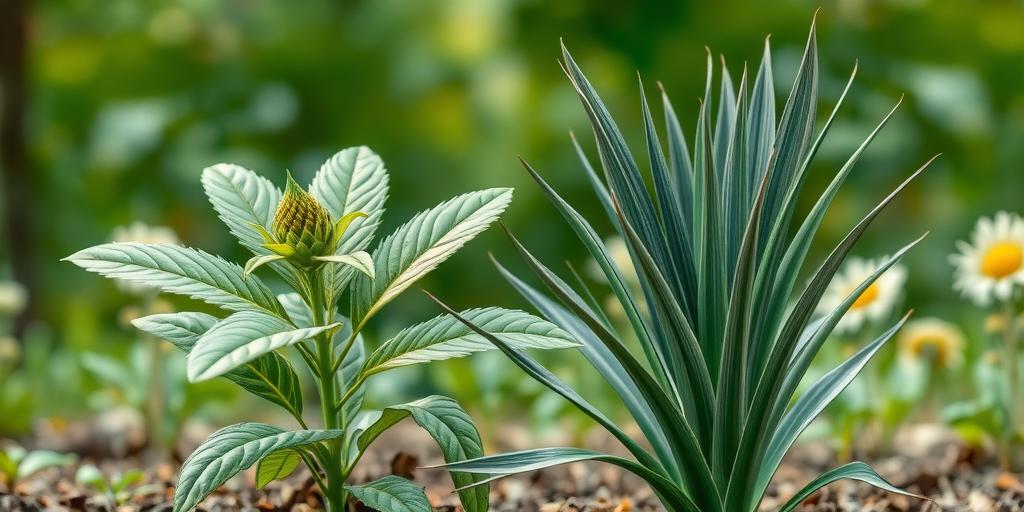
CBD (Cannabidiol) and THC (Delta-9-Tetrahydrocannabinol) are two key cannabinoids found in the cannabis plant, Cannabis sativa. While they share the same molecular formula, their structural differences lead to unique effects on the body. CBD is primarily extracted from hemp, which is low in THC, making it a popular choice for those seeking therapeutic benefits without the intoxicating effects. In contrast, THC is typically derived from marijuana and is known for its psychoactive properties, producing a “high” that many users seek for recreational purposes.
Both cannabinoids interact with the body’s endocannabinoid system, which plays a vital role in regulating functions such as mood, pain, and appetite. CBD is celebrated for its potential therapeutic benefits, like reducing anxiety, inflammation, and pain relief, without altering mental state. THC, on the other hand, is sought after for its recreational use, helping with pain relief and stimulating appetite while also providing a sense of euphoria.
Understanding these differences is crucial for making informed choices about usage. As the market for CBD and THC products continues to grow, consumer awareness is essential in navigating the landscape of cannabinoids.
2. Psychoactive Effects of CBD and THC
THC is well-known for its psychoactive effects, which can lead to a euphoric high. Users often report heightened sensory perception, relaxation, and altered time perception after consuming THC. This can include experiences like enhanced taste and sound, making food and music feel more intense. However, the effects can vary greatly depending on several factors, such as tolerance, dosage, and the method of consumption. For instance, smoking or vaping might produce quicker effects compared to edibles, which take longer to kick in but can result in a more prolonged experience.
In contrast, CBD does not produce any high, making it an appealing option for people looking to avoid intoxication. Instead, many find that CBD promotes relaxation and helps reduce anxiety without the psychoactive effects associated with THC. Interestingly, CBD can even counteract some of THC’s negative effects, such as feelings of anxiety or paranoia.
When it comes to dosage, understanding personal limits is crucial. Low doses of THC can lead to mild effects, while higher doses may result in overwhelming experiences, including anxiety and confusion. Additionally, the strain of cannabis and the presence of other cannabinoids and terpenes can influence psychoactive effects. Some users may find that certain strains produce uplifting effects, while others may feel more sedated. Awareness of these differences can make it easier for users to select products that align with their desired outcomes.
3. Methods of Consumption for CBD and THC
When it comes to consuming CBD and THC, there are several methods available, each with its own unique characteristics. For CBD, people often opt for oils, tinctures, capsules, edibles like gummies and chocolates, and topicals designed for skin application. THC can be consumed similarly, with options including smoking or vaping flower, as well as edibles, oils, and tinctures. The choice of method can significantly affect how quickly and intensely the effects are felt. For instance, edibles typically take longer to kick in, sometimes up to two hours, as they must be digested first. In contrast, inhalation methods like smoking or vaping can lead to effects being felt almost immediately. Topicals, which are applied directly to the skin, are popular for localized relief without any psychoactive effects. Vaping is often seen as a healthier alternative to smoking, producing fewer harmful byproducts. Some users prefer capsules for their convenience and precise dosing, especially when taking CBD. Ultimately, the right choice will depend on personal preferences, the desired effects, and legal considerations in one’s area. For many, experimentation with different consumption methods may be necessary to determine what works best for their individual needs.
- Common ways to consume CBD include oils, tinctures, capsules, edibles, and topicals.
- THC can be consumed through smoking, vaping, edibles, oils, or tinctures.
- Different methods of consumption can lead to varying onset times and durations of effects.
- Edibles may take longer to produce effects, while inhalation methods can lead to quicker onset.
- Topicals are popular for localized relief and do not produce psychoactive effects.
- Vaping is often viewed as a healthier alternative to smoking, producing fewer harmful byproducts.
- Some users prefer capsules for convenience and precise dosing, especially with CBD.
- The choice of consumption method can depend on personal preference, desired effects, and legal considerations.
- Understanding how each method affects the body can help users select the most appropriate option.
- Experimentation with different methods may be necessary to find what works best for individual needs.
4. Potential Uses and Benefits of CBD and THC
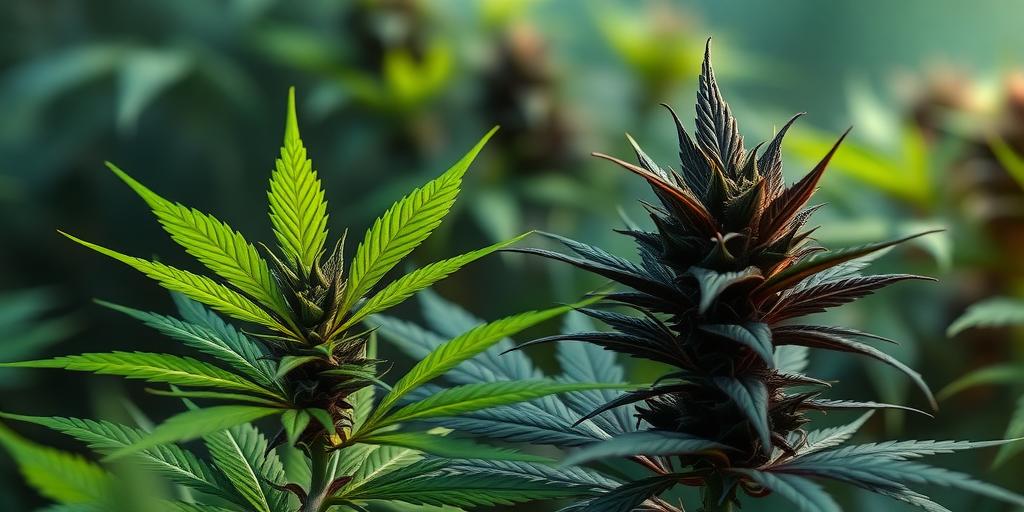
CBD is widely recognized for its ability to help manage a variety of conditions. Many use CBD to alleviate anxiety, reduce inflammation, and ease chronic pain. Its potential anti-seizure properties have made it a valuable option for those with epilepsy, providing hope for better control over seizures. Additionally, CBD may aid in improving sleep quality, making it beneficial for individuals struggling with insomnia. Its neuroprotective properties are also noteworthy, as they may contribute to overall brain health.
On the other hand, THC is often sought after for its psychoactive effects, which can provide significant relief for conditions like pain, muscle spasticity, and nausea. Many cancer patients find THC helpful for stimulating appetite, especially during treatment. Beyond physical symptoms, THC’s mood-enhancing properties can assist those dealing with mood disorders like depression. Both cannabinoids show promise for improving sleep, although their effects can differ based on individual needs and conditions.
Combining CBD and THC may offer enhanced therapeutic benefits due to what is known as the entourage effect, where the two compounds work together to produce a more significant impact than either could alone. However, it is crucial to consult with a healthcare provider to determine the most appropriate uses and dosages for your specific situation. Staying informed about ongoing research in this area can empower users to make educated decisions regarding their cannabinoid use.
5. Side Effects of CBD and THC
CBD is usually well-tolerated, but some users might encounter mild side effects like drowsiness or dry mouth. In contrast, THC is more likely to cause side effects such as dry mouth, red eyes, and an increased heart rate. Some individuals may even experience anxiety, especially if they are new to THC or consume higher doses. For inexperienced users, high doses of THC can lead to more severe effects like paranoia or hallucinations, which can be unsettling.
It’s important to note that not everyone experiences side effects, and individual reactions can differ widely. Understanding these potential side effects is essential for safe consumption of both cannabinoids. For those considering CBD, it’s wise to consult with healthcare providers, as it can interact with certain medications. Users should also start with low doses to gauge their reactions before increasing their intake. Keeping a journal of effects can be beneficial, helping users track their responses to different dosages and methods. This awareness can empower users to manage their experiences more effectively.
6. Legal Status of CBD and THC
CBD derived from hemp, containing less than 0.3% THC, is federally legal in the U.S. due to the 2018 Farm Bill. However, individual state laws can differ significantly. Some states have additional restrictions despite the federal legality of CBD. In contrast, THC is still classified as a controlled substance at the federal level, although many states have legalized it for medical and recreational use. The legal landscape varies widely, with some states enforcing strict regulations while others take a more relaxed stance. It’s essential for consumers to be aware of their local laws to ensure compliance when purchasing or using THC products. Medical marijuana laws typically permit THC use for specific conditions, often requiring a prescription. The legal status of these substances can significantly impact product availability, safety regulations, and consumer trust. As laws continue to evolve, staying informed about changes related to both CBD and THC is crucial for users. Understanding the legal implications helps consumers navigate the market responsibly, and purchasing only from reputable sources is vital for ensuring product safety and legality.
7. Drug Testing Considerations for CBD and THC
When it comes to drug testing, understanding the differences between CBD and THC is crucial. Employers often conduct drug tests to check for THC, which can appear in urine, blood, and hair samples for days or even weeks after use. In contrast, CBD isolate products are typically safe, as they contain no THC and should not trigger a positive result. However, caution is warranted with full-spectrum CBD products, which may contain trace amounts of THC. These traces could potentially result in a positive test, especially for frequent users of THC, as it tends to linger in the body longer than CBD does.
The type of drug test being used is also important to consider, as different methods have varying detection times. Some states offer protections for medical marijuana users, but these laws can differ widely. If drug testing is a concern, it might be wise to avoid using THC altogether. Users should also educate themselves about the testing processes and timelines to make informed decisions. Consulting with employers about their specific drug testing policies can provide further clarity and help mitigate any risks associated with cannabinoid use.
8. Choosing Between CBD and THC
When deciding between CBD and THC, it’s essential to think about your personal health goals. Are you looking for relief from anxiety or pain without any psychoactive effects? If so, CBD is often the recommended choice. It offers calming effects and pain management without the high that comes with THC. On the other hand, THC might be the better option for those who enjoy recreational use or need strong pain relief, as it can also stimulate appetite.
Understanding what you want to achieve can help in selecting the right cannabinoid. Personal tolerance levels play a role too; some people enjoy the psychoactive effects of THC, while others prefer to avoid them altogether. Consulting with healthcare professionals can provide personalized advice based on your specific health needs and conditions.
For those curious about both cannabinoids, experimenting in a controlled environment can provide insight into how each affects you. Keep in mind the legal restrictions in your area, as these can impact availability and use. Additionally, prioritize safety and quality when choosing products, as not all are created equal. Educating yourself on these differences empowers you to make informed decisions.
9. Summary of Differences Between CBD and THC
CBD and THC are two key cannabinoids found in the cannabis plant, each offering unique properties. CBD is non-psychoactive, which means it won’t get you high, making it ideal for those seeking relief from anxiety or pain without the intoxication associated with THC. In contrast, THC is psychoactive and produces a high, often used for its ability to stimulate appetite and relieve pain. While CBD generally has mild side effects like fatigue or nausea, THC can lead to more intense effects such as memory loss and intoxication. Legally, CBD is federally legal under specific conditions, while THC remains illegal on a federal level but is permitted in many states. When it comes to drug testing, CBD isolate is unlikely to show up on tests, whereas THC often will. Understanding these differences is crucial for anyone navigating the cannabis landscape, as it empowers consumers to make informed choices based on individual needs and legal considerations.
| Feature | CBD | THC |
|---|---|---|
| Psychoactive | No | Yes |
| Common Uses | Anxiety, pain relief | Pain relief, appetite stimulation |
| Side Effects | Mild (nausea, fatigue) | Intoxication, memory loss |
| Legality | Federally legal (with limits) | Varies by state, federally illegal |
| Drug Testing | May not show up (isolate) | Typically shows up on tests |
Frequently Asked Questions
What is the difference between CBD and THC?
CBD (cannabidiol) and THC (tetrahydrocannabinol) are both compounds found in the cannabis plant. CBD is known for its calming effects and does not cause a high, while THC is the compound responsible for the psychoactive effect, or the high, that people often associate with marijuana.
Can CBD make you feel high?
No, CBD does not make you feel high. It interacts differently with the brain’s receptors compared to THC, which is why you can enjoy the benefits of CBD without experiencing a euphoric or altered state.
Is CBD legal everywhere?
CBD legality varies by state and country. In the U.S., hemp-derived CBD is generally legal if it contains less than 0.3% THC. Always check the laws in your area to be sure.
Can THC be used for medical purposes?
Yes, THC is sometimes used for medical purposes, such as relieving pain, reducing nausea, and stimulating appetite. However, it’s important to consult a healthcare professional before using it for medical reasons.
Are there any side effects of using CBD or THC?
Both CBD and THC can have side effects. Common ones for CBD include fatigue and changes in appetite. For THC, side effects might be anxiety, dry mouth, or increased heart rate. It’s best to start low and go slow when trying either.
TL;DR This guide explores the key differences between CBD and THC, both cannabinoids from the cannabis plant. CBD is non-psychoactive and commonly used for anxiety, pain relief, and sleep disorders, while THC is psychoactive, causing a high and is used for pain relief and appetite stimulation. Consider the various consumption methods, potential side effects, and the legal status of both cannabinoids, which can vary by state. Make informed choices based on personal health goals, keeping in mind drug testing implications.