

Blog
CBD Oil Side Effects: What You Need to Know for 2025

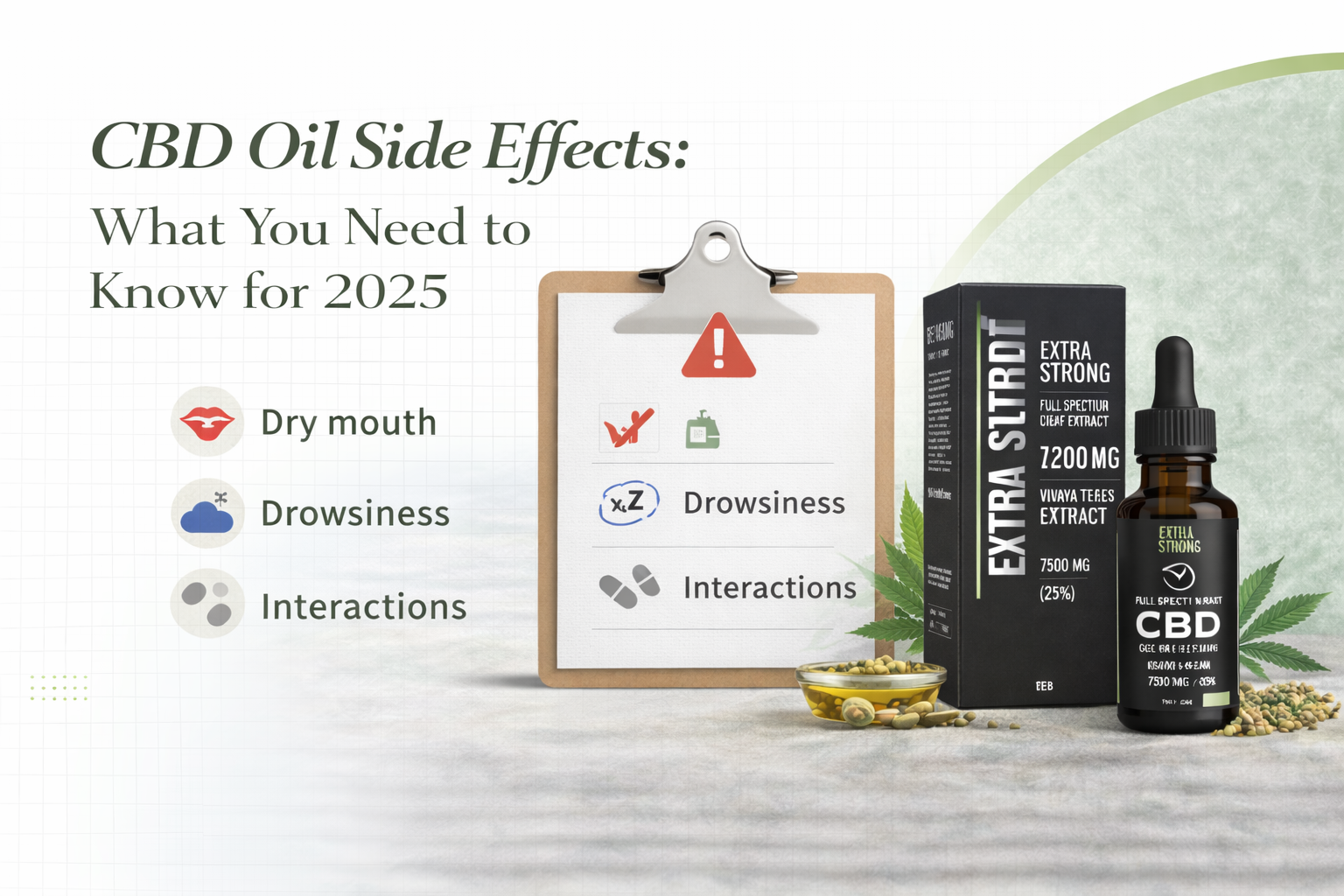
CBD, or cannabidiol, comes from the hemp plant and is known for being non-impairing, meaning it doesn’t cause a high like THC does. Though FDA has approved Epidiolex for certain seizures, many CBD products are unregulated. Users often report side effects such as drowsiness, gastrointestinal issues like nausea and diarrhea, dry mouth, decreased appetite, and mood swings. Additionally, high doses may harm the liver and interact negatively with medications like blood thinners. For pregnant or breastfeeding women and those with specific health issues, caution is advised. Overall, consulting healthcare professionals is crucial to ensure safety when considering CBD use in 2025.
Table of Contents
- General Understanding of CBD
- Common Side Effects of CBD Oil
- CBD Use During Pregnancy and Breastfeeding
- Frequently Asked Questions
1. General Understanding of CBD
CBD, or cannabidiol, is a natural compound found in cannabis plants, primarily extracted from hemp. Hemp is characterized by its low THC content, meaning it does not produce the psychoactive effects commonly associated with cannabis. Unlike THC, CBD is non-impairing and does not create a “high.” Research indicates that CBD may offer various therapeutic benefits, including anti-inflammatory and anti-anxiety effects, but the extent of these benefits can vary depending on individual circumstances.
The human body has an endocannabinoid system that interacts with CBD, potentially influencing several physiological processes such as mood regulation, pain sensation, and immune response. CBD is available in various forms, including oils, capsules, edibles, and topical creams, which allows users to choose options that best fit their preferences and needs. However, the legality of CBD products differs across states and countries, affecting both their availability and regulation.
Consumers should understand the differences between full-spectrum, broad-spectrum, and isolate CBD products, as each type has unique properties and effects. Many individuals turn to CBD for issues like chronic pain, anxiety, and insomnia, although the scientific support for these uses varies. The increasing popularity of CBD has led to a flood of products in the market, making it essential for consumers to conduct thorough research on brands and product quality. Education is key, especially in an environment filled with misinformation about CBD and its health implications. As interest in CBD continues to rise, ongoing research is crucial to uncover its potential benefits and risks.
2. Common Side Effects of CBD Oil

Side effects of CBD oil can differ greatly from person to person, influenced by factors like individual tolerance, dosage, and the form of CBD used. One commonly reported side effect is drowsiness. While this can help with sleep issues, it may also interfere with daily activities if not managed properly. Some users also experience gastrointestinal issues, such as diarrhea or nausea, especially when taking CBD on an empty stomach, leading to discomfort.
Another frequent complaint is dry mouth, often referred to as “cotton mouth.” This occurs due to CBD’s interaction with the endocannabinoid system, making it important for users to stay hydrated. Changes in appetite can also happen; while some may find their appetite decreases, others might experience weight fluctuations as a result.
Mood changes, including irritability, may arise, particularly for individuals with pre-existing mood disorders. Allergic reactions, though less common, are a possibility, underscoring the need for caution when trying new products. Fatigue can be an issue as well, especially if CBD is taken alongside other medications that cause drowsiness.
Moreover, CBD interacts with liver enzymes, which can complicate things for those on certain medications, making regular monitoring important. Understanding your body and how it reacts to CBD is essential for ensuring safe use and minimizing potential side effects.
| Side Effect | Description | Sources |
|---|---|---|
| Drowsiness and Fatigue | A prevalent side effect that can be beneficial for some but problematic when combined with other sedatives. | Verywell Mind |
| Gastrointestinal Issues | Users may experience diarrhea, nausea, or stomach upset. | Healthline, Verywell Mind |
| Dry Mouth | Often referred to as ‘cotton mouth,’ this occurs due to CBD’s interaction with the endocannabinoid system. | Verywell Mind |
| Decreased Appetite | Some users report changes in appetite and weight. | WebMD, Healthline |
| Mood Changes | Users may experience irritability or mood swings. | CDC, Healthline |
| Liver Damage | High doses of CBD can lead to liver enzyme increases, indicating potential liver damage. | WebMD, Verywell Mind |
4. CBD Use During Pregnancy and Breastfeeding
The use of CBD during pregnancy and breastfeeding is a topic that requires careful consideration. Current research is limited, and the effects of CBD on fetal development remain largely unknown. The Centers for Disease Control and Prevention (CDC) advises against using CBD while pregnant due to potential risks to the developing fetus. Additionally, CBD can pass into breast milk, which raises concerns about the possible effects on infants. Pregnant and breastfeeding individuals should prioritize their health and the health of their child when contemplating CBD use.
Healthcare providers often recommend alternative therapies that have more established safety profiles for this population. The lack of regulatory oversight in the CBD market makes it challenging to ensure product quality and safety, which is critical for pregnant women. As research continues, future studies will be essential to better understand the implications of CBD use during these critical periods. Public health guidelines may evolve as new findings emerge regarding the effects of cannabinoids on pregnancy and breastfeeding. Therefore, users should remain informed about ongoing research and recommendations from health organizations. Consulting healthcare professionals about all substances during pregnancy is crucial for avoiding potential risks.
- Current research is limited, and the effects of CBD on fetal development remain largely unknown.
- The CDC advises against CBD use during pregnancy due to potential risks to the developing fetus.
- CBD can pass into breast milk, raising concerns about infant exposure and health effects.
- Pregnant and breastfeeding individuals should prioritize their health and the health of their child when considering CBD.
- Healthcare providers often recommend alternative therapies with more established safety profiles for this population.
- The lack of regulatory oversight makes it challenging to ensure product quality and safety for pregnant women.
- Future studies are needed to better understand the implications of CBD use during these critical periods.
- Public health guidelines may evolve as new research emerges regarding the effects of cannabinoids on pregnancy and breastfeeding.
- Users should remain informed about ongoing research and recommendations from health organizations regarding CBD.
- Consulting healthcare professionals about all substances during pregnancy is crucial for avoiding risks.
Frequently Asked Questions
What are the common side effects of CBD oil?
Some common side effects of CBD oil include tiredness, dry mouth, diarrhea, and changes in appetite or weight.
Can CBD oil interact with other medications?
Yes, CBD oil can interact with certain medications by affecting how they are metabolized in the liver, so it’s important to speak with a doctor before using it alongside other treatments.
Is it safe to use CBD oil during pregnancy or breastfeeding?
There is not enough research to confirm whether CBD oil is safe during pregnancy or breastfeeding, so it’s best to avoid it unless a doctor recommends it.
How does CBD oil affect mental health?
CBD oil may help reduce anxiety and depression in some people, but it can also cause increased feelings of anxiety in others, so monitoring how it affects you is important.
What should I do if I experience side effects from CBD oil?
If you experience any side effects from CBD oil, it’s a good idea to stop using it and consult with a healthcare professional for advice.
TL;DR CBD, derived from hemp, is non-impairing and has limited FDA approval. Common side effects include drowsiness, gastrointestinal issues, dry mouth, decreased appetite, mood changes, and potential liver damage. CBD can interact with other medications, and its use during pregnancy and breastfeeding is not recommended. Vulnerable populations, like those with liver disease or older adults, should exercise caution. Limited long-term research and potential labeling inaccuracies raise additional concerns. It’s advisable to consult a healthcare provider before use and choose high-quality, tested products.