

Blog
CBD Benefits for Wellness: Uses, Effects, and What to Expect


Cannabidiol, or CBD, is a non-psychoactive compound from hemp plants that is becoming popular for its potential health benefits. Many people turn to CBD hoping for relief from various issues, like chronic pain and anxiety. Research suggests it may effectively alleviate these symptoms by interacting with the body’s endocannabinoid system. Additionally, users report improved sleep quality and even some heart health benefits from CBD. While most find it easy to tolerate, side effects can occur, such as fatigue or appetite changes. Keeping up with legal regulations and quality standards is important as research continues to evolve in this area.
Table of Contents
- Overview of CBD and Its Origins
- Potential Benefits of CBD for Wellness
- How CBD Works in the Body
- Safety and Side Effects of CBD
- Legal Status of CBD in the U.S.
- How to Use CBD Products Effectively
- Important Considerations for CBD Users
- Future of CBD Research and Development
- Frequently Asked Questions
1. Overview of CBD and Its Origins
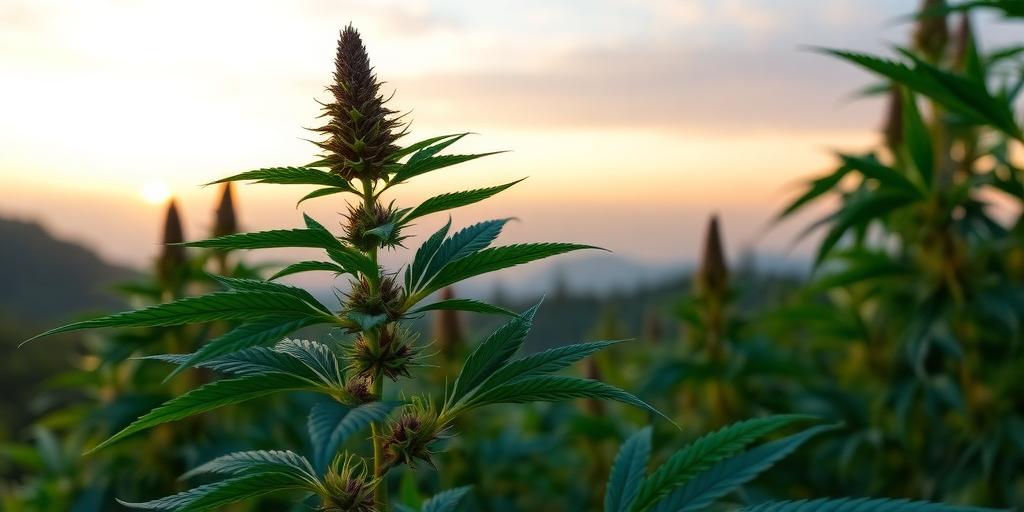
CBD, or cannabidiol, is one of more than 100 cannabinoids found in the cannabis plant. It is mostly extracted from hemp, a specific type of cannabis that contains less than 0.3% THC, the compound responsible for the psychoactive effects associated with marijuana. The use of CBD can be traced back thousands of years, where it was incorporated into traditional medicine across various cultures for its therapeutic properties. Interest in CBD surged in the 2010s, coinciding with legal changes that expanded hemp cultivation and increased awareness of its potential health benefits. Unlike THC, CBD does not create a ‘high’, making it appealing for those seeking relief without the psychoactive effects. The extraction methods for CBD vary, with popular techniques including CO2 extraction and ethanol extraction, which help preserve the compound’s purity and potency. Products containing CBD are available in different forms: full-spectrum CBD includes all cannabinoids, broad-spectrum contains multiple cannabinoids without THC, and isolates consist solely of CBD. The growing public interest in CBD has led to a vast increase in product options, ranging from oils and capsules to beverages and topicals. As research continues, scientists are uncovering new potential uses and benefits of CBD in promoting health and wellness.
2. Potential Benefits of CBD for Wellness
CBD has garnered attention for its potential to help manage various health conditions. For those dealing with chronic pain, such as arthritis or migraines, CBD may offer relief by interacting with the body’s endocannabinoid system to reduce pain signals. Its anti-inflammatory properties can also aid skin conditions like acne and psoriasis, making it a versatile option for wellness.
In the realm of mental health, research indicates that CBD may alleviate anxiety symptoms, presenting a possible alternative to traditional medications. Many individuals suffering from anxiety disorders or PTSD have reported improvements after using CBD. Additionally, for those struggling with sleep issues, studies show that CBD can enhance sleep patterns, providing a natural remedy for insomnia and conditions like restless leg syndrome.
Heart health could also see benefits from CBD, as preliminary studies suggest it may lower blood pressure during stressful situations, potentially reducing the risk of heart disease. Furthermore, CBD is being explored for its role in addiction recovery, with some evidence pointing to its ability to minimize cravings and withdrawal symptoms.
For cancer patients, CBD may improve the quality of life by alleviating side effects of treatments, such as nausea and pain. Its neuroprotective effects are also under investigation, with potential applications for conditions like Alzheimer’s and multiple sclerosis. Some studies even suggest CBD may have antipsychotic properties that could be beneficial for individuals with schizophrenia. Finally, CBD might promote gut health by influencing the endocannabinoid system, which plays a crucial role in digestive functions.
| Benefit | Description |
|---|---|
| Pain Relief | CBD is often used to alleviate chronic pain and inflammation. Research indicates that it may interact with the endocannabinoid system to reduce pain signals. |
| Anxiety and Mental Health | Various studies suggest that CBD can help reduce anxiety symptoms. It has been explored as a treatment for anxiety disorders and PTSD, with some evidence supporting its efficacy. |
| Sleep Improvement | CBD may assist with sleep disorders. A study showed that low doses of CBD could improve sleep quality, comparable to melatonin. |
| Heart Health | Preliminary studies indicate that CBD may help lower blood pressure and reduce the risk of heart disease by improving blood circulation. |
| Neuroprotective Properties | CBD has shown promise in treating neurological disorders like epilepsy. The FDA has approved Epidiolex, a CBD medication for certain types of epilepsy. |
| Cancer Symptom Relief | CBD may help alleviate nausea and pain associated with cancer treatments. |
3. How CBD Works in the Body
CBD interacts with the endocannabinoid system, a complex network responsible for maintaining balance and homeostasis in the body. This system comprises receptors, primarily CB1 and CB2, which are found throughout the brain and immune system. CBD does not bind directly to these receptors like THC does, but instead, it modulates their activity, influencing how the body responds to various stimuli, including pain and mood.
One of the ways CBD promotes feelings of well-being is by potentially increasing levels of anandamide, a natural cannabinoid often referred to as the “bliss molecule.” This increase can enhance mood and reduce anxiety. Additionally, CBD has notable anti-inflammatory properties, which are linked to its ability to inhibit certain receptors that trigger inflammation, making it a popular choice for those seeking relief from chronic pain.
Research suggests that CBD can also interact with serotonin receptors, which are crucial for mood regulation and anxiety management. This interaction may explain why some users report feeling less anxious or depressed after using CBD. However, the effects of CBD can vary significantly from person to person, influenced by each individual’s unique endocannabinoid system.
The method of CBD consumption also plays a role in its effectiveness. For instance, sublingual oils may provide quicker results than edibles, as they enter the bloodstream faster. The half-life of CBD can differ depending on the method used, which affects how long its effects last. It’s essential to consider how CBD may interact with other medications, particularly as some users might be on blood thinners or other treatments.
4. Safety and Side Effects of CBD
Most people tolerate CBD well, but it’s important to be aware of potential side effects. Common issues include fatigue, diarrhea, and changes in appetite. Some users also report dry mouth, which can often be managed by simply drinking water. It’s crucial to note that CBD can interact with certain medications, especially those processed by the liver, so consulting a healthcare professional before starting CBD is essential.
Research on the long-term effects of CBD is still limited, particularly concerning liver health and hormonal balances. For pregnant or nursing women, avoiding CBD is recommended due to possible risks to fetal development. Although rare, allergic reactions can occur, so it’s wise to start with small doses to see how your body responds.
Using high doses of CBD may lead to drowsiness, which can affect activities like driving. Additionally, CBD may lower blood pressure, posing a concern for those on blood pressure medications. Given the variability in product quality, choosing reputable brands is vital to ensure safety. Monitoring how CBD affects you can help manage any side effects or interactions.
5. Legal Status of CBD in the U.S.
The legal status of CBD in the United States can be quite complex. The landmark 2018 Farm Bill legalized hemp-derived CBD at the federal level, making it more accessible and paving the way for further research. However, this does not mean that CBD is uniformly legal across the country. Each state has its own regulations, which can differ significantly. For example, some states permit the sale of CBD products containing 0.3% THC or less, while others have more stringent rules in place. In states where cannabis is fully legal for recreational use, CBD products that contain higher levels of THC are often available in dispensaries alongside traditional cannabis products.
The regulations put forth by the FDA regarding CBD are still evolving, particularly in relation to food and dietary supplements. Businesses involved in the sale of CBD must navigate both state and federal laws to avoid potential legal complications. This patchwork of regulations means that the availability of CBD products can vary widely, depending on where one lives. Ongoing legal battles and legislative updates continue to reshape the landscape for CBD consumers, making it essential for individuals to stay informed about changes in the law to make safe choices regarding their CBD use.
6. How to Use CBD Products Effectively
CBD comes in various forms, such as oils, tinctures, capsules, edibles, and topicals, each offering unique benefits. The choice of which form to use often depends on personal preference and how you plan to use CBD. For instance, if you’re seeking quick relief, sublingual oils might be your best bet, as they are absorbed directly into the bloodstream. Edibles, while tasty, can take longer to produce effects since they must be digested first.
When it comes to dosing, it’s important to start low and increase gradually. This approach allows you to find the right dose for your individual needs without overwhelming your system. Many brands provide dosing guidance, but keep in mind that everyone reacts differently to CBD. It’s often a process of personal experimentation.
Topicals are particularly effective for localized issues, such as joint pain or skin conditions, delivering targeted relief right where you need it. For those looking to incorporate CBD into a daily wellness routine, consistency is key. Regular use can enhance its effectiveness over time.
Consider your lifestyle as well; whether you prefer a discreet capsule or enjoy the ritual of using an oil, select a product that fits seamlessly into your day. Keeping a journal of your experiences can be helpful too, allowing you to track the effects and any side effects you might encounter. If you’re unsure about how to start, consulting with a healthcare provider can help tailor your CBD use to your specific health needs.
- CBD is available in multiple forms, such as oils, tinctures, capsules, edibles, and topicals.
- Choosing the right form depends on personal preference and the intended use for CBD.
- Dosing can vary greatly; starting with a low dose and gradually increasing is commonly recommended.
- For quick effects, sublingual oils can be more effective than edibles, which take longer to digest.
- Topicals may be best for localized pain or skin issues, providing targeted relief.
- Consistency in usage is important to gauge effectiveness; regular use can lead to better results over time.
- Users should consider their lifestyle and specific needs when selecting CBD products.
- Many brands offer guidance on dosing, but individual responses can vary, so personal experimentation may be necessary.
- Consulting with a healthcare provider can help tailor CBD use to individual health needs.
- Keeping a journal of effects can help track the benefits and any side effects experienced.
7. Important Considerations for CBD Users
Quality control is crucial when choosing CBD products. Look for items that have been third-party tested for both purity and potency, ensuring what you consume is safe and effective. Always check the ingredient list to avoid fillers or additives that could lead to unwanted side effects. Understanding the differences between full-spectrum, broad-spectrum, and isolate CBD can help in selecting the right product for your needs. If you have pre-existing health conditions or are taking medications, it’s wise to consult with a healthcare professional before starting CBD. Remember, CBD is not a replacement for medical treatment; it should complement your overall wellness approach. Individual reactions to CBD can vary widely, so pay attention to how your body responds. New users should approach CBD with an open mind, but also have realistic expectations regarding its effects. Educating yourself about CBD can empower you to make informed health choices. Be cautious about drug testing, as some CBD products may contain trace amounts of THC. Finally, stay informed about new research, as the understanding of CBD continues to grow and evolve.
8. Future of CBD Research and Development
Research into CBD is rapidly expanding, with scientists exploring its potential applications across a variety of health conditions. Clinical trials are currently investigating CBD’s effectiveness in areas such as anxiety, pain management, and neurological disorders. As the market for CBD products continues to grow, we are also seeing increased innovation in product development. Regulatory agencies are beginning to establish clearer guidelines, which may enhance the safety and efficacy of CBD products.
As more data becomes available, healthcare providers may become more comfortable recommending CBD to their patients. This is crucial, as ongoing research could uncover new benefits of CBD that are not yet fully realized or understood. Moreover, the development of synthetic cannabinoids could lead to more targeted treatments that leverage CBD’s unique effects on the body.
The public’s interest and demand for CBD are likely to drive further investment in research and development. Collaborations between researchers, healthcare professionals, and the cannabis industry could foster improved knowledge-sharing, ultimately benefiting everyone involved. In the future, we may also see the emergence of personalized medicine approaches in CBD treatment, tailoring therapies to individual patients based on their genetic makeup and health profiles.
Frequently Asked Questions
What is CBD and how does it work for wellness?
CBD, or cannabidiol, is a compound found in cannabis plants. It interacts with the body’s endocannabinoid system, which helps regulate various functions, including mood, pain, and sleep.
What are some common uses of CBD for wellness?
People commonly use CBD for various wellness benefits, including reducing anxiety, improving sleep quality, and managing chronic pain. Some also find it helpful for stress relief and overall relaxation.
Are there any side effects of using CBD?
While CBD is generally considered safe, some people may experience mild side effects such as fatigue, changes in appetite, or diarrhea. It’s always good to consult with a healthcare professional before starting any new supplement.
What should I expect when using CBD for the first time?
When using CBD for the first time, you might not notice immediate effects. It can take time for your body to adjust, so it’s important to start with a low dose and gradually increase it as needed.
Is CBD legal and safe to use?
In many places, CBD is legal, especially if it’s derived from hemp and contains less than 0.3% THC. However, laws can vary, so it’s important to check local regulations. Most reputable products are safe when used responsibly.
TL;DR CBD, a non-psychoactive compound from hemp, is emerging as a potential remedy for various health issues like pain, anxiety, and sleep disorders. It works by interacting with the body’s endocannabinoid system, promoting its natural processes. While generally well-tolerated, some users may experience side effects, and its legality varies by state. As research advances, consumers are advised to use high-quality products and consult healthcare professionals before starting CBD.