
Blog
A Beginner’s Guide to Tying Nautical Knots with Hemp Rope

Nautical knots are really important in boating, letting you secure lines, adjust sails, and create loops. For beginners, knowing how to tie these knots with hemp rope is key for strength and durability. Some popular knots include the Bowline Knot, which makes a strong loop that doesn’t slip; the Clove Hitch for attaching lines to posts; the Figure Eight Knot as a stopper; the Reef Knot for securing two equal lines; and the Sheet Bend for joining different-sized ropes. To start tying effectively, pick quality hemp rope and prepare it well by melting frayed ends. Practice regularly to build confidence!
Table of Contents
- Understanding Nautical Knots
- Common Types of Nautical Knots
- Step-by-Step Knot Tying with Hemp Rope
- Choosing the Right Hemp Rope
- Helpful Resources for Learning Knots
- Safety Tips for Knot Tying
- Frequently Asked Questions
1. Understanding Nautical Knots
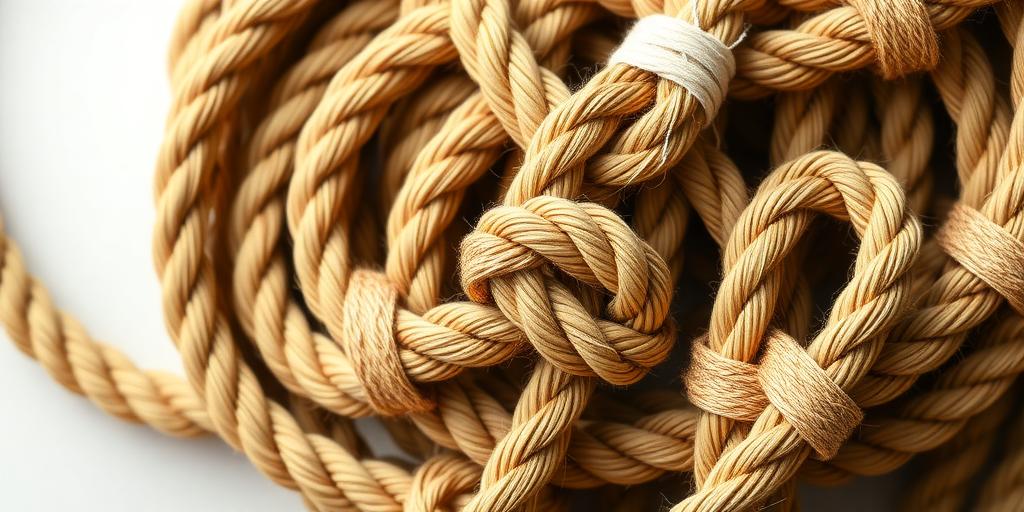
Nautical knots play a vital role in the world of boating and sailing. They are not just decorative; they serve crucial functions like securing sails, tying up boats, and managing lines. Each knot has its specific purpose and unique strengths, which makes understanding them essential for anyone venturing onto the water. Learning different knots can significantly enhance safety and efficiency, especially in changing weather conditions. For example, a bowline knot creates a secure loop that won’t slip, which is invaluable when securing a boat. Mastering knot tying takes practice, improving both speed and accuracy. Knowing the properties of the rope you use, such as hemp, can impact the effectiveness of your knots. Nautical knots are often categorized by their uses: binding, loops, and bends. Beyond their practical applications, knots hold historical significance in maritime culture, reflecting the skills and traditions passed down through generations. Overall, knot tying can be a fun and rewarding skill, perfect for both beginners and seasoned sailors.
2. Common Types of Nautical Knots
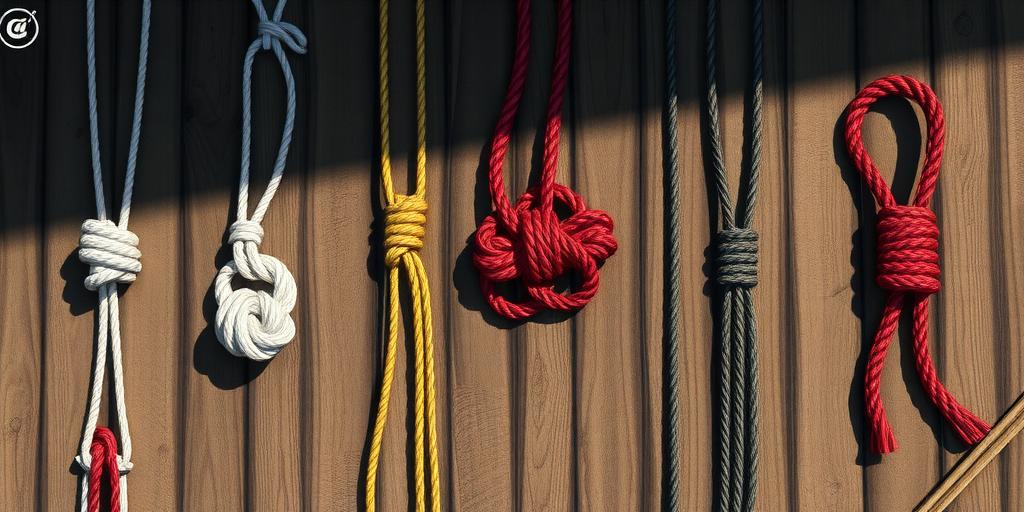
Nautical knots serve various purposes, each with unique characteristics that make them suitable for specific tasks. The Bowline Knot is well-known for its reliability and versatility, creating a secure loop that won’t slip under strain. It’s perfect for when you need a fixed loop at the end of a line. The Clove Hitch is excellent for quickly securing lines to posts or other fixed objects, making it an essential knot for many applications. If you need a strong stopper knot, the Figure Eight Knot is a great choice, preventing lines from slipping through blocks or cleats.
For joining two lines of equal thickness, the Reef Knot (or Square Knot) is commonly used, especially in sailing to reef sails. When dealing with lines of different diameters, the Sheet Bend excels, making it a favorite among sailors for securing sails. The Double Bowline offers extra security, making it a go-to knot for critical applications where safety is paramount.
When it comes to securing cargo, the Trucker’s Hitch is ideal, providing a mechanical advantage for tightness. For fastening boats to docks or moorings, the Cleat Hitch is essential, ensuring your vessel stays securely in place. Lastly, the Taut-Line Hitch allows for adjustable tension, which is particularly useful in camping and sailing scenarios. The Fisherman’s Knot, commonly used in fishing, connects two lines and is a must-learn for anglers. Each of these knots has its own unique application, making them invaluable tools for anyone working with ropes.
| Knot Name | Description | Uses |
|---|---|---|
| Bowline Knot | Creates a strong, secure loop that does not slip or bind under strain. | Ideal for making fixed loops at the end of a line. |
| Clove Hitch | Commonly used to attach a line to a post. Easy to tie and untie, providing a secure grip. | Securing lines quickly. |
| Figure Eight Knot | A simple stopper knot that prevents lines from slipping through blocks. | Used as a stopper for various applications. |
| Reef Knot (Square Knot) | Used to secure two equal lines together, often used in reefing sails. | Joining two lines of the same thickness. |
| Sheet Bend | Effective for joining two lines of different sizes, especially useful in securing sails. | Connecting lines of different diameters. |
3. Step-by-Step Knot Tying with Hemp Rope
Tying knots with hemp rope can be both practical and enjoyable. Start by selecting a high-quality hemp rope, as it provides the strength and durability needed for effective knot tying. Before you begin, ensure that your rope is clean and dry, as this helps in achieving better grip and control. Practicing on a flat surface will give you the stability you need to master each knot.
For the Bowline Knot, create a small loop in the rope and pass the working end through this loop. Wrap it around the standing part and then bring it back down through the loop. Always check that the loop size is correct before tightening to ensure it holds securely under strain.
When tying a Clove Hitch, wrap the rope around your chosen post twice, making sure to cross the rope over itself. Tuck the end under the last wrap and pull tight. It’s crucial to ensure that the wraps are secure to prevent slipping.
The Figure Eight Knot is another fundamental knot to learn. Begin by creating a loop in the rope, then pass the end through the loop to form a figure eight shape. Pull tight to secure it. This knot functions as an excellent stopper knot, preventing lines from slipping through other knots or blocks.
As you practice, try using different lengths of rope to help you gain versatility with your knot tying skills. Visual aids or instructional videos can be invaluable in reinforcing your understanding of the steps involved.
4. Choosing the Right Hemp Rope
When selecting hemp rope for your nautical knots, thickness is crucial. A thicker rope offers more strength, which is essential for heavier loads, while a thinner rope can be easier to handle for lighter tasks. Additionally, assess the rope’s breaking strength to ensure it meets the demands of your activities, whether you need it for securing a sail or tying down gear.
It’s also wise to choose pre-shrunk hemp rope, as this helps maintain its shape after getting wet. Hemp is biodegradable and environmentally friendly, making it a great choice for outdoor activities. Before using the rope, inspect it for any fraying or damage, which can compromise its integrity. Proper storage is equally important; keep the rope in a cool, dry place to prevent deterioration over time.
For knot tying, untreated hemp is often preferred, as it provides a better grip, making it easier to secure knots. Consider the rope’s weight as well; lighter ropes are easier to transport and handle. Flexibility is another key factor, as different knots may require varying degrees of bendability to tie effectively. Lastly, take the time to research different brands to ensure you are choosing a quality product that has positive reviews.
5. Helpful Resources for Learning Knots
Online tutorials are invaluable for beginners, offering visual guidance that makes learning each knot type easier. Websites like Animated Knots provide animated step-by-step instructions, which can be especially helpful for visual learners. Books on sailing and knot tying also serve as excellent resources, offering detailed explanations and insights that go beyond just the basics. YouTube channels dedicated to sailing often feature thorough demonstrations, allowing you to see the knots tied in real time, which can boost your confidence.
For those looking to learn on-the-go, mobile apps are available that teach knots through interactive features, making it easy to practice whenever you have a moment. If you prefer hands-on experience, attending knot tying workshops can be beneficial, as they provide direct guidance from experienced instructors. Additionally, forums and online communities allow you to share tips and experiences with fellow knot enthusiasts, creating a supportive environment for learning.
Local sailing clubs can be a great way to find classes or meetups focused on knot tying. These clubs often have resources and experienced sailors willing to share their knowledge. Maritime museums may also offer educational resources focused on nautical skills, including knot tying. Furthermore, social media groups can provide helpful advice and encouragement from like-minded individuals. Finally, utilizing nautical charts that include knot tying tips can enhance your understanding of how knots are applied in real-world scenarios.
6. Safety Tips for Knot Tying
When tying knots with hemp rope, safety should always be a priority. Start by double-checking your knots before applying any tension, ensuring they are secure. Be mindful of environmental conditions, such as wind and water currents, which can affect the integrity of your knots. Using the right knot for the specific task is crucial to avoid accidents. Regularly inspect your ropes for wear and damage, as this can significantly impact safety.
Always practice tying knots in a safe environment before using them in real situations. Avoid tying knots under stress or tension to minimize the risk of mistakes. Familiarize yourself with common knot failures so you can recognize and avoid dangerous situations. It’s wise to keep a knife or scissors handy for quick rope release if needed. Teaching others about knot safety can help promote a culture of awareness, making everyone safer on the water. Finally, stay calm and focused when tying knots, especially in challenging circumstances, as this can help you avoid errors.
- Always double-check knots before applying tension to ensure security.
- Be aware of the conditions, such as wind and water current, that may affect knots.
- Use the right knot for the specific task to avoid accidents.
- Inspect ropes regularly for wear and damage to maintain safety.
- Practice tying knots in a safe environment before applying them in real situations.
- Avoid tying knots under stress or tension to prevent mistakes.
- Educate yourself on common knot failures to avoid dangerous situations.
- Keep a knife or scissors handy for quick rope release if necessary.
- Teach others about knot safety to promote a culture of awareness.
- Stay calm and focused when tying knots, especially in challenging situations.
Frequently Asked Questions
What are some simple nautical knots I can learn?
You can start with basic knots like the square knot, bowline knot, and clove hitch, which are easy to tie and useful for various purposes.
Why should I use hemp rope for tying knots?
Hemp rope is strong, durable, and environmentally friendly, making it a great choice for outdoor activities and various craft projects.
Can I use the same knots for different activities, like fishing or sailing?
Yes, many knots can serve multiple purposes, so you can use them in fishing, sailing, or securing items in various situations.
How do I prevent my knots from slipping?
To keep knots from slipping, make sure to tie them correctly and pull on them firmly to ensure they’re secure.
Is there a specific way to care for hemp rope?
Yes, keep hemp rope dry and store it in a cool place to prevent mold and deterioration, and avoid exposing it to harsh chemicals.
TL;DR This beginner’s guide covers the essentials of tying nautical knots using hemp rope. Key knots include the Bowline, Clove Hitch, Figure Eight, Reef Knot, and Sheet Bend. Step-by-step instructions and resources for learning are provided, along with safety tips for securing knots effectively. Regular practice and attention to rope quality enhance knot tying skills essential for boating.