Hemp Wellness for Dogs: What Pet Parents Should Know

Interest in hemp for dogs has grown rapidly as more pet parents explore hemp based wellness products.
You may have seen products marketed as CBD for dogs, hemp oil for dogs, calming chews, hemp treats, tinctures and other pet hemp products.
But what does the science actually say?
Are hemp products safe for dogs? Can dogs use CBD? What should you look for when choosing a product? And how much do we actually know about long term use?
These questions deserve careful answers.
Research into cannabinoids in veterinary medicine is growing, but the evidence is still developing. Some canine studies have reported potential benefits in areas such as osteoarthritis related pain, while safety and pharmacokinetic studies have also identified important considerations. A 2023 review concluded that the evidence remains limited and that longer term research is still needed.
So rather than treating hemp as a miracle solution, it is better to understand it as an emerging area of veterinary research.
What Is Hemp Wellness for Dogs?
Hemp wellness for dogs generally refers to products made with hemp derived ingredients that are marketed for supporting a dog’s overall wellness.
These products can include:
- Hemp oils
- Hemp based treats
- Chews
- Capsules
- Topical products
- CBD products
- Products containing other cannabinoids
The term “hemp” itself does not tell you exactly what a product contains.
A hemp seed oil, for example, is chemically different from a cannabinoid rich hemp extract.
This distinction is extremely important when shopping for hemp products for pets.
Hemp seed oil vs cannabinoid rich hemp extract
Hemp seeds naturally contain nutritional components such as fatty acids, proteins and other nutrients, but cannabinoids such as CBD are primarily associated with other parts of the hemp plant.
Therefore, a product labelled “hemp oil” does not automatically mean that it contains CBD.
Pet parents should always read the ingredient list and cannabinoid information rather than relying on the word “hemp” alone.
What Is CBD for Dogs?
CBD, or cannabidiol, is a cannabinoid found naturally in cannabis plants, including hemp.
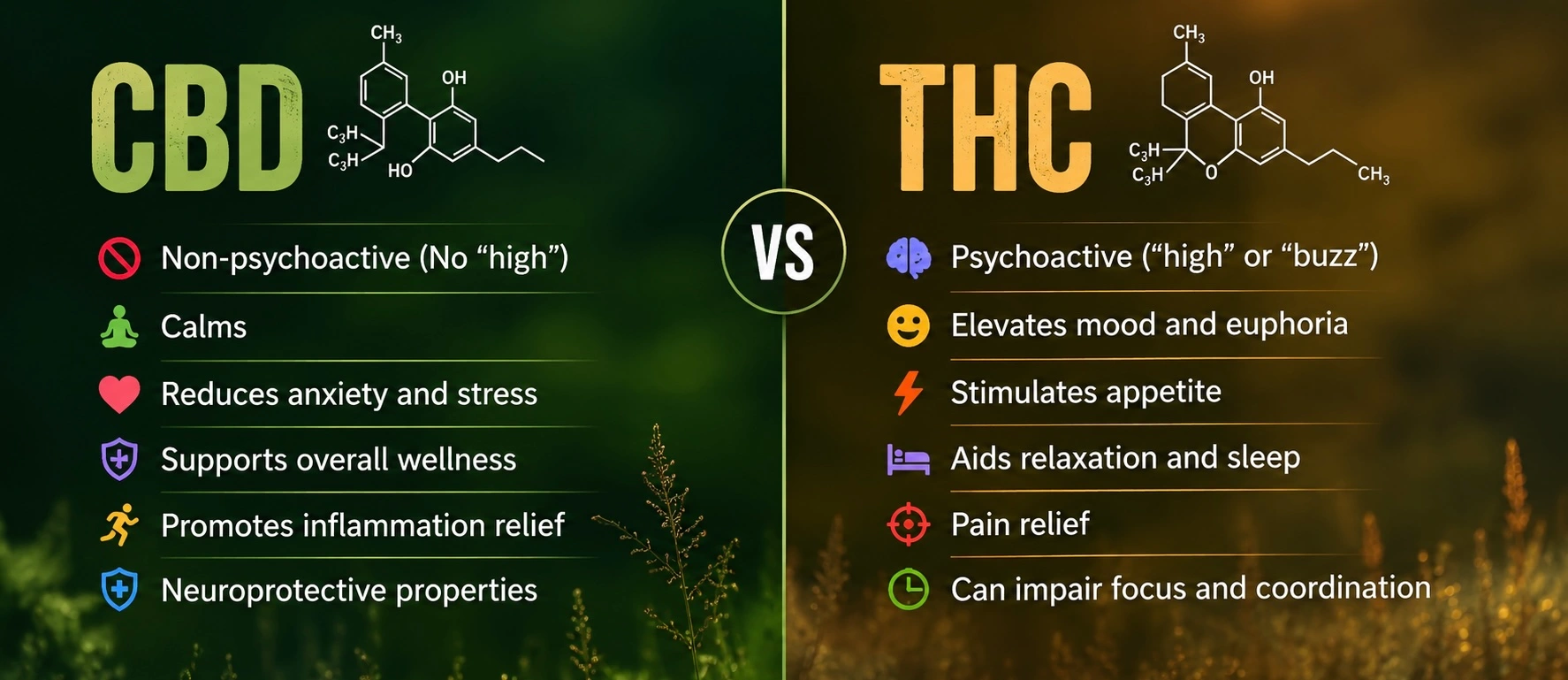
Unlike THC, CBD is not responsible for the intoxicating “high” associated with THC.
CBD has attracted interest in veterinary medicine because researchers are investigating how cannabinoids may interact with biological systems in animals.
Studies in dogs have examined CBD in areas including:
- Osteoarthritis
- Pain
- Inflammation related pathways
- Seizure disorders
- Pharmacokinetics
- General tolerability
However, research is not yet strong enough to conclude that CBD is an established treatment for all of these conditions.
A veterinary review published in 2023 found some evidence supporting potential benefits of CBD in dogs, particularly in osteoarthritis research, but emphasized that the number of studies remains limited and that many studies have methodological limitations.
Is Hemp Safe for Dogs?
This is one of the most important questions pet parents ask.
The responsible answer is:
The safety of hemp derived cannabinoid products depends on the specific compound, formulation, concentration, product quality, the individual dog and how the product is used.
CBD has been studied in healthy dogs in several controlled studies.
For example, a randomized 28 day safety and pharmacokinetic study found that repeated CBD administration was generally well tolerated in healthy dogs, although higher exposure was associated with more gastrointestinal adverse events and increased serum alkaline phosphatase activity.
Another study evaluated CBD rich hemp nutraceutical use in healthy dogs and cats over 12 weeks and found no clinically significant changes in standard blood chemistry or blood counts in the dogs studied.
More recently, a 90 day safety study in healthy Beagles reported that the tested hemp derived cannabinoid formulations were well tolerated under the study conditions.
However, these findings do not mean every hemp product is safe for every dog.
Research studies use specific formulations, concentrations, animals and monitoring protocols. A commercially available product may be very different.
What Does Research Say About CBD for Dogs?
The evidence is most developed around certain areas, particularly osteoarthritis related pain.
A randomized, double blind, placebo controlled study investigated CBD in dogs with osteoarthritis and reported reductions in pain and increases in mobility during the study period.
Another clinical study evaluated CBD oil in osteoarthritic dogs and reported improvements in pain and activity scores, although an increase in alkaline phosphatase was also observed during CBD treatment.
These findings are interesting, but they should not be interpreted as proof that CBD will work for every dog with arthritis.
Why?
Because clinical research can differ in:
- Number of dogs studied
- CBD formulation
- Dose
- Duration
- Outcome measurements
- Study design
- Individual response
A 2023 review of canine CBD research highlighted precisely this issue and concluded that further research is needed to determine appropriate use and longer term safety.
Can Dogs Use Hemp Products?
Dogs can be exposed to hemp derived products, but whether a specific product should be used is a veterinary decision rather than a simple yes or no question.
Before introducing a cannabinoid product, consider:
Your dog’s age
Young, elderly and medically compromised dogs may require additional consideration.
Existing medical conditions
A product that may be tolerated by a healthy dog may not be appropriate for a dog with certain health problems.
Current medications
Cannabinoids may interact with medications, making veterinary guidance particularly important.
Product composition
A product containing CBD isolate is different from a broad spectrum or full spectrum product.
THC content
THC is different from CBD and can cause intoxication and adverse effects in dogs.
Product quality
Contamination, inaccurate labeling or unexpected cannabinoid concentrations can create additional risks.
Hemp vs CBD for Dogs: What’s the Difference?
The words hemp and CBD are often used interchangeably in marketing, but they are not the same thing.
Hemp refers to a type of cannabis plant or plant material defined under applicable legal frameworks.
CBD is one specific cannabinoid.
A hemp product may contain CBD, but it may also contain other cannabinoids or no meaningful amount of cannabinoids at all.
This is why pet parents should ask:
What exactly is in this product?
Look for:
- CBD amount per serving
- Other cannabinoids
- THC content
- Carrier ingredients
- Serving instructions
- Batch information
- Laboratory testing
What Is Hemp Oil for Dogs?
Hemp oil for dogs can refer to several different formulations, so the label matters.
A cannabinoid rich hemp oil may contain CBD and other cannabinoids suspended in a carrier oil.
A hemp seed oil may contain nutritional compounds but little or no CBD.
These products should not be treated as interchangeable.
If you are specifically looking for a cannabinoid product for your dog, check whether the label clearly identifies:
Cannabinoid → Amount per serving → Serving size → Total concentration
This makes it much easier to understand what you are actually purchasing.
What Should Pet Owners Check Before Buying Hemp Products?
This is where responsible pet ownership becomes particularly important.
1. Check the cannabinoid content
Do not buy a product simply because it says “hemp.”
Look for a clear cannabinoid profile.
For example:
CBD: X mg per serving
is much more useful than:
Premium hemp formula
without any quantitative information.
2. Check the THC information
THC and CBD are different cannabinoids.
Pet products containing THC require particular caution because dogs can experience cannabis toxicity.
The FDA lists marijuana among potentially dangerous items for pets and notes signs of cannabis exposure that can include lethargy, depression, drooling, vomiting, agitation, tremors and convulsions.
If you suspect your dog has consumed a THC containing cannabis product or another potentially toxic substance, contact a veterinarian or emergency veterinary service promptly.
3. Look for a Certificate of Analysis
A Certificate of Analysis, or COA, is a laboratory report associated with a particular product or batch.
A useful COA may provide information about:
- CBD
- CBG
- CBC
- THC
- Other cannabinoids
- Heavy metals
- Pesticides
- Microbial contamination
This is particularly important because product labeling is not always enough to establish what a cannabinoid product actually contains.
4. Check the batch number
A good quality control system should allow the laboratory report to be connected to the actual product batch.
Look for:
Batch number → Laboratory report → Product
This provides more transparency than a generic laboratory report that cannot be connected to the product you purchased.
5. Read the complete ingredient list
Look beyond CBD.
Check:
- Carrier oils
- Flavourings
- Sweeteners
- Preservatives
- Herbs
- Other active ingredients
This is particularly important for dogs with food sensitivities or existing medical conditions.
Why Product Quality Matters for Pet Hemp Products
Quality control is one of the biggest concerns surrounding cannabinoid products.
The FDA has stated that it has concerns about the quality of some CBD products and has identified issues involving inaccurate cannabinoid concentrations and potential contaminants. The agency also specifically states that it has not approved cannabis for use in animals.
This means pet parents should be cautious about products making dramatic claims such as:
- “Cures arthritis”
- “Treats cancer”
- “Replaces veterinary medicine”
- “Guaranteed anxiety treatment”
- “Works for every dog”
These claims go beyond what current evidence supports.
A responsible pet wellness brand should communicate what is known, what remains uncertain and where veterinary guidance is appropriate.
Full Spectrum vs Broad Spectrum vs Isolate for Dogs
You may also encounter these terms when shopping for pet hemp products.
Full Spectrum
Contains multiple naturally occurring hemp compounds and may contain THC depending on the formulation.
Broad Spectrum
Contains multiple cannabinoids and other compounds but is generally processed to remove THC.
Isolate
Contains primarily one purified cannabinoid, such as CBD.
These formulations are not interchangeable.
The term “full spectrum” also does not automatically mean a product is more effective or safer.
Current veterinary research is still investigating how different cannabinoid formulations behave in dogs.
Interestingly, a recent pharmacokinetic study comparing CBD and CBDA isolates with full spectrum extracts in healthy Beagles found no evidence that the full spectrum formulations produced enhanced absorption, highlighting why claims about an “entourage effect” should be treated cautiously.
Can CBD Help Dogs With Anxiety?
This is one of the most common questions about CBD for dogs.
Research into CBD and canine behavioral conditions is still limited compared with research into osteoarthritis.
Although pet products are frequently marketed for anxiety and calming, evidence does not currently justify treating CBD as a proven replacement for behavioral assessment or veterinary treatment.
If your dog experiences:
- Separation anxiety
- Fear
- Aggression
- Noise sensitivity
- Sudden behavioral changes
the first step should be identifying the underlying cause with help from a veterinarian or qualified veterinary behavior professional.
A sudden behavioral change can sometimes indicate an underlying medical problem.
Can CBD Help Dogs With Arthritis?
This is one of the better studied areas of canine cannabinoid research.
Some controlled studies have reported improvements in pain scores and activity in dogs with osteoarthritis receiving CBD.
However, the evidence remains limited and CBD should not automatically replace established veterinary treatments.
The most appropriate approach is to discuss the dog’s condition with a veterinarian and consider cannabinoid products only as part of a broader care plan when appropriate.
Can Dogs Take Human CBD Products?
Do not assume that a human CBD product is appropriate for a dog.
Human and pet formulations can differ in:
- Cannabinoid concentration
- Serving size
- Ingredients
- Flavourings
- Sweeteners
- THC content
- Other active ingredients
Some human products may also contain ingredients that are unsuitable or dangerous for dogs.
For example, xylitol is a well known toxic substance for dogs and can be present in some human products.
For this reason, pet specific formulations and veterinary guidance are preferable to improvising with human products.
How Do I Choose a Pet Hemp Product?
Use this simple checklist.
Look for:
1. Clearly stated cannabinoids
You should know exactly what cannabinoids are present.
2. Amount per serving
Avoid products that provide only vague concentration claims.
3. THC information
Especially important for pet products.
4. Independent laboratory testing
Look for a batch specific COA.
5. Complete ingredients
Know what else your dog will consume.
6. Clear manufacturer information
The manufacturer should be transparent about sourcing and production.
7. Appropriate pet formulation
Do not assume a human product is suitable for animals.
8. No unsupported medical promises
Be cautious of products promising to cure or treat serious diseases.
What Does the Research Say About Long Term Use?
This is an area where caution is particularly important.
Many early canine studies focused on short or medium term use.
A 2023 review noted that longer term research remains limited.
A separate study examining chronic CBD supplementation in healthy adult dogs for 36 weeks found that CBD accumulated over time and that pharmacokinetic parameters changed during prolonged administration.
This does not mean that long term CBD use is necessarily unsafe.
It means that long term exposure deserves veterinary oversight and continued research.
Pet parents should not assume that a product that appears well tolerated for a few weeks has automatically been proven safe for years of daily use.
What Are Possible Side Effects?
Research has reported generally mild adverse effects in several controlled canine studies, but effects can vary depending on formulation and dose.
Potential observations can include:
- Drowsiness
- Gastrointestinal upset
- Increased drooling
- Changes in appetite
- Changes in activity or alertness
Some studies have also observed changes in laboratory values such as alkaline phosphatase.
If your dog develops unusual symptoms after receiving a cannabinoid product, stop and contact your veterinarian for guidance.
Do not increase the amount in an attempt to overcome an unwanted effect.
What About THC and Dogs?
This deserves special attention.
CBD and THC are not interchangeable.
THC is psychoactive and can produce intoxication in dogs.
The FDA identifies marijuana as a potentially dangerous item for pets and describes symptoms including lethargy, vomiting, drooling, agitation, tremors and convulsions.
If a dog accidentally consumes cannabis or a THC containing product, this should be treated as a potential poisoning situation.
Do not wait for symptoms to become severe before seeking veterinary assistance.
Hemp Wellness for Dogs: A Responsible Approach
The growing interest in hemp wellness for dogs is understandable.
Early research has produced interesting findings, particularly around CBD and canine osteoarthritis, while studies continue to investigate pharmacokinetics, safety and different formulations.
But responsible pet wellness means keeping expectations realistic.
Hemp derived cannabinoids should not be presented as:
A miracle cure.
They should instead be viewed as an emerging area of veterinary research that requires better evidence, careful product selection and appropriate veterinary oversight.
Frequently Asked Questions About Hemp for Dogs
Is hemp safe for dogs?
Some hemp derived cannabinoid formulations have been tolerated in controlled studies involving healthy dogs, but safety depends on the specific compound, formulation, concentration, product quality and individual animal. CBD has not been approved by the FDA for use in animals, so pet parents should consult a veterinarian before use.
What is hemp wellness for pets?
Hemp wellness for pets refers broadly to hemp derived products marketed for supporting animal wellness. These can include cannabinoid oils, treats, chews and other formulations. The term “hemp” alone does not establish the cannabinoid content or safety of a product.
Can dogs use hemp products?
Dogs can be exposed to hemp derived cannabinoid products, and several studies have evaluated CBD in dogs. However, whether a specific product is appropriate depends on the dog’s health, medications, the formulation and other factors. Veterinary guidance is recommended.
What should pet owners check before buying hemp products?
Check the cannabinoid concentration, THC content, complete ingredient list, serving information, manufacturer details and batch specific Certificate of Analysis. Avoid products making unsupported claims about treating or curing serious diseases.
How do I choose a pet hemp product?
Choose a product with transparent cannabinoid concentrations, clear ingredients, appropriate pet formulation, batch specific laboratory testing and responsible labeling. Discuss the product with your veterinarian before giving it to your dog.
Is CBD the same as hemp?
No. Hemp refers to plant material or a type of cannabis plant defined by applicable regulations, while CBD is one specific cannabinoid found in cannabis plants.
Is hemp oil the same as CBD oil for dogs?
Not necessarily. Hemp oil may refer to hemp seed oil or a cannabinoid rich hemp extract. Check the ingredient and cannabinoid information to determine exactly what the product contains.
Can dogs take human CBD oil?
It is not advisable to assume that human CBD oil is suitable for dogs. Human products may contain different concentrations or ingredients that are inappropriate or unsafe for animals.
Can CBD help dogs with arthritis?
Some controlled studies have reported improvements in pain and activity in dogs with osteoarthritis receiving CBD. However, the evidence remains limited and CBD should not be considered a replacement for veterinary diagnosis or established treatment.
Can CBD calm an anxious dog?
Research into CBD for canine anxiety and behavioral disorders is still limited. Pet parents should have persistent or severe anxiety assessed by a veterinarian rather than relying on a cannabinoid product alone.
What happens if a dog eats THC?
THC can cause intoxication and adverse effects in dogs. Symptoms can include lethargy, vomiting, drooling, agitation, tremors and other neurological signs. Contact a veterinarian or emergency veterinary service promptly if your dog consumes cannabis or a THC containing product.
Final Takeaway
Hemp for dogs is an emerging area of veterinary research, not a guaranteed treatment.
Studies investigating CBD in dogs have produced promising findings in some areas, particularly osteoarthritis, but the evidence is still developing. Researchers are also continuing to study long term safety, pharmacokinetics, different formulations and potential interactions.
For pet parents, the most important steps are simple:
Know what is in the product.
Check the cannabinoid concentration.
Check THC content.
Look for independent laboratory testing.
Avoid unsupported medical claims.
And speak with your veterinarian before introducing cannabinoid products to your dog’s routine.
Good pet wellness starts with informed decisions, transparent products and professional veterinary guidance.