What is the Entourage Effect? Understanding How Cannabinoids and Terpenes Work Together

What Is the Entourage Effect?
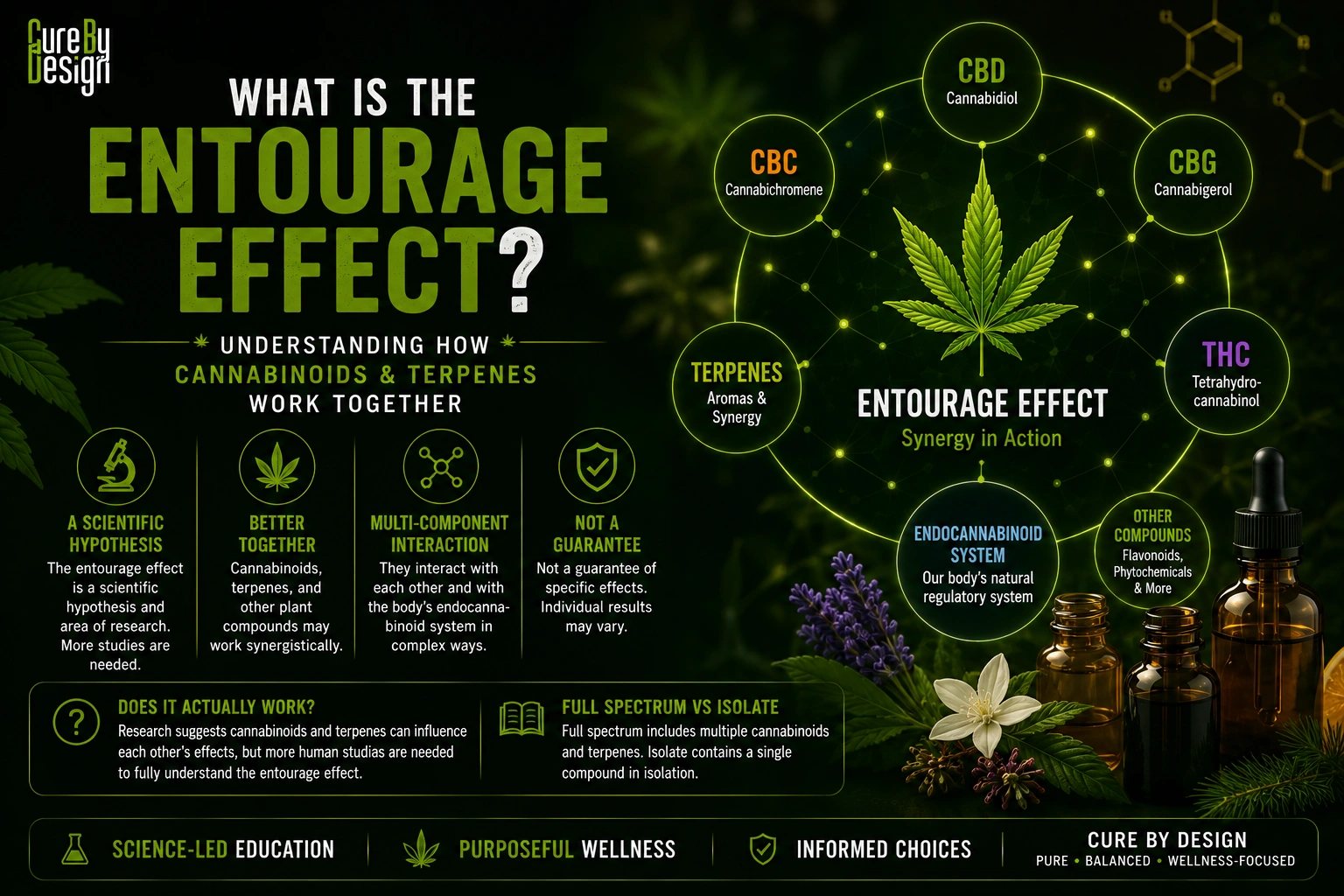
The entourage effect is a scientific hypothesis suggesting that multiple compounds found in cannabis, including cannabinoids, terpenes and other plant constituents, may interact with one another and influence their overall biological activity.
Instead of looking at one cannabinoid in isolation, the entourage effect considers the possibility that the combination of cannabinoids and terpenes may produce a different effect from an individual compound on its own.
The concept has become particularly important when discussing full spectrum hemp extracts, CBD products and other cannabinoid formulations.
However, there is an important distinction between a scientific hypothesis and an established clinical fact.
Current research provides evidence that cannabis compounds can interact in different ways, but the idea that these combinations consistently produce a predictable or superior therapeutic effect in humans has not been conclusively established. Recent reviews describe the evidence as limited, mixed and still developing.
So, what exactly is the entourage effect, and what do we actually know about it?
Let’s explore the science.
What Does the Entourage Effect Mean?
In simple terms, the entourage effect describes the possibility that different compounds may work together rather than acting completely independently.
Cannabis contains hundreds of naturally occurring compounds. Among the most studied are:
- Cannabinoids
- Terpenes
- Flavonoids
- Other plant compounds
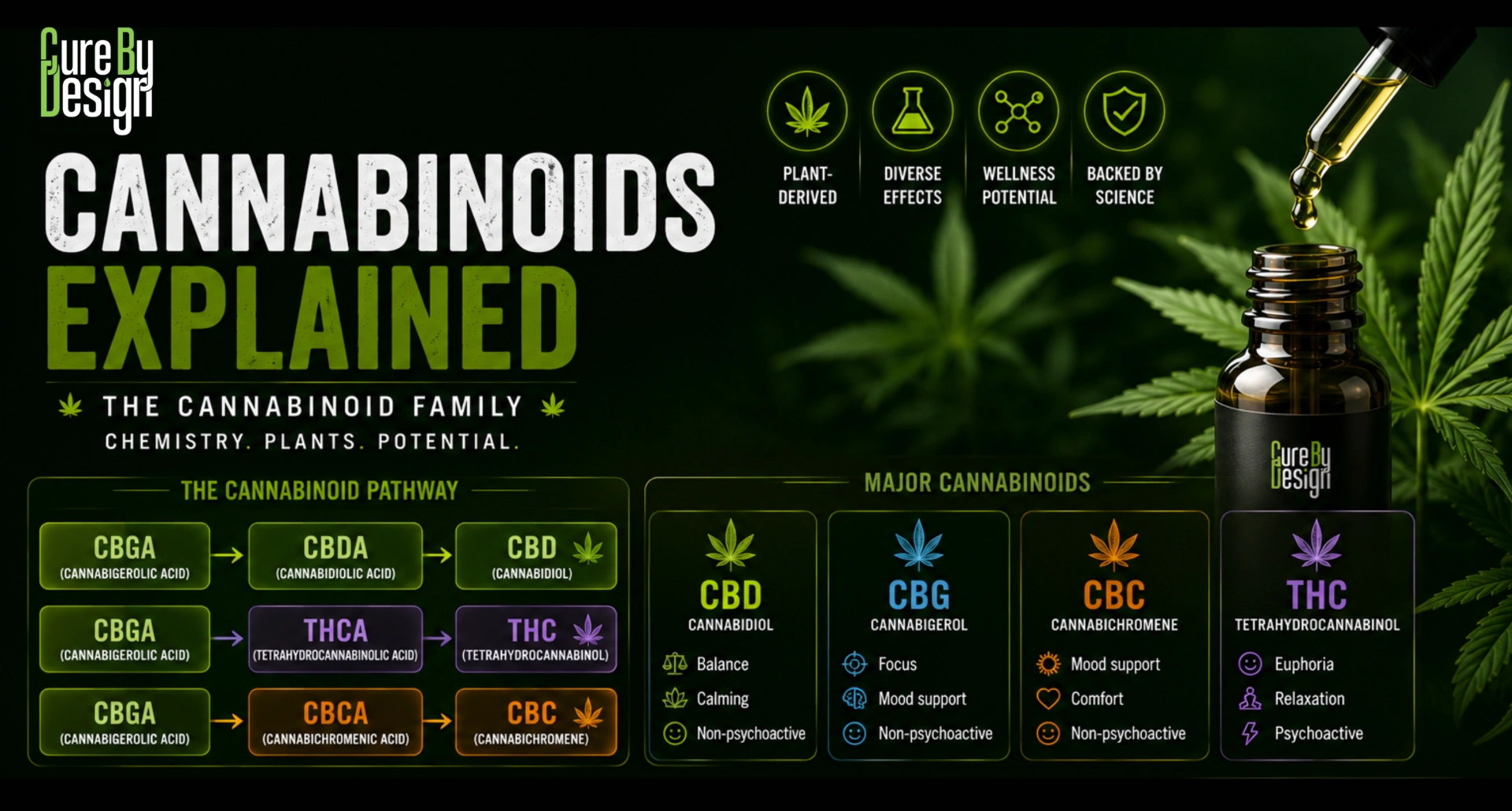
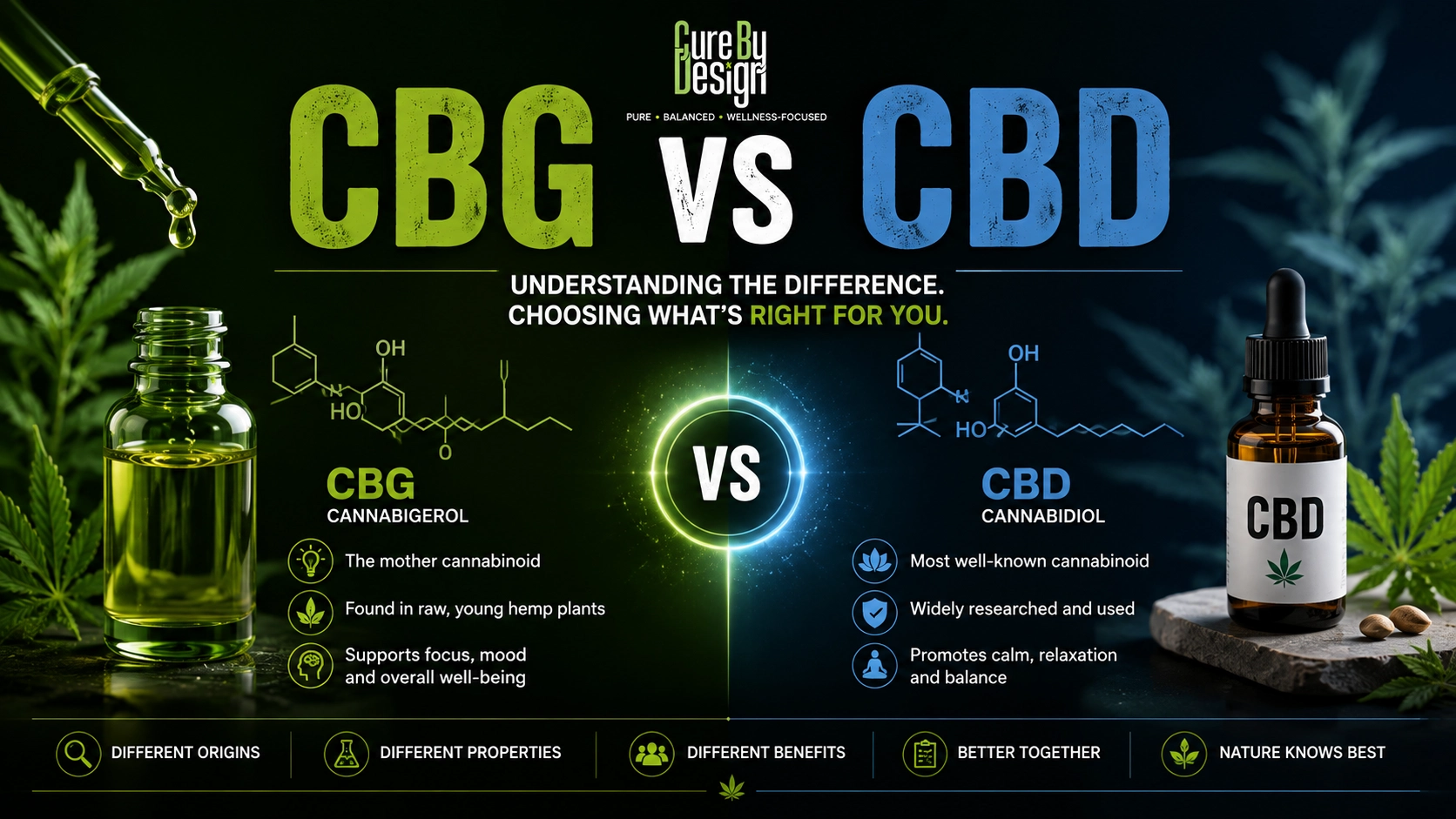
Cannabinoids include compounds such as:
Terpenes are aromatic compounds found throughout nature and contribute to the characteristic aromas and flavors of many plants.
The entourage effect proposes that the biological activity of a cannabis extract could depend not only on the amount of one cannabinoid, but also on the combination and concentration of other compounds present.
This is why the concept is frequently discussed alongside full spectrum extracts.
How Was the Entourage Effect Concept Developed?
The term “entourage effect” originated from research into the endocannabinoid system and interactions between naturally occurring molecules.
The concept was later applied more broadly to cannabis and its complex mixture of phytocannabinoids and other plant compounds.
Researchers have proposed different forms of interaction, including interactions between:
- Cannabinoid and cannabinoid
- Cannabinoid and terpene
- Terpene and terpene
- Other plant compounds
Some researchers describe these possibilities as intra entourage interactions, involving compounds within the same chemical family, and inter entourage interactions, involving different types of compounds such as cannabinoids and terpenes.
This led to a broader scientific question:
Could the cannabis plant’s naturally occurring compounds influence one another when consumed together?
That question remains an active area of research.
How Do Cannabinoids and Terpenes Work Together?
The relationship between cannabinoids and terpenes is one of the most discussed aspects of the entourage effect.
Cannabinoids interact with biological targets throughout the body, including components associated with the endocannabinoid system.
Terpenes have their own biological properties and may interact with different molecular pathways.
Because both groups of compounds can have biological activity, researchers have investigated whether combining them could result in:
- Additive effects
- Synergistic effects
- Changes in absorption or bioavailability
- Changes in receptor activity
- Changes in how individual compounds behave
However, these possibilities should not be confused with proof that every cannabinoid and terpene combination produces a stronger or better effect.
Research has produced different results depending on the compounds, concentrations, experimental models and outcomes being studied.
For example, one laboratory and animal study found that certain cannabis terpenes could enhance cannabinoid related activity under specific experimental conditions.
On the other hand, another study found no clear evidence that several commonly studied cannabis terpenes directly altered cannabinoid receptor activity in the expected way.
This difference illustrates why the entourage effect should currently be viewed as a research hypothesis rather than a guaranteed outcome.
What Are Cannabinoids?
Cannabinoids are chemical compounds that interact with the body’s endocannabinoid system or related biological targets.
They can be broadly divided into three categories:
Phytocannabinoids
These are cannabinoids naturally produced by plants.
Examples include:
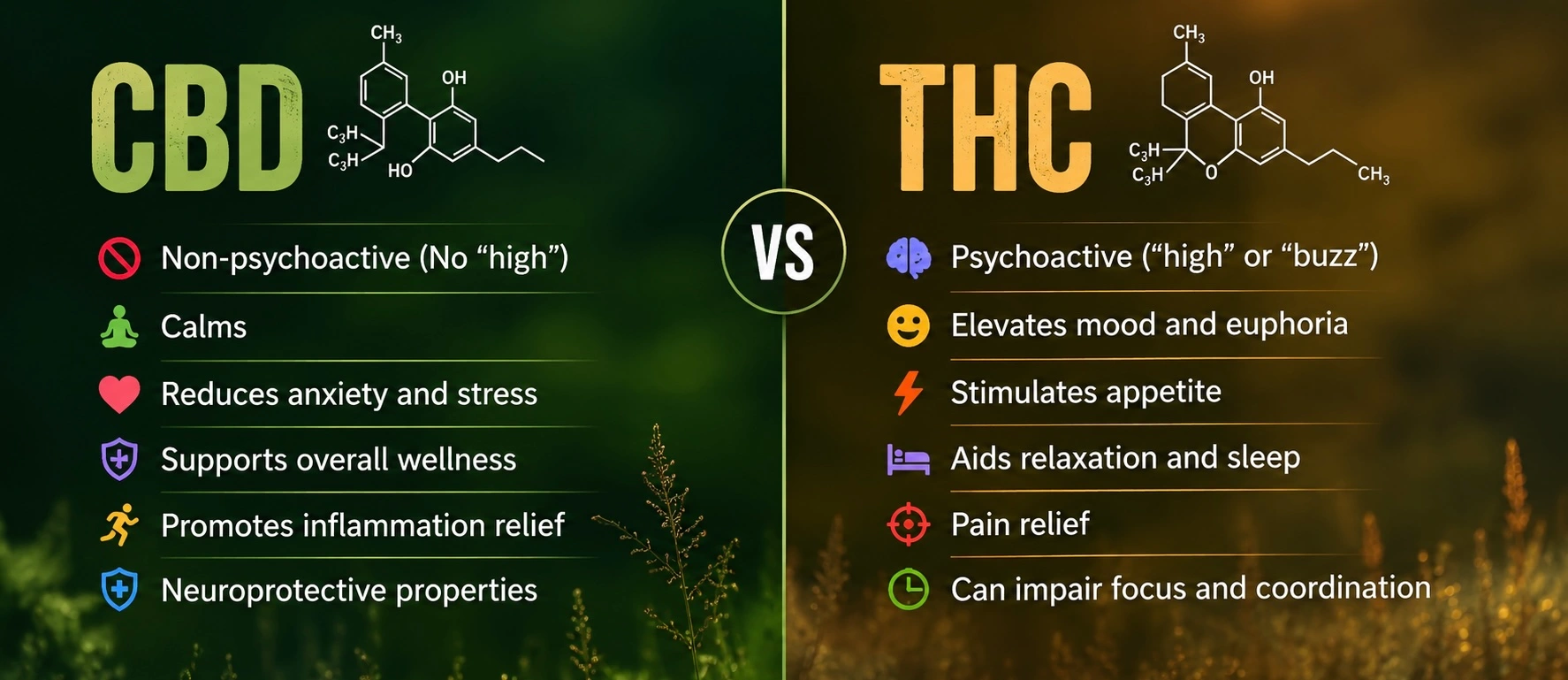
- CBD
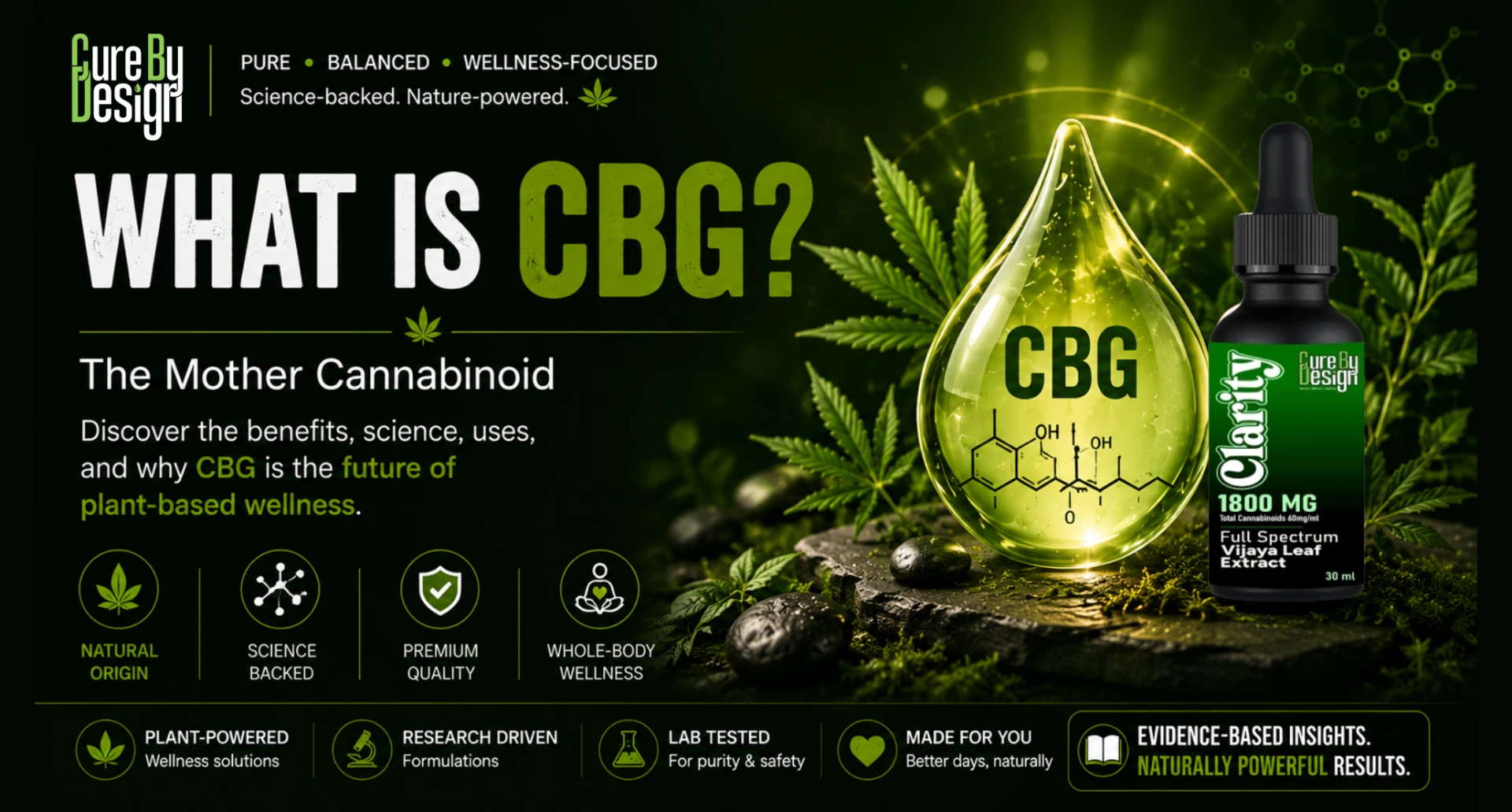
- CBG
- THC
- CBC
Endocannabinoids
These are cannabinoid related molecules naturally produced by the human body.
Examples include:
- Anandamide
- 2 AG
Synthetic cannabinoids
These are compounds created through chemical synthesis and may be designed to mimic or modify cannabinoid activity.
For Cure By Design readers, phytocannabinoids are particularly relevant because hemp naturally contains a variety of cannabinoids.
What Are Terpenes?
Terpenes are naturally occurring aromatic compounds produced by many plants.
They contribute to:
- Aroma
- Flavor
- Plant characteristics
- Plant interactions with the environment
Cannabis contains numerous terpenes, including:
Myrcene
Often associated with earthy and herbal aromas.
Limonene
Known for its citrus aroma.
Linalool
Associated with floral and lavender like aromas.
Alpha pinene
Known for a pine like aroma.
Beta caryophyllene
Known for its spicy and peppery aroma.
Some terpenes have also been studied for their own biological properties. However, evidence from laboratory studies does not automatically establish a specific therapeutic effect in humans.
What Is the CBD Entourage Effect?
The term CBD entourage effect is commonly used to describe the possibility that CBD may interact with other cannabinoids, terpenes or plant compounds when consumed as part of a broader extract.
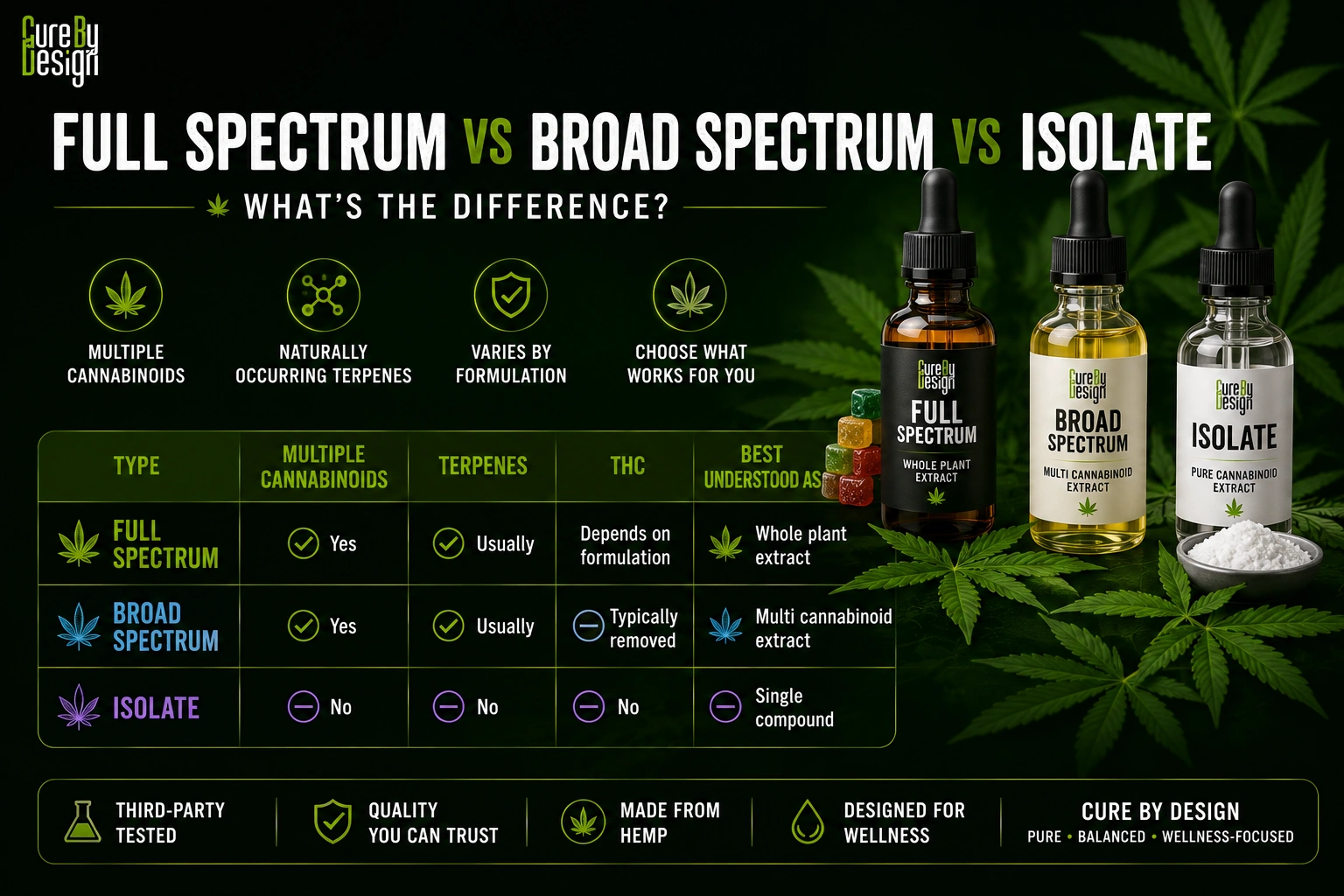
For example, a CBD isolate contains primarily CBD, whereas a full spectrum extract may contain CBD alongside other naturally occurring cannabinoids and terpenes.
The hypothesis is that these additional compounds could influence the overall activity of the formulation.
However, it would be inaccurate to say that a CBD product containing multiple compounds will automatically work better than CBD isolate.
Scientific reviews have found that evidence for a consistent, predictable entourage effect remains limited.
What Is the Full Spectrum Entourage Effect?
The phrase full spectrum entourage effect is commonly used when discussing full spectrum hemp or cannabis extracts.
A full spectrum extract generally contains multiple naturally occurring compounds from the plant, although the exact composition depends on the source material and manufacturing process.
Depending on the formulation, these compounds can include:
- Multiple cannabinoids
- Terpenes
- Other naturally occurring plant compounds
The theory is that these compounds may interact with each other.
This is one reason full spectrum products are often discussed in connection with the entourage effect.
However, full spectrum does not automatically mean more effective.
The composition, concentration, extraction process, stability and quality of the product can all influence what is actually present.
Does the Entourage Effect Actually Work?
The evidence is promising in some experimental areas, but the entourage effect has not been conclusively demonstrated as a consistent clinical phenomenon in humans.
This is one of the most important points to understand.
Research has produced evidence supporting the possibility of interactions between cannabinoids and other cannabis compounds. Some laboratory and animal studies have reported additive or potentially synergistic effects.
However, other research has failed to identify the expected interactions, and reviews have highlighted significant limitations in the existing evidence.
A recent comprehensive review concluded that potential synergistic effects between terpenes and cannabinoids remain unproven and that further clinical research is needed.
Therefore, the scientifically responsible position is:
The entourage effect is a plausible and actively researched hypothesis, but it should not be presented as a guaranteed therapeutic effect.
Why Is the Entourage Effect Difficult to Study?
Studying the entourage effect is complicated because cannabis extracts can contain many different compounds.
Researchers have to consider:
1. Different cannabinoid concentrations
A product containing 5 percent CBD is chemically different from one containing 50 percent CBD.
2. Different terpene profiles
Two full spectrum extracts may contain completely different terpene compositions.
3. Different ratios
The relationship between CBD, CBG, THC and other cannabinoids can vary significantly.
4. Different extraction methods
Processing can influence which compounds remain in the final extract.
5. Different delivery methods
Oils, capsules, gummies and other formulations can have different absorption characteristics.
6. Different research models
Results from laboratory experiments cannot automatically be translated into human outcomes.
Because of these variables, simply comparing “single compound” with “full spectrum” does not provide a complete scientific answer.
Entourage Effect vs CBD Isolate
One of the most common comparisons is between full spectrum products and CBD isolate.
| Feature | Full Spectrum | CBD Isolate |
|---|---|---|
| CBD | Yes | Yes |
| Other cannabinoids | Usually | No |
| Terpenes | Usually | No |
| Other plant compounds | May be present | No |
| Entourage effect hypothesis | Often discussed | Less applicable |
| Composition | Multiple compounds | Primarily CBD |
The important point is that this table describes composition, not guaranteed effectiveness.
A full spectrum extract contains multiple compounds, which makes it relevant to the entourage effect hypothesis. CBD isolate contains primarily CBD, allowing researchers and consumers to focus on a single cannabinoid.
Neither format should automatically be described as universally better.
Is Full Spectrum Better Than Isolate?
Not necessarily.
Whether someone prefers a full spectrum or isolate formulation depends on the intended product characteristics, cannabinoid profile and individual considerations.
Full spectrum products contain multiple naturally occurring compounds, making them relevant to research into potential entourage interactions.
Isolates provide a more defined single compound profile.
From a scientific perspective, it is better to say that they are different formulations rather than claiming that one is universally superior.
This distinction is particularly important because current evidence does not establish a predictable entourage effect across all full spectrum products.
What Does Current Research Say About the Entourage Effect?
Current research can be broadly summarized into three areas.
Evidence supporting the hypothesis
Some laboratory and animal studies suggest that combinations of cannabinoids and terpenes may produce additive or potentially synergistic biological effects.
Evidence questioning the hypothesis
Other experimental research has failed to demonstrate expected interactions between specific terpenes and cannabinoid receptors.
Evidence from reviews
Recent reviews generally conclude that the evidence remains incomplete, inconsistent and insufficient to establish the entourage effect as a predictable clinical phenomenon.
This means the field is neither completely settled nor completely disproven.
More controlled human research is needed.
Why Does the Entourage Effect Matter?
The entourage effect matters because it encourages researchers to study cannabis as a complex botanical system rather than focusing exclusively on individual cannabinoids.
It also raises important questions about:
- Full spectrum extracts
- Minor cannabinoids
- Terpene profiles
- Cannabinoid ratios
- Plant chemistry
- Formulation design
- Individual compound interactions
Understanding these relationships could eventually help researchers develop more precisely characterized cannabinoid formulations.
But until stronger clinical evidence is available, marketing claims should remain cautious.
Entourage Effect and the Endocannabinoid System
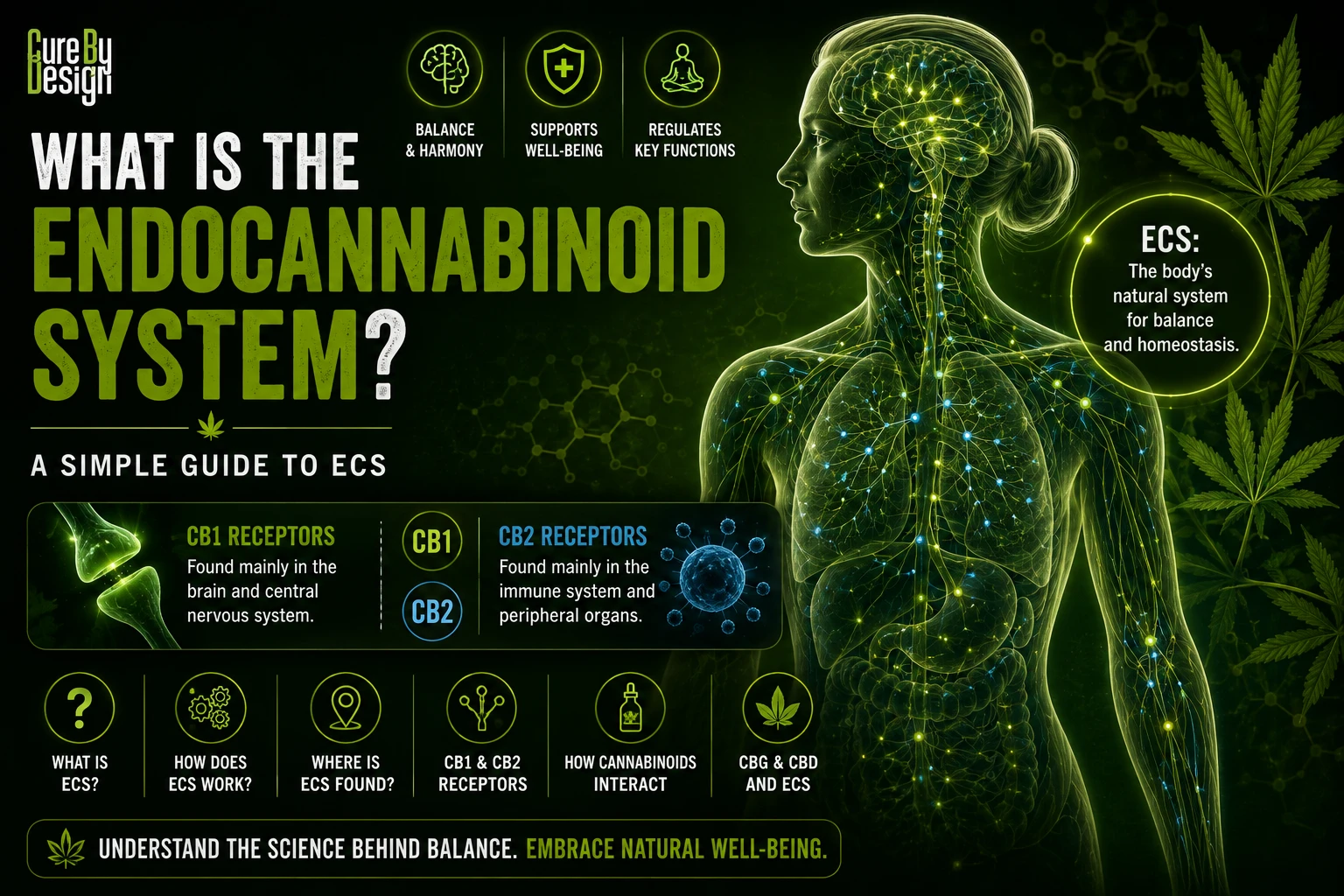
The endocannabinoid system, or ECS, is a biological signaling system involved in maintaining homeostasis.
It includes:
- Endocannabinoids
- Cannabinoid receptors
- Enzymes involved in cannabinoid synthesis and breakdown
Cannabinoids can influence this system and other biological pathways.
Because different cannabinoids may interact with different targets, researchers are interested in whether combinations of cannabinoids and terpenes could produce effects that differ from individual compounds.
This connection between the ECS, cannabinoids and terpenes is one reason the entourage effect remains an important area of cannabinoid research.
Entourage Effect: What We Know vs What We Don’t Know
| What research suggests | What is not yet established |
|---|---|
| Cannabis contains many biologically active compounds | Every compound combination produces synergy |
| Cannabinoids can interact with biological targets | Full spectrum products are always superior |
| Some terpenes have biological activity | Terpenes consistently enhance cannabinoids in humans |
| Some studies show possible additive effects | A predictable entourage effect for every product |
| Compound interactions are scientifically plausible | Specific combinations guarantee specific outcomes |
This distinction helps separate scientific evidence from marketing claims.
Frequently Asked Questions About the Entourage Effect
What is the entourage effect?
The entourage effect is a scientific hypothesis that cannabinoids, terpenes and other cannabis compounds may interact with one another and influence their overall biological activity.
Does the entourage effect actually work?
Research provides some evidence of interactions between cannabis compounds, particularly in laboratory and preclinical studies. However, the evidence is inconsistent and does not yet establish a predictable clinical entourage effect in humans.
How do cannabinoids and terpenes interact?
Cannabinoids and terpenes can influence different biological pathways and molecular targets. Researchers are studying whether these interactions can produce additive, synergistic or other effects. The exact mechanisms depend on the specific compounds and concentrations involved.
What is the CBD entourage effect?
The CBD entourage effect refers to the hypothesis that CBD may interact with other cannabinoids, terpenes or plant compounds in a broader extract. However, these interactions should not be assumed to produce a guaranteed or superior effect.
Is full spectrum better than isolate?
Not necessarily. Full spectrum and isolate products have different chemical compositions. Full spectrum products contain multiple naturally occurring compounds, while an isolate focuses on one primary compound. Current evidence does not establish that full spectrum products are universally better.
What is the full spectrum entourage effect?
It refers to the hypothesis that the multiple cannabinoids, terpenes and other compounds present in a full spectrum extract may interact and influence the overall activity of the extract.
Do terpenes increase the effects of cannabinoids?
Some experimental studies suggest that certain terpenes may modify cannabinoid related activity, while other research has not found the expected interactions. More research is required before making broad conclusions.
Are cannabinoids and terpenes the same thing?
No. Cannabinoids and terpenes are different classes of plant compounds. Cannabinoids include CBD, CBG and THC, while terpenes are aromatic compounds such as myrcene, limonene and linalool.
Is the entourage effect scientifically proven?
No. The entourage effect remains an active area of scientific investigation. Current evidence supports the possibility of compound interactions but does not establish a consistent, predictable clinical effect.
Why are full spectrum products associated with the entourage effect?
Full spectrum products contain multiple naturally occurring plant compounds, including cannabinoids and usually terpenes. This makes them relevant to the hypothesis that these compounds may interact.
The Bottom Line
The entourage effect is one of the most interesting and debated concepts in cannabinoid science.
The basic idea is straightforward: cannabinoids, terpenes and other plant compounds may interact rather than acting completely independently.
Research has identified possible interactions in laboratory and preclinical studies, but the evidence remains mixed. Some studies support potential additive or synergistic activity, while others have failed to demonstrate expected interactions. Recent reviews emphasize that more high quality clinical research is needed.
For consumers, the most accurate takeaway is therefore:
The entourage effect is a scientific hypothesis supported by some experimental findings, but it should not be treated as a guaranteed therapeutic benefit of full spectrum or multi cannabinoid products.
As research into cannabinoids, terpenes and the endocannabinoid system continues, we may gain a clearer understanding of when and how different cannabis compounds interact.