

Blog
Why Industrial Hemp Stands Out as a Biofuel Source


Industrial hemp is really gaining attention as a biofuel source for several reasons. First, its growth is sustainable, which means it doesn’t harm our ecosystems much. Hemp also does a great job of capturing carbon from the air, helping mitigate climate change. Plus, it can produce a decent amount of energy and can be converted into various types of biofuels. The environmental footprint is quite small compared to other crops. Economically, hemp brings benefits to farmers and industries alike while using leftover materials from processing helps reduce waste. Altogether, these aspects make hemp an appealing option for renewable energy solutions moving forward.
Table of Contents
- Sustainable Growth Characteristics of Industrial Hemp
- Effective Carbon Sequestration by Hemp
- High Energy Production Potential of Hemp
- Versatility in Biofuel Applications
- Minimal Environmental Impact of Hemp
- Economic Benefits of Using Hemp
- Utilizing Waste from Hemp Processing
- Frequently Asked Questions
Sustainable Growth Characteristics of Industrial Hemp
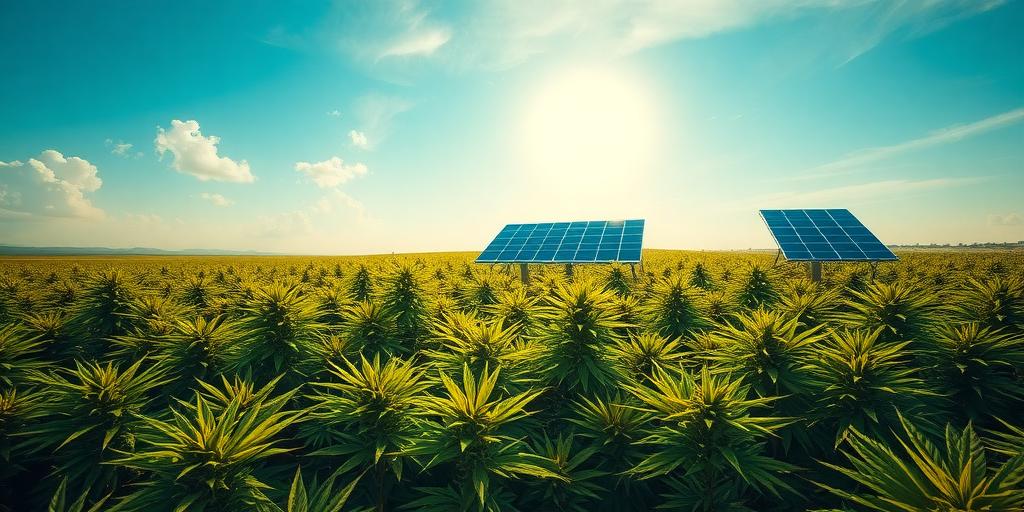
Industrial hemp is remarkable for its rapid growth, maturing in just 90 to 120 days. This quick turnaround makes it an appealing option for farmers looking to maximize yield in a shorter time frame. Additionally, it requires significantly less water compared to traditional crops, which is vital in regions facing water scarcity. Hemp can thrive in a variety of soil types, making it adaptable to different agricultural environments. Its natural resilience allows it to benefit from minimal pesticide and herbicide use, which not only lowers production costs but also contributes to a healthier ecosystem.
The plant promotes soil health by naturally resisting pests, thus enhancing the fertility of the ground it grows in. Its deep root system improves soil structure and reduces erosion, which is crucial for maintaining land integrity. Moreover, hemp can be rotated with other crops to enhance biodiversity, which is essential for sustainable farming practices. Another significant aspect is its ability to absorb heavy metals, which helps clean contaminated soil, making it beneficial for land rehabilitation.
With fewer agricultural inputs required, farmers can reduce overall costs while cultivating hemp, making it a financially attractive crop. Its adaptability means it can be cultivated in diverse climates, making it widely accessible for farmers around the globe.
- Grows rapidly, maturing in about 90-120 days
- Requires less water compared to traditional crops
- Can thrive in a variety of soil types
- Benefits from minimal pesticide and herbicide use
- Promotes soil health through natural pest resistance
- Improves soil structure and reduces erosion
- Can be rotated with other crops to enhance biodiversity
- Absorbs heavy metals, cleaning contaminated soil
- Requires fewer agricultural inputs, reducing overall costs
- Can be cultivated in diverse climates, making it widely accessible
Effective Carbon Sequestration by Hemp
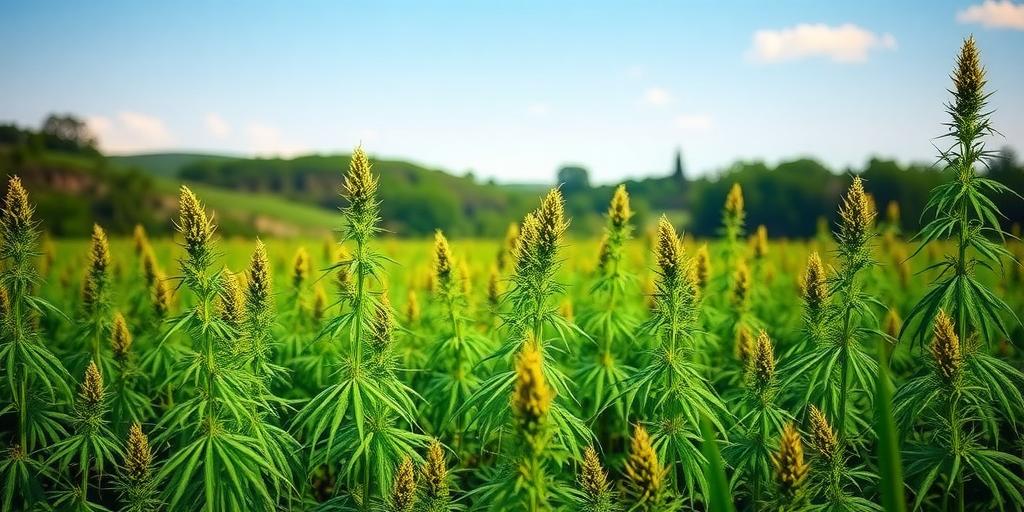
Industrial hemp is remarkable for its ability to absorb significant amounts of carbon dioxide (CO2) during its growth cycle. This plant not only sequesters carbon in its biomass but also enhances the soil’s capacity to store carbon over the long term. When hemp is used in various products, it can keep carbon locked away for years, making it more efficient than some tree species in carbon uptake. This characteristic is crucial in the fight against climate change, as hemp has the potential to offset greenhouse gas emissions effectively. By recycling carbon, hemp supports a circular economy, contributing to sustainable practices that benefit both the environment and society. Additionally, hemp contributes to soil health by enhancing organic matter, which improves fertility and promotes a healthy ecosystem through natural carbon cycling. Integrating hemp into carbon credit systems can further incentivize its cultivation, allowing for measurable benefits in carbon management.
High Energy Production Potential of Hemp
Industrial hemp is a remarkable contender in the biofuel arena, primarily due to its high oil content, which is ideal for producing various types of biofuels. It can be processed into biodiesel and ethanol, offering energy yields that are on par with other bioenergy crops like soybeans and corn. One of hemp’s unique advantages is its ability to utilize all parts of the plant for energy production, maximizing the overall output. For instance, the seeds can be transformed into oil, while the stalks can be used for biomass, ensuring that nothing goes to waste.
Moreover, hemp can be converted to biochar, a form of charcoal that not only enhances soil health but also sequesters carbon, contributing to a more sustainable environment. As a renewable energy source, hemp produces lower emissions compared to traditional fossil fuels, making it an attractive alternative. It can also be co-fired with coal in power generation, providing a cleaner energy mix.
In addition to generating heat and electricity from biomass combustion, hemp presents opportunities for innovative energy technologies, such as fuel cells. This potential for advancement underscores hemp’s versatility and its role in supporting energy independence through local production.
| Characteristic | Details |
|---|---|
| High oil content | Suitable for biofuel |
| Processing into biodiesel and ethanol | Versatile energy production methods |
| Energy yields | Comparable to other bioenergy crops |
| Utilization of all parts | Maximizing energy output |
| Conversion to biochar | Enhancing soil health |
| Renewable energy source | Lower emissions compared to fossil fuels |
| Co-firing with coal | Supporting diverse energy generation methods |
| Local production | Enhancing energy independence |
| Biomass combustion | Generating heat and electricity |
| Innovation potential | Opportunities for fuel cell development |
Versatility in Biofuel Applications
Industrial hemp is highly versatile as a biofuel source, finding uses in various forms such as ethanol and biodiesel. This adaptability means it can easily fit into our existing fuel infrastructure, making it a practical choice for many energy needs. In addition to traditional fuels, hemp serves as an excellent feedstock for biogas production, enabling the generation of energy through anaerobic digestion. Furthermore, hemp can be transformed into hydrogen through gasification, offering another avenue for clean energy. The potential for developing sustainable aviation fuel from hemp is particularly exciting, as it could significantly lower emissions in the aviation sector. By blending hemp-derived fuels with fossil fuels, we can further reduce carbon footprints. Additionally, industrial hemp supports the cultivation of algae, which enhances the diversity of biofuels available. Its broad range of applications allows it to meet various energy requirements, from transportation to heating. Even the waste generated from processing hemp can be utilized for additional energy sources, aligning with the principles of sustainability and innovation in biofuel technology.
Minimal Environmental Impact of Hemp
Industrial hemp is a champion of minimal environmental impact, making it a standout choice as a biofuel source. One of its most notable features is its low water consumption, which alleviates pressure on our precious water resources. This crop also has a natural ability to suppress pests, reducing the need for harmful chemical pesticides that can damage ecosystems. As hemp grows, it produces oxygen, which contributes to better air quality, while its cultivation leads to minimal soil degradation compared to conventional crops.
Moreover, hemp can thrive on marginal lands, which helps prevent soil depletion and allows for the sustainable use of areas that might otherwise be neglected. By cultivating hemp, farmers can reduce their reliance on fossil fuels, thereby lowering their carbon footprint significantly. This plant promotes sustainable agricultural practices that can enhance ecosystem resilience, supporting a variety of species and creating a more diverse planting environment. Additionally, hemp requires lower energy inputs for cultivation and processing, further solidifying its role as an environmentally friendly biofuel option.
Economic Benefits of Using Hemp
Using industrial hemp as a biofuel source brings significant economic advantages. First, it creates jobs across various sectors, including agriculture, processing, and manufacturing. This job creation can strengthen local economies by fostering diverse value chains, from farming to production. Hemp cultivation often requires fewer chemical fertilizers and pesticides, which can lower costs for farmers and promote healthier soil. Small-scale farmers can particularly benefit, as hemp can serve as a lucrative cash crop, enhancing their income potential. Additionally, the demand for hemp supports related industries such as textiles, construction, and food, further driving economic growth. The rise of hemp-related businesses also encourages innovation and entrepreneurship, as new products and solutions emerge in response to market needs. With growing interest in sustainable products, the market for hemp is expanding, presenting new trade opportunities. Finally, investing in hemp production can support rural development and revitalization efforts, fostering a sustainable economic future.
Utilizing Waste from Hemp Processing
Hemp processing generates a variety of byproducts that can be put to good use, showcasing the plant’s versatility. For instance, the stalks are primarily used for fiber production, which can be transformed into textiles and biodegradable composites. The leaves and flowers, on the other hand, have significant value in the health supplement market, providing oils and nutrients. Hemp seeds are another treasure, offering a rich source of protein and other nutrients for human consumption.
Instead of allowing waste to pile up in landfills, which contributes to environmental issues, leftover biomass can be converted into bioenergy, providing an alternative source of fuel. Additionally, hemp hulls can serve as animal bedding or mulch, further minimizing waste. When composted, leftover biomass enhances soil health, promoting sustainable agricultural practices.
Moreover, hemp’s fibers can be processed into paper, which helps reduce deforestation and the demand for wood pulp. This integration of waste utilization supports a circular economy, where materials are reused, recycled, or repurposed, fostering a more resource-efficient industrial practice. All these aspects make hemp not just a source of biofuel, but a comprehensive solution for waste management and sustainability.
Frequently Asked Questions
How does industrial hemp compare to other biofuels?
Industrial hemp is a strong candidate for biofuel because it grows quickly, requires fewer chemicals, and can produce more fuel per acre compared to traditional crops like corn or soybeans.
What makes industrial hemp a sustainable option for biofuels?
Hemp is considered sustainable because it absorbs a lot of carbon dioxide while growing, it can be cultivated without harmful pesticides, and it can be grown in poor soil conditions.
Can industrial hemp be used for different types of fuels?
Yes, industrial hemp can be processed into various forms of biofuels, including biodiesel, ethanol, and even biogas, showcasing its versatility as a fuel source.
What are the environmental benefits of using industrial hemp for fuel?
Using industrial hemp for fuel helps reduce greenhouse gas emissions, decreases reliance on fossil fuels, and promotes agricultural diversity, which is good for the ecosystem.
Is industrial hemp a viable option for energy production on a large scale?
Industrial hemp has great potential for large-scale energy production due to its high yield and low environmental impact, making it an attractive alternative for future energy needs.
TL;DR Industrial hemp is an exceptional biofuel source due to its sustainable growth characteristics, effective carbon sequestration, high energy production potential, versatility in applications, minimal environmental impact, economic benefits, and the ability to utilize processing waste.