

Blog
The Ultimate Guide to Hemp Textiles: Uses and Care Tips

Hemp textiles are gaining popularity as a sustainable alternative, known for their eco-friendly benefits, since they require less water and few pesticides during cultivation. Beyond sustainability, hemp fibers are incredibly strong and resistant to mold, making them perfect for clothing and home textiles. Historically, hemp has been utilized for over 8,000 years before the rise of synthetic options led to its decline but is now seeing renewed interest. To care for your hemp products effectively, wash in cold water using gentle cycles and mild detergents. Air-drying is best to maintain fabric quality while proper stain treatment can extend their lifespan significantly.
Table of Contents
- Understanding Hemp Textiles
- Historical Significance of Hemp
- Key Characteristics of Hemp Fabric
- Various Applications of Hemp Textiles
- Effective Care Tips for Hemp Fabrics
- Challenges with Hemp Textiles
- Final Thoughts on Hemp Fabric
- Frequently Asked Questions
1. Understanding Hemp Textiles

Hemp is a remarkable plant that thrives in a variety of climates, making it a globally accessible resource. One of its standout features is its lower carbon footprint compared to other natural fibers like cotton, which makes it an environmentally friendly choice for textile production. The fibers themselves are incredibly versatile; they can be blended with organic cotton or recycled polyester to create fabrics that boast enhanced durability and comfort. Additionally, hemp textiles offer natural UV resistance, providing an extra layer of protection against harmful sun rays.
Another advantage is their resilience against wrinkling, allowing hemp fabrics to maintain their shape better than many traditional cotton varieties. The dyeing process for hemp can also utilize natural dyes, reinforcing its sustainable credentials. Furthermore, hemp textiles come in various weights, catering to different preferences and needs, whether for clothing or home goods. As a fast-growing plant, hemp typically reaches maturity in about 120 days, enabling quicker production cycles.
The global market for hemp textiles is on the rise as more consumers seek eco-friendly alternatives to conventional fabrics. Beyond their aesthetic appeal, hemp fabrics have natural antibacterial properties, making them an excellent choice for activewear and home textiles. These characteristics solidify hemp’s position as a versatile and sustainable option in the world of textiles.
2. Historical Significance of Hemp
Hemp has a rich history, being one of the first plants to be domesticated by humans over 8,000 years ago. Ancient civilizations like the Chinese and Egyptians recognized its value, using it for a variety of purposes, including ropes, sails, and textiles. In the United States, hemp became a vital crop during the colonial era and throughout the early 1800s, providing essential materials for the maritime industry, such as ropes and sails for ships. However, the cultivation of hemp faced a significant decline in the 20th century, primarily due to the prohibition of cannabis and the rise of synthetic fibers that overshadowed natural materials. Despite this setback, hemp has long been celebrated for its health benefits in traditional medicine, a practice that dates back thousands of years. The 1990s saw a resurgence in interest as consumers began to prioritize sustainable and organic products, reigniting the conversation around hemp’s versatility. Historically, hemp fibers have been woven into the cultural fabric of various societies, symbolizing freedom and resilience. Unfortunately, the 1930s brought about a negative perception of hemp, unjustly linking it to cannabis and leading to regulations that stifled its growth. Today, modern research continues to highlight hemp’s potential, reinforcing its importance in various industries, from textiles to construction and biofuels.
3. Key Characteristics of Hemp Fabric
Hemp fabric stands out for its breathability, making it comfortable in both hot and cold weather. The unique texture of its natural fibers softens with every wash, enhancing comfort over time. Additionally, hemp is naturally resistant to pests, which means less need for chemical pesticides during its cultivation. Its excellent moisture-wicking properties help keep the body dry, especially during physical activities. Interestingly, hemp textiles become more durable when wet, unlike many other fabrics that weaken. This strength allows hemp fabric to endure heavy use, making it perfect for workwear and outdoor gear. Available in various weaves, such as twill and canvas, hemp offers diverse options to consumers. The natural colors of hemp range from light beige to dark brown, providing an array of aesthetic choices without requiring heavy dyeing. Its unique luster gives the fabric a distinctive appearance that differentiates it from other textiles. Moreover, hemp fabric is hypoallergenic, making it a suitable choice for individuals with sensitive skin.
| Characteristic | Description |
|---|---|
| Breathability | Hemp fabric is highly breathable, making it comfortable to wear in both hot and cold conditions. |
| Texture | The natural fibers of hemp have a unique texture that softens with each wash, improving comfort over time. |
| Pest Resistance | Hemp is naturally resistant to pests, reducing the need for chemical pesticides during cultivation. |
| Moisture-Wicking | The fabric has excellent moisture-wicking properties, helping to keep the body dry during physical activity. |
| Durability When Wet | Hemp textiles tend to become more durable when wet, unlike many other fabrics that weaken with moisture. |
| Strength | Due to its strength, hemp fabric can withstand heavy use, making it ideal for workwear and outdoor gear. |
| Weaves | Hemp fabric is available in various weaves, including twill and canvas, providing diverse options for consumers. |
| Natural Color | The natural color of hemp ranges from light beige to dark brown, allowing for an array of aesthetic choices without heavy dyeing. |
| Luster | Hemp fibers have a unique luster, giving the fabric a distinct appearance that sets it apart from other textiles. |
| Hypoallergenic | The fabric is hypoallergenic, making it suitable for individuals with sensitive skin. |
4. Various Applications of Hemp Textiles
Hemp textiles are making waves across various industries due to their versatility and eco-friendly nature. In fashion, designers are increasingly incorporating hemp into sustainable clothing lines, creating everything from stylish T-shirts to elegant dresses. This trend aligns with the growing demand for responsible fashion choices that minimize environmental impact.
In the realm of home goods, hemp is gaining popularity for items like rugs, curtains, and upholstery. Its durability and aesthetic appeal make it an excellent choice for both functionality and style, offering a natural look that complements various interior designs.
Accessories also benefit from hemp’s unique properties. Bags, hats, and wallets made from hemp not only provide a chic appearance but also highlight a commitment to sustainability, appealing to eco-conscious consumers.
The automotive industry is exploring hemp as a lightweight material for interior textiles. This shift contributes to the development of eco-friendly vehicles, showcasing hemp’s potential in innovative applications.
Beyond fashion and home furnishings, hemp textiles find their place in industrial uses, such as insulation and composites for construction materials, proving their strength and versatility. In addition, hemp-based products like paper, ropes, and twine continue to serve various industries due to their resilience.
For fitness enthusiasts, yoga and activewear made from hemp offer comfort and breathability, making workouts more enjoyable. Parents are also turning to eco-friendly diapers and baby clothing made from hemp, aligning with their values of sustainability and care for the environment.
Hemp textiles can even be utilized in specialty applications such as medical garments and eco-friendly packaging, demonstrating their broad range of uses. Notably, the luxury market is starting to recognize hemp, with high-end brands exploring its unique properties, further solidifying its place in modern textiles.
5. Effective Care Tips for Hemp Fabrics
Taking care of hemp fabrics is essential to maintain their quality and longevity. Always start by reading the care labels for specific instructions related to your garment or item. For a deeper clean, consider pre-soaking hemp fabrics in cold water, as this can help loosen dirt before washing. When you encounter stubborn stains, applying a mixture of baking soda and water directly to the affected area can work wonders before you wash it.
It’s important to avoid washing hemp with items that can snag, since this could damage the fabric’s integrity. To keep hemp’s natural color intact, opt for natural or organic detergents that are free from harsh chemicals. If you choose to use fabric softeners, make sure they are eco-friendly, as this will help preserve the fabric’s natural properties.
When ironing, always use a pressing cloth to protect the fabric from direct heat, which can cause burns. For hemp clothing, line drying is preferable to maintain the fabric’s structure and avoid shrinkage. Additionally, regularly check stored hemp items for any signs of mildew or pests, especially in humid environments. Lastly, rotating your hemp garments and textiles can minimize wear and help prolong their lifespan.
- Always read care labels for specific instructions related to the garment or item.
- Pre-soaking hemp fabrics in cold water can help loosen dirt before washing.
- For stubborn stains, apply a mixture of baking soda and water directly to the affected area before washing.
- Avoid washing hemp with items that can snag, which could damage the fabric’s integrity.
- To maintain hemp’s natural color, consider using natural or organic detergents that are free from harsh chemicals.
- If using fabric softeners, choose eco-friendly options that won’t compromise the fabric’s natural properties.
- When ironing, use a pressing cloth to protect the fabric from direct heat, which can burn it.
- For hemp clothing, consider line drying to preserve the fabric’s structure and avoid shrinkage.
- Regularly check stored hemp items for any signs of mildew or pests, especially in humid environments.
- Rotate hemp garments and textiles to minimize wear and prolong their lifespan.
6. Challenges with Hemp Textiles
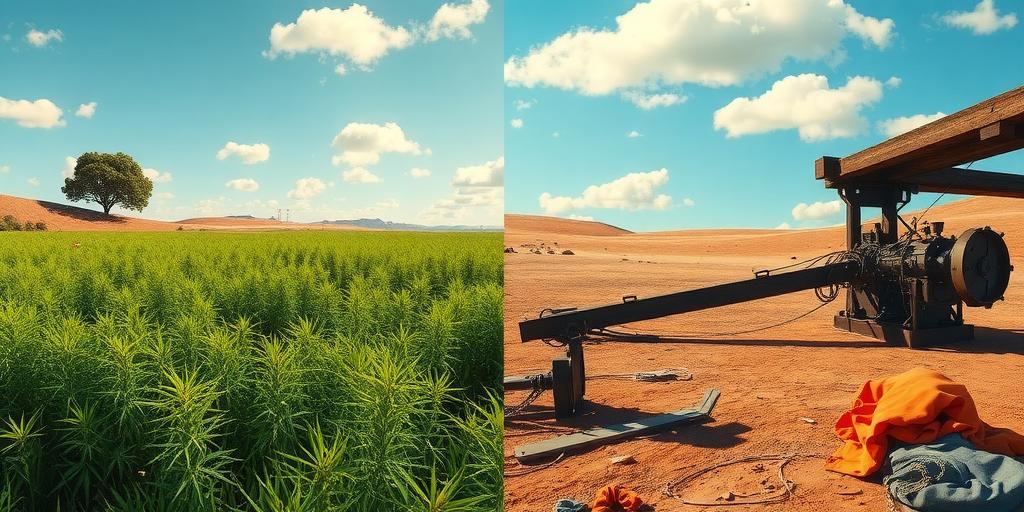
While hemp textiles offer numerous benefits, there are several challenges that consumers and manufacturers face. One major issue is the limited availability of hemp fibers, which can drive up prices compared to more conventional fabrics. Additionally, historical stigma surrounding hemp has led to misconceptions about its legality, making some consumers hesitant to purchase hemp products. Quality control is another concern, as the quality of hemp textiles can vary widely among manufacturers. Therefore, it is crucial to choose reputable brands to ensure you are getting a high-quality product.
Another challenge is that hemp fabric may wrinkle more easily than synthetic alternatives, requiring more maintenance to keep it looking fresh. Some consumers may also be deterred by the initial rough texture of certain hemp fabrics, especially those used to softer materials. Furthermore, limited knowledge about the care and use of hemp textiles can lead to improper handling, resulting in dissatisfaction.
While many manufacturers blend hemp with synthetic fibers to enhance certain qualities, this can dilute the environmental benefits that make hemp a desirable choice in the first place. As consumer demand for hemp textiles continues to grow, the supply chain can become inconsistent, leading to availability issues. Lastly, regulatory challenges regarding hemp cultivation can impact the availability of raw materials, making it harder for producers to meet the increasing demand.
7. Final Thoughts on Hemp Fabric
Hemp textiles provide a unique combination of durability, sustainability, and comfort, making them a valuable addition to any wardrobe. Choosing hemp fabrics helps reduce the reliance on materials that harm the environment, supporting a more sustainable lifestyle. As the hemp market grows, we can expect more innovations in fabric blends and applications, expanding options for consumers. The versatility of hemp means it accommodates various tastes, from casual wear to high-end fashion, making it appealing to a wide audience.
Incorporating hemp into daily life is a simple yet impactful step towards sustainability. Continued education about hemp is essential; it can help dispel myths and promote its benefits, encouraging more people to choose eco-friendly options. With advancements in technology, the processing of hemp into textiles is becoming more efficient and cost-effective, making it a more accessible choice for everyone.
Supporting hemp cultivation not only aids rural economies but also promotes sustainable agricultural practices. Opting for hemp textiles is not just a fashion statement; it reflects a commitment to the future of our planet. With proper care, these fabrics can endure for years, offering both style and environmental benefits.
Frequently Asked Questions
What are the benefits of using hemp textiles compared to other materials?
Hemp textiles are durable, breathable, and environmentally friendly. They naturally resist mold and UV light, making them a great choice for various uses, particularly in outdoor products.
How do I wash and care for my hemp fabric items?
To care for hemp fabrics, wash them in cold water with mild detergent. Avoid bleach and fabric softeners. Hang them to dry or tumble dry on low to keep the fabric in good shape.
Are hemp textiles safe for sensitive skin or allergies?
Yes, hemp textiles are generally safe for sensitive skin and are hypoallergenic. They do not irritate the skin and can be a good choice for those with allergies.
Can hemp fabrics shrink after washing, and how can I prevent this?
Hemp fabrics can shrink if washed in hot water or dried on high heat. To prevent this, always wash in cold water and air-dry when possible.
What are some common uses for hemp textiles?
Hemp textiles are versatile and commonly used for clothing, accessories, home furnishings, and even eco-friendly packaging. Their strength and durability make them suitable for a wide range of products.
TL;DR Hemp textiles offer a sustainable and durable choice, requiring less water and fewer chemicals during cultivation. Historically significant, hemp has been utilized for thousands of years. The fabric boasts key properties like breathability and biodegradability, with applications ranging from clothing to home textiles. Proper care involves washing with cold water and air-drying to maintain quality. While more costly, hemp fabric is an eco-friendly option that supports sustainable fashion. Embrace hemp to reduce your environmental footprint.