

Blog
Hempcrete Construction: Eco-Friendly Building for the Future


Hempcrete is a unique building material created from industrial hemp hurds, water, and lime-based binder. It functions mainly as insulation and cladding rather than a structural component. One standout feature of hempcrete is its ability to absorb more carbon dioxide than it emits throughout its lifecycle, making it an eco-friendly option for construction. Additionally, hemp requires little water and no harmful pesticides to grow. With excellent thermal insulation and acoustic properties, it helps maintain comfortable indoor climates while being non-toxic and mold-resistant. As the construction industry leans towards sustainability, hempcrete’s future looks promising in creating healthier living spaces.
Table of Contents
- What is Hempcrete?
- Environmental Benefits of Hempcrete
- Thermal and Acoustic Properties of Hempcrete
- Health and Safety Aspects of Hempcrete
- Applications of Hempcrete in Construction
- Installation Methods for Hempcrete
- Future of Hempcrete in Sustainable Building
- Finishing Techniques for Hempcrete
- Challenges in Hempcrete Construction
- Frequently Asked Questions
What is Hempcrete?
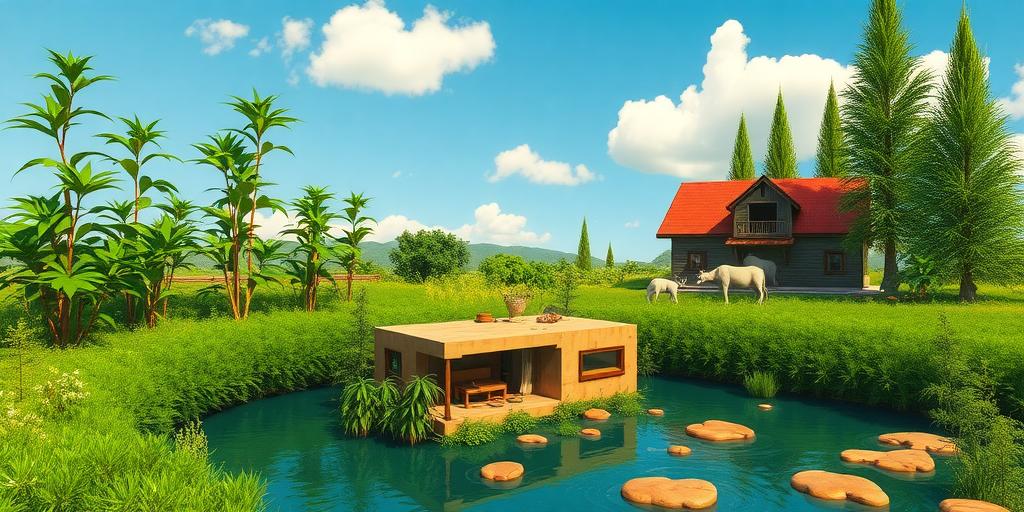
Hempcrete is a biocomposite material made from industrial hemp hurds, water, and a lime-based binder. This combination results in a lightweight and breathable substance that excels in insulation. Unlike traditional concrete, which is used as a structural element, hempcrete serves primarily as insulation and cladding, making it an ideal choice for environmentally conscious building projects. Its eco-friendly nature stems from its production process, which relies on natural materials and contributes to sustainability. Hempcrete has been utilized for centuries, proving its durability and effectiveness in various applications. However, it is essential to note that hempcrete is not water-resistant, so it should be protected from direct moisture exposure. One of its unique properties is the ability to regulate humidity and temperature within buildings, creating a comfortable living environment while reducing energy consumption. The material’s versatility allows it to be molded into various shapes and sizes during installation, providing design flexibility for architects and builders. Additionally, using hemp in construction can help support local economies, particularly in agricultural regions where hemp is cultivated. With proper maintenance, hempcrete structures can endure for decades, offering long-term benefits to both builders and homeowners. Moreover, the production process of hempcrete can aid in waste reduction, as it utilizes parts of the hemp plant that are otherwise not used for other purposes.
Environmental Benefits of Hempcrete
Hempcrete offers remarkable environmental benefits that make it an attractive choice for eco-friendly construction. As a carbon negative material, hempcrete absorbs more carbon dioxide during its growth than the emissions produced during its manufacturing. This unique characteristic helps combat climate change by actively reducing carbon footprints in building projects. Additionally, hemp is a fast-growing plant that can be harvested in just a few months, requiring minimal resources such as water and no harmful pesticides or herbicides. This sustainable cultivation promotes rapid renewability, supporting a more sustainable choice in construction materials.
Moreover, using hempcrete significantly reduces reliance on traditional concrete, which is known for its resource-intensive production and substantial greenhouse gas emissions. Hemp cultivation also benefits soil health by replenishing nutrients and reducing erosion, making it a valuable crop for farmers. At the end of its lifecycle, hempcrete’s biodegradability further minimizes environmental impact, as it breaks down naturally without leaving harmful residues.
Another advantage is the local sourcing of hemp, which lowers transportation emissions, enhancing its green profile. Buildings constructed with hempcrete enjoy excellent thermal performance, leading to energy savings by reducing heating and cooling needs. This aligns with the global shift towards sustainable building practices, making hempcrete a forward-thinking solution for environmentally conscious construction.
| Benefit | Details | Source |
|---|---|---|
| Carbon Negative | Hempcrete absorbs more CO2 during its lifecycle than it emits. A cubic meter can absorb approximately 165 kg of CO2. | Sustainability Award |
| Sustainability | Hemp requires minimal water and no pesticides or herbicides, enhancing its eco-friendliness. | Hempitecture |
| Soil Health | Hemp cultivation improves soil health, replenishes nutrients, and reduces erosion. | Hempitecture |
| Energy Savings | Hempcrete contributes to energy savings through excellent thermal performance, reducing energy consumption. | Hempitecture |
| Biodegradability | Hempcrete’s biodegradability minimizes environmental impact at the end of its lifecycle. | Hempitecture |
| Pest Resistance | The material is not susceptible to pests, reducing the need for chemical treatments. | Hempitecture |
| Local Sourcing | Using locally sourced hemp can reduce transportation emissions. | Hempitecture |
| Rapid Renewability | Hemp plants grow quickly and can be harvested in just a few months. | Hempitecture |
| Alignment with Sustainability Goals | The use of hempcrete supports global trends towards sustainable building practices. | Hempitecture |
Thermal and Acoustic Properties of Hempcrete
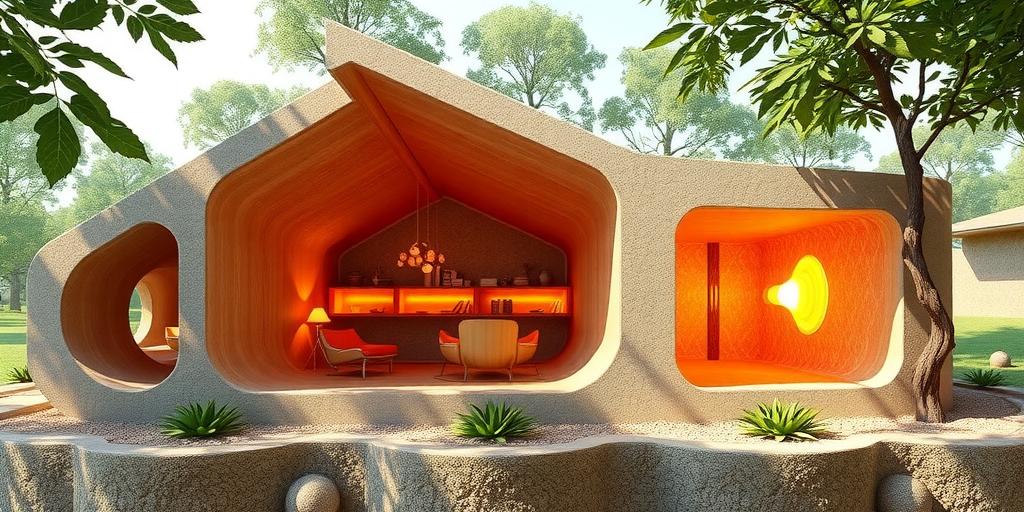
Hempcrete is known for its exceptional thermal insulation, which plays a significant role in keeping indoor temperatures stable throughout the year. This material helps to minimize energy costs related to heating and cooling, making it an economically wise choice for homeowners. Its thermal mass allows hempcrete to regulate temperature fluctuations effectively, enhancing overall comfort in living spaces. Beyond temperature control, hempcrete excels in sound absorption, making it suitable for environments where noise reduction is a priority. The natural fibers in hempcrete dampen sound waves, improving acoustic comfort in both residential and commercial settings. Furthermore, when combined with other materials, hempcrete’s insulation and soundproofing capabilities can be significantly enhanced. Its lightweight nature facilitates easy integration into various building designs without adding unnecessary weight. Additionally, hempcrete walls assist in managing humidity levels within a building, helping to prevent dampness and mold issues. The breathability of hempcrete allows moisture to escape, reducing the risk of condensation and related damages. Ultimately, hempcrete contributes to a comfortable indoor environment, promoting the well-being of its occupants.
Health and Safety Aspects of Hempcrete
Hempcrete is a standout material when it comes to health and safety in construction. It is non-toxic and free from harmful chemicals, ensuring a safe environment for indoor use. Homes built with hempcrete benefit from the absence of volatile organic compounds (VOCs), which translates to improved air quality. This is crucial for maintaining a healthy living space, especially for families with children or individuals with respiratory issues. Additionally, hempcrete’s breathable nature plays a vital role in moisture regulation, helping to prevent the accumulation of dampness that can lead to mold growth. This feature is particularly advantageous in various climates where humidity levels can fluctuate significantly.
Furthermore, hempcrete is naturally resistant to pests, which means there is no need for harmful pesticides during or after construction. By choosing hempcrete, builders can create a healthier living environment without resorting to toxic chemicals. Another appealing aspect of hempcrete is that it does not emit harmful gases, which contributes to overall indoor health. The use of natural materials in its composition aligns with sustainable building practices, promoting eco-friendliness and health.
From a construction perspective, hempcrete is easy to handle and install, minimizing the risk of injury for workers. Its lightweight properties reduce physical strain, thereby promoting safer working conditions. Moreover, the natural insulation properties of hempcrete not only enhance energy efficiency but also help regulate indoor temperatures, leading to a more comfortable living space. Ultimately, residing in a hempcrete home can improve overall well-being, thanks to its eco-friendly and non-toxic attributes.
- Hempcrete is non-toxic and free from harmful chemicals, making it safe for indoor use.
- The absence of volatile organic compounds (VOCs) ensures better air quality in homes built with hempcrete.
- Hempcrete’s breathable nature helps prevent the accumulation of moisture, reducing the risk of mold growth.
- The material is resistant to pests, eliminating the need for harmful pesticides during and after construction.
- Hempcrete does not emit harmful gases, contributing to a healthier living environment.
- The use of natural materials in hempcrete supports sustainable and healthy building practices.
- Hempcrete is easy to handle and install, minimizing the risk of injury during construction.
- The material’s lightweight properties reduce the physical strain on workers, promoting safer construction practices.
- Hempcrete’s natural insulation properties can enhance comfort and health by regulating indoor temperatures.
- Living in a hempcrete home can lead to improved overall well-being due to its eco-friendly and non-toxic nature.
Applications of Hempcrete in Construction
Hempcrete is increasingly recognized for its diverse applications in the construction industry. It is particularly ideal for non-load-bearing walls, offering effective insulation and energy efficiency without bearing structural loads. This makes it a popular choice for both residential and commercial buildings, especially when used alongside timber or steel frames to enhance overall energy efficiency. The versatility of hempcrete shines through in various projects, including passive houses and eco-villages, where its thermal properties help reduce reliance on artificial heating and cooling systems. Furthermore, hempcrete proves beneficial in retrofitting older buildings, improving insulation while preserving structural integrity. It can adapt to a wide range of architectural styles, enhancing aesthetic appeal while maintaining functionality. Additionally, hempcrete can be utilized in outdoor applications like garden walls and landscaping features, provided it is adequately protected from moisture. Its growing popularity in sustainable community projects highlights its role in supporting eco-friendly development initiatives, as the demand for sustainable construction materials continues to drive innovation in hempcrete applications.
Installation Methods for Hempcrete
Hempcrete is often mixed on-site, which allows for customization tailored to specific project needs. This flexibility extends to installation methods, as hempcrete can be cast-in-place or utilized in precast wall panels, accommodating various construction preferences. The traditional installation process typically involves tamping hempcrete into temporary formwork, which helps create a solid, monolithic structure. Because hempcrete is lightweight, it speeds up the installation process compared to conventional materials, ultimately reducing labor costs. Moreover, its malleable nature enables it to be shaped to fit unique architectural designs, thereby enhancing aesthetic appeal.
However, it is crucial to protect hempcrete from moisture during installation to ensure it performs optimally. Having a skilled crew familiar with hempcrete’s installation is essential, as their expertise can significantly improve the quality of the finished product. Different layering techniques may also be employed to achieve desired insulation values and thermal performance. One important consideration is that the drying time for hempcrete is longer than that of standard materials, necessitating careful planning within construction schedules to ensure proper curing and drying. This step is vital for harnessing hempcrete’s full insulation potential and durability.
Future of Hempcrete in Sustainable Building
As we become more aware of environmental issues, the use of hempcrete in construction is expected to grow significantly. Innovations in hemp farming and processing will likely enhance the quality and availability of hempcrete, making it a more viable option for builders. Integrating hempcrete into mainstream building practices can help meet the sustainability goals set by governments and organizations. In fact, hempcrete is currently being explored in various building codes and regulations, paving the way for broader acceptance within the industry.
Research and development efforts are focusing on improving the performance characteristics of hempcrete for a wide range of applications, including its potential contribution to zero-energy buildings. This highlights hempcrete’s important role in future construction, especially as more architects and builders recognize its benefits. High-profile projects utilizing hempcrete are on the rise, demonstrating its practicality and appeal.
Furthermore, collaborations between the farming, manufacturing, and construction sectors can create a robust supply chain for hempcrete materials. The expansion of this market could lead to job creation in agriculture and construction, benefiting local economies. With advancements in technology, we may also see new formulations of hempcrete that enhance its properties and applications, further solidifying its place in sustainable building.
Finishing Techniques for Hempcrete
Hempcrete offers various finishing techniques that not only enhance its aesthetic appeal but also improve its durability and functionality. One common option is lime render, which provides a robust protective layer while allowing the walls to breathe. This helps maintain the moisture-regulating properties of hempcrete, essential for preventing condensation issues. Another natural finish is clay plaster, which is breathable and supports a healthy indoor environment by maintaining humidity balance. Additionally, using non-toxic natural paints can preserve the eco-friendly characteristics of hempcrete and further enhance indoor air quality.
The choice of finishing materials significantly impacts the overall look and feel of interior spaces. With different textures and colors available, homeowners and builders can express creativity in their designs. Furthermore, well-applied finishes can improve the resistance of hempcrete to environmental factors such as UV exposure and water damage, extending the lifespan of the structure. Regular maintenance of these finishes is crucial to ensure continued performance and aesthetic appeal, making it important to select finishes that align with both design goals and the material’s natural properties.
Challenges in Hempcrete Construction
Hempcrete construction does come with its own set of challenges. One significant issue is that hempcrete is not a structural material. This means builders must pay close attention to the design and ensure there is adequate support from other materials like wood or metal frames. Moisture management is also crucial during the installation and curing phases. If handled improperly, moisture can lead to performance issues in the finished product.
Additionally, the drying time for hempcrete can be longer than that of conventional materials. This can cause delays in project timelines, especially if builders are not prepared for the extended period required for curing. Furthermore, the availability of high-quality hemp and lime binder can vary, which may impact both production and costs.
While hempcrete materials can offer long-term savings through energy efficiency, the initial costs may be higher compared to traditional options. This can deter some builders from adopting the material. There’s also a limited awareness and experience among builders regarding proper installation techniques, which can lead to mistakes during the application process.
Moreover, hempcrete may face regulatory hurdles in certain regions, as building codes may not yet recognize or accommodate its use. As the market for hempcrete continues to develop, pricing and availability of materials may fluctuate. Weather conditions can further complicate the curing process, making careful planning essential for successful installations. Finally, if demand for hempcrete surges, supply chain issues may arise, particularly if production does not keep pace with the growth in popularity.
Frequently Asked Questions
What is hempcrete, and how is it made?
Hempcrete is a building material made from the inner fibers of hemp plants mixed with lime and water. This combination creates a light, insulating material that offers great breathability and durability.
Why is hempcrete considered eco-friendly?
Hempcrete is eco-friendly because it uses renewable materials, reduces carbon emissions, and helps to sequester carbon during its lifecycle, making it a sustainable choice for construction.
How does hempcrete compare to traditional building materials?
Hempcrete is lighter and offers better insulation than many traditional materials, like concrete. However, it’s not a structural material on its own and is usually used in conjunction with wooden frames.
Can hempcrete help with energy efficiency in buildings?
Yes, hempcrete can improve energy efficiency by providing excellent insulation, which keeps buildings warmer in winter and cooler in summer, reducing the need for heating and cooling.
Is it safe to use hempcrete in construction?
Absolutely, hempcrete is safe to use. It is non-toxic, mold-resistant, and helps promote healthy indoor air quality, making it suitable for various building projects.
TL;DR Hempcrete is an eco-friendly biocomposite made from hemp hurds, lime, and water. It offers numerous environmental benefits, including carbon negativity and sustainability due to hemp’s minimal resource needs. Additionally, it provides excellent thermal and acoustic insulation, making it beneficial for indoor comfort. Hempcrete is non-toxic and supports healthier indoor environments. Its applications range from new constructions to retrofitting existing structures, and it can be installed using various methods. As the construction industry moves towards sustainability, hempcrete is gaining traction. Finishing techniques help enhance its appearance and durability. Overall, hempcrete represents a significant step towards more sustainable building practices.