
How Hemp Textiles Are Made: Process, Qualities, and Applications

Hemp textiles, made from fibers of the Cannabis sativa plant, offer a durable and eco-friendly option for various applications. The process begins with cultivating hemp in nutrient-rich soil, requiring less water and fewer chemicals than cotton. After harvesting the stalks, they undergo retting to separate the fibers from the woody core. Subsequent steps include breaking, scutching, and hackling to prepare smooth strands for spinning into yarn. This yarn can then be woven or knitted into fabric. Hemp fabric is known for its strength, breathability, and natural antibacterial properties. Its uses range from clothing to home textiles and industrial products, making it a versatile choice in sustainable fashion.
Table of Contents
- What is Hemp Fabric?
- The Process of Making Hemp Fabric
- Cultivation and Harvesting of Hemp
- Retting: Separating the Fibers
- Breaking, Scutching, and Hackling
- Spinning, Weaving, and Knitting
- Finishing Hemp Textiles
- Qualities of Hemp Fabric
- Applications of Hemp Fabric
- Market Considerations for Hemp
- Future of Hemp Textiles
- Frequently Asked Questions
1. What is Hemp Fabric?
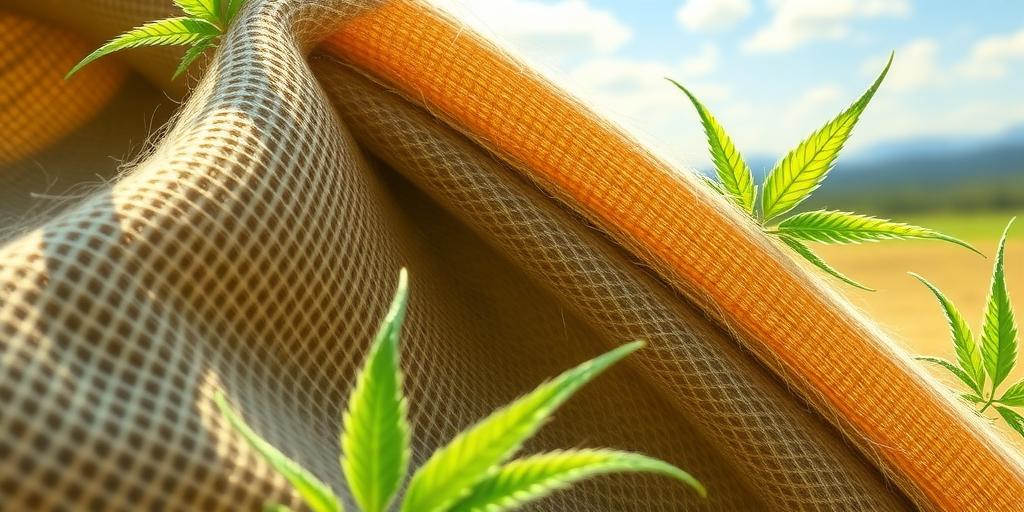
Hemp fabric comes from the stalks of the Cannabis sativa plant, known for its strong and durable fibers. This natural textile has a beige color but can be dyed to create a variety of shades, making it adaptable for both fashion and design. Unlike conventional fabrics, hemp fabric is biodegradable, adding to its appeal as an environmentally friendly option. Historically, it has been utilized for thousands of years, serving as material for ropes, paper, and clothing due to its resilience.
Hemp fibers have the advantage of being naturally resistant to mold and UV light, enhancing their longevity, especially in outdoor settings. The texture of hemp fabric can vary from coarse to soft, influenced by processing methods and any blending with other fibers. While often compared to linen, hemp offers similar breathability and texture but is even more durable.
Recent advancements in processing have made hemp fabric softer and more suitable for everyday wear, broadening its appeal in the fashion industry. As one of the oldest cultivated crops, with evidence of its use dating back over 10,000 years, hemp fabric is witnessing a resurgence in popularity among eco-conscious consumers.
2. The Process of Making Hemp Fabric
The journey of making hemp fabric starts with selecting high-quality hemp seeds specifically bred for fiber production. This choice is vital as it ensures optimal growth and yield. Farmers plant these seeds in carefully spaced rows, allowing the plants to grow tall and straight, which is crucial for achieving high-quality fibers. Hemp grows rapidly, often reaching heights of 10 to 15 feet, maximizing the potential for fiber extraction.
Once the plants are ready for harvesting, farmers cut the stalks close to the ground and bundle them, leaving them to dry in the field. This drying process is essential as it reduces the moisture content before the next steps. The method of retting, which separates the fibers from the woody core, can greatly influence the quality of the final fabric. Retting can be performed using different techniques, such as field retting, where stalks are left in the field for natural decomposition, or water retting, which involves soaking the stalks in water for a few days.
After retting, the dried stalks undergo breaking, a process that separates the bast fibers from the woody core. This can be done mechanically or by hand, depending on the scale of production. Next, scutching follows, removing any remaining woody parts from the fibers, and then hackling, which aligns the fibers to prepare them for spinning, enhancing their strength and texture.
The spinning process involves twisting the prepared fibers into yarn using either traditional hand-spinning methods or industrial machinery for a more consistent yarn. This yarn can then be woven or knitted into fabric, with various patterns and textures available for different applications. Finally, finishing treatments, including washing, dyeing, and softening, give the fabric its final appearance and feel, preparing it for a range of uses.
- The process begins with selecting high-quality hemp seeds that are bred for fiber production, ensuring optimal growth and yield.
- Farmers plant the seeds in rows, allowing for enough space for the plants to grow tall and straight, which is essential for fiber quality.
- After planting, hemp plants grow rapidly, often reaching heights of 10 to 15 feet, which maximizes fiber extraction.
- During harvesting, the cut stalks are bundled and left to dry in the field to reduce moisture content, which is critical for retting.
- Retting can influence fiber quality, significantly; different methods may yield different characteristics in the final fabric.
- Breaking separates the fibers from the stalk, and this can be done mechanically or by hand, depending on the scale of production.
- After breaking, scutching removes the remaining woody parts, while hackling aligns the fibers for spinning, enhancing their strength.
- The spinning process can vary, with options for hand-spinning or using industrial machinery to produce consistent yarn.
- Weaving or knitting converts yarn into fabric, which can be done in various patterns to achieve different textures and uses.
- Finally, finishing treatments like washing, dyeing, and softening give the fabric its final appearance and feel.
3. Cultivation and Harvesting of Hemp
Hemp cultivation starts with selecting the right soil, as it thrives best in well-drained, loamy soils rich in organic matter. This crop is adaptable and can grow in various climates, although it prefers moderate rainfall. Farmers appreciate its fast growth, reaching maturity in as little as 70 to 120 days, depending on conditions. To maintain soil health and reduce pest issues, they often practice crop rotation and use organic methods, minimizing the need for chemicals. Cover crops are also commonly used to suppress weeds and enhance soil structure, further supporting sustainable farming practices.
When it comes to harvesting, timing is crucial. Farmers typically harvest hemp when the seeds are fully developed to ensure maximum fiber yield. After cutting the stalks close to the ground, they leave them in the field to dry for several days. This drying process prepares the stalks for retting, which is essential for fiber extraction. Monitoring weather conditions during harvest is vital, as moisture can lead to mold or degradation of the fibers. Depending on the scale of the operation, hemp can be harvested either mechanically or by hand. Once harvested, the stalks are transported to processing facilities to begin the next steps in transforming hemp into textiles.
4. Retting: Separating the Fibers
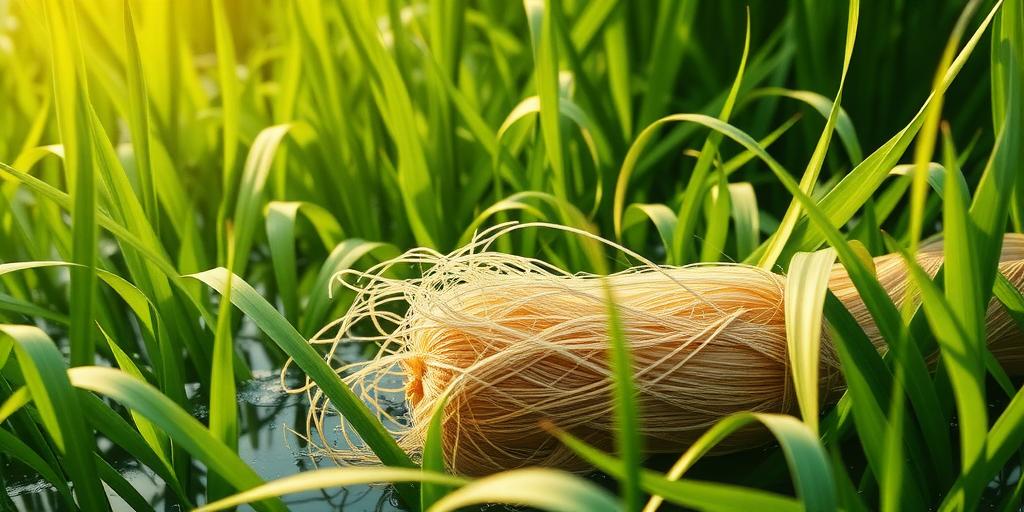
Retting is a vital process in the production of hemp textiles, as it helps to separate the valuable fibers from the woody core of the stalk. This step involves breaking down pectin, the natural substance that binds the fibers together. Among the various retting methods, field retting is the most traditional, relying on natural moisture and microbial activity to decompose the outer stem. This method is eco-friendly but can take longer. Alternatively, water retting involves soaking the stalks in water for several days, which can yield high-quality fibers, though it requires careful monitoring to prevent unpleasant odors. Chemical retting is faster, but it uses harsh chemicals that can be harmful to the environment, making it less desirable for sustainable practices.
The choice of retting method can fundamentally influence the fibers’ characteristics, such as their strength, color, and flexibility. Timing is crucial; over-retted fibers can become weak, while under-retted fibers may not separate properly. Farmers often check the fibers during the retting process to ensure they achieve the desired quality. Once retting is complete, the fibers are separated from the woody core, which can be repurposed for products like particleboard. Each retting method comes with its own advantages and disadvantages, affecting both the quality of the final product and its environmental footprint. Ongoing research aims to refine retting techniques, striving to enhance fiber quality while minimizing ecological impact.
5. Breaking, Scutching, and Hackling
Breaking is a critical step in processing hemp textiles, where dried stalks are crushed to separate the bast fibers from the woody core. This separation is vital for the quality of the fibers, impacting the final fabric’s texture and strength. Depending on the scale of production, this can be done manually or with machinery, balancing efficiency and quality.
Following breaking, scutching removes any remaining woody bits from the fibers. This process further cleans the fibers, preparing them for the next stage. Hackling then aligns the fibers and eliminates any leftover impurities, resulting in long, smooth strands that are ready for spinning.
The quality of these processes directly influences the final product. If not handled properly, the fibers can become damaged, which can detract from the overall quality. While traditional hand methods can produce high-quality fibers, mechanical methods enhance efficiency, particularly for larger operations. Investments in advanced technology have improved machinery for breaking and scutching, making fiber extraction more efficient. Training workers in these techniques is essential to uphold high standards in the hemp industry.
6. Spinning, Weaving, and Knitting
Spinning is the crucial stage where cleaned hemp fibers are transformed into yarn, using either traditional or modern techniques. The twisting of these fibers during the spinning process creates yarn that is strong and durable, making it suitable for a variety of textile applications. Different spinning methods can yield yarns with varying thickness and texture, which directly influences the characteristics of the final fabric.
Once the yarn is produced, weaving comes into play. This involves interlacing the yarns to create fabric, allowing for a multitude of patterns and designs. Weaving techniques such as plain, twill, or satin can result in unique appearances and functionalities of the fabric. On the other hand, knitting is another method to produce fabric, where yarns are looped together to create a stretchable and comfortable textile. The choice between weaving and knitting often depends on the intended use of the fabric, as each method offers distinct properties that cater to different needs.
Hemp yarn can also be blended with other fibers, like cotton or silk, to enhance its softness or achieve other desired qualities. As technology advances, it has become easier to produce hemp fabrics with intricate designs and patterns, further expanding its appeal. Ultimately, the final fabric can vary significantly in weight, texture, and appearance, allowing for a wide range of applications in clothing and textiles.
7. Finishing Hemp Textiles
Finishing hemp textiles is a crucial step that elevates the fabric’s visual appeal, texture, and performance, making it more attractive to consumers. Common methods include washing the fabric to eliminate any residual processing agents, ensuring a clean and safe product. Dyeing is another essential finishing treatment, allowing hemp to showcase a wide range of colors through synthetic or natural dyes, which also raises considerations for environmental impact. To enhance the feel of hemp fabric, which can be somewhat coarse initially, softening treatments are often applied. Additionally, treatments that improve water resistance or wrinkle-free properties can significantly increase the marketability of hemp textiles.
Blending hemp with other fibers, such as cotton or silk, during the finishing stage can produce fabrics that are softer and more versatile, catering to diverse consumer preferences. Quality control during this stage is essential, ensuring that the final product meets industry standards and aligns with consumer expectations. Innovative finishing techniques are continually being developed to boost both the sustainability and functionality of hemp fabrics, ensuring they appeal to eco-conscious buyers. Ultimately, the finished hemp textile presents a unique texture and aesthetic, making it a sought-after choice for those looking for sustainable and stylish options.
8. Qualities of Hemp Fabric
Hemp fabric stands out for its remarkable qualities that make it a preferred choice in various applications. Its exceptional strength and durability make it suitable for demanding uses like workwear and outdoor gear, ensuring longevity even under tough conditions. The breathability of hemp allows for excellent air circulation, making it comfortable in warm climates, while its moisture-wicking properties keep the wearer dry. Another notable feature is its natural antimicrobial properties, which help inhibit bacterial growth, reducing odor and enhancing hygiene. Additionally, hemp is hypoallergenic, making it a safe option for individuals with sensitive skin or allergies. The unique texture of hemp fibers is often described as crisp yet soft, improving with each wash. Hemp fabric is also resistant to UV light, ensuring that colors remain vibrant over time, making it ideal for outdoor applications. Furthermore, its environmental benefits are significant, as hemp requires less water and land than cotton and is a carbon-negative crop, absorbing more carbon dioxide than it emits. Finally, hemp’s versatility allows it to be blended with other fibers to achieve specific qualities, broadening its range of applications from fashion to home textiles and industrial products.
| Quality | Description |
|---|---|
| Durability | Hemp is known for its strength and is considered to be up to 8 times stronger than cotton. |
| Breathability | Hemp fabric is highly breathable and effective in moisture-wicking, making it suitable for warm climates. |
| Antimicrobial Properties | Hemp fabric has natural antibacterial qualities, which help reduce odor and promote hygiene. |
| Environmental Benefits | Hemp requires less land and water than cotton and can improve soil health. It is considered carbon negative, absorbing more carbon than it emits. |
| Hypoallergenic | The absence of chemicals in its cultivation makes hemp fabric suitable for sensitive skin. |
9. Applications of Hemp Fabric
Hemp fabric is finding its way into a wide variety of applications, showcasing its versatility and durability. In the realm of clothing, it is popular for casual wear, activewear, and eco-friendly fashion options. Its strength and comfort make it a favorite among consumers who value sustainability. In home textiles, hemp is used for towels, bed linens, curtains, and upholstery, prized for its absorbency and long-lasting nature. Beyond personal use, hemp maintains its historical roots in the industrial sector, where it is employed in making ropes, sails, and other durable products. Accessories like bags, hats, and wallets made from hemp cater to those seeking sustainable choices. The automotive industry is beginning to embrace hemp in interior components, while construction materials are also starting to incorporate its lightweight and strong properties. Furthermore, hemp fabric is being utilized in eco-friendly packaging solutions, addressing growing environmental concerns. Outdoor gear, such as tents and backpacks, benefits from hemp’s durability and resistance to the elements. With the rise of sustainable fashion, designers and brands are increasingly drawn to hemp fabrics, enhancing their marketability. Hemp’s unique qualities allow it to blend with other materials, expanding its range of applications. Research continues into innovative uses for hemp fabric, particularly in creating sustainable solutions.
10. Market Considerations for Hemp
The market for hemp textiles is shaped by several factors. To start, producing hemp fabric typically costs more than conventional fabrics like cotton, mainly due to the labor-intensive processes involved and the lower levels of cultivation. However, as consumer demand for sustainable and eco-friendly products rises, there is potential for prices to decrease as production scales up. Hemp fabric has carved out a niche market that attracts eco-conscious consumers who are often willing to pay a premium for sustainable textiles.
Regulatory hurdles and misconceptions about hemp can hinder market growth, emphasizing the need for education to clear up any misunderstandings. Effective branding and marketing of hemp products can also boost their appeal, helping to raise consumer awareness. Fortunately, the availability of hemp fabric is on the rise, with more suppliers entering the market, which contributes to competitive pricing.
As technology in hemp cultivation and processing improves, production efficiency may increase, leading to further cost reductions. Collaborations between farmers, manufacturers, and designers can drive innovation and growth in the hemp textile market. Additionally, emerging trends in sustainable fashion and green building materials are likely to enhance the demand for hemp textiles in the coming years. Finally, ongoing research into the benefits and applications of hemp will play a crucial role in shaping market dynamics moving forward.
11. Future of Hemp Textiles
The future of hemp textiles looks promising as the market for sustainable products continues to grow. Consumers are increasingly seeking eco-friendly options, placing hemp in a favorable position to capture a larger share of the textile market. With advancements in processing technology, the quality and versatility of hemp fabrics are improving, making them more competitive with traditional textiles like cotton and polyester. Regulatory changes are also making it easier to access hemp for production, which may lead to wider adoption across different industries.
Brands are now actively pursuing sustainability certifications, which hemp textiles can meet, appealing to environmentally conscious consumers. Collaborations between fashion designers and hemp producers are on the rise, showcasing the fabric’s aesthetic qualities and promoting its sustainability. Research is focusing on improving the properties of hemp fibers, such as softness and dyeing capabilities, which could enhance its appeal in high-end fashion.
Consumer education is key; as more people learn about the benefits of hemp textiles, demand is likely to increase. Additionally, the potential integration of hemp with smart textile technology could unlock new applications in sectors like health and wellness, sportswear, and home automation. With a more efficient global supply chain, costs may decrease, leading to greater availability of hemp products and further driving market growth. Finally, as sustainable fashion initiatives gain traction, hemp textiles are set to play a crucial role in promoting eco-friendly practices in the industry.
Frequently Asked Questions
What are the steps involved in making hemp textiles?
To make hemp textiles, first, the hemp plant is harvested. Then, the stalks are processed to separate the fibers. Next, these fibers are cleaned, combed, and spun into yarn. Finally, the yarn is woven or knitted to create the fabric.
What qualities make hemp textiles special?
Hemp textiles are known for being strong and durable, yet soft to the touch. They are also breathable, moisture-wicking, and resistant to mold and UV light, making them a practical choice for various uses.
In what industries are hemp textiles commonly used?
Hemp textiles are commonly used in the fashion industry for clothing, in home textiles like curtains and upholstery, and in eco-friendly products such as bags and accessories.
Is the process of making hemp textiles eco-friendly?
Yes, the process of making hemp textiles is generally considered eco-friendly. Hemp requires less water and no harmful pesticides compared to other crops, and it can improve soil health.
Are hemp textiles good for sensitive skin?
Yes, hemp textiles are often recommended for sensitive skin. They are hypoallergenic, breathable, and can help prevent irritation, making them a comfortable option for many people.
TL;DR Hemp fabric is made from the fibers of the Cannabis sativa plant, known for its strength and eco-friendliness. The production process involves cultivation, harvesting, retting, breaking, scutching, hackling, spinning, weaving or knitting, and finishing. Hemp’s qualities include durability, breathability, antimicrobial properties, and environmental benefits, making it suitable for clothing, home textiles, industrial products, and accessories. While the market cost may be higher due to its labor-intensive production, its sustainability and longevity make it a valuable choice in the fabric industry.